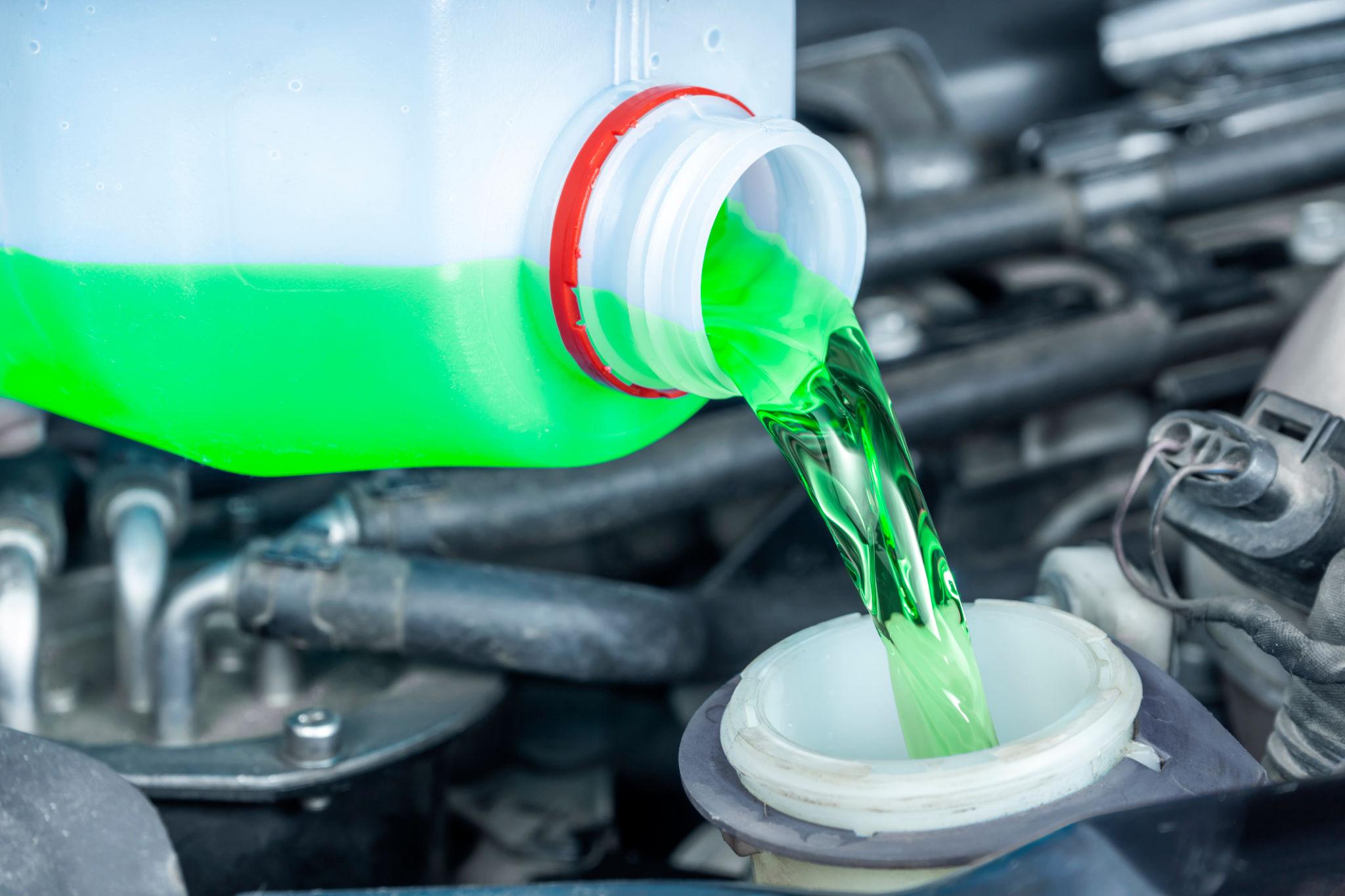
Antifreeze Coolant: Why Engine Protection Fails Without the Right Fluid Strategy
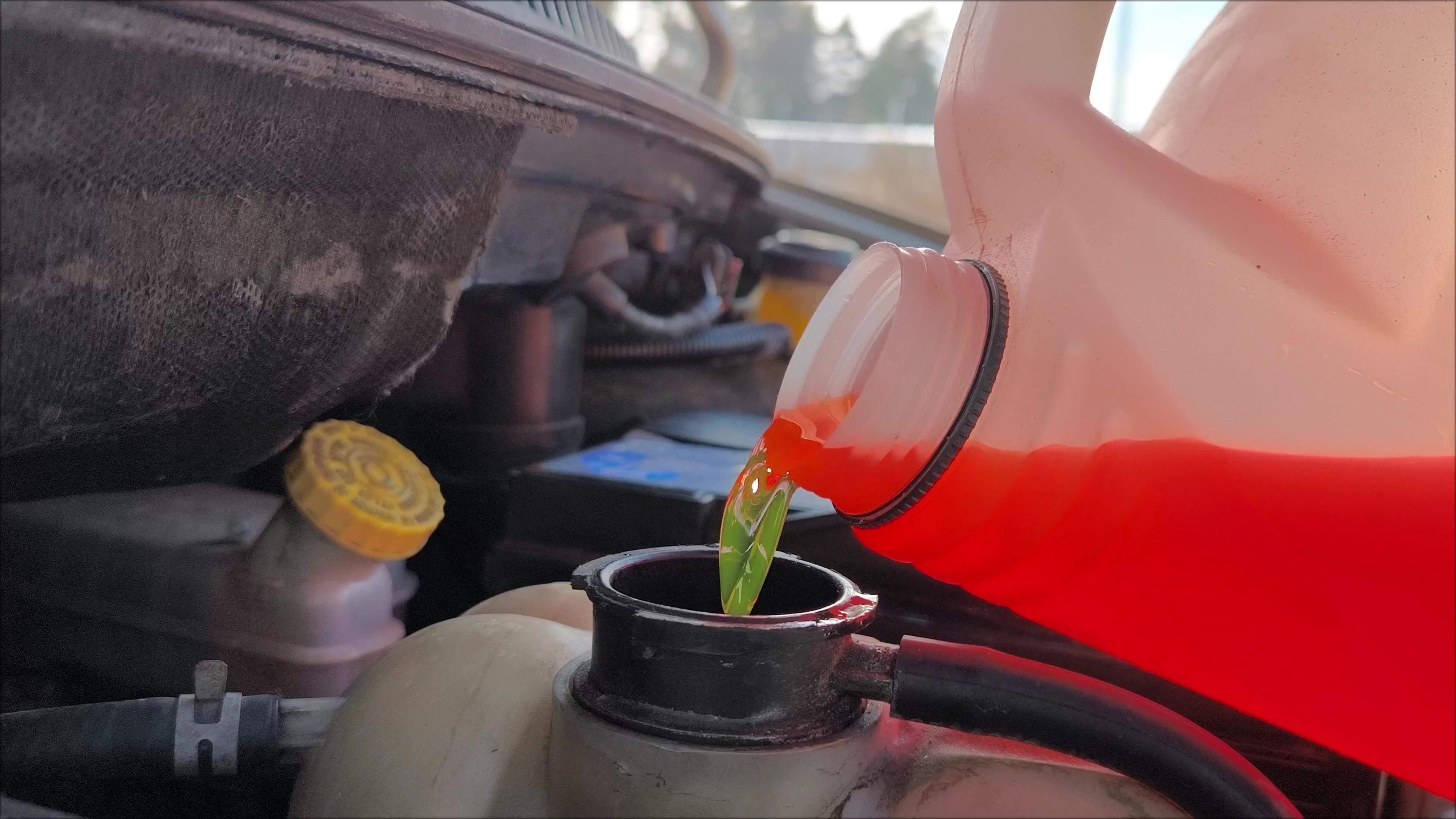
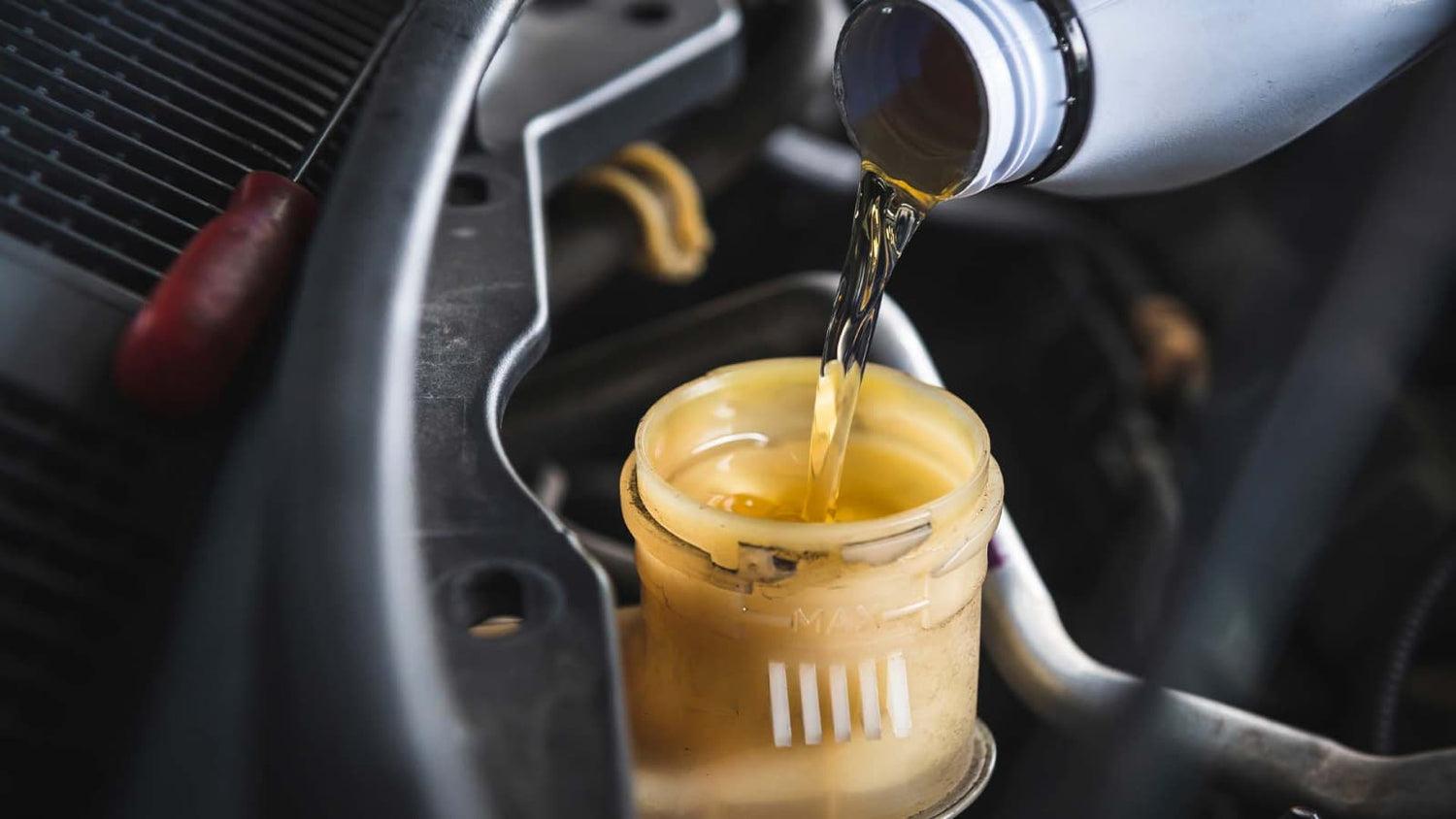
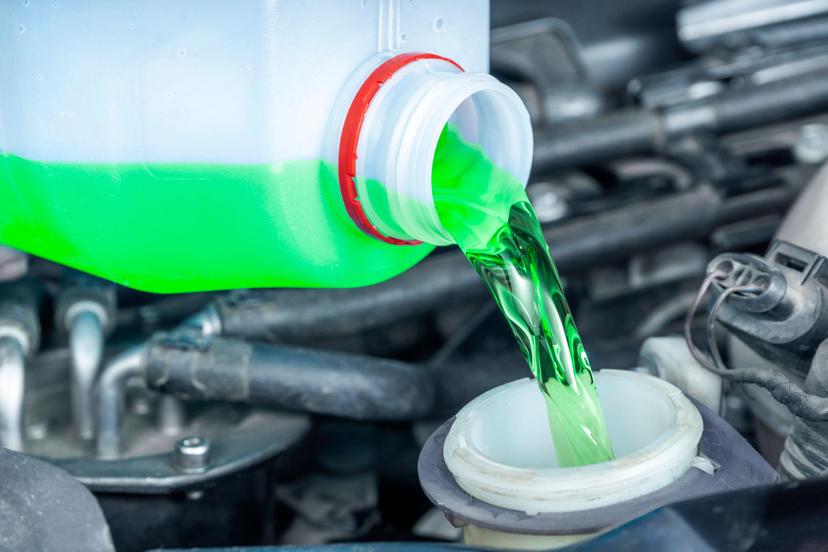
Engine overheating and internal corrosion remain two of the most common causes of vehicle downtime—especially in demanding environments. In many cases, the issue is not mechanical, but fluid-related. Low-quality coolant degrades quickly, leading to inefficient heat transfer and long-term damage. Just as long life brake fluid ensures braking stability, antifreeze coolant plays a critical role in protecting engine systems across different climates and usage conditions.
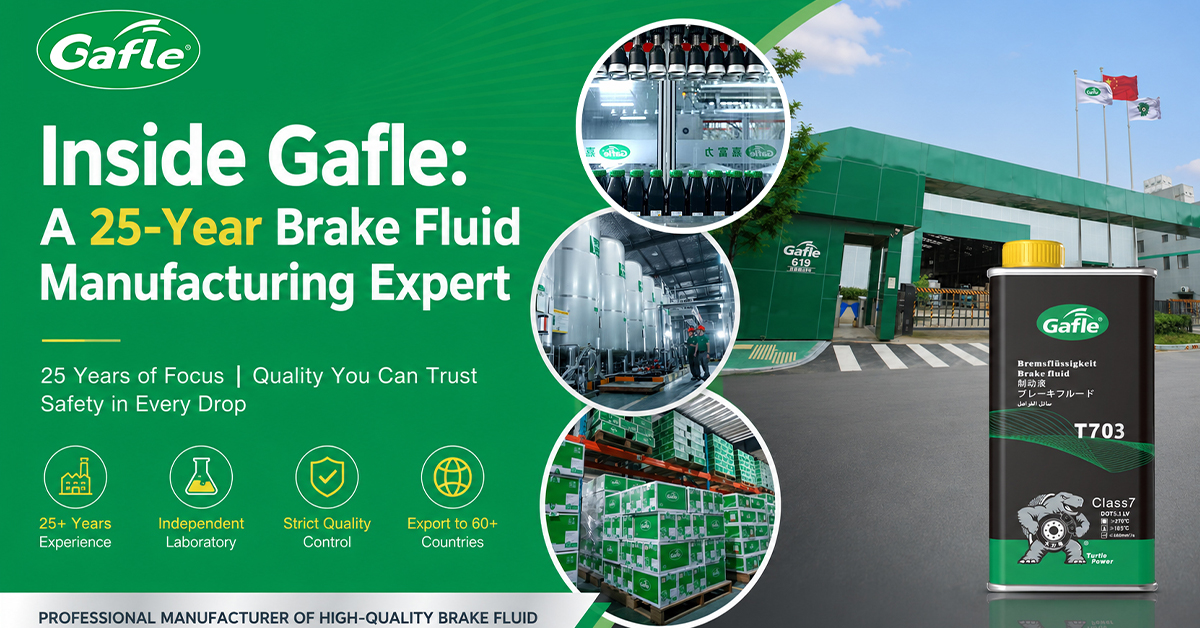
For distributors and importers exploring reliable supply options, working with an experienced manufacturer like GAFLE ensures stable formulation and consistent product performance.
The Real Pain Point: Overheating, Corrosion, and Short Fluid Lifespan
Cooling systems are constantly exposed to thermal stress.
Heat Accumulation
- Engines operate at high temperatures
- Poor coolant reduces heat dissipation
Internal Corrosion
- Metal components react with unstable coolant
- Rust and deposits build up inside
Frequent Replacement
- Low-quality antifreeze breaks down faster
- Increases long-term maintenance costs
These issues are especially common in hot climates and heavy-duty applications.
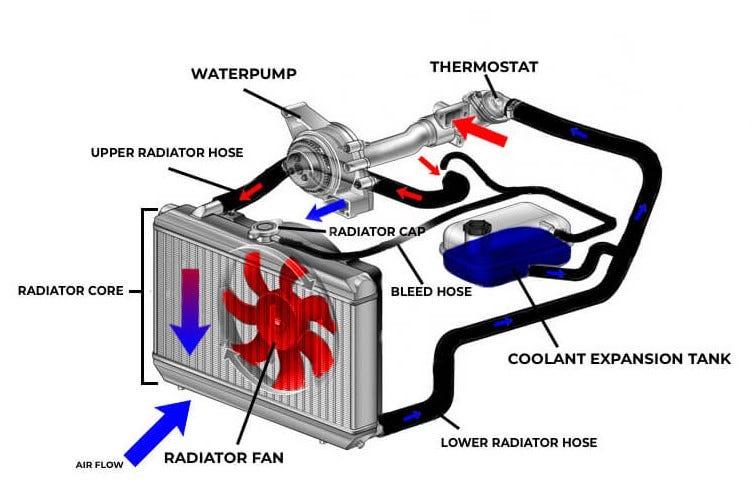
How Antifreeze Coolant Actually Works
Antifreeze is not just about freezing protection—it is a multi-functional chemical solution.
Temperature Regulation
- Lowers freezing point
- Raises boiling point
Corrosion Protection
- Contains inhibitors that protect engine metals
System Lubrication
- Supports water pump and seal longevity
A well-balanced formula ensures consistent performance under both extreme heat and cold.
Antifreeze vs Standard Coolant: What’s the Difference
| Factor | Standard Coolant | High-Quality Antifreeze |
|---|---|---|
| Temperature Range | Limited | Wide range |
| Corrosion Resistance | Basic | Advanced protection |
| Lifespan | Short | Extended |
| System Cleanliness | Deposit risk | Cleaner system |
| Maintenance Frequency | High | Lower |
This difference directly impacts engine durability and operating cost.
How Long Life Brake Fluid and Antifreeze Work Together
While antifreeze protects the engine, braking systems rely on long life brake fluid to maintain hydraulic stability.
System-Level Reliability
- Cooling system prevents overheating
- Brake system ensures safe stopping
Reduced Maintenance
- Both fluids extend service intervals
- Lower lifecycle cost
Consistent Performance
- Stable operation under varying conditions
If you are building a full automotive fluid product line, exploring both coolant and brake solutions through the product portfolio can improve overall market competitiveness.
Key Advantages for Distributors and Buyers
Longer Service Life
High-quality antifreeze reduces replacement frequency.
Strong Market Demand
Cooling system products are essential for all vehicles.
OEM & Private Label Support
- Custom packaging
- Market-specific formulas
- Brand development
Reliable Manufacturing
Working with experienced producers ensures stable quality. Learn more about manufacturing capability on the About Us page.
Where Antifreeze Coolant Performs Best
Extreme Climate Regions
- High heat or freezing conditions
Commercial Vehicles
- Trucks and logistics fleets
Urban Driving
- Continuous engine heat from traffic
Industrial Equipment
- Machinery cooling systems
Selection Guidelines for Buyers
Temperature Performance
- Wide operating range
- Stable boiling and freezing points
Corrosion Protection
- Anti-rust additives
- Long-term system protection
Supplier Capability
- Consistent formulation
- Export experience
- OEM flexibility
Packaging Options
- Retail bottles
- Bulk containers
Frequently Asked Questions
Q1: How often should antifreeze be replaced?
A: Typically every 2–5 years depending on formulation and usage conditions.
Q2: Is antifreeze necessary in hot climates?
A: Yes, it increases boiling point and prevents overheating.
Q3: Can poor coolant damage the engine?
A: Yes, it can cause corrosion, overheating, and long-term system failure.
Final Thoughts on Antifreeze and Long-Term Vehicle Protection
Antifreeze coolant is essential for maintaining engine stability and preventing costly failures. When paired with long life brake fluid, it creates a more reliable and low-maintenance vehicle system. For distributors and OEM buyers, choosing a trusted supplier ensures consistent product quality, better customer satisfaction, and long-term business growth.