The latest news on Gafle.
1. Why Choosing the Right Brake Fluid Manufacturer Matters 2. What Buyers Should Compare First 3. How to Judge a Manufacturer Beyond the Datasheet 4. Why Workshops and Distributors Need More Than Product Supply 5. Common Mistakes in Brake Fluid Sourcing 6. What a Strong Buyer-Supplier Relationship Looks Like 7. FAQ: Quick Buyer Questions 8. Next Step for Buyers
1. Brake Fluid R&D is not a back-room expense; it is the part of the business that decides whether a formulation will behave predictably in the field 2. What a capable development program should really cover 3. The role of testing, and why a brake fluid testing laboratory matters 4. Choosing between a standard supplier and a development-focused manufacturer 5. Common mistakes buyers make when evaluating brake fluid suppliers 6. What buyers should ask before moving forward 7. FAQ 8. A better next step for sourcing teams
1. Why “high-tech enterprise” matters when you are choosing a brake fluid partner 2. What buyers should expect from a serious brake fluid supplier 3. Brake Fluid R&D is where the real difference starts 4. Why the testing laboratory deserves more attention than it gets 5. Brake fluid quality control is not a final step; it is the system 6. How to compare suppliers without getting lost in brochures 7. Common mistakes buyers still make 8. A practical buyer’s takeaway 9. What to do next
1. Antifreeze vs Coolant: What’s the Difference? 2. The short answer buyers actually need 3. What each fluid is meant to do 4. Why the terminology matters in sourcing 5. Common buyer mistakes 6. How to choose the right product 7. FAQ buyers ask before placing an order 8. What to do next
1. Can You Mix Different Brands of DOT 4 Brake Fluid? 2. What DOT 4 compatibility really means 3. Where mixing can become a practical problem 4. What buyers should check before choosing a brake fluid source 5. OEM vs aftermarket: why the source still matters 6. Common mistakes people make with DOT 4 brake fluid 7. Buyer guidance: what a smart purchasing decision looks like 8. FAQ 9. Next step
1. Why Brake Fluid Standards Matter More Than Most Buyers Think 2. A quick read on what buyers should be evaluating 3. What brake fluid standards are really trying to control 4. Brake Fluid Quality Control is where good claims become credible 5. Choosing between standard supply, OEM programs, and private label 6. Common buying mistakes that create avoidable risk 7. Questions worth asking before you place an order 8. Next step for sourcing teams
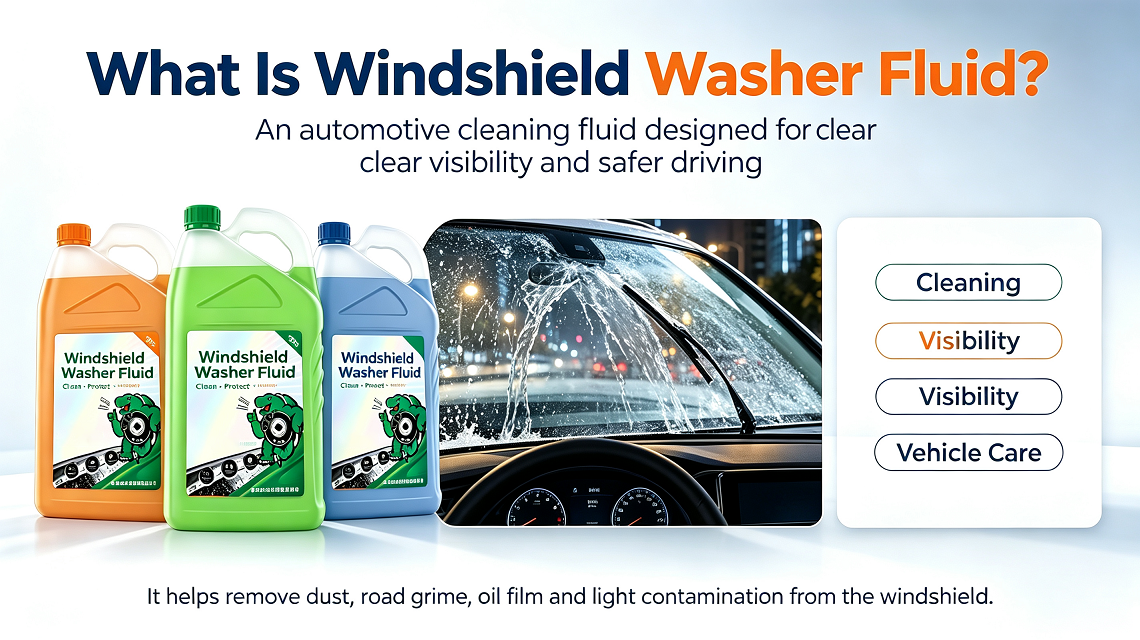
1. What Is Windshield Washer Fluid, and Why It Matters 2. What’s in Washer Fluid 3. How It Works in the Vehicle 4. Types Buyers Usually Compare 5. Selection Criteria That Actually Matter 6. Common Mistakes 7. Practical Buyer Advice 8. FAQ 9. Next Step for Buyers
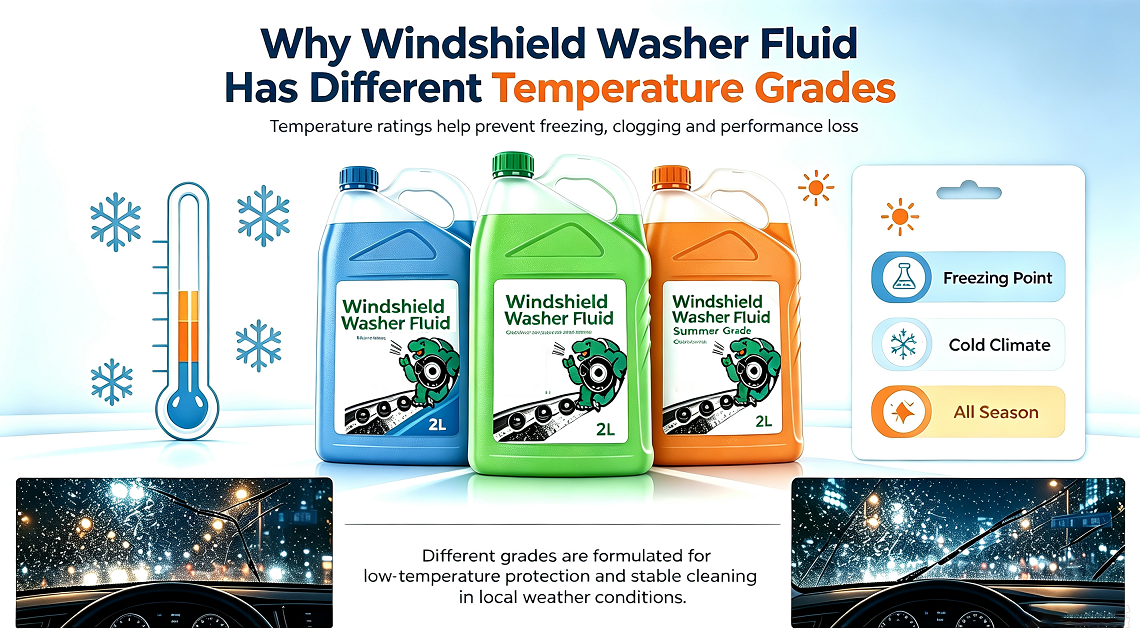
1. Why washer fluid needs different freezing points 2. What the freezing point actually changes 3. Summer and winter formulas are not the same product 4. How to choose the right washer fluid for a fleet 5. Common mistakes buyers make 6. Practical takeaway for sourcing and maintenance teams 7. FAQ
Home
Product
Contact
Inquiry