Automotive Coolant: Why Engine Reliability Depends on Fluid Stability
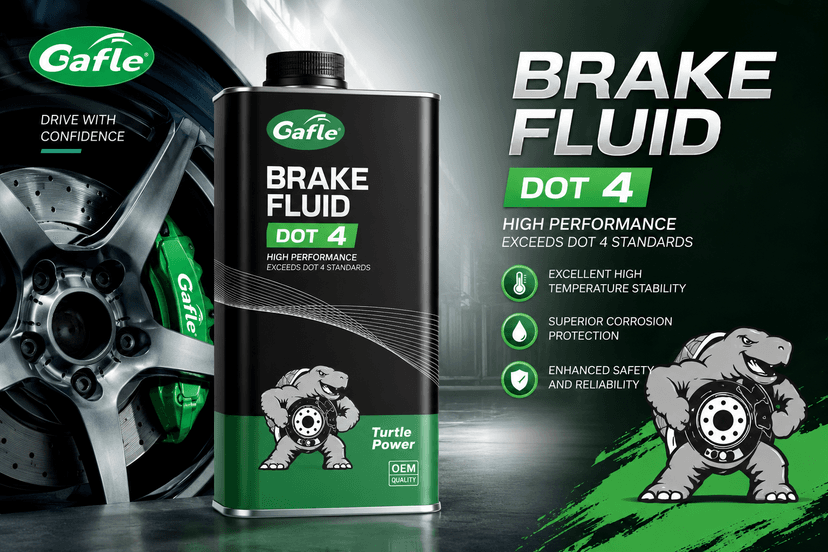
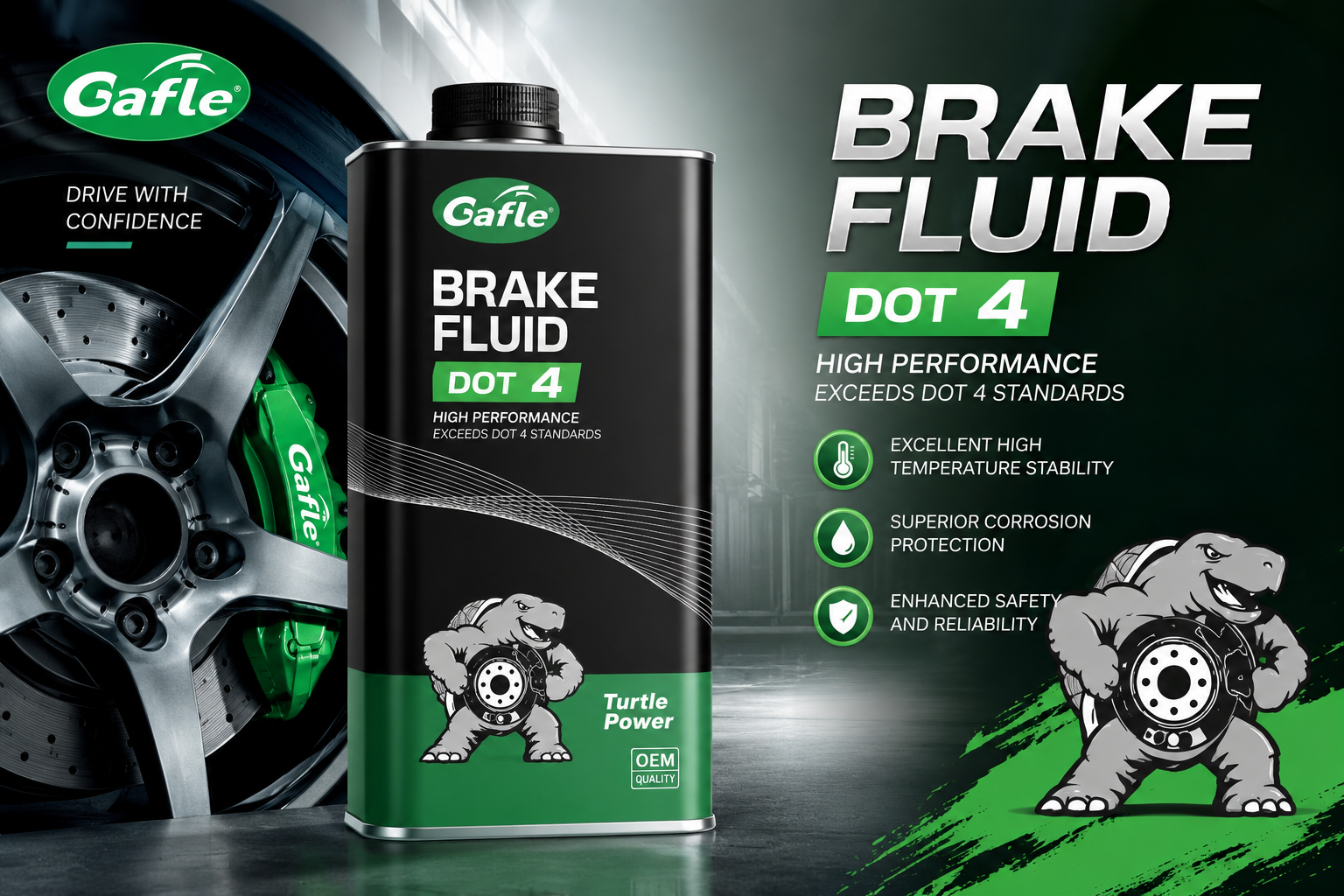
Engine systems are designed to operate within a specific temperature range, but maintaining that balance is not always easy. Overheating, corrosion, and internal wear often occur when coolant loses its effectiveness. In many cases, the issue is not mechanical failure but fluid instability. Just as long life brake fluid ensures consistent braking performance, automotive coolant plays a key role in maintaining engine stability and long-term reliability.
For buyers looking for stable supply and consistent quality, working with an experienced manufacturer like GAFLE ensures dependable formulations and export-ready products.
The Real Pain Point: Heat Stress and Coolant Breakdown
Cooling systems operate under continuous thermal pressure.
Heat Accumulation
- Engines generate high levels of heat
- Poor coolant reduces heat transfer efficiency
Corrosion Risk
- Internal metal parts react with unstable fluid
- Leads to rust and system damage
Frequent Replacement
- Low-quality coolant degrades quickly
- Increases maintenance frequency and cost
These issues are especially severe in high-temperature regions and heavy-duty applications.
How Automotive Coolant Works in Real Conditions
Automotive coolant is designed to regulate temperature and protect internal components.
Temperature Control
- Raises boiling point to prevent overheating
- Lowers freezing point for cold environments
Corrosion Protection
- Contains additives that protect metal surfaces
System Lubrication
- Helps maintain water pump and seals
A stable coolant formulation ensures consistent performance across different operating environments. If you are expanding your product line, you can review available options through the product page.
Automotive Coolant vs Basic Cooling Fluids
| Factor | Basic Fluid | Automotive Coolant |
|---|---|---|
| Heat Resistance | Limited | High |
| Corrosion Protection | None | Advanced |
| Lifespan | Short | Extended |
| System Cleanliness | Deposit buildup | Cleaner system |
| Maintenance Frequency | High | Reduced |
This comparison highlights why high-quality coolant is essential for long-term engine performance.
How Long Life Brake Fluid and Automotive Coolant Work Together
Vehicle performance depends on multiple fluid systems working together.
System Balance
- Cooling system manages engine temperature
- long life brake fluid ensures braking consistency
Reduced Maintenance
- Both fluids extend service intervals
- Lower total operating cost
Consistent Performance
- Stable operation across extreme environments
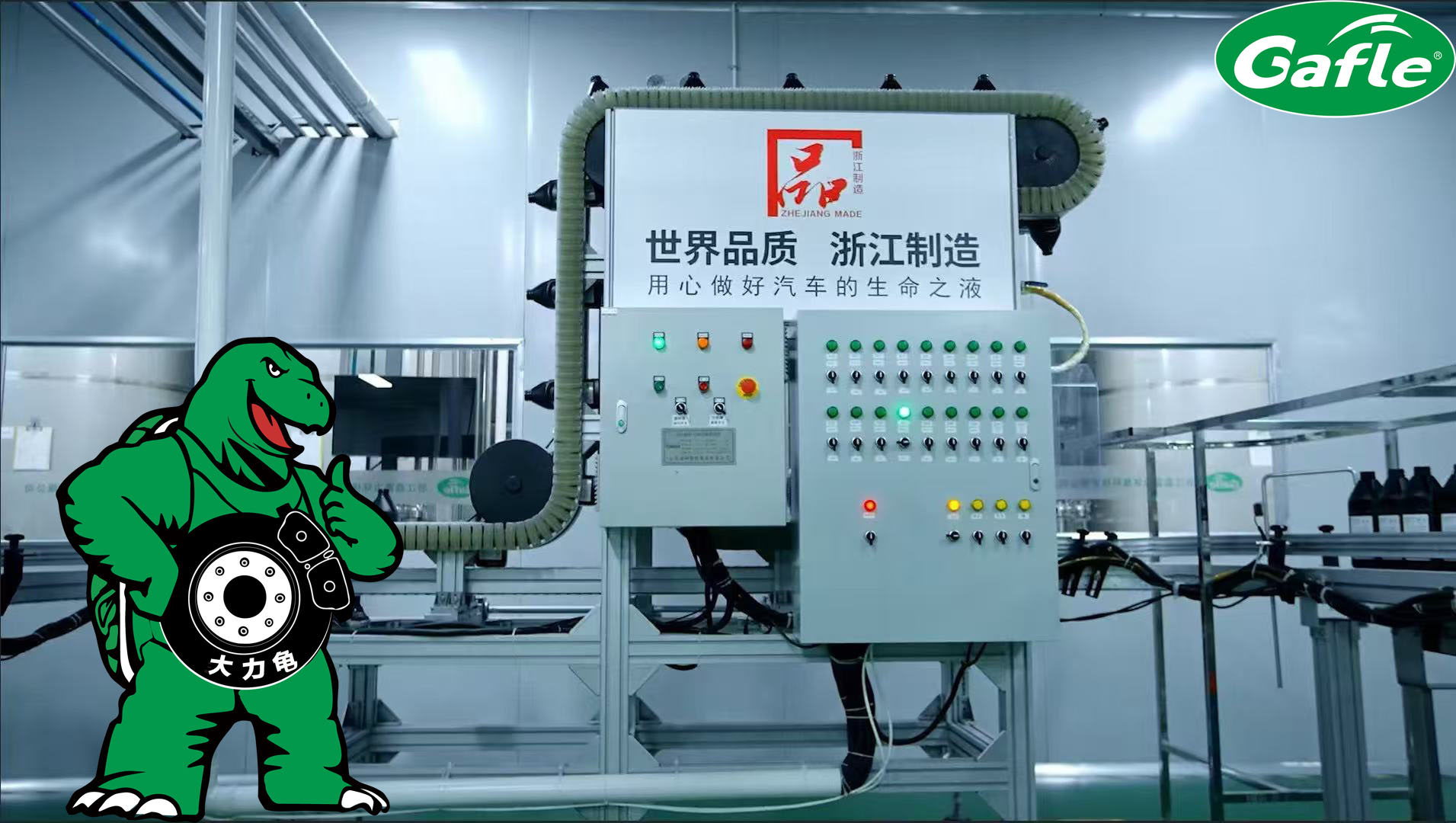
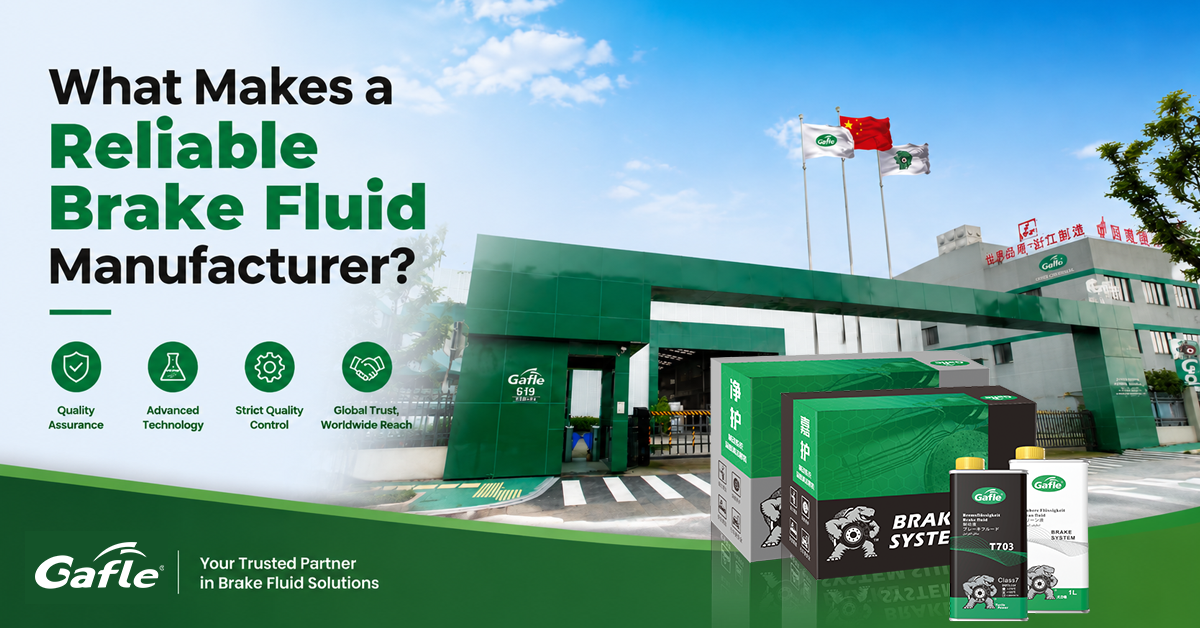
Manufacturers with integrated production and quality control, as shown on the About Us page, are better equipped to deliver consistent results across both product lines.
Key Advantages for Distributors and Buyers
Extended Service Life
High-quality automotive coolant reduces replacement frequency.
Strong Market Demand
Cooling system products are essential across all vehicle categories.
OEM & Private Label Support
- Custom packaging
- Market-specific formulations
- Branding flexibility
Reliable Supply
Consistent production ensures stable performance across batches. For tailored solutions or OEM inquiries, you can directly contact the team for detailed support.
Where Automotive Coolant Performs Best
High Temperature Regions
- Middle East, Africa, Southeast Asia
Commercial Vehicles
- Trucks and logistics fleets
Urban Driving
- Stop-and-go traffic generates continuous heat
Industrial Applications
- Machinery and equipment cooling
Selection Guidelines for Buyers
Temperature Range
- Stable boiling and freezing points
- Suitable for extreme conditions
Corrosion Protection
- Anti-rust additives
- Long-term system protection
Supplier Capability
- Consistent formulation
- OEM customization
- Export experience
Packaging Options
- Retail bottles and bulk containers
Frequently Asked Questions
Q1: How often should automotive coolant be replaced?
A: Typically every 2–5 years depending on formulation and usage conditions.
Q2: Can coolant prevent overheating completely?
A: It significantly improves heat control but depends on proper system maintenance.
Q3: Is coolant necessary in hot climates?
A: Yes, it raises boiling point and prevents overheating under high temperatures.
Final Thoughts on Automotive Coolant and Long-Term Performance
Automotive coolant is a critical factor in maintaining engine stability and preventing costly failures. Without a reliable formulation, overheating and corrosion can quickly damage internal components. When combined with long life brake fluid, it creates a more complete vehicle fluid strategy that improves safety, reduces maintenance frequency, and ensures consistent performance.
If you are looking to expand your product range or secure a reliable supply partner, explore the full range at GAFLE or reach out via the contact page to discuss your specific requirements.