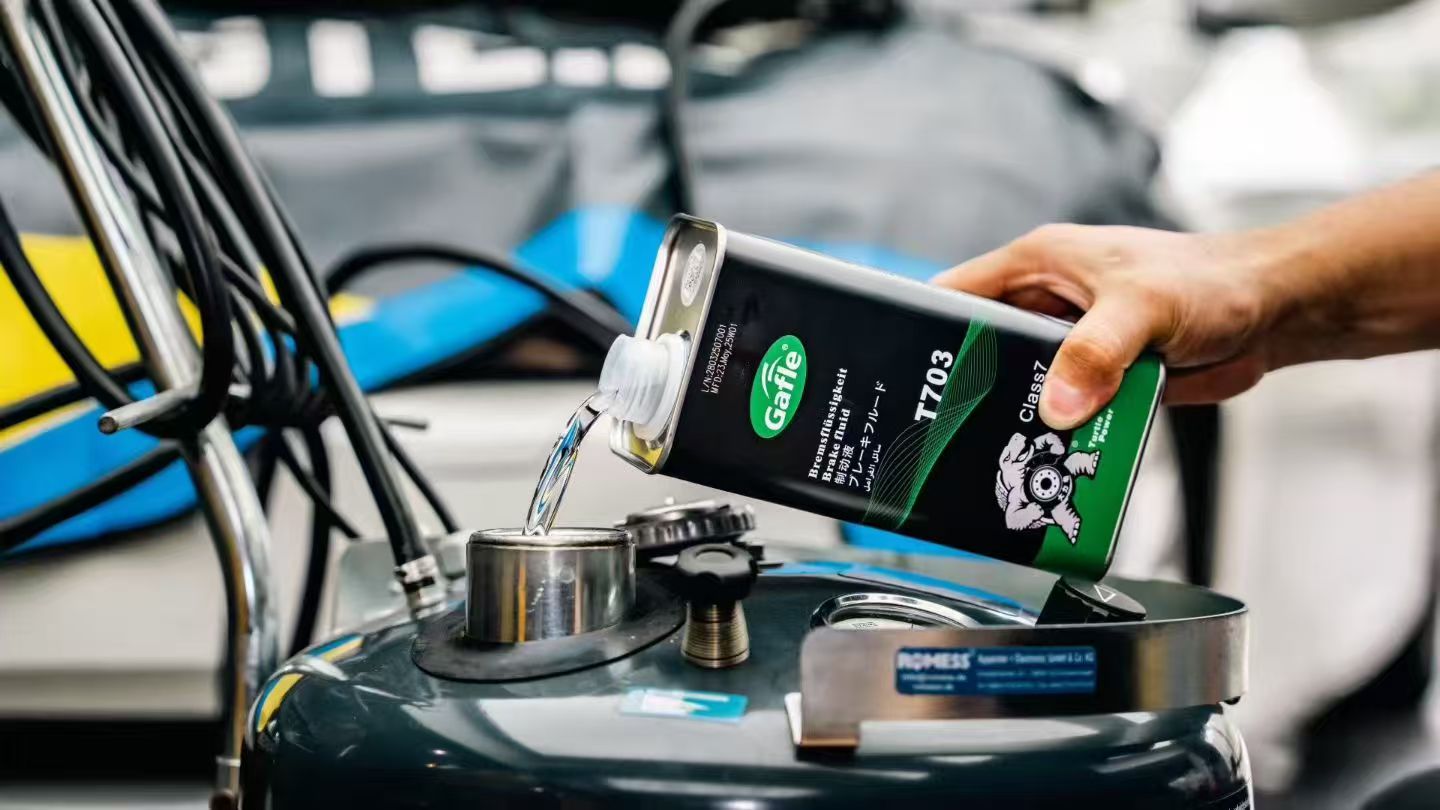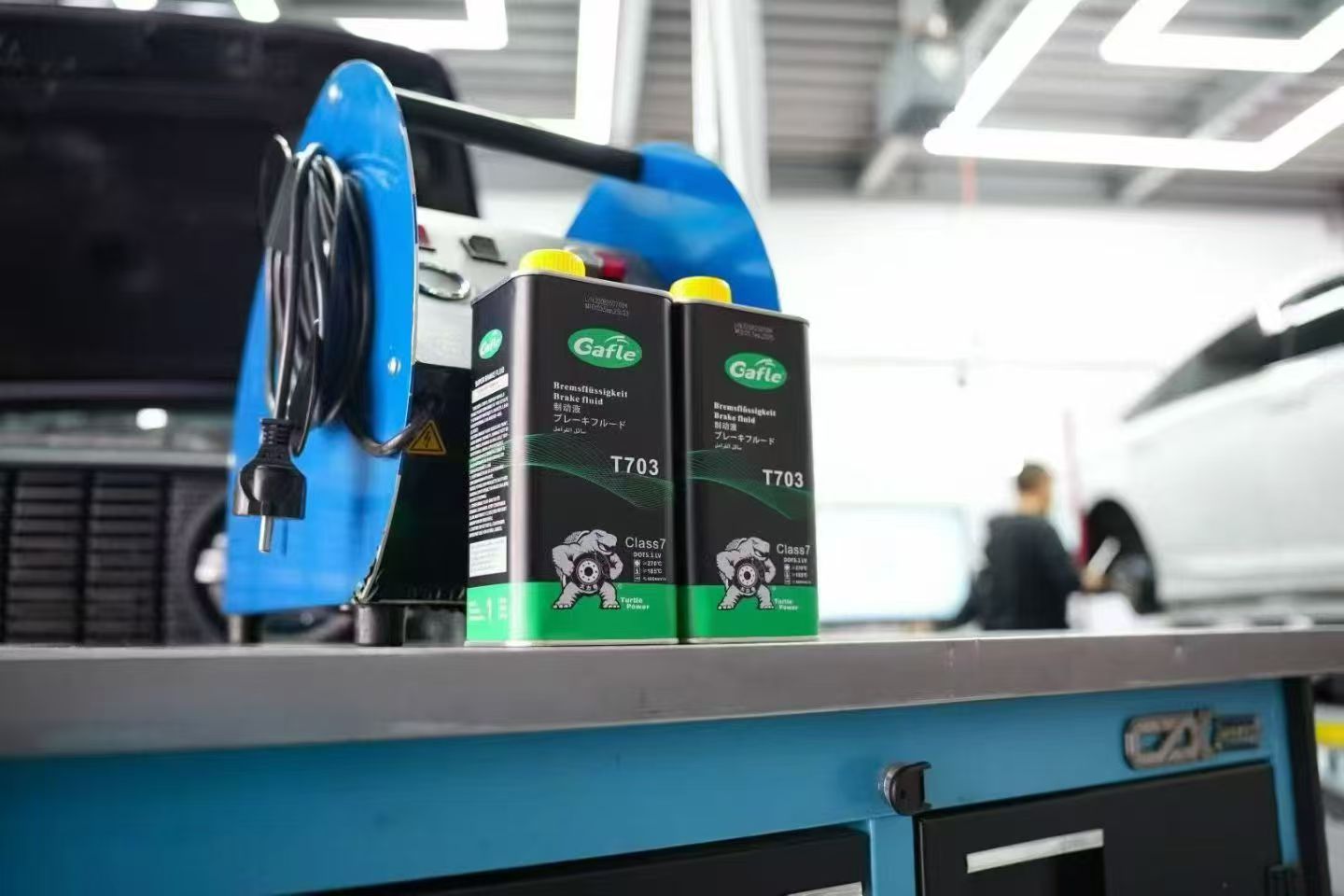
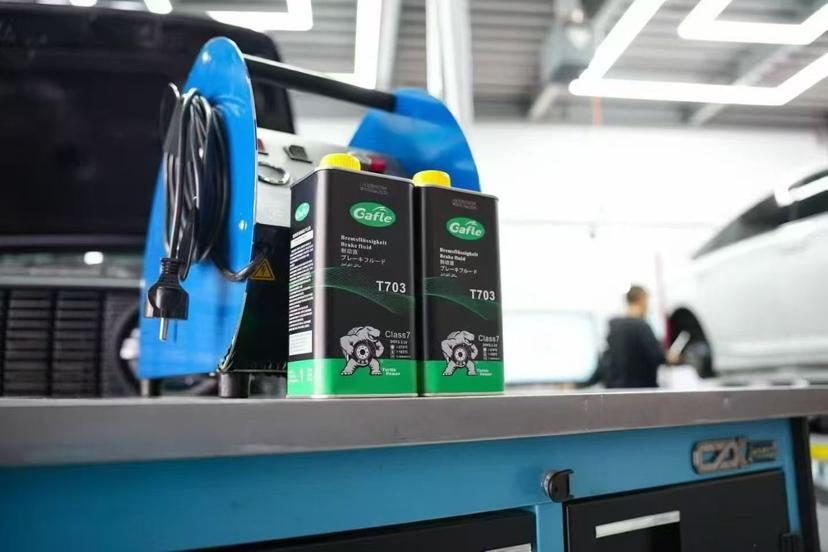
Your vehicle’s braking system is the ultimate safeguard for on-road safety — and brake fluid acts as its vital lifeline. Every press of the brake pedal relies on this essential fluid to deliver precise, responsive stopping power.
Countless car owners stick to routine maintenance schedules, yet one question keeps popping up: Is it safe and practical to replace brake fluid yourself at home?
In this guide, we’ll dive deep into the pros and cons of DIY brake fluid replacement, expose critical safety hazards, and share actionable tips for selecting premium, compliant brake fluid. As a seasoned manufacturer specializing in brake fluid and engine coolant, we’ll also walk you through what defines a reliable automotive fluid brand you can trust.
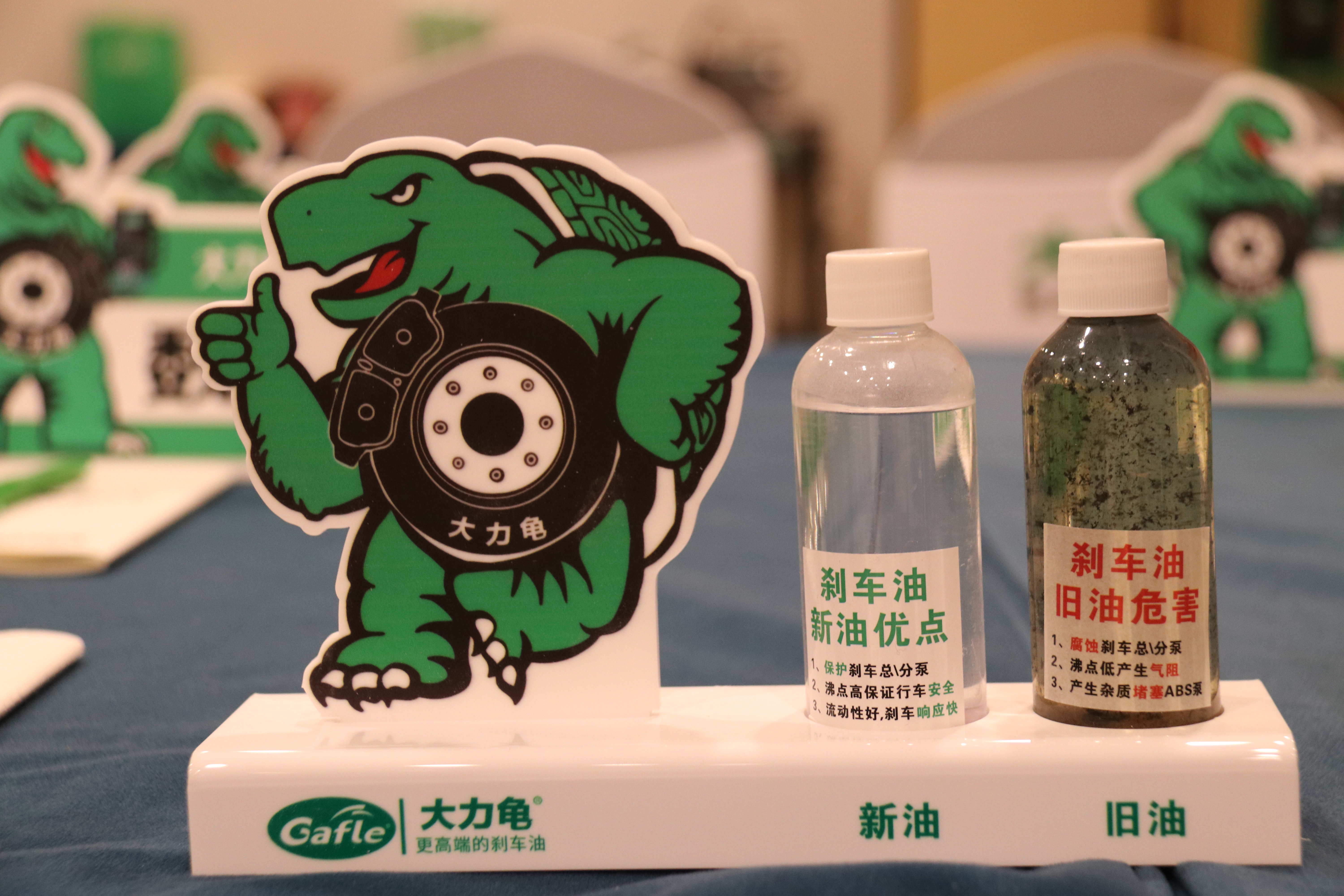
Why Timely Brake Fluid Replacement Is Non-Negotiable
Brake fluid features inherent hygroscopic properties, meaning it continuously absorbs moisture from the surrounding air over time. Combined with natural oxidation during operation, degraded fluid will severely undermine braking performance.
Neglecting regular replacement leads to a spongy brake feel, extended stopping distances, and in extreme scenarios, even partial brake failure. We strongly recommend following your vehicle manufacturer’s official service intervals for brake fluid changes. Routine replacement is a fundamental step to preserve your braking system and protect your driving safety.
DIY Brake Fluid Replacement: Is It Worth the Risk?
Home car maintenance has grown in popularity among vehicle owners looking to cut costs and take charge of their rides. However, brake fluid replacement stands apart from simple tasks like refilling windshield washer fluid or changing engine oil — it demands extreme caution.
1. High Barriers for Tools & Technical Know-How
This maintenance work requires a full set of specialized tools, adequate working space, and solid mechanical expertise. The entire workflow includes draining aged fluid, refilling new fluid, and most crucially, complete air bleeding from the brake lines. Each procedure must be executed in strict sequence with precise operation.
2. Severe Safety Hazards From Improper Operation
- Trapped air in brake lines: This is the most dangerous issue. Residual air inside pipelines drastically reduces braking efficiency, creates a soft brake pedal, and poses a direct threat of traffic accidents.
- Incompatible fluid mixing: Different grades of brake fluid are not interchangeable. Mismatched fluids will corrode internal brake components and cause permanent damage.
- Fluid leakage & component damage: Inexperienced operation often results in fluid leaks and broken brake fittings or pipelines, leading to extra repair costs.
3. Professional Recommendations
- For experienced automotive enthusiasts: If you possess professional skills, complete tools and standard operation knowledge, DIY replacement is feasible. Always follow industry-standard procedures strictly.
- For average car owners: We strongly advise against DIY replacement. To eliminate potential safety risks, entrust this work to certified technicians at professional auto repair shops.
How to Select High-Quality, Reliable Brake Fluid
Whether you opt for DIY service or professional maintenance, choosing qualified brake fluid is always the top priority. Never compromise on quality for a lower price tag.
Premium brake fluid must comply with globally recognized standards, including DOT, AMECA, TUV and SGS. Products without these authoritative certifications fail to meet international performance benchmarks. Inferior brake fluid will erode brake pipelines, accelerate component wear, and drastically shorten the service life of your entire braking system. Always choose fully certified, standard-compliant products for your vehicle.
About GAFLE: Your Dependable Automotive Fluid Partner
Zhejiang GAFLE AUTO CHEMICAL CO.,LTD is a professional manufacturer focusing on the R&D, production and global distribution of brake fluid and engine coolant.
Boasting over 20 years of export experience, we are an official participant in formulating China’s national standards for brake fluid. All our products have passed rigorous testing and obtained SGS, AMECA, TUV and DOT certifications, fully complying with international quality and safety regulations.
We operate the industry’s pioneering clean production workshop domestically, equipped with fully automated production lines, comprehensive precision testing devices and an independent professional R&D laboratory. Every production link, from raw material screening to finished product delivery, is subject to stringent quality control. We uphold stringent manufacturing criteria to deliver stable, safe and long-lasting automotive fluids to partners and vehicle owners across the globe.
Essential Brake Maintenance Tips
- Ordinary drivers are recommended to get brake fluid replaced by professional technicians to avoid operational risks.
- Prioritize brake fluid with complete international certifications; steer clear of uncertified, low-quality products.
- Develop a regular inspection habit: Check brake fluid level and condition periodically, and stick to scheduled replacement.
Conclusion
Road safety hinges on every detail of vehicle maintenance, and brake fluid is never an area to cut corners.
GAFLE will continue to uphold strict quality control and technological innovation, supplying high-performance brake fluid and engine coolant for global clients and car owners alike. If you have any questions about vehicle maintenance or our product range, feel free to leave a comment below. Wishing you safe and smooth travels on every journey!