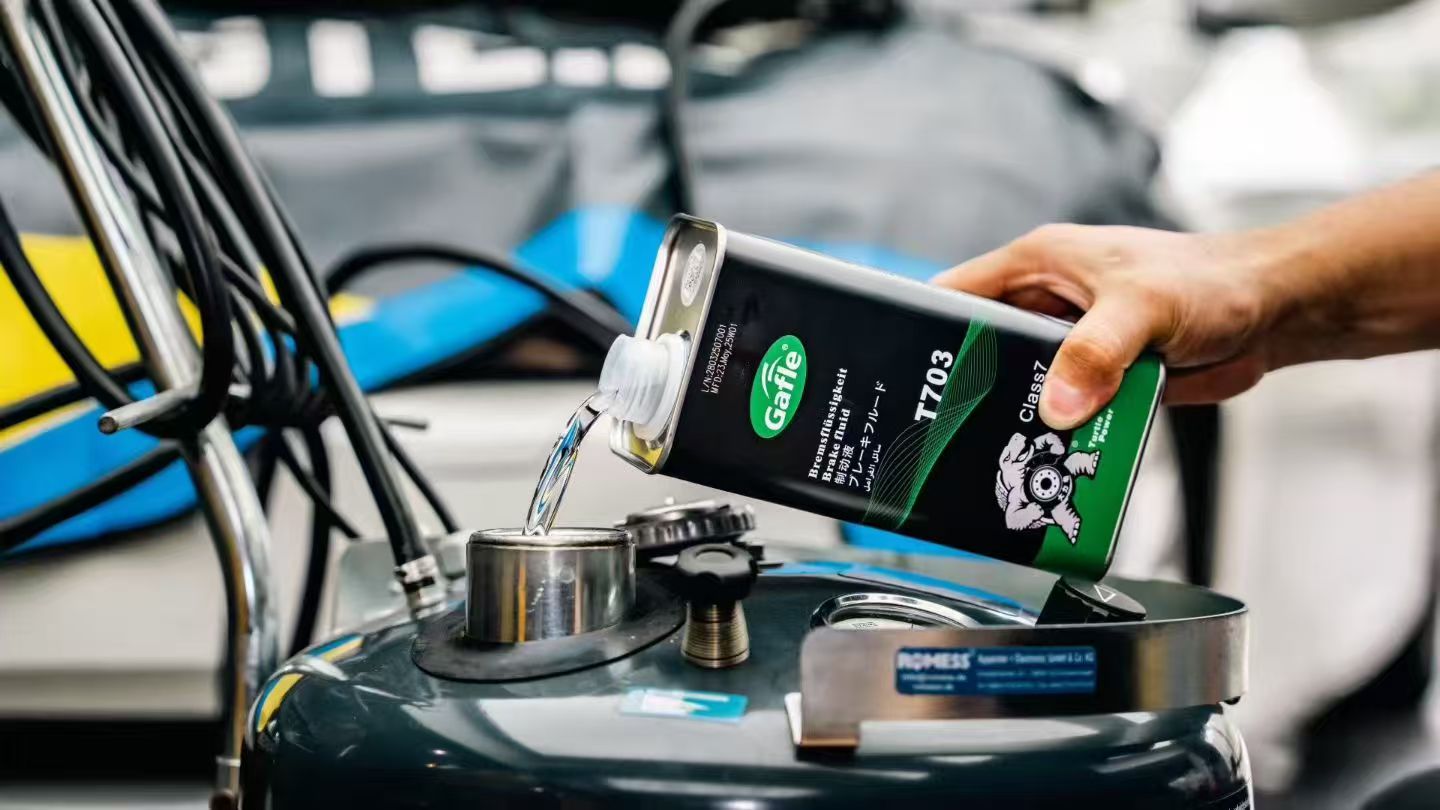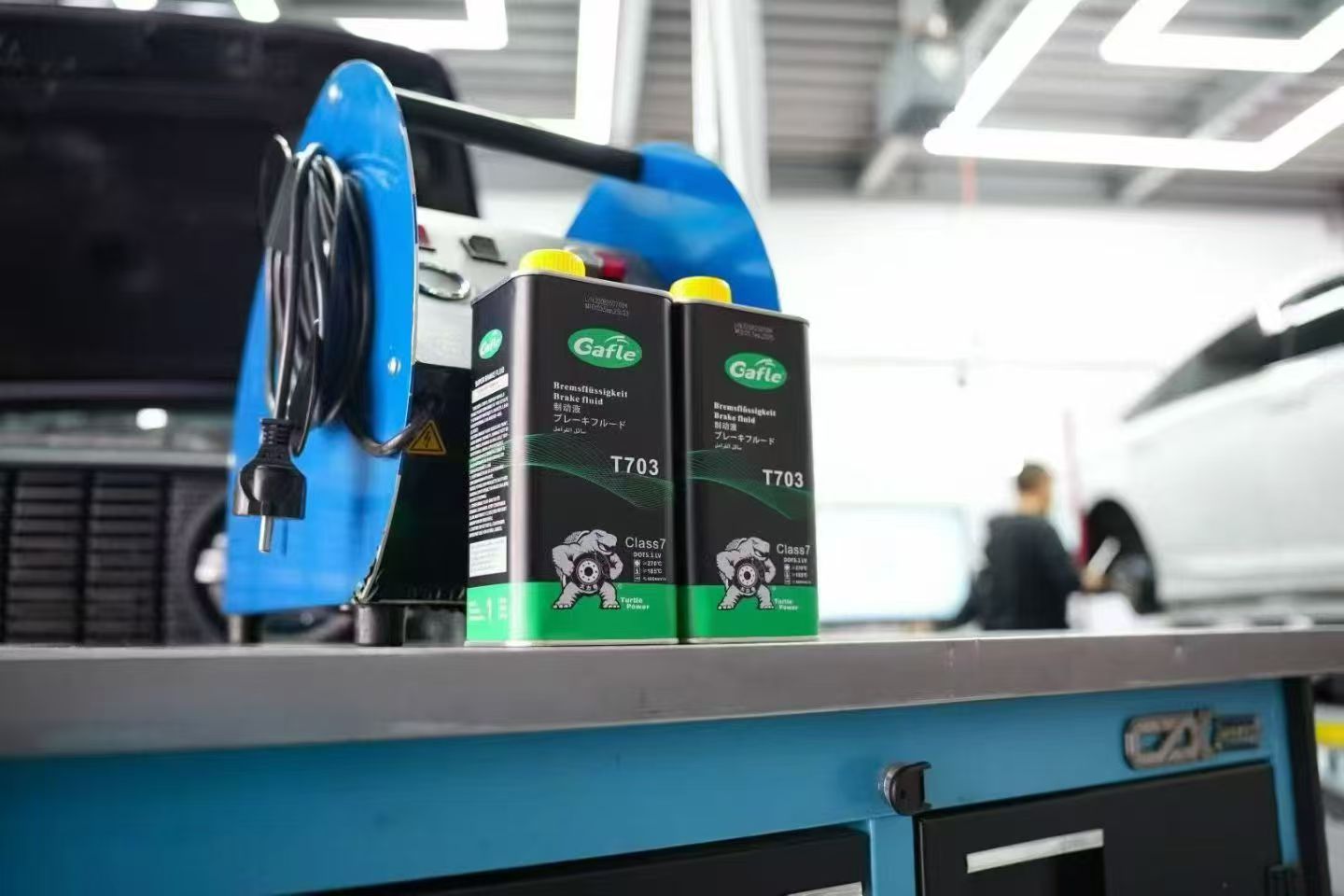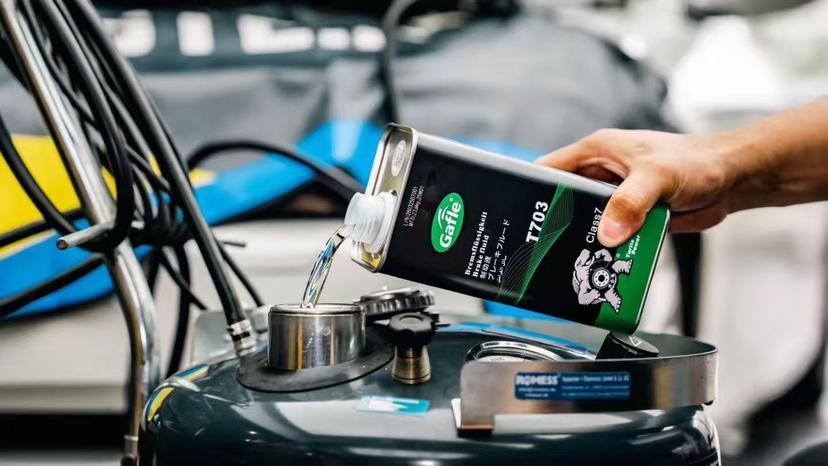
Brake fluid is the backbone of your car’s braking system. It transfers hydraulic pressure to deliver precise, responsive braking, directly determining your on-road safety. Yet most car owners struggle with brake fluid selection: many opt for cheap unbranded products, while others blindly choose high-grade fluid without checking compatibility.
A wrong brake fluid choice can cause soft braking, extended stopping distances, and even permanent damage to brake components. In this concise guide, we break down simple, professional rules to help you pick the perfect brake fluid for your vehicle.
Basic Brake Fluid Knowledge Every Driver Needs
The biggest trait of brake fluid is hygroscopicity — it absorbs moisture from the air over time. Excess moisture lowers the fluid’s boiling point, leading to brake fade during frequent braking or high-speed driving. Qualified brake fluid must also maintain stable fluidity in cold weather to ensure consistent braking in low temperatures.
Globally, brake fluid is classified by DOT standards (DOT 3, DOT 4, DOT 5.1). Each grade has unique boiling points and performance levels, tailored for different vehicles and driving scenarios. Importantly, a higher grade does not always mean a better fit for your car.
4 Simple Steps to Choose the Perfect Brake Fluid
1. Follow Your Car’s Official Specifications
Your vehicle’s owner manual is the most authoritative reference. Always check the DOT grade and specifications recommended by the automaker. Prioritize factory-matched fluid to guarantee full compatibility with your braking system.
2. Verify Authoritative Global Certifications
Reliable brake fluid must pass strict international quality tests. Look for core certifications including DOT, AMECA, TUV, and SGS. These credentials prove the product meets global safety and performance standards. Never use uncertified brake fluid, as it poses severe hidden safety hazards.
3. Match Fluid to Your Driving Habits
Choose grades based on your daily use scenarios for optimal cost performance and safety:
-
Daily commuter cars: DOT 3 fully meets routine driving needs
-
Highway/heavy-load vehicles: DOT 4 with higher boiling points ensures stable braking
-
Performance cars: DOT 5.1 delivers superior extreme-condition braking performance
4. Never Mix Different Brake Fluid Grades
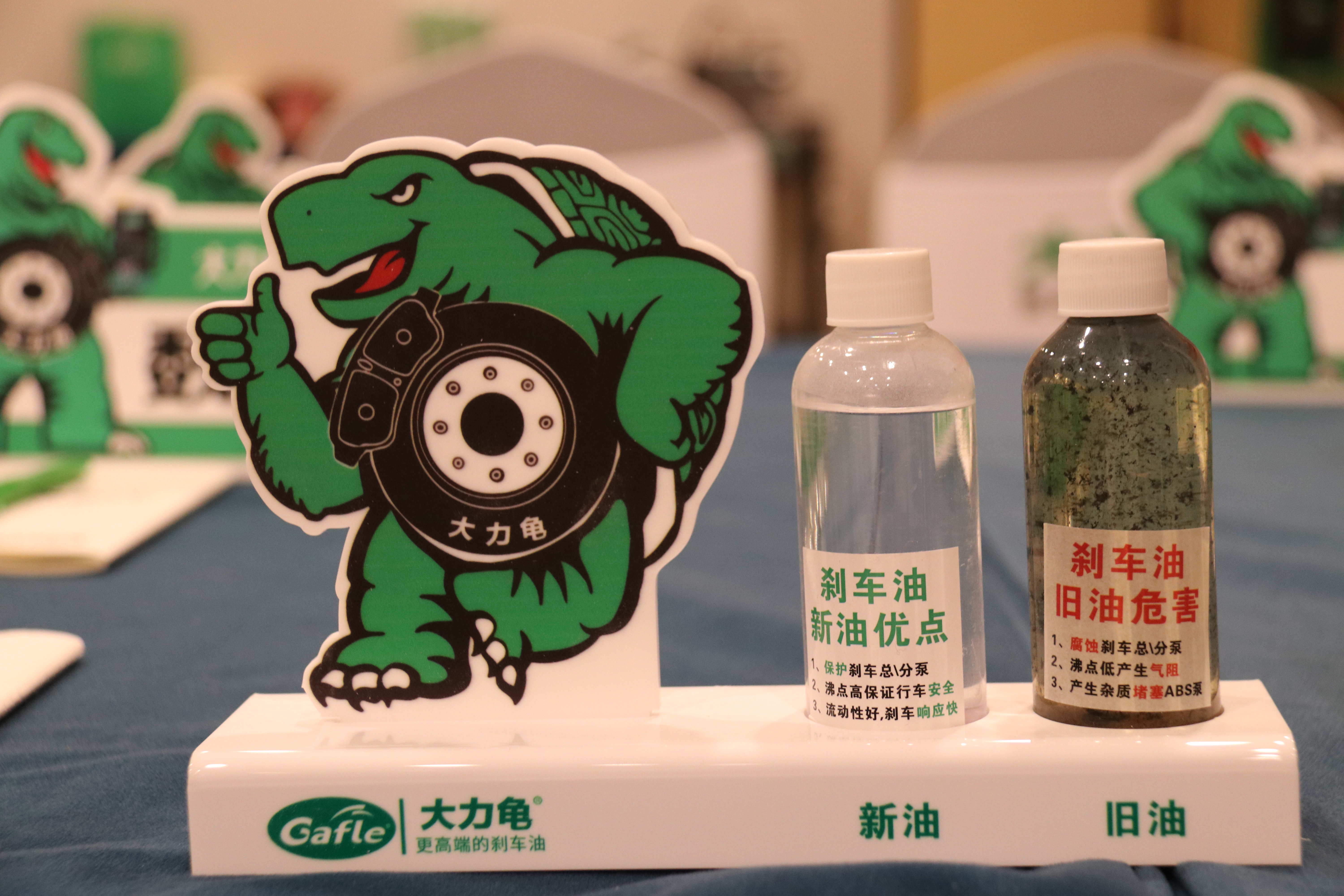
Different DOT-grade brake fluids have distinct chemical formulas. Mixing them triggers chemical reactions, causing pipeline corrosion, seal aging, and brake failure. Always drain all old fluid completely before refilling new fluid.
Common Brake Fluid Buying Mistakes to Avoid
Most brake system failures stem from improper selection. Avoid these three common mistakes:
Chasing low prices: Inferior cheap brake fluid corrodes pipelines and accelerates component aging, leading to costly repairs and safety risks.
Blindly pursuing high grades: Ultra-high-grade fluid is unnecessary for ordinary family cars and brings no extra benefits, only wasted cost.
Ignoring shelf life: Expired brake fluid deteriorates and loses hydraulic stability. Always check the production date before purchase.
Why Choose GAFLE Brake Fluid
Zhejiang GAFLE AUTO CHEMICAL CO.,LTD is a professional manufacturer dedicated exclusively to brake fluid and coolant production and sales. With 20+ years of global export experience, we are a core participant in formulating China’s national brake fluid standards.
All our products are fully certified by DOT, AMECA, TUV, and SGS, complying with international automotive safety standards. We own the domestic industry’s first professional clean workshop, fully automated production lines, precision testing equipment, and an independent R&D laboratory. Every batch of products undergoes strict quality inspection from raw materials to finished delivery.
We offer a full range of DOT-grade brake fluids, covering passenger cars, commercial vehicles, and engineering vehicles worldwide, providing stable, safe, and cost-effective fluid solutions for global users.
Quick Use & Storage Tips
Purchase brake fluid only through official channels or authorized distributors to avoid counterfeits. Seal opened fluid tightly and store it in a cool, dry place. Inspect your brake fluid condition regularly and replace it strictly per the vehicle maintenance cycle.
Conclusion
Brake fluid is a tiny but decisive component for driving safety. The best brake fluid is not the most expensive or highest-grade one, but the most compatible and certified one.
GAFLE adheres to strict quality control standards, providing reliable, internationally certified brake fluid and coolant for global car owners and partners. If you have any questions about brake fluid selection and vehicle maintenance, feel free to leave a comment below!