Why premium brake fluid matters more than most buyers assume
When a workshop or parts buyer looks at premium brake fluid, the conversation should not start and end with the label. It should start with the vehicle’s hydraulic braking system, the temperatures that system sees in service, and the cost of getting fluid selection wrong. Brake fluid is not a cosmetic consumable. It is the medium that transmits pedal force through disc and drum brake circuits, so its stability, moisture resistance, and specification match all matter in real use.
For passenger cars, light trucks, motorcycles, and general service fleets, the most common buying mistake is treating all brake fluids as interchangeable. They are not. DOT grades exist for a reason, and a mismatch can lead to poor pedal feel, boiling under load, or unnecessary service issues. That is why buyers often narrow the decision to DOT 4 brake fluid when the vehicle calling for it needs a balance of thermal stability and everyday road compatibility.
What the product details tell us
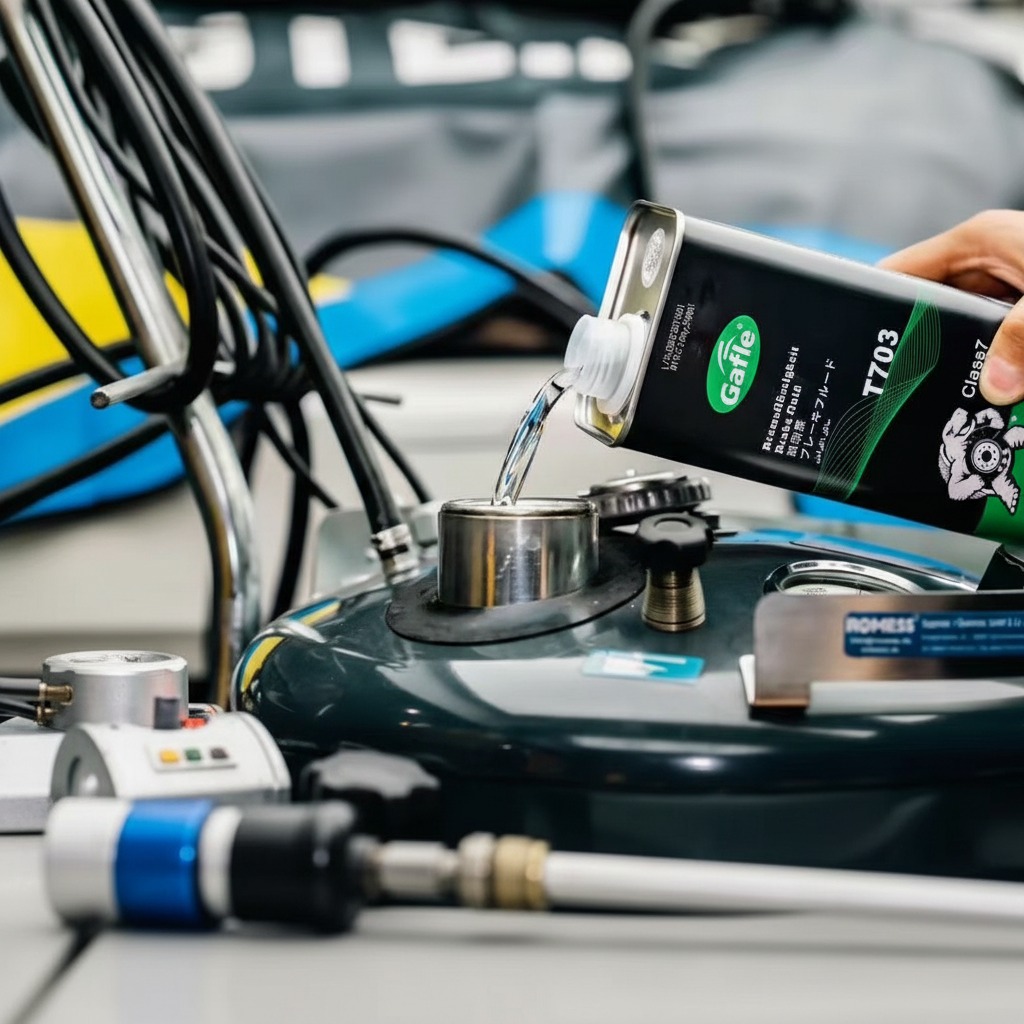
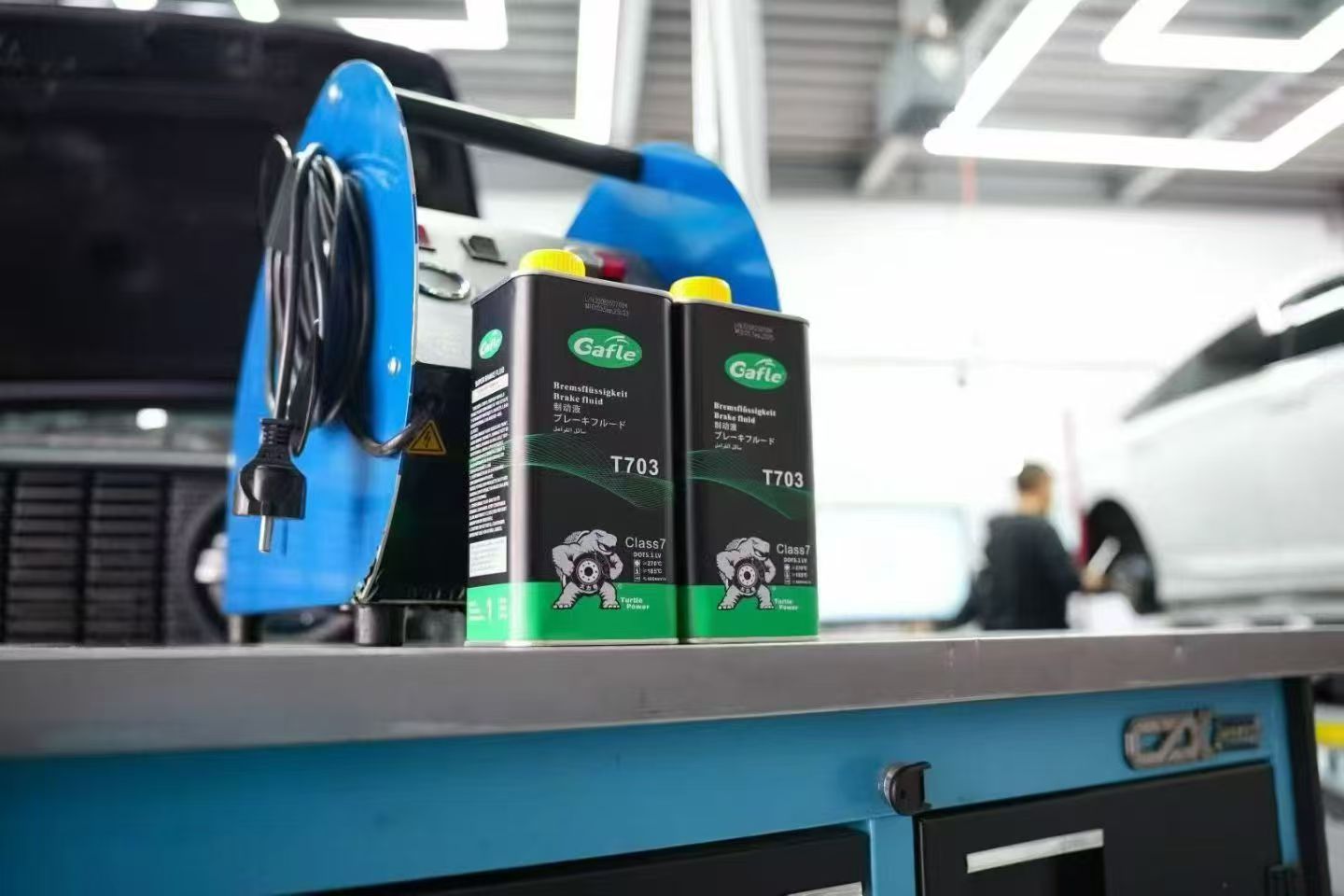
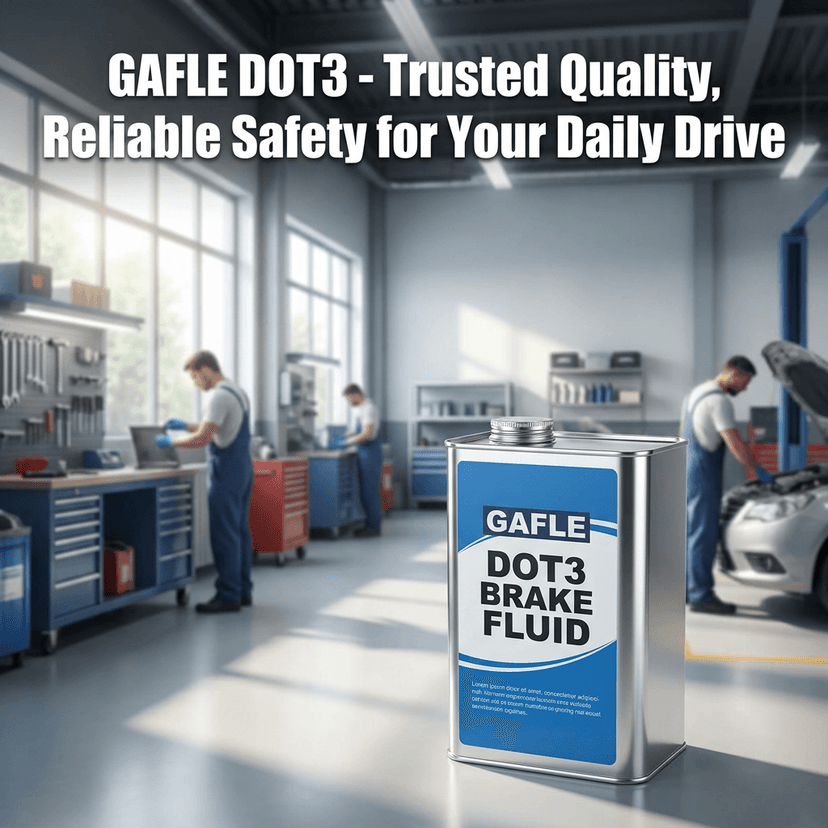
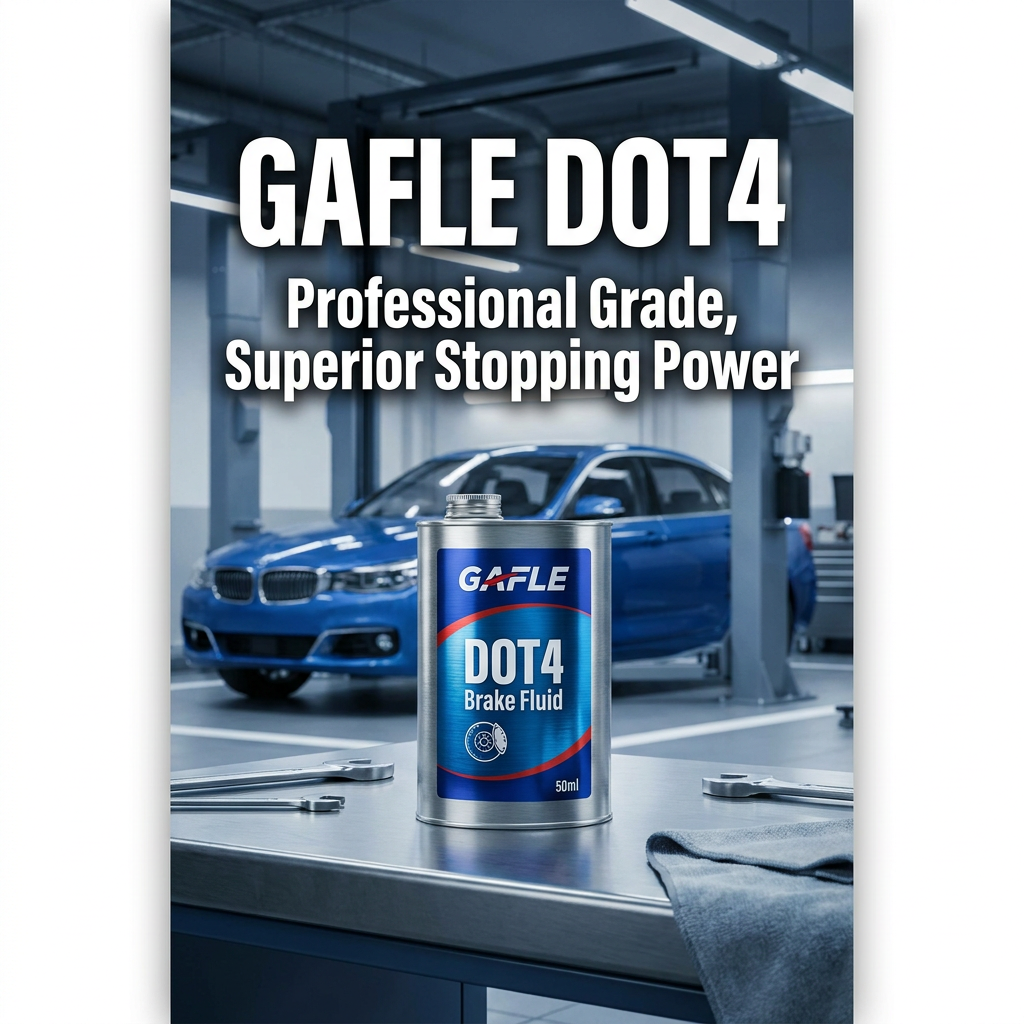
The supplied product information points to a DOT 4 brake fluid marketed for automotive brake systems. One version is shown in a clear plastic bottle with a black screw cap and a 30 ml pack size, with label text emphasizing a high boiling point and consistent performance in varying conditions. Another version is presented in a small metal can with a black cap and label text reading “GAFLE DOT4 Brake Fluid” and “50 ml,” along with a high-performance synthetic formula claim.
Those packaging differences matter less than the core message: this is a DOT 4 fluid intended for top-up, service refill, or maintenance in vehicles that specify DOT 4. The labeling also suggests a product positioned for general road use, where moisture resistance and thermal stability are practical selling points. That said, the exact chemical base, approval list, and boiling point figures are not provided, so buyers should not assume more than the label confirms.
Quick comparison: where DOT 3, DOT 4, DOT 5, and DOT 5.1 fit
For sourcing and service decisions, the DOT family is usually the fastest way to rule products in or out.
DOT 3 brake fluid
Common in older or less demanding brake systems. It may suit some applications, but it is not the default choice where higher thermal margin is needed.
DOT 4 brake fluid
The product shown here. A frequent choice for modern passenger vehicles and service environments where higher boiling resistance is useful.
DOT 5 brake fluid
Distinct from DOT 3 and DOT 4 in chemistry and use case. It should not be treated as a simple upgrade path. Buyers need to verify system compatibility before considering it.
DOT 5.1 brake fluid
Often discussed alongside DOT 4 because it is also used in hydraulic brake systems, but it is not automatically interchangeable in every application. The vehicle specification still controls the decision.
What engineers and buyers should check before ordering
The first check is simple: confirm the vehicle or service document calls for DOT 4 brake fluid. If that is the required class, the next check is packaging size. Small formats such as 30 ml or 50 ml can be convenient for top-up kits, dealer counters, or workshop sampling, but they may be awkward for full flush jobs. A buyer planning maintenance stock should think in terms of consumption patterns, not just unit price.
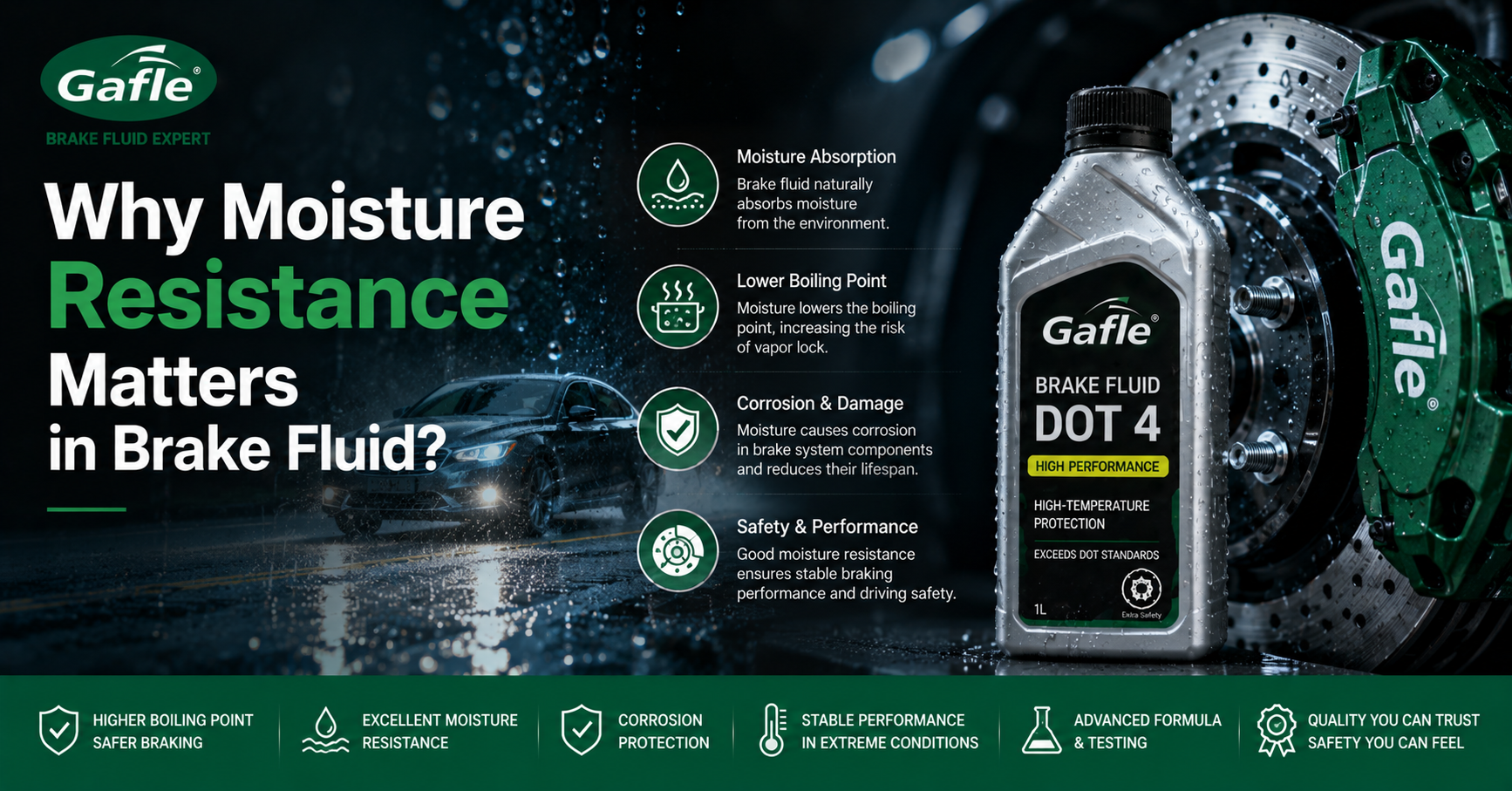
Next, look at the claims that can be verified from the label. “High boiling point,” “synthetic formula,” and “DOT 4” are useful indicators, but they are not a substitute for technical data sheets. If a vehicle has ABS or ESC, or if the application sees repeated high heat, the sourcing team should ask for the real specification sheet rather than rely on marketing language. That is a practical caution, not a legal fine point.
Common mistakes seen in brake fluid purchasing
The most common error is buying by brand impression alone. A neat bottle and strong graphics do not tell you whether the fluid matches the vehicle requirement. The second mistake is treating small package size as proof of premium quality. In reality, 30 ml or 50 ml is simply a pack format; it says nothing about performance beyond what the specification and technical documentation support.
Another frequent issue is mixing fluids without checking compatibility. In a workshop, that can become a messy shortcut. For distributors and sourcing managers, it creates returns and avoidsable customer complaints. It is better to stock fewer, clearly specified brake fluids than to keep a shelf full of loosely differentiated products.
Buyer advice for workshops and distributors
If you are stocking brake fluid for maintenance operations, build the decision around application rather than packaging aesthetics. DOT 4 brake fluid is a sensible inventory choice for many road vehicles because it serves standard brake maintenance needs while still addressing higher-temperature operation better than basic lower-grade options in many cases. Keep documentation handy, especially if you sell into garages that need fast cross-checking at the counter.
For aftermarket distributors, the small bottle and can formats shown here suggest convenience sales, emergency top-up use, and workshop add-on purchase potential. For service shops, they can fit neatly into routine maintenance workflows, though larger-volume packaging may be more practical for fluid replacement jobs.
FAQ: practical questions buyers ask
Is DOT 4 brake fluid a premium brake fluid?
It can be positioned that way in the market, especially when the product emphasizes high boiling point and stable performance. But the real answer depends on the specification and the actual technical data, not the marketing copy alone.
Can I use DOT 4 instead of DOT 3?
Only if the vehicle documentation allows it. Do not assume substitution without checking the system requirement.
Is DOT 5 the same as DOT 4?
No. They are different categories, and compatibility should be verified carefully.
What should I ask the supplier for?
The technical data sheet, packaging size options, and any clear specification statement. If a buyer needs approvals or exact boiling point values, those should be supplied in writing.
Next step for sourcing teams
If you are evaluating premium brake fluid for catalog placement, workshop supply, or private-label discussion, start with the vehicle specification and the package format. The label may say DOT 4, synthetic formula, or high boiling point, but the real buying decision is whether the fluid fits the service need with enough technical clarity to support it. Request the full product sheet, compare pack sizes against your use case, and keep the product line tight enough that technicians can choose quickly without guessing.