The Importance of Export Qualifications in Automotive Chemicals
In the global automotive aftermarket, product quality is only one part of a successful business relationship. International buyers also place significant importance on a supplier's export qualifications, certifications, and compliance capabilities. For automotive chemical products such as brake fluid, coolant, lubricants, and other maintenance fluids, export qualifications serve as a guarantee of reliability, safety, and professionalism.
As international markets continue to evolve, businesses increasingly prefer working with manufacturers that possess the necessary certifications, export experience, and quality management systems. This is especially true when selecting an Automotive Chemicals Exporter or a trusted Brake Fluid Manufacturer.
In this article, we explore why export qualifications matter and how they help manufacturers and buyers succeed in global markets.
What Are Export Qualifications in Automotive Chemicals?
Export qualifications refer to the certifications, regulatory compliance, production capabilities, and international trade experience required for a company to legally and effectively supply products to overseas markets.
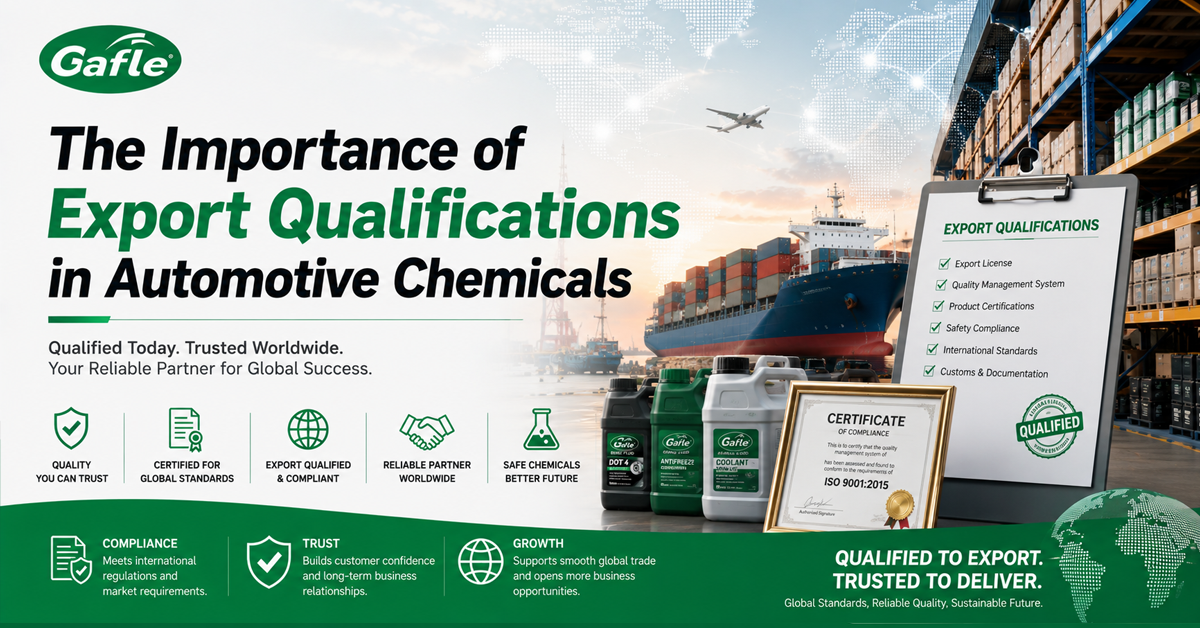
For automotive chemical products, export qualifications typically include:
- Business export licenses
- Product quality certifications
- Manufacturing compliance systems
- International safety standards
- Export documentation capabilities
- Logistics and customs expertise
A professional Export Qualified Brake Fluid Supplier demonstrates its ability to consistently deliver products that meet both domestic and international requirements.
Why Export Qualifications Matter for International Buyers
When purchasing automotive chemicals from overseas suppliers, buyers face several potential risks:
- Product quality inconsistencies
- Regulatory non-compliance
- Customs clearance issues
- Delivery delays
- Brand reputation damage
Choosing a qualified supplier significantly reduces these risks.
Greater Product Confidence
Export-qualified manufacturers operate under controlled production environments and established quality systems.
Reduced Import Risks
Proper certifications and documentation help ensure smooth customs clearance and regulatory compliance.
Stronger Long-Term Partnerships
Qualified suppliers are better equipped to support growing businesses with stable production and reliable service.
For this reason, many buyers prioritize export qualifications when selecting a Global Brake Fluid Supplier.
The Role of Certifications in Automotive Chemical Exports
Certifications serve as evidence that a manufacturer follows recognized quality and safety standards.
Common Automotive Chemical Certifications may include:
Quality Management Certifications
These certifications demonstrate that a manufacturer maintains consistent quality control procedures.
Product Compliance Standards
Brake fluid products should meet applicable industry specifications and performance requirements.
Environmental and Safety Standards
Compliance with environmental and workplace safety regulations reflects responsible manufacturing practices.
Customer-Specific Requirements
Some international customers may require additional testing, inspection reports, or third-party verification.
A manufacturer with strong certification credentials can provide buyers with greater confidence in product quality and reliability.
Why Brake Fluid Manufacturers Need Export Qualifications
Brake fluid is a safety-critical automotive product. Any inconsistency in quality can directly affect braking performance and vehicle safety.
As a professional Brake Fluid Manufacturer, maintaining export qualifications helps ensure:
- Consistent product quality
- Compliance with international regulations
- Reliable export operations
- Strong customer confidence
- Long-term market competitiveness
Export qualifications are not simply administrative requirements—they are an essential part of delivering safe and dependable products to global customers.
How Export Qualifications Support OEM Brake Fluid Manufacturing
The demand for OEM Brake Fluid Manufacturer services continues to grow worldwide.
Automotive brands, distributors, and importers increasingly rely on OEM suppliers to develop customized products under their own labels.
However, OEM customers often have higher expectations regarding:
- Product quality
- Documentation accuracy
- Regulatory compliance
- Production traceability
- Delivery reliability
Manufacturers with strong export qualifications are better positioned to support these requirements.
As a result, export compliance often becomes a key factor when customers evaluate potential OEM partners.
The Connection Between Export Qualifications and Private Label Success
Many businesses entering the automotive aftermarket choose Private Label Brake Fluid solutions to build their own brands.
Launching a successful private-label product requires more than attractive packaging. It also requires confidence in the manufacturer behind the brand.
Export-qualified suppliers provide:
Reliable Product Quality
Consistent manufacturing helps protect brand reputation.
Regulatory Compliance
Products are better prepared to meet import requirements in various markets.
Professional Documentation
Accurate documentation supports smooth international trade operations.
Long-Term Supply Stability
Qualified manufacturers are better equipped to support growing demand.
For private-label customers, supplier qualifications often play a direct role in long-term brand success.
Why Global Markets Demand Qualified Suppliers
As international trade becomes increasingly regulated, buyers are paying closer attention to supplier credentials.
A trusted Global Brake Fluid Supplier must demonstrate:
- Manufacturing expertise
- Product consistency
- International compliance
- Professional export experience
- Reliable logistics support
Customers want suppliers who can provide solutions rather than create complications.
Manufacturers that invest in certifications and export systems are often viewed as more dependable business partners.
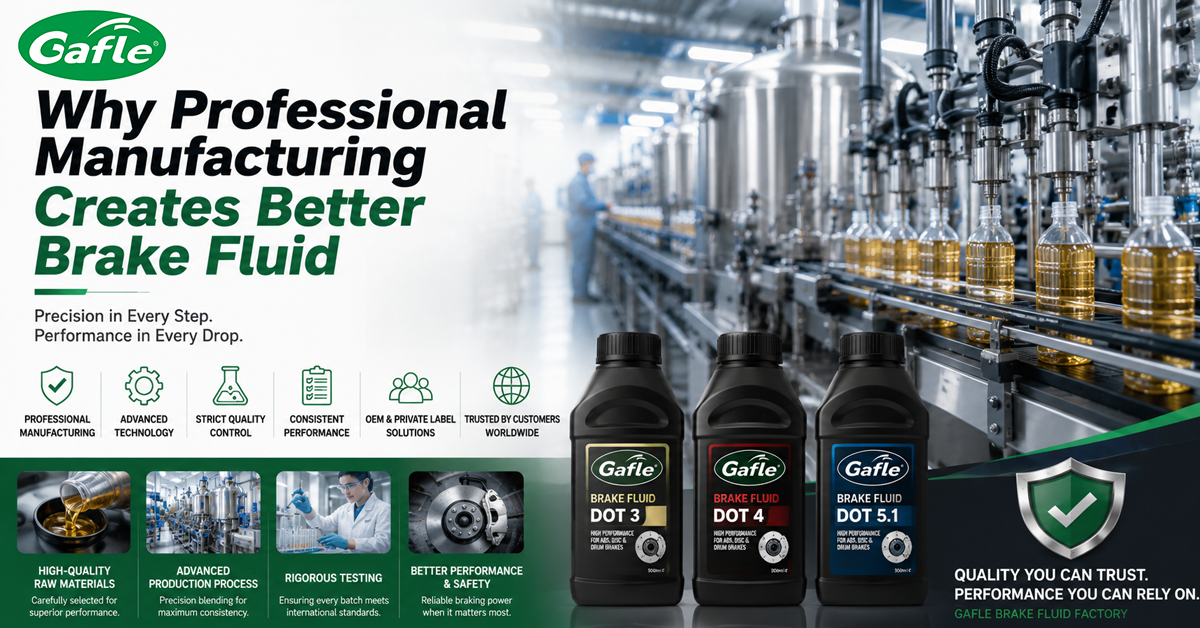
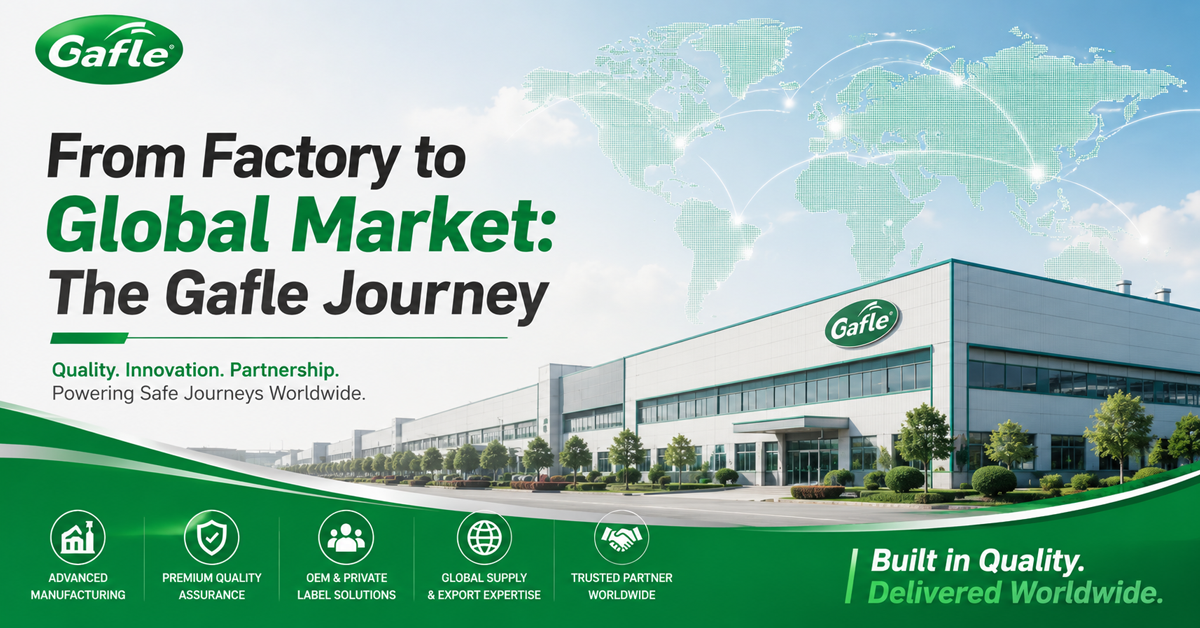
How Gafle Brake Fluid Factory Supports Global Customers
At Gafle Brake Fluid Factory, we understand the importance of quality, compliance, and customer confidence in international markets.
As an experienced Automotive Chemicals Exporter, we continuously invest in:
Quality Management
Strict production and inspection procedures ensure product consistency.
Professional Manufacturing
Advanced equipment and experienced technical teams support reliable production.
Export Support
Our team assists customers with documentation, logistics coordination, and international shipping requirements.
OEM and Private Label Solutions
We help customers develop customized products through flexible manufacturing programs.
Global Partnership Development
We work closely with distributors, wholesalers, importers, and automotive brands around the world.
Our goal is to provide products and services that help customers grow with confidence.
Export Qualifications Help Protect Your Brand
For distributors and brand owners, choosing the right manufacturing partner is a critical decision.
Working with an Export Qualified Brake Fluid Supplier offers several advantages:
- Reduced operational risks
- Improved product reliability
- Better customer satisfaction
- Stronger brand reputation
- Easier market expansion
In competitive automotive markets, these benefits can make a significant difference.
Looking Ahead: The Future of Automotive Chemical Exports
Global automotive markets will continue demanding higher standards for quality, safety, and compliance.
Manufacturers that invest in:
- Advanced production systems
- International certifications
- Regulatory compliance
- Quality improvement
- Customer support
will be best positioned to succeed in the future.
Export qualifications will remain a key factor in building trust and supporting sustainable international growth.
Conclusion
The importance of export qualifications in automotive chemicals extends far beyond regulatory compliance. They demonstrate a manufacturer's commitment to quality, reliability, and customer success.
Whether you are looking for an Automotive Chemicals Exporter, a trusted Brake Fluid Manufacturer, an experienced OEM Brake Fluid Manufacturer, a dependable Global Brake Fluid Supplier, or a partner for Private Label Brake Fluid solutions, export qualifications should be a major consideration in your supplier selection process.
At Gafle Brake Fluid Factory, we believe that strong export capabilities, professional manufacturing standards, and customer-focused service are essential foundations for long-term international partnerships. By maintaining high standards and continuously improving our operations, we strive to help customers succeed in markets around the world.