Importance of Brake Fluid Standards
The importance of brake fluid standards cannot be overstated in the automotive world. These standards ensure that brake fluid, a critical component in any vehicle's braking system, performs reliably under extreme conditions. By adhering to established specifications like DOT 3, DOT 4, and DOT 5.1, manufacturers prevent failures that could lead to accidents. This article explores key aspects of brake fluid standards through a listicle format, highlighting why they matter and how they influence safety and performance.
1. Understanding Brake Fluid Manufacturing and Its Standards
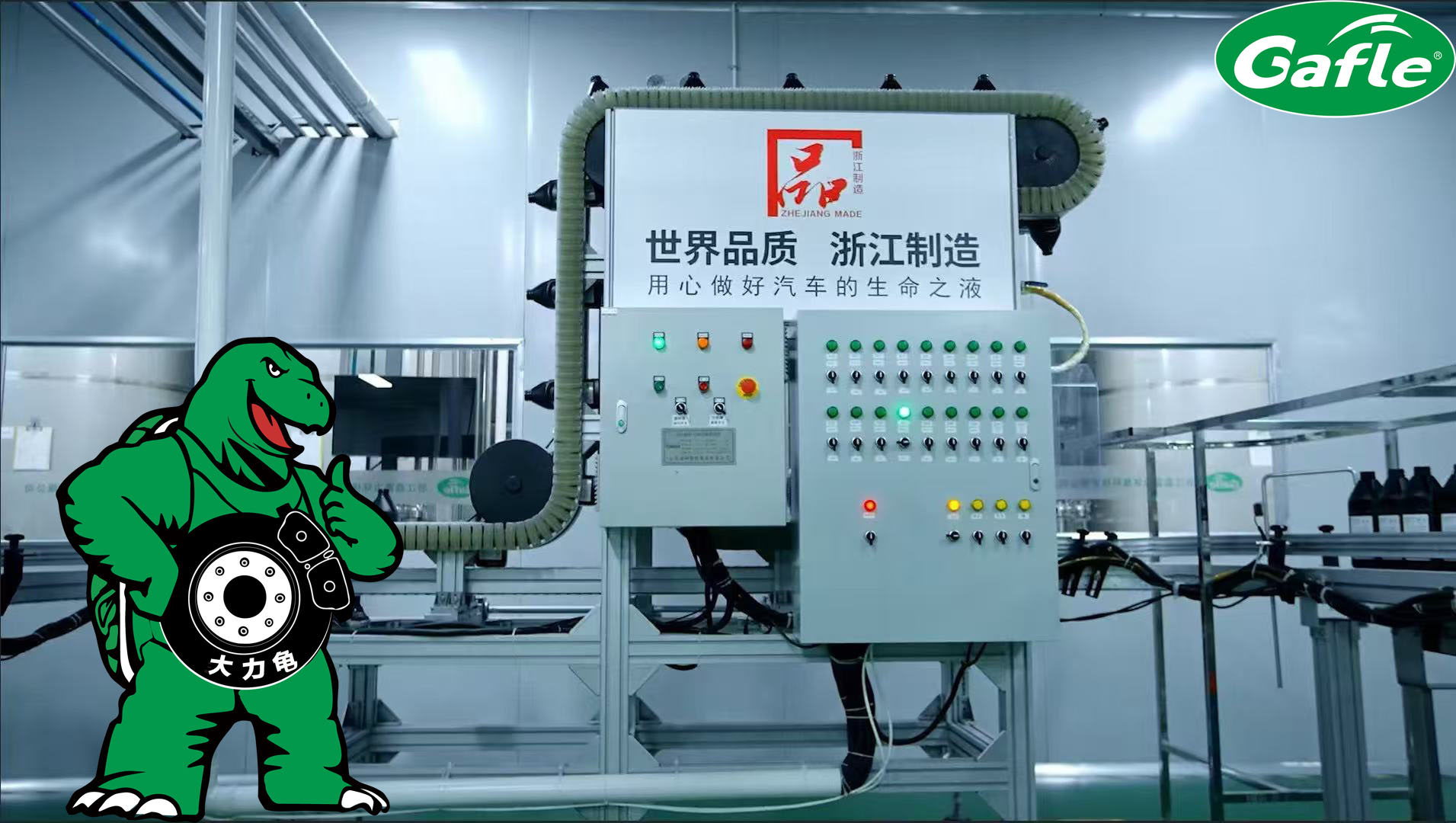
Brake fluid manufacturing is a precise process governed by rigorous standards to guarantee consistency and safety. High-quality brake fluid production involves selecting the right base chemicals, such as glycol-ether for DOT 3 and DOT 4 types, which must meet boiling point requirements to avoid vapor lock during heavy braking. For instance, DOT 4 fluid requires a minimum dry boiling point of 230°C, ensuring it withstands high temperatures without degrading. Factories like Gafle Brake Fluid Factory emphasize compliance with international norms, incorporating automated mixing and filtration to eliminate impurities. This meticulous brake fluid manufacturing not only enhances durability but also reduces corrosion in brake components, extending the lifespan of the entire system. Without these standards, inconsistencies could compromise vehicle control, making manufacturing standards the backbone of reliable braking.
2. How to Ensure Brake Fluid Safety Through Compliance
Ensuring brake fluid safety begins with strict adherence to specifications that dictate chemical composition and performance thresholds. To how to ensure brake fluid safety, always verify that the fluid matches the vehicle's requirements—DOT 3 for standard applications, DOT 4 for demanding conditions like towing, and DOT 5.1 for high-performance needs. Safety is paramount because brake fluid must resist moisture absorption, which lowers its boiling point and risks brake failure. Manufacturers implement quality controls, such as testing for water content below 3%, to maintain efficacy. In practice, using certified fluid prevents issues like spongy pedals or ABS malfunctions. By prioritizing these standards, drivers and mechanics can safeguard lives, as non-compliant fluid could lead to catastrophic breakdowns on the road.
3. The Role of Brake Fluid Performance Testing
Brake fluid performance testing is essential for validating that standards are met in real-world scenarios. This involves simulations of high-heat braking to measure boiling points and viscosity under pressure. For DOT 3, DOT 4, DOT 5.1 specifications, tests ensure the fluid lubricates calipers effectively without foaming or compressing. High-quality brake fluid production includes these rigorous evaluations, often using equipment that mimics emergency stops to confirm no air bubbles form. At facilities like Gafle Brake Fluid Factory, performance testing is ongoing, from initial formulation to final packaging. Such testing reveals weaknesses early, allowing refinements that boost stopping power and responsiveness. Ultimately, thorough testing upholds the importance of brake fluid standards, ensuring every batch delivers peak performance.
4. Why Technical Standards Matter in Brake Fluid Manufacturing
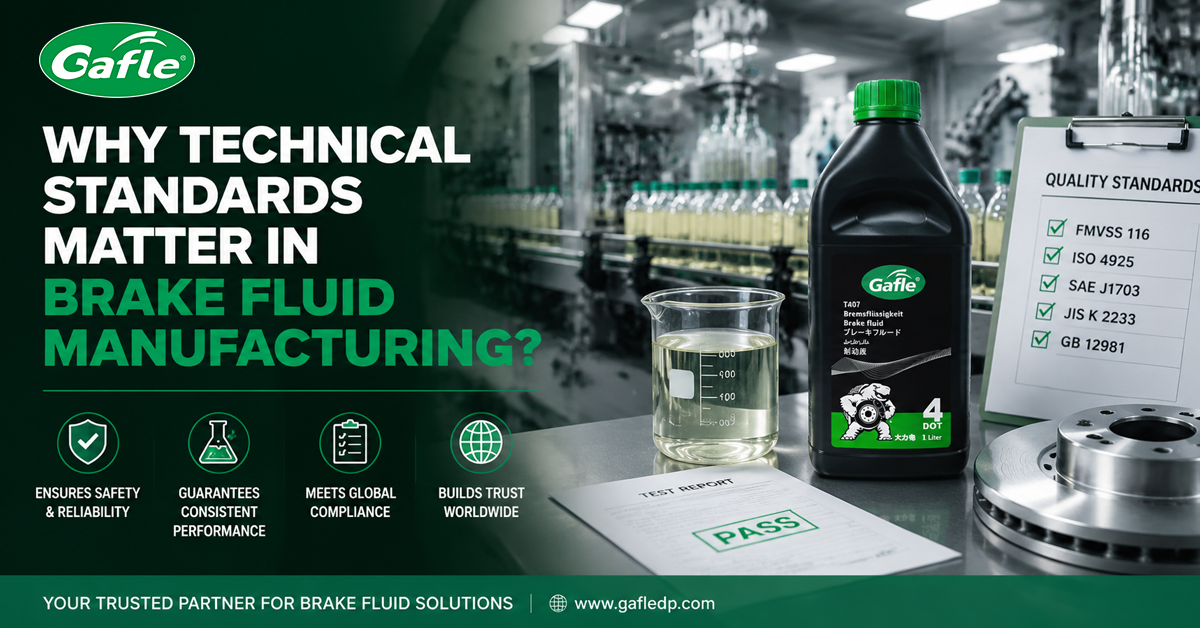
Why technical standards matter in brake fluid manufacturing boils down to their impact on overall vehicle safety and reliability. These standards, set by bodies like the Society of Automotive Engineers (SAE), dictate everything from flash points to compatibility with rubber seals. In high-quality brake fluid production, ignoring them could result in fluid that erodes system parts or fails in cold weather. For DOT 5.1, which is synthetic and glycol-based, standards ensure low viscosity for quick response times. Manufacturers must document compliance, often through ISO certifications, to build trust with consumers. At Gafle Brake Fluid Factory, this focus on standards drives innovation, like developing eco-friendly formulations without sacrificing performance. By embedding technical standards, the industry minimizes risks, promotes longevity, and supports safer driving experiences worldwide.
5. Navigating DOT 3, DOT 4, DOT 5.1 Specifications for Optimal Choice
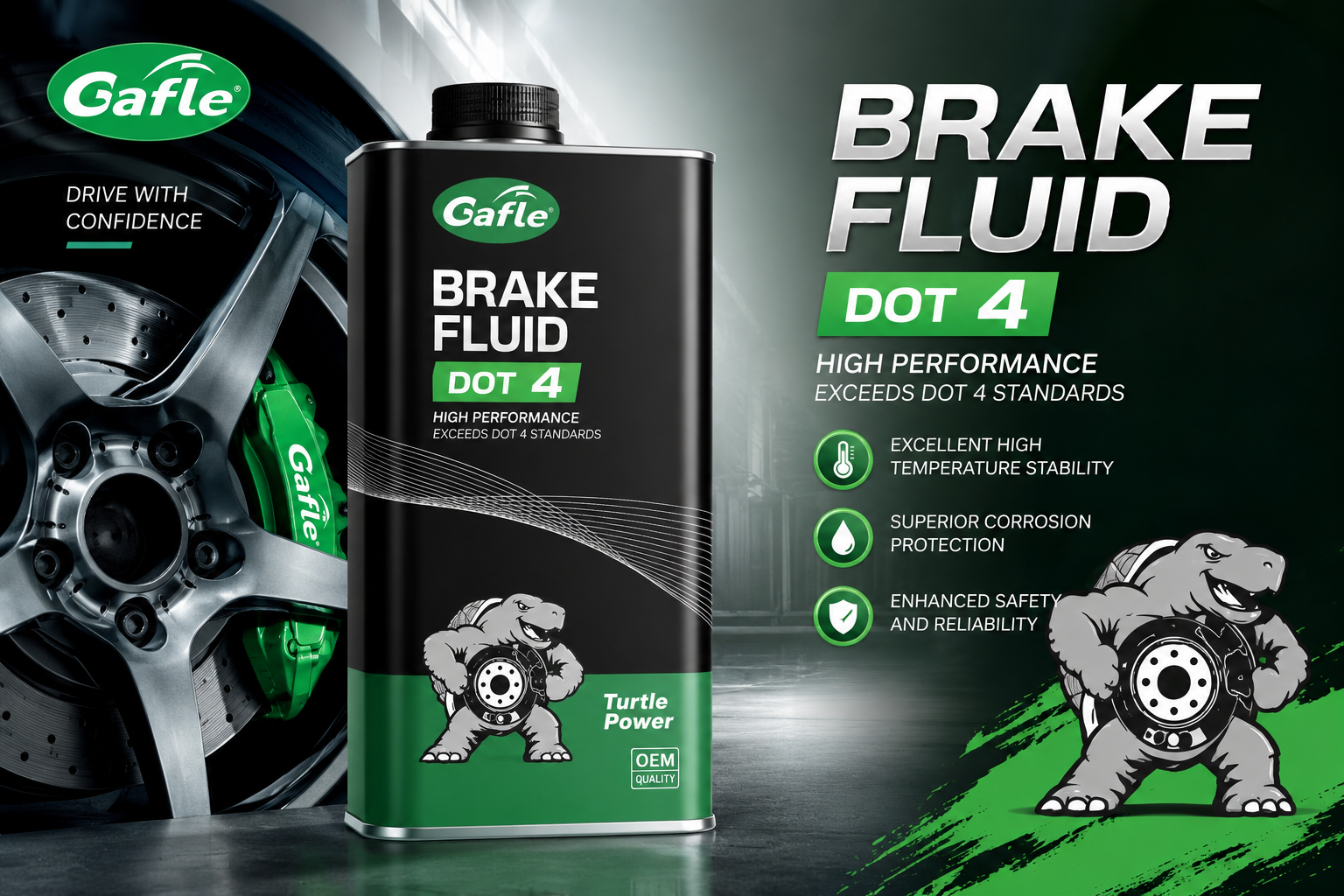
Understanding DOT 3, DOT 4, DOT 5.1 specifications helps users select the right brake fluid for their needs. DOT 3 is affordable and widely used for everyday vehicles, with a dry boiling point of at least 205°C. DOT 4 steps up for heavier use, offering better heat resistance, while DOT 5.1 provides superior performance in extreme conditions, compatible with DOT 3 and 4 systems. These specifications ensure interoperability and prevent mixing errors that could degrade performance. In brake fluid manufacturing, meeting these specs involves precise formulation to balance cost, safety, and efficiency. For those ensuring brake fluid safety, consulting the owner's manual and opting for reputable brands like those from Gafle Brake Fluid Factory guarantees adherence. This knowledge empowers informed decisions, reinforcing the importance of brake fluid standards in maintaining vehicular integrity.