Introduction
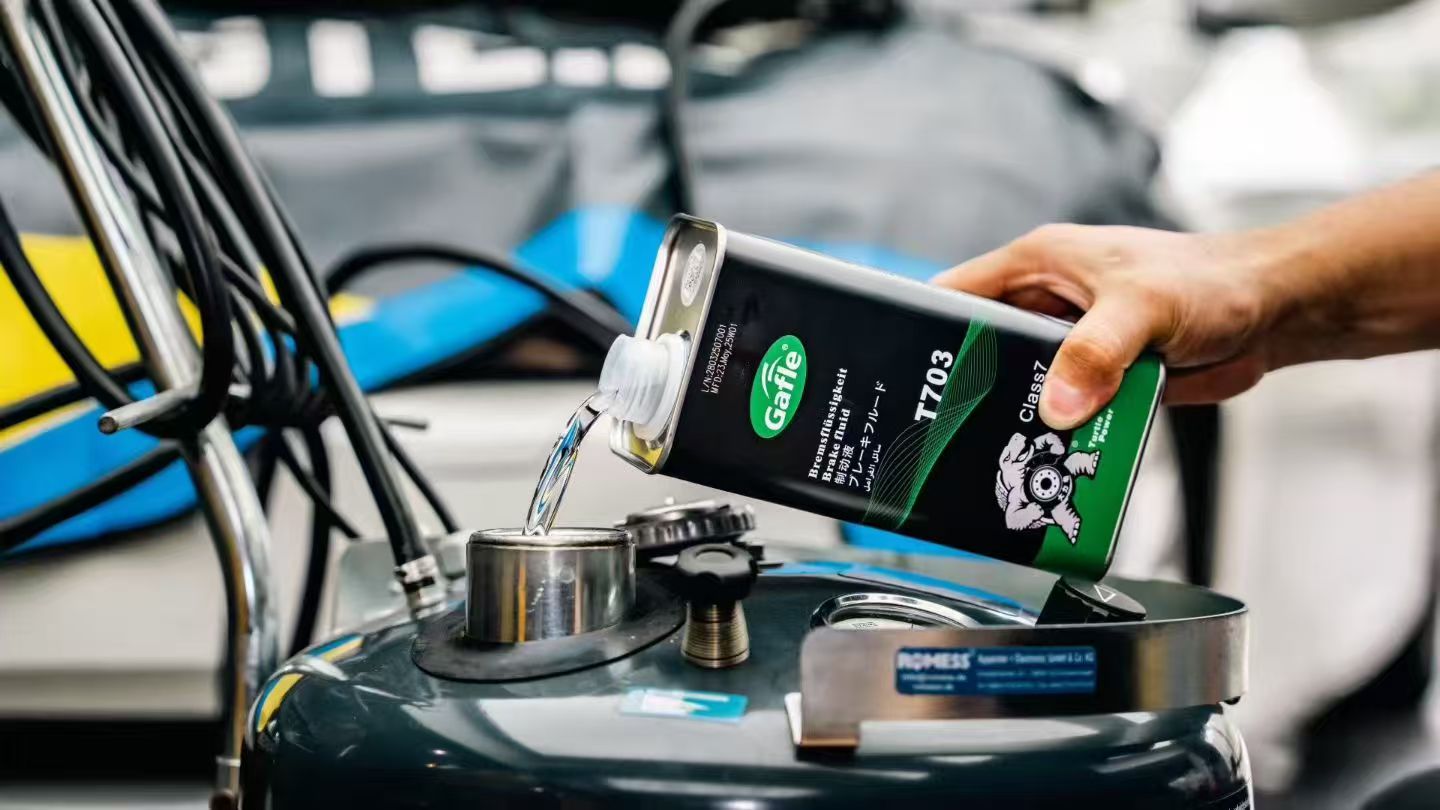
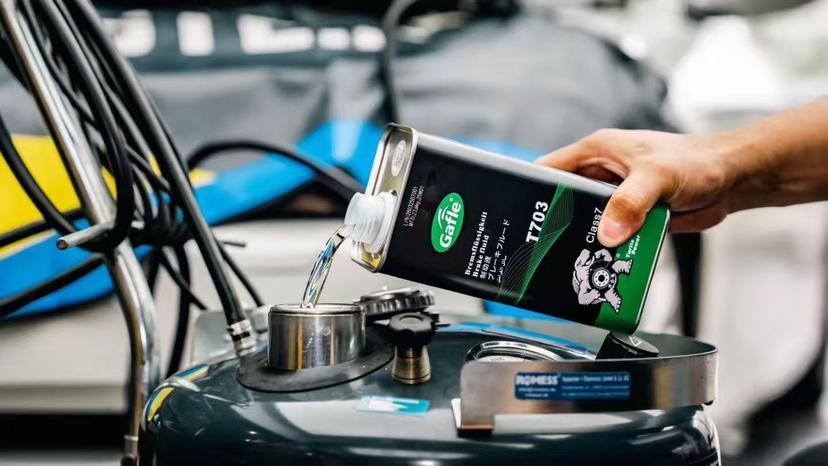
Brake fluid is the invisible lifeline of your vehicle’s braking system. As the core hydraulic transmission medium, it converts brake commands into stable stopping power for driving safety. Most car owners overlook its maintenance, as it does not wear out as visibly as tires or engine oil.
Brake fluid is hygroscopic, meaning it constantly absorbs airborne moisture during use. Long-term water ingress and oxidation degrade braking performance, causing slow response or even brake failure. Mastering simple self-inspection skills helps every car owner avoid potential safety risks.
This article shares four easy, practical ways to check your brake fluid and judge replacement timing. We will also explain why premium brake fluid from a professional manufacturer is essential for long-term braking system protection.
Four Simple Self-Inspection Methods to Judge Brake Fluid Replacement Time
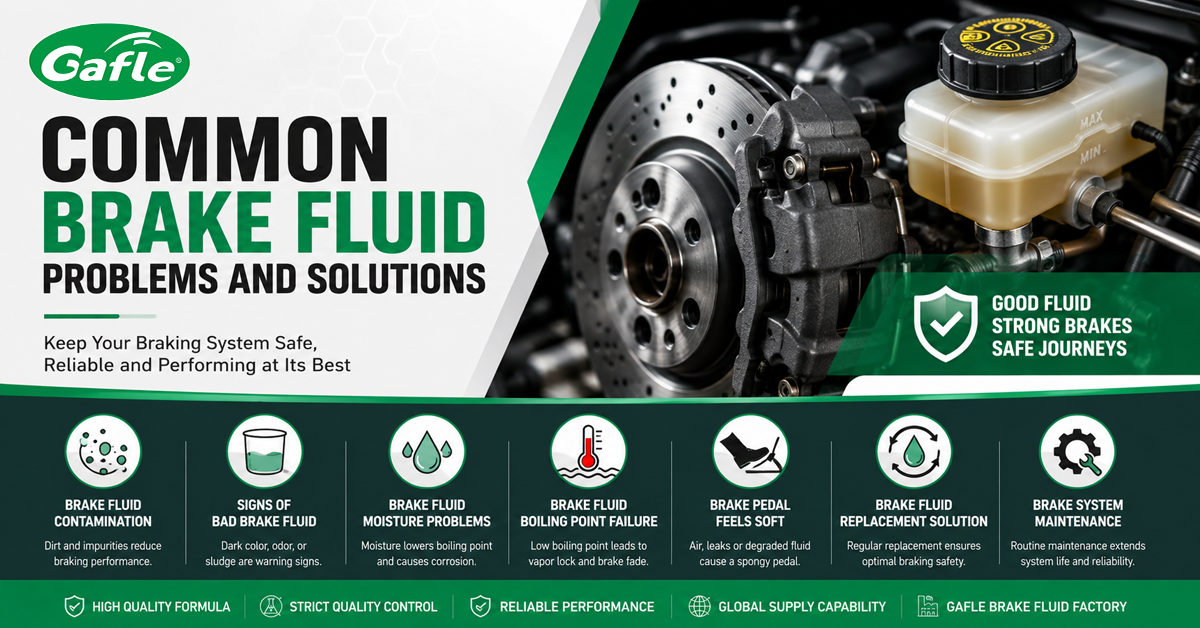
1. Visual Check Color and Purity (The Most Intuitive Method)
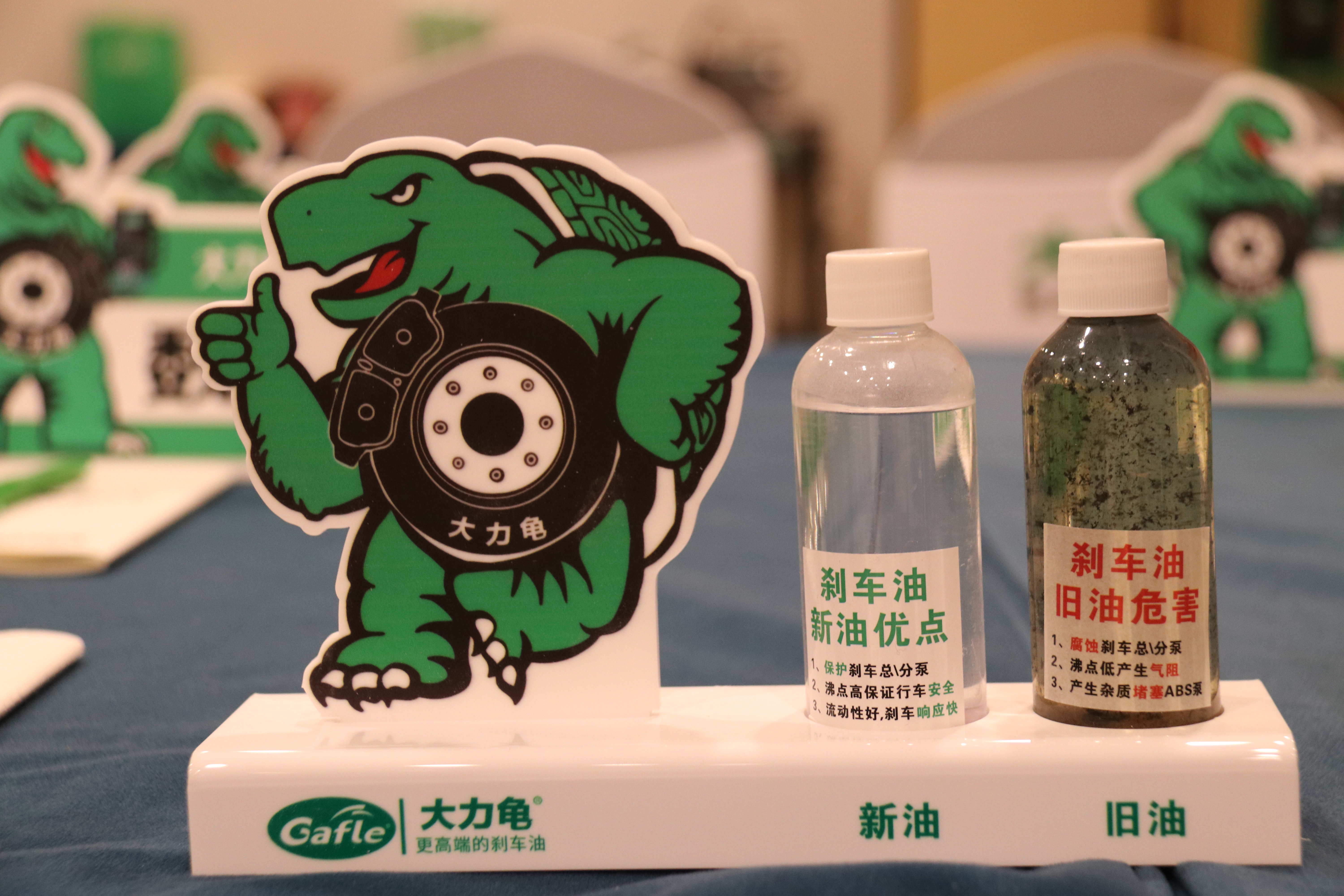
Brand-new, high-quality brake fluid is clear, transparent or pale yellow, with no turbidity, impurities or sediment.
Replace your brake fluid immediately if you notice any of these issues:
-
The fluid turns dark brown or black;
-
The liquid becomes milky and turbid;
-
Visible sediment and dirt appear at the bottom of the oil tank.
These signs indicate severe oxidation and moisture contamination. Delayed replacement will corrode brake pipelines, block hydraulic transmission and reduce braking efficiency.
2. Judge by Brake Pedal Feedback (Practical Driving Test)
Brake pedal feedback directly reflects the working condition of your brake fluid.
Normal state: The brake pedal is firm and sensitive, with fast rebound and stable braking force.
Abnormal warning signs:
-
The pedal feels spongy and soft with an extended travel distance;
-
Braking response is delayed and the stopping distance becomes longer;
-
The braking force is unstable, especially when braking continuously or driving downhill.
These problems stem from excess moisture in brake fluid. Moisture boils under high braking heat and forms air bubbles, creating resistance that disrupts hydraulic transmission and endangers driving safety.
3. Follow the Standard Maintenance Cycle (Basic Safety Guideline)
Brake fluid’s hygroscopic nature causes gradual water absorption and deterioration, even when the vehicle is parked. Following the standard replacement cycle is the most reliable maintenance rule.
Conventional replacement cycle for family cars: Replace every 2 years or 40,000-60,000 kilometers, whichever comes first.
Shortened cycle for special working conditions:
-
Driving in humid, coastal and rainy areas for a long time;
-
Frequent mountain driving, downhill braking and congested road driving;
-
Commercial vehicles such as taxis and delivery cars with high braking frequency.
Key reminder: Invisible dissolved moisture cannot be detected by eyesight. Always replace brake fluid on schedule, even if it looks clean, to avoid hidden hazards.
4. Professional Water Content Detection (The Most Accurate Judgment)
Water content is the core standard for judging brake fluid performance and service life, accurately measured via a professional tester.
-
Water content ≤1%: Safe and normal for use;
-
Water content 1%-3%: Need close observation and prepare for replacement;
-
Water content ≥3%: Must be replaced immediately.
Excess water drastically lowers the fluid’s boiling point. It easily vaporizes and causes vapor lock under high temperatures, triggering sudden brake failure — a major risk for highway and mountain driving.
Why Choose High-Quality Standard Brake Fluid? Know the Strength of GAFLE
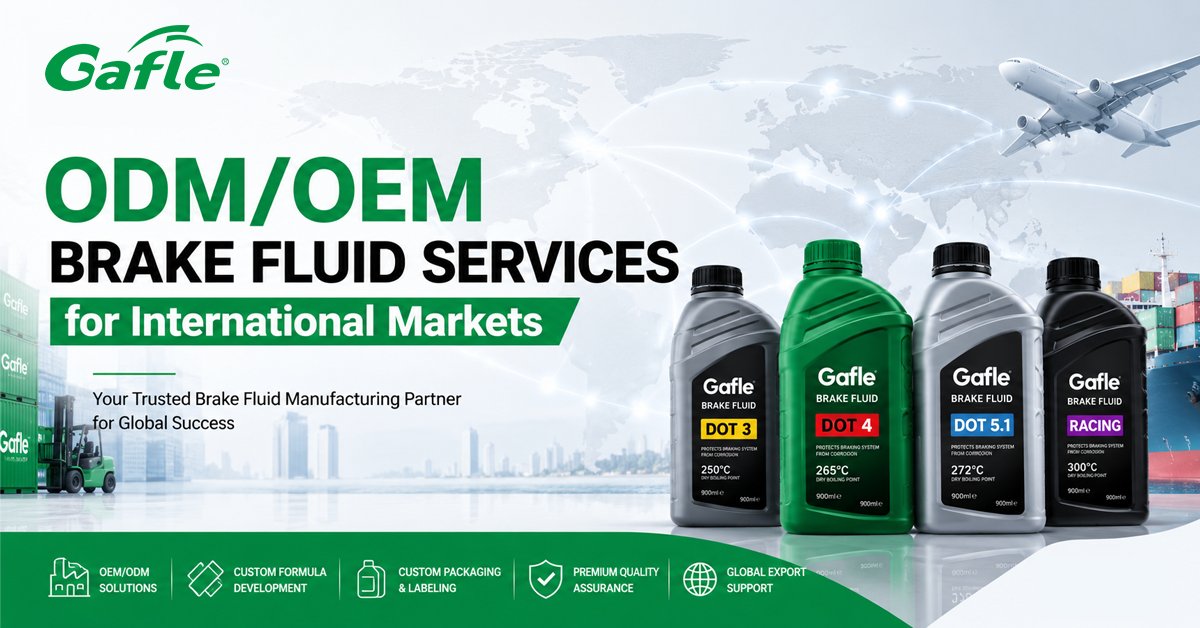
Many car owners only focus on replacement cycles but neglect fluid quality. Stable, high-quality brake fluid is the foundation of braking safety. Zhejiang GAFLE AUTO CHEMICAL CO.,LTD is a professional manufacturer specializing in brake fluid and antifreeze R&D and production, delivering reliable automotive chemical solutions for global users.
20+ Years of Professional Export Experience
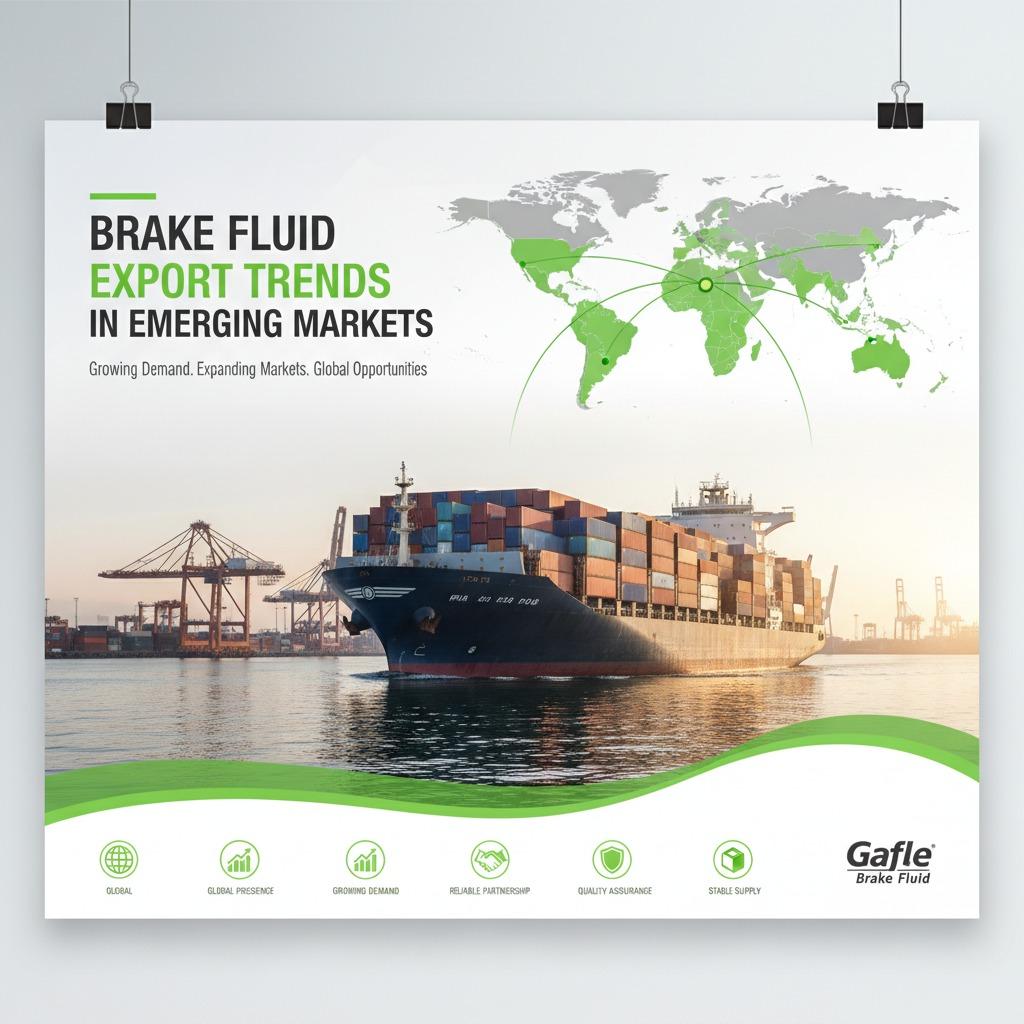
With over 20 years of experience in automotive chemical production and global exports, GAFLE boasts mature technology and rich overseas service experience. Our products are widely recognized across global markets.
Industry Leading Professional Qualification
As a participant in formulating China’s national brake fluid standards, GAFLE holds professional industry influence. All products pass DOT, SGS, AMECA, TUV international certifications, fully complying with global mainstream automotive safety norms.
Top-level Production and R&D Strength
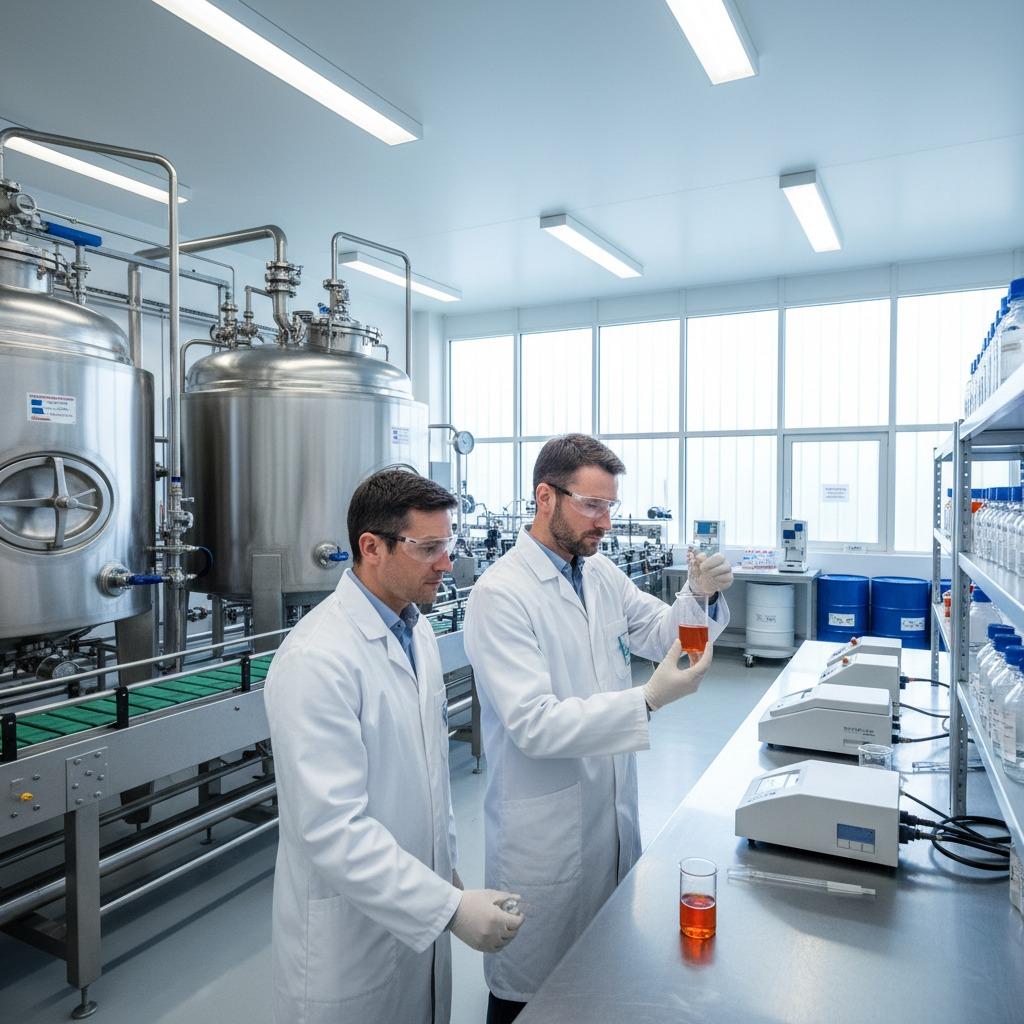
GAFLE features industry-leading clean workshops, full-automatic production equipment and complete precision testing devices. Our independent R&D laboratory supports in-house research, testing and full-process quality control. Every production link, from raw material screening to finished product delivery, adopts strict standards for consistent quality.
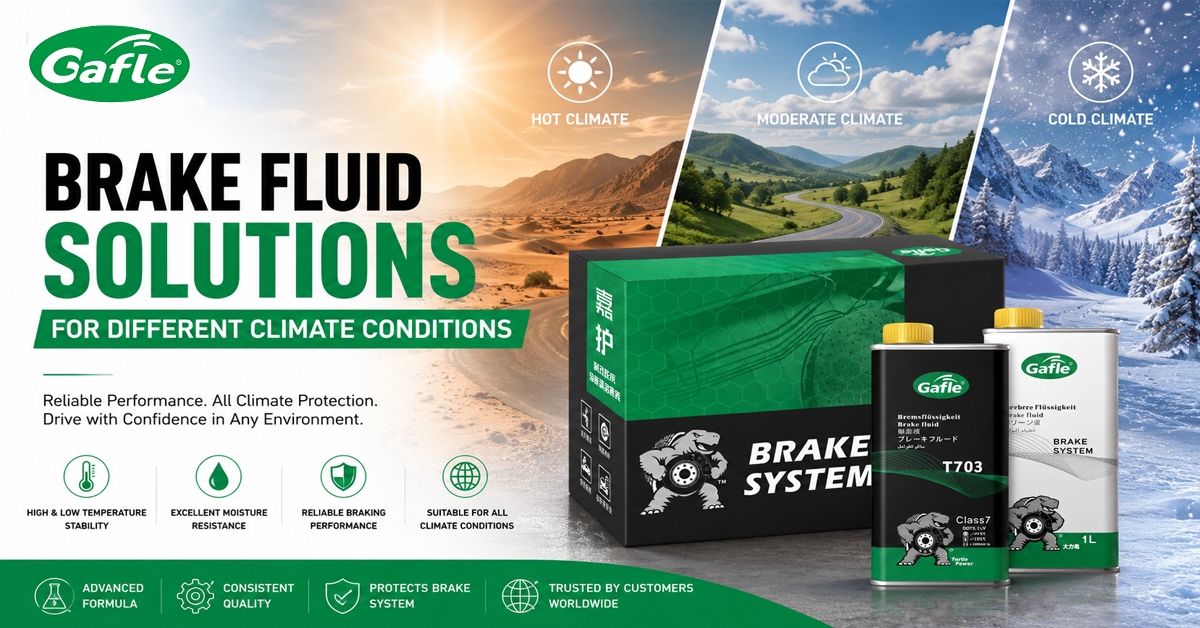
GAFLE premium brake fluid offers excellent moisture resistance, oxidation resistance and stable boiling points. It effectively prevents vapor lock and pipeline corrosion, delivering long-term, stable protection for vehicle braking systems.
Final Summary & Safety Tips
Brake fluid is a tiny but critical component related to driving safety. Regular self-inspection and timely replacement are essential vehicle maintenance routines. Do not ignore hidden risks due to invisible minor issues.
Never choose unqualified inferior brake fluid. Only certified, high-standard products adapt to complex driving conditions and fully protect your travel safety.
Upholding the philosophy of Quality First, Safety Oriented, GAFLE manufactures high-standard brake fluid and antifreeze, safeguarding global users’ driving safety with professional technology and reliable quality.