What buyers need to know before shipping brake fluid
Shipping brake fluid sounds straightforward until you look closely at the product itself. It is a functional automotive chemical, but it is also a regulated liquid with packaging, labeling, and transport constraints that can complicate a move across borders or even across a warehouse yard. For sourcing managers and product teams, the real question is not whether the drums can be loaded. It is whether the brake fluid shipment will arrive compliant, intact, and ready for sale without avoidable delays.
That matters because brake fluid is sensitive to contamination, moisture, and packaging damage. A small lapse in container selection or pallet discipline can turn a routine export into a costly claim. If you are planning brake fluid export, the decision is rarely just about freight cost. It is about matching the product’s chemistry, the destination market, and the transport mode to the right handling method.
Why brake fluid is harder to move than it looks
Brake fluid is not a commodity liquid in the casual sense. It is used in braking systems where performance depends on predictable behavior under heat and pressure. That means buyers usually expect the product to arrive sealed, clean, and within the intended specification. Any hint of contamination, water ingress, or packaging distortion can raise questions before the material ever reaches the filling line or distribution shelf.
There is also a practical shipping issue that experienced teams know well: brake fluid can be unforgiving in transit. A carton that shifts on a pallet, a cap that loosens during vibration, or a liner that is not suited to the fluid can create problems that only show up at destination. This is why a brake fluid manufacturer and a freight partner need to think about the whole chain, not just the export document set.
Quick reference: what to check before loading
Packaging
Choose containers that are compatible with the product and the route. Common export formats may include bottles, jerrycans, drums, or IBCs, depending on order size and market practice. The key is not the shape alone, but closure integrity, chemical compatibility, and how well the packaging behaves under stacking and vibration.
Labeling and documentation
For brake fluid export, the paperwork should match the goods exactly. Product name, batch reference, container count, net and gross weight, and destination instructions need to line up. If the shipment crosses multiple jurisdictions, check whether the destination country expects additional labels or transport declarations. A missing detail here can hold a container at the port longer than anyone wants.
Loading discipline
Brake fluid container loading should be planned like a controlled industrial operation, not a hurried warehouse task. Use clean, dry containers. Keep closures protected. Separate the product from sharp-edged cargo, strong odors, or anything that could compromise packaging. Even a well-made container can fail if it is crushed by careless stacking.
Choosing the right export route and destination market
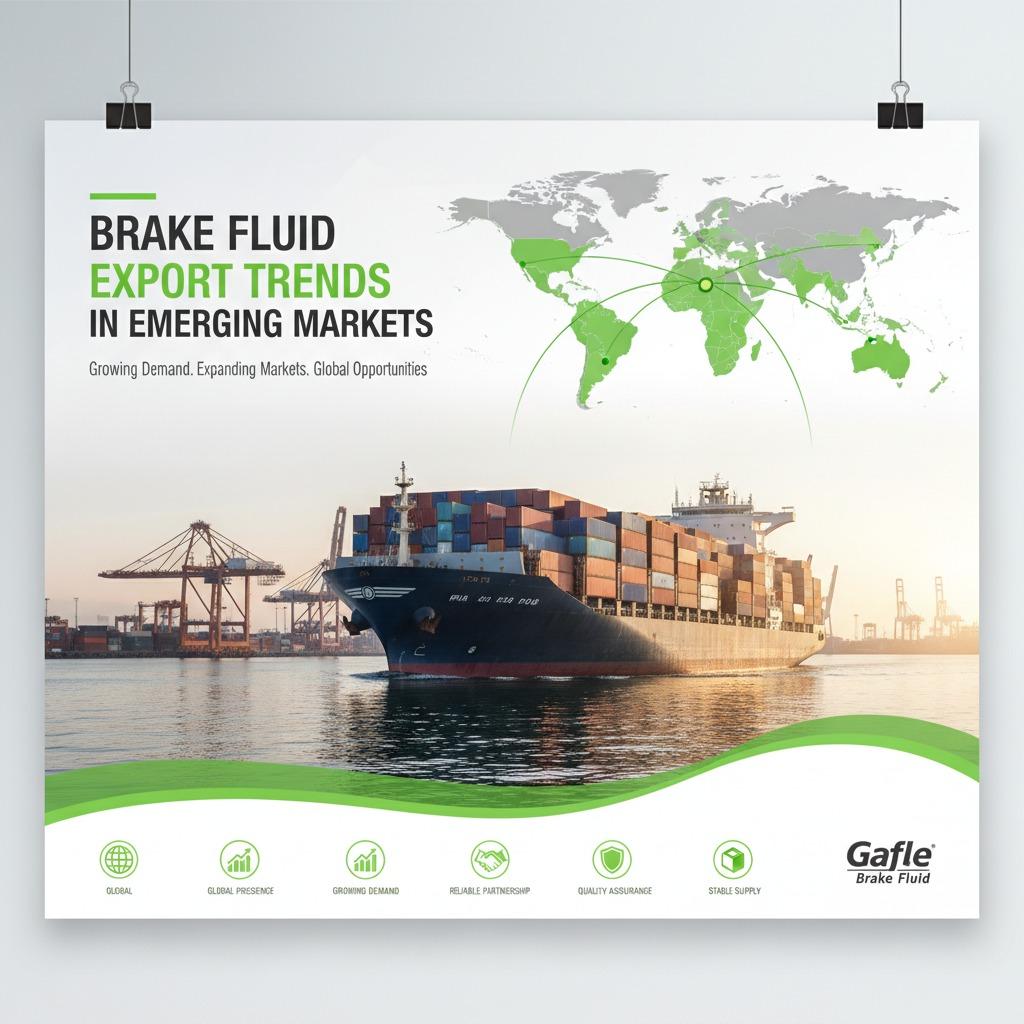
Not every brake fluid export country presents the same level of complexity. Some markets are familiar with automotive consumables and move quickly on standard documentation. Others have tighter import procedures, special language requirements, or local labeling norms that need to be handled before cargo departs. The decision here is strategic: ship first, fix later is expensive when the destination authority is the one holding the keys.
For buyers, it helps to ask the brake fluid manufacturer whether they have export experience with the destination market, not just experience making the product. A supplier that understands local import habits may be able to flag issues early, from pallet dimensions to document phrasing. That kind of practical familiarity is worth more than a glossy sales sheet.
Common mistakes that slow shipments
One of the most common errors is treating all liquid packaging as interchangeable. Brake fluid is not a place to improvise with spare caps, mixed pallet formats, or last-minute container substitutions. Another mistake is underestimating how much transit handling matters. A shipment that looks fine at dispatch can arrive with crushed corners or compromised seals if the loading pattern is sloppy.
There is also a paperwork trap. Teams sometimes focus on the freight booking and forget that the product description, packing list, and commercial invoice should all tell the same story. When those details drift apart, customs officers notice. So do buyers.
What good buyers ask before placing the order
Ask how the brake fluid will be packed, how many units per carton or pallet, and what protection is used against leakage during transport. Ask whether the packaging has been used successfully on the intended route. Ask whether the supplier has experience with brake fluid shipment to your market. These are not fussy questions; they are the ones that separate a smooth import program from a recurring clean-up operation.
If you are sourcing at scale, it is also smart to review how the supplier manages change. A sudden bottle redesign or carton size shift can affect pallet patterns, container fill, and freight cost. Small packaging changes can have an outsized effect once the cargo is stacked inside a shipping container.
FAQ: shipping brake fluid across borders
Is brake fluid export mainly a logistics issue?
No. It is a logistics, packaging, documentation, and compliance issue all at once. The freight move is only one part of the job.
Can any brake fluid container be loaded the same way?
Not safely. Bottles, drums, and bulk containers each need different loading discipline and different checks for movement, sealing, and protection.
What is the biggest buyer risk?
Usually not freight cost. It is product damage, customs delay, or a mismatch between the shipment and the destination market’s requirements.
Next step for sourcing teams
If you are planning a brake fluid shipment, build the review around three questions: is the packaging right, is the export paperwork complete, and does the route fit the destination market? That simple filter catches many of the problems before they become expensive.
For buyers working with a brake fluid manufacturer, the most useful conversation is often a detailed one about container loading, route history, and local market expectations. Get those answers early, and the shipment is far more likely to arrive looking like a finished commercial product rather than a rescue project.