Brake Fluid Boiling Point: The Hidden Factor Behind Brake Performance Loss
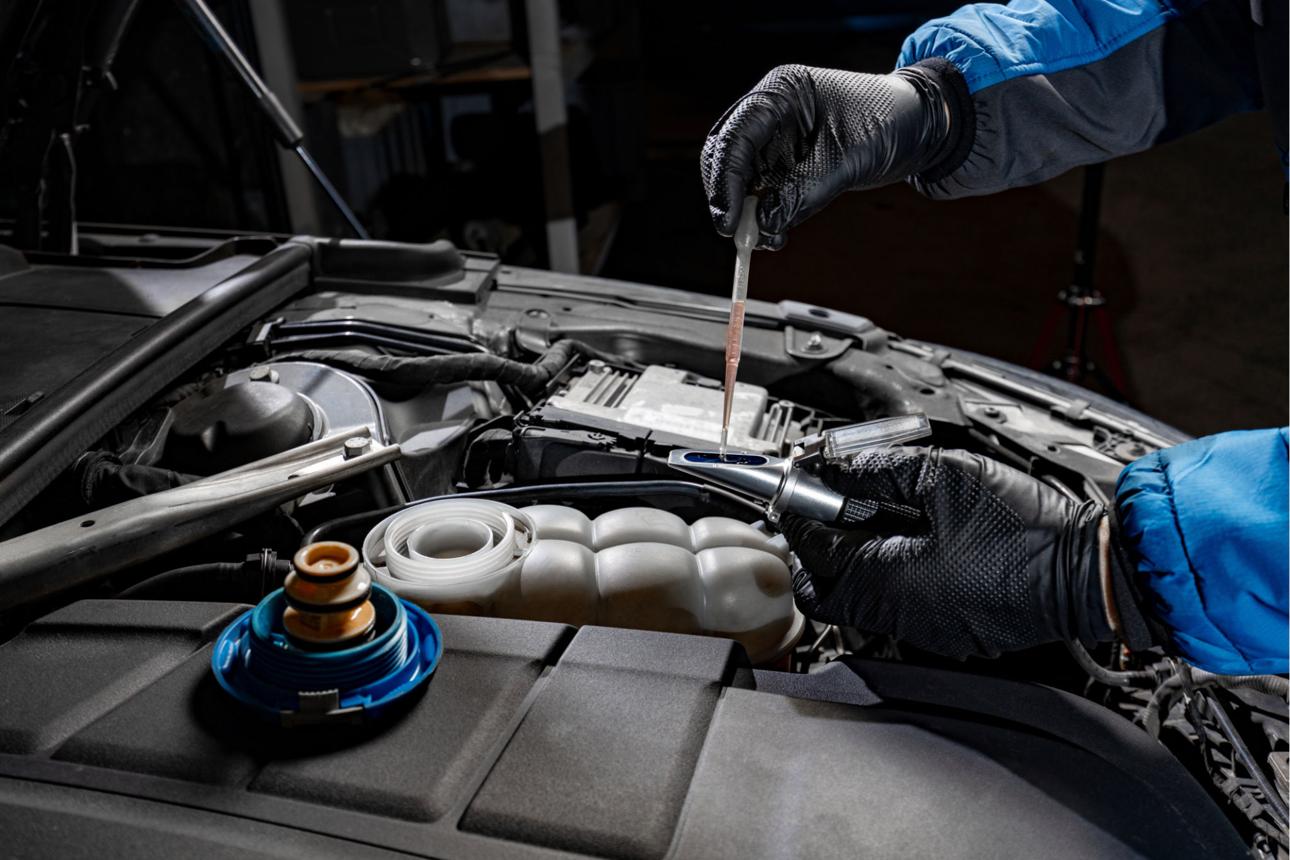
In many real-world cases, braking issues don’t come from worn pads or mechanical failure—they come from fluid breakdown. When brake fluid reaches its boiling point, vapor forms inside the system, leading to soft pedals or even temporary brake failure. This is why understanding brake fluid boiling point is critical, especially when choosing long life brake fluid for stable, long-term performance.
Why Brake Fluid Boiling Point Drops Over Time
Brake fluid does not remain stable forever, even under normal conditions.
Moisture Absorption
Brake fluid naturally absorbs moisture from the air. As water content increases:
- The boiling point drops significantly
- Vapor forms more easily under heat
- Braking response becomes inconsistent
Thermal Stress
Repeated braking generates heat. In urban driving or heavy vehicles:
- Temperatures rise quickly
- Fluid reaches critical limits faster
- Performance degradation accelerates
Chemical Degradation
Over time, oxidation and contamination reduce fluid stability, making it more vulnerable to boiling.
Understanding Dry vs Wet Boiling Point
Brake fluid performance is measured in two key ways:
Dry Boiling Point
- Fresh fluid with no moisture
- Represents maximum performance capability
Wet Boiling Point
- Fluid after absorbing moisture
- Reflects real-world performance
| Type | Typical Value (DOT4) |
|---|---|
| Dry Boiling Point | ≥ 230°C |
| Wet Boiling Point | ≥ 155°C |
The gap between these values shows how quickly performance can decline in actual use.
How Long Life Brake Fluid Improves Boiling Point Stability
Not all brake fluids degrade at the same rate. Long life brake fluid is designed to slow down this process.
Advanced Formulation
- Moisture resistance additives
- Stable chemical composition
- Anti-oxidation protection
Performance Benefits
- Maintains higher wet boiling point over time
- Reduces risk of vapor lock
- Provides consistent braking feel
This makes long life brake fluid a practical choice for markets where temperature and humidity accelerate degradation.
Real-World Comparison: Standard vs Long Life Brake Fluid
| Performance Factor | Standard Fluid | Long Life Brake Fluid |
|---|---|---|
| Moisture Absorption Rate | High | Controlled |
| Boiling Point Drop | Fast | Slower |
| Service Interval | Short | Extended |
| Brake Stability | Inconsistent over time | More stable |
| Maintenance Frequency | Higher | Lower |
This difference directly impacts both safety and operating costs.
Practical Solutions for Buyers and Distributors
Understanding brake fluid boiling point is not just technical—it affects business outcomes.
Reduce Brake Failure Risk
Higher boiling point stability means safer braking in high-load situations.
Lower Maintenance Costs
Extended service intervals reduce replacement frequency.
Improve Product Positioning
Offering long life brake fluid allows distributors to target higher-value customers.
Strengthen Brand Trust
Consistent performance leads to fewer complaints and returns.
Where Boiling Point Matters Most
High Temperature Regions
- Middle East, Africa, Southeast Asia
- Constant heat accelerates fluid breakdown
Heavy-Duty Vehicles
- Trucks, buses, logistics fleets
- Frequent braking increases thermal load
Urban Driving
- Stop-and-go traffic generates continuous heat
Performance Vehicles
- Higher speed = higher braking stress
Selection Guidelines: Choosing the Right Brake Fluid
To ensure stable brake fluid boiling point, buyers should evaluate:
Boiling Point Specifications
- High dry and wet boiling points
- Stable performance over time
Product Type
- DOT3 vs DOT4 vs DOT5.1
- Application-specific requirements
Supplier Reliability
- Consistent formulation
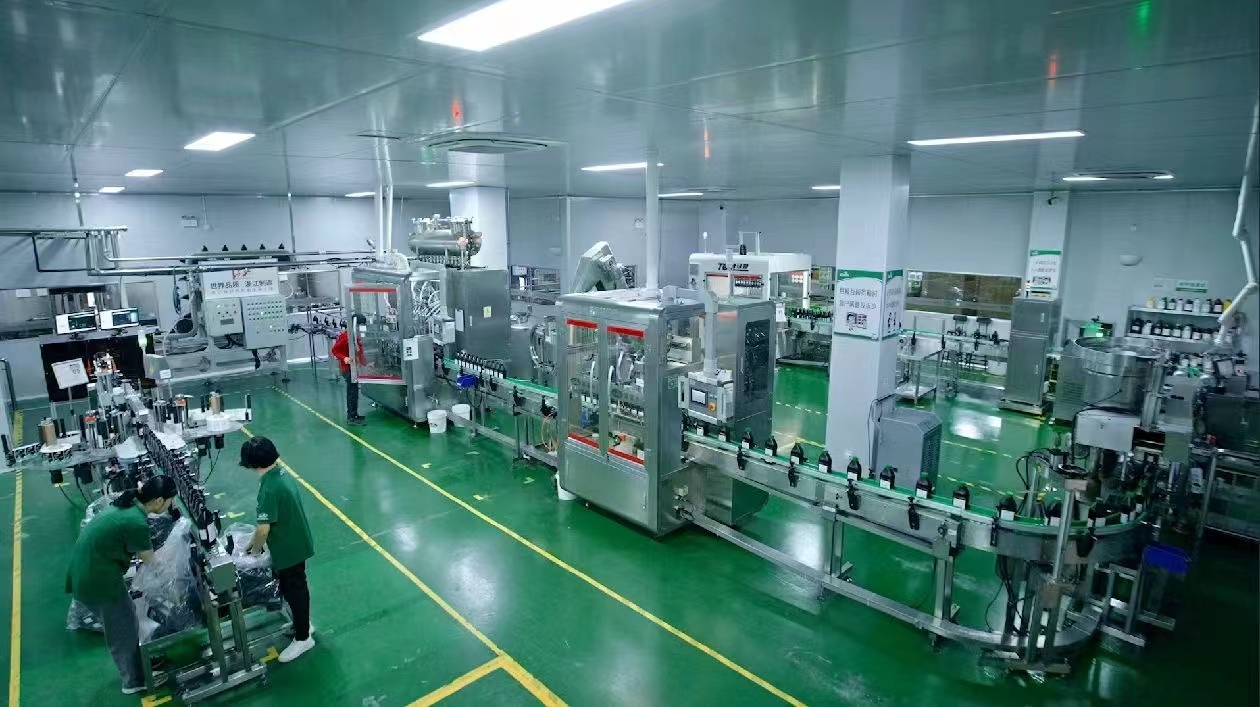
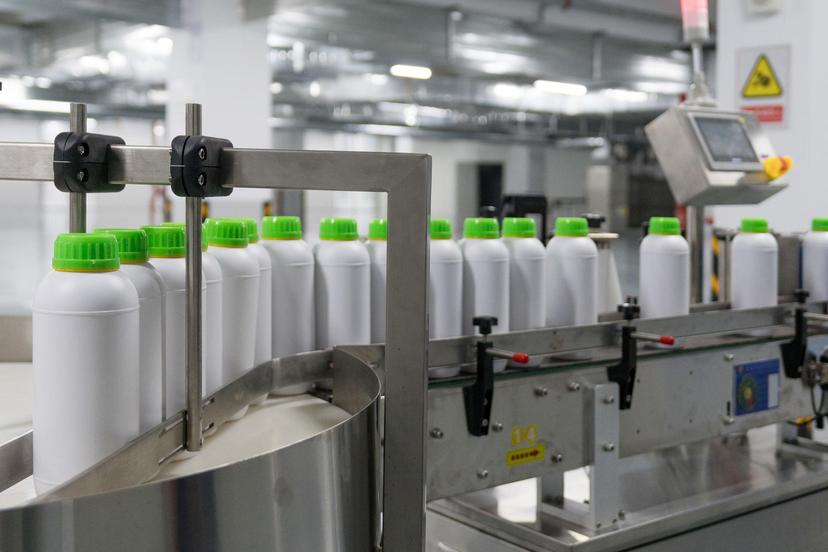
- Quality control systems
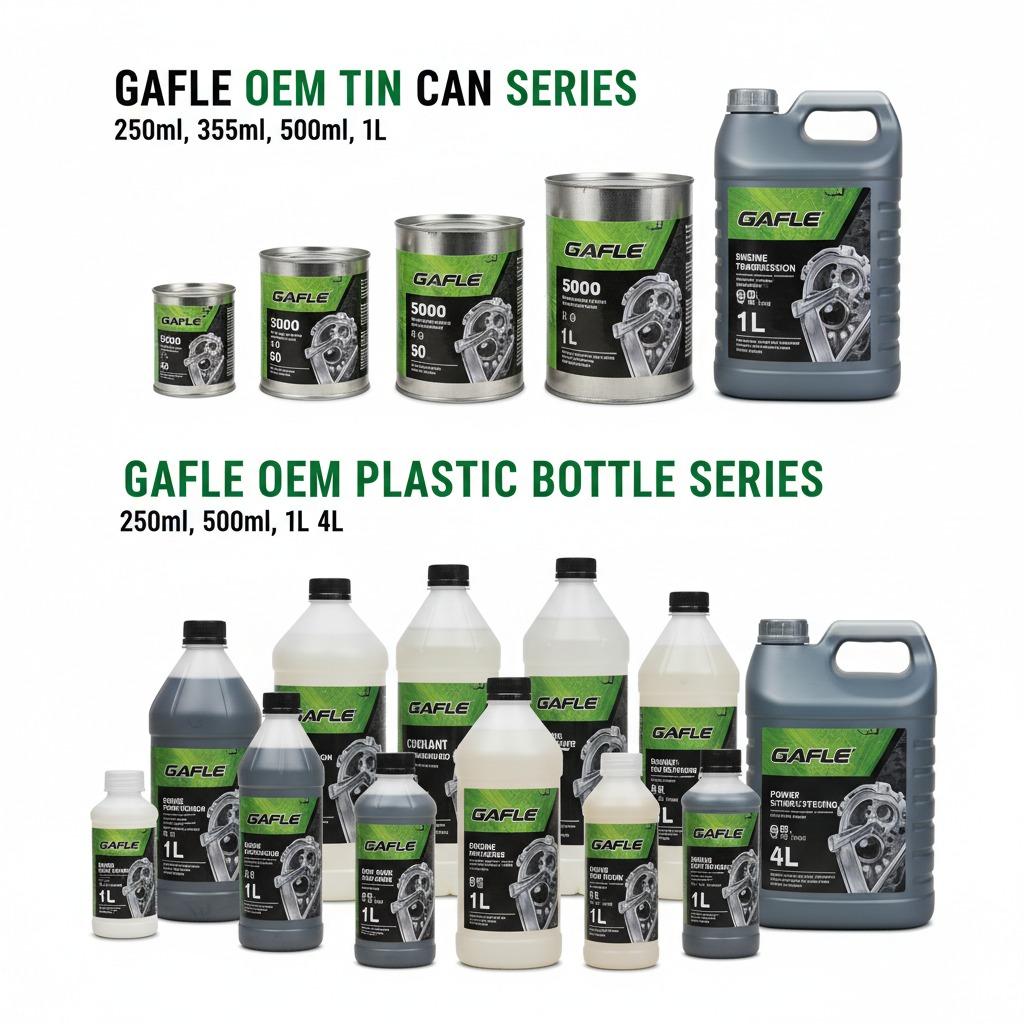
- OEM customization capability
Compatibility
- Suitable for ABS and modern brake systems
Frequently Asked Questions
Q1: Why is wet boiling point more important than dry boiling point?
A: Because it reflects real-world conditions after moisture absorption.
Q2: Can low boiling point cause brake failure?
A: Yes. Vapor formation reduces hydraulic pressure, leading to brake fade or loss.
Q3: How can I maintain a higher boiling point over time?
A: Use long life brake fluid and avoid contamination during storage and use.
Final Thoughts on Brake Fluid Boiling Point and Long-Term Performance
Brake fluid boiling point is one of the most critical yet overlooked factors in braking safety. As fluid degrades, performance can drop rapidly, especially in high-temperature or high-load conditions. Choosing long life brake fluid helps maintain stability, reduce maintenance cycles, and ensure consistent braking performance across different environments. For distributors and OEM buyers, it is not just a technical upgrade—it is a strategic decision that improves both safety and long-term value.