Long Life Brake Fluid: A Smarter Way to Control Maintenance and Performance Risks
In many markets, brake-related complaints are not caused by hardware failure, but by fluid degradation. Workshops often face issues like soft brake pedals, reduced responsiveness, or unexpected fluid contamination. These problems lead to repeated maintenance and customer dissatisfaction. Long life brake fluid addresses these concerns by maintaining performance stability over longer service intervals, helping reduce both operational risk and long-term cost.
Why Brake Fluid Performance Drops Faster Than Expected
Standard brake fluids are highly sensitive to environmental exposure.
Moisture Absorption
Brake fluid absorbs water over time, which lowers its boiling point and increases the risk of vapor formation under heat.
Thermal Stress
Frequent braking, especially in urban traffic or heavy vehicles, causes temperature spikes that accelerate fluid breakdown.
System Contamination
Over time, oxidation and internal corrosion introduce impurities that affect fluid consistency.
These factors explain why traditional fluids often require frequent replacement, even when the vehicle itself is in good condition.
How Long Life Brake Fluid Maintains Stability
The difference lies in formulation and performance control.
Enhanced Chemical Structure
- Improved base fluid composition
- Anti-oxidation additives
- Moisture resistance enhancers
Stable Performance Over Time
- Higher wet boiling point retention
- Consistent viscosity in both cold and hot conditions
- Reduced internal system corrosion
This allows long life brake fluid to perform reliably even after extended usage periods.
Performance Comparison: Standard vs Long Life Brake Fluid
| Feature | Standard Fluid | Long Life Brake Fluid |
|---|---|---|
| Service Interval | Short (1–2 years) | Extended (3–5 years) |
| Moisture Impact | Rapid decline | Controlled absorption |
| Boiling Point Stability | Decreases quickly | Remains stable |
| Maintenance Frequency | High | Reduced |
| System Protection | Basic | Advanced |
For buyers, this translates directly into fewer service issues and more predictable product performance.
Practical Solutions for Distributors and Service Providers
Switching to long life brake fluid is not just a technical upgrade—it is a business decision.
Lower After-Sales Issues
Fewer complaints related to braking inconsistency or fluid failure.
Improved Product Positioning
Longer service intervals can be marketed as added value in competitive markets.
Reduced Inventory Turnover Pressure
Longer lifecycle products reduce urgency in repeat supply cycles.
Stronger OEM Opportunities
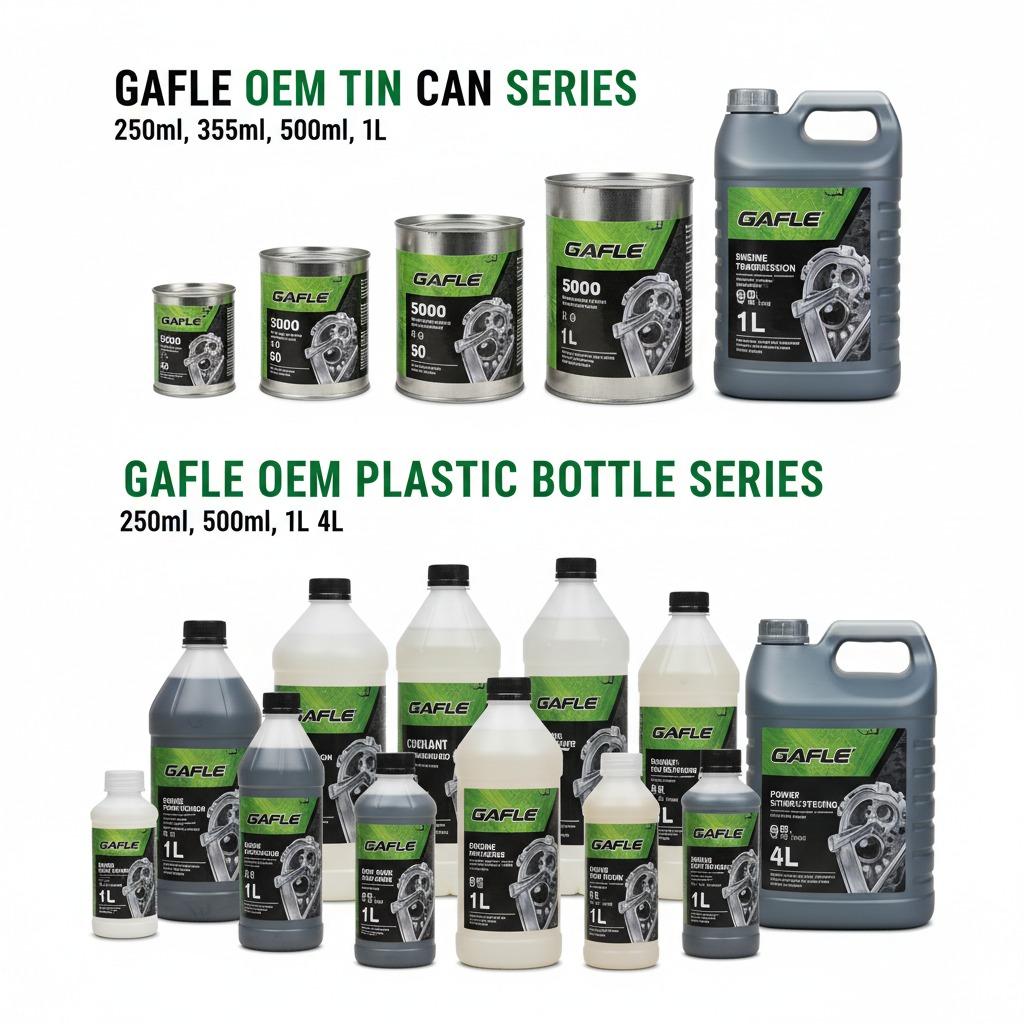
Private label programs can highlight durability and reliability as core selling points.
Key Advantages That Matter in Real Markets
Cost Efficiency Over Time
Although initial pricing may be slightly higher, total cost of ownership is significantly lower.
Safety Enhancement
Higher boiling point stability reduces brake fade risk in extreme conditions.
Compatibility
Suitable for modern braking systems, including ABS and ESC.
Production Consistency
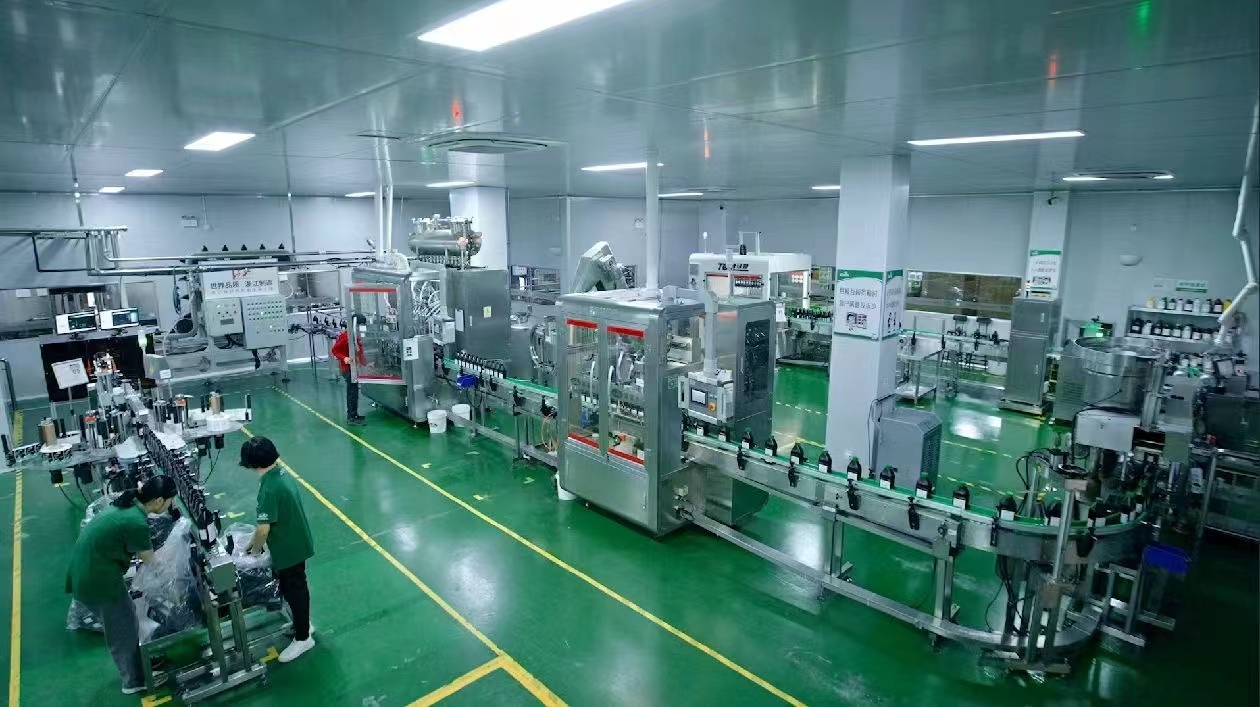
Reliable manufacturers ensure stable performance across batches—critical for brand reputation.
Where Long Life Brake Fluid Delivers the Most Value
High-Temperature Regions
Markets with hot climates demand fluids that resist boiling and degradation.
Commercial Transport
Fleet vehicles benefit from reduced maintenance downtime.
Urban Driving Conditions
Frequent braking requires consistent thermal performance.
Export Markets
Importers need stable products that meet international standards and reduce return rates.
Selection Guidelines for Buyers
Choosing the right long life brake fluid requires attention to several factors:
Performance Specifications
- High dry and wet boiling points
- Stable viscosity range
Certification Compliance
- DOT4 or higher standards
- SAE specifications
Supplier Capability
- Manufacturing consistency
- OEM customization support
- Export experience
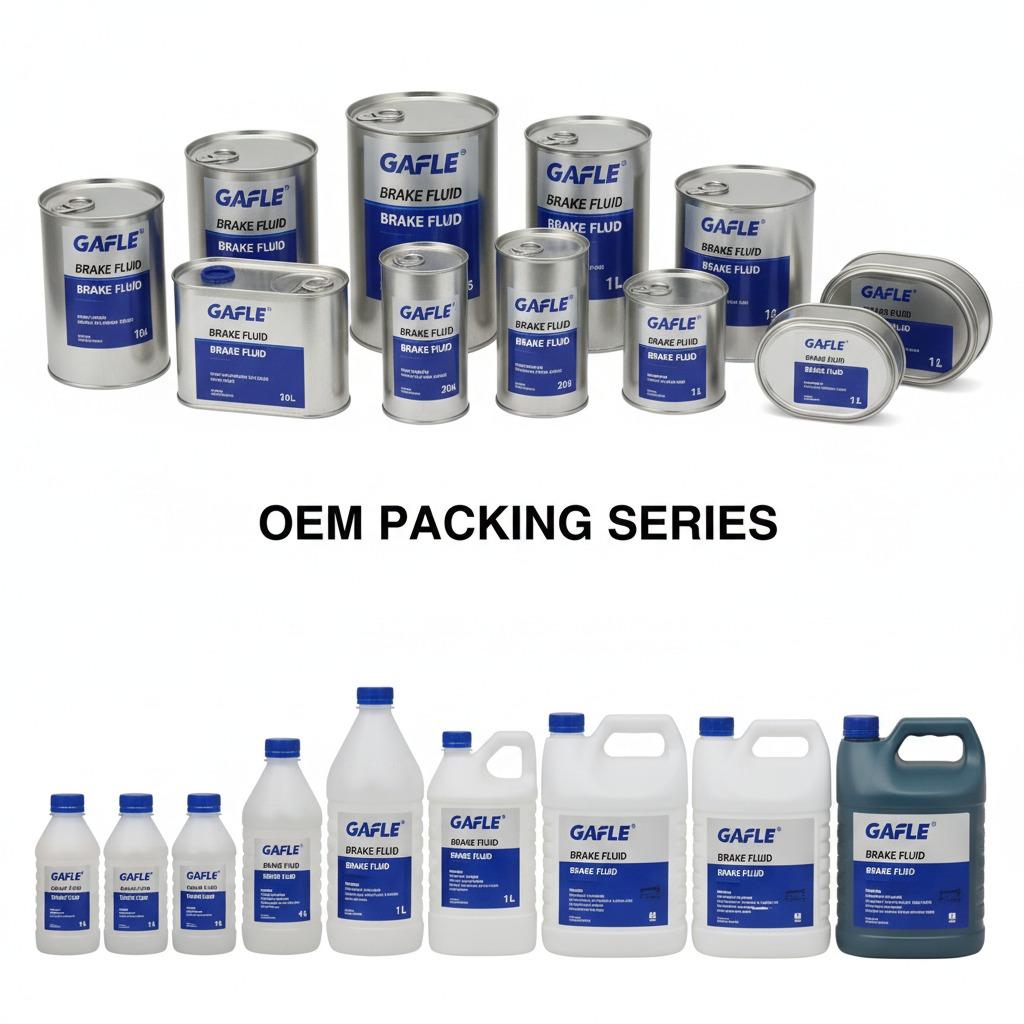
Packaging Quality
- Leak-proof design
- Transport-safe materials
Frequently Asked Questions
Q1: Is long life brake fluid suitable for all vehicles?
A: It is compatible with most modern systems, especially those requiring DOT4 or higher specifications.
Q2: How much maintenance reduction can be expected?
A: Replacement intervals can be extended up to 3–5 years depending on usage conditions.
Q3: Does it require special handling?
A: Storage and handling are similar to standard brake fluids, but contamination should still be avoided.
Final Thoughts on Choosing Long Life Brake Fluid
For distributors, workshops, and OEM buyers, long life brake fluid represents a shift toward more stable, predictable, and cost-effective braking system maintenance. By reducing replacement frequency and maintaining consistent performance, it helps build trust with end users while improving operational efficiency. Selecting the right supplier ensures that these advantages are delivered consistently across every batch and every market.