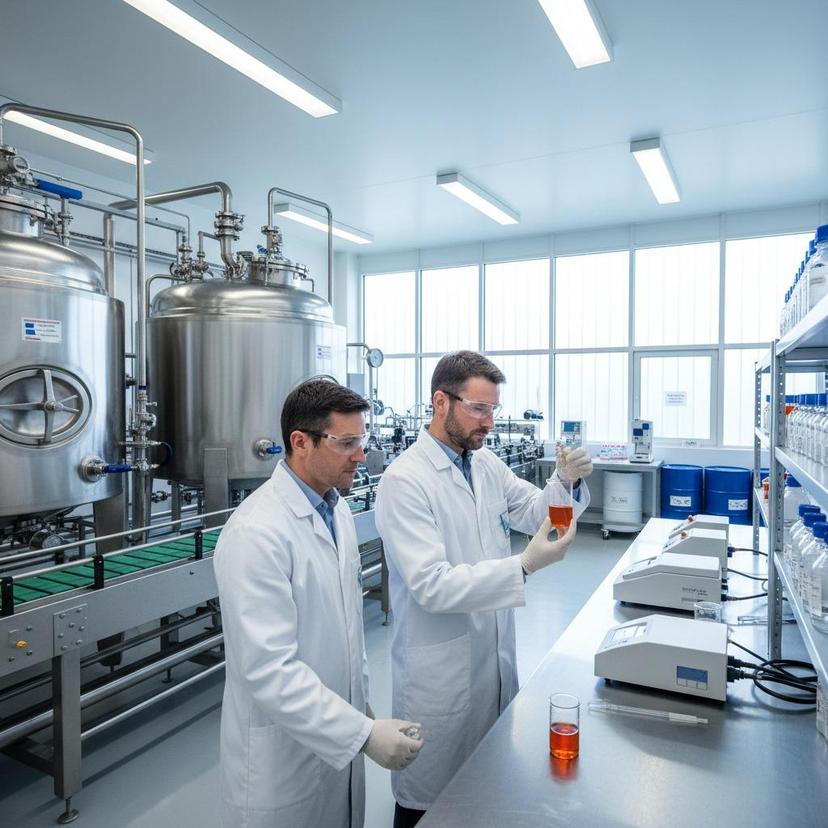
Quality Control: The Foundation of Smart Brake Fluid Sourcing
When you source automotive brake fluid, never judge a product by its simple appearance. Hidden quality risks exist throughout production, packaging and delivery. As a key hydraulic component, brake fluid demands stable performance, clean production, tight sealing and full batch traceability. In essence, you are buying not just a liquid, but a complete set of reliable quality assurance solutions.
Quality control determines the success of your brake fluid supply. Raw material contamination, filling errors or insufficient testing will ruin products long before they reach vehicles. When choosing a partner, do not only check production capacity — focus on their ability to control quality at every step.
What a Qualified Supplier Delivers
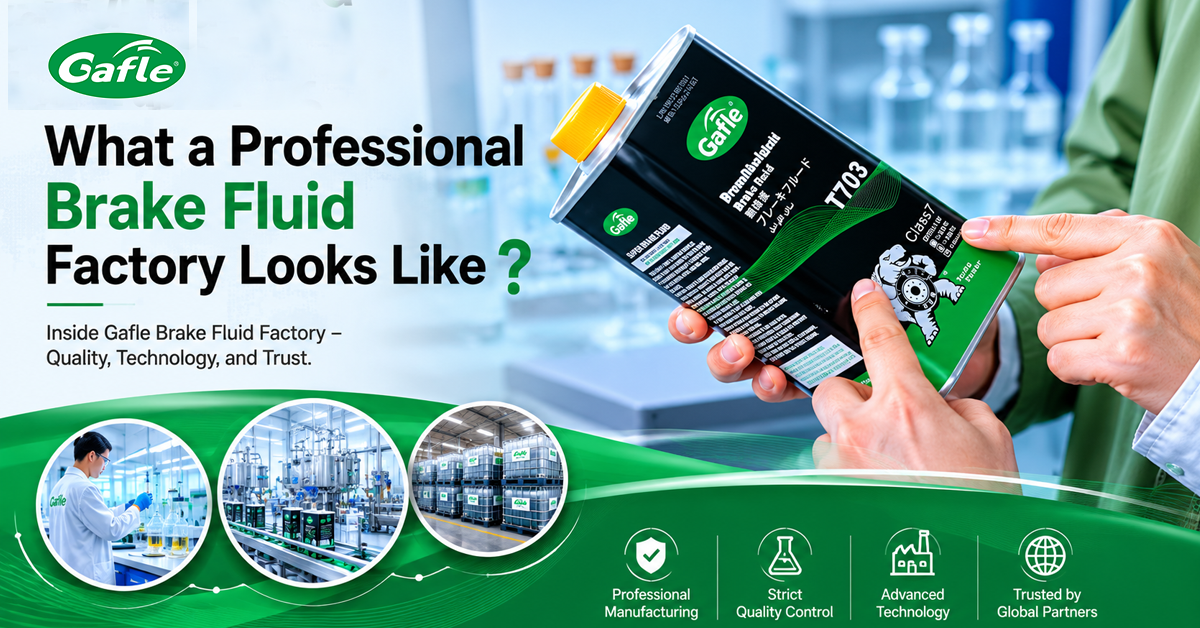
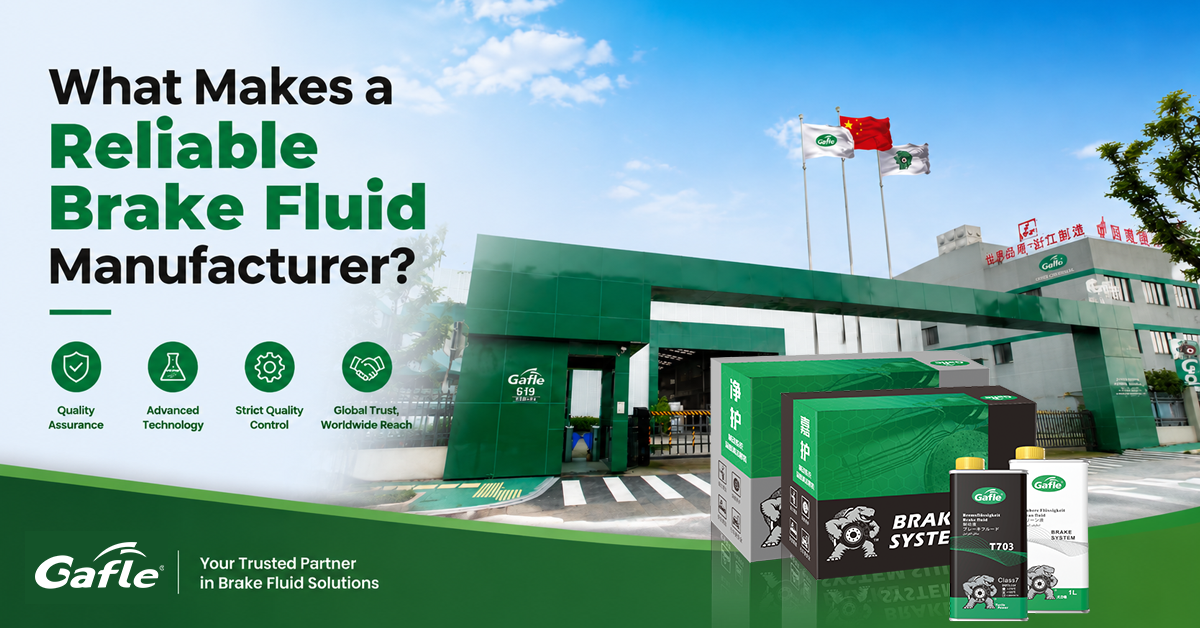
A complete quality management workflow covers raw material inspection, in-process monitoring, lab testing, packaging checks, warehouse management and safe delivery. This end-to-end system is the guarantee of consistent supply.
Trusted suppliers implement strict rules at every stage: preventing contamination, stabilizing production, checking packaging and ensuring compliance for shipment. A single weak link will threaten the quality of the entire batch.
Core Functions of Full-Process Inspection
- Raw material check: Keep inferior materials out of production
- In-process monitoring: Fix potential issues at an early stage
- Lab testing: Ensure stable performance of every batch
- Packaging inspection: Avoid leakage and seal damage
- Storage & shipping control: Deliver intact products worldwide
Look Beyond Certifications
ISO 9001, IATF 16949 and quality-related claims are good references, but not absolute guarantees. Always confirm whether certifications apply specifically to brake fluid production.
Ask for practical documents: batch records, COA reports, packaging standards and shipping plans. Real data is far more reliable than empty marketing words.
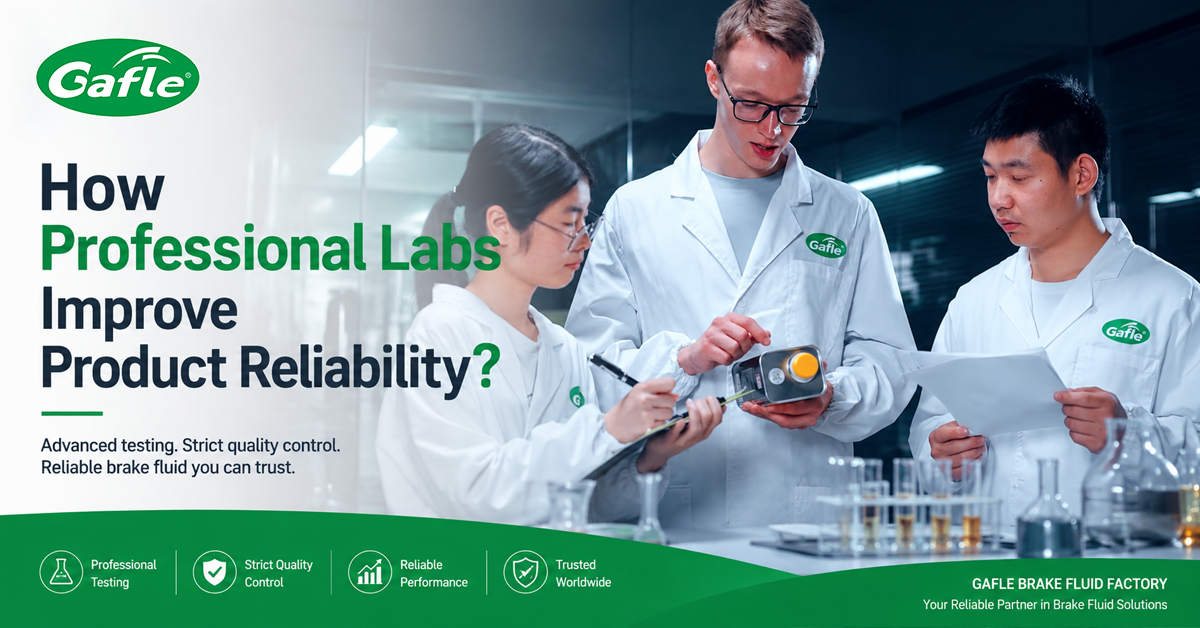
Lab Testing: The Hidden Strength of Top Suppliers
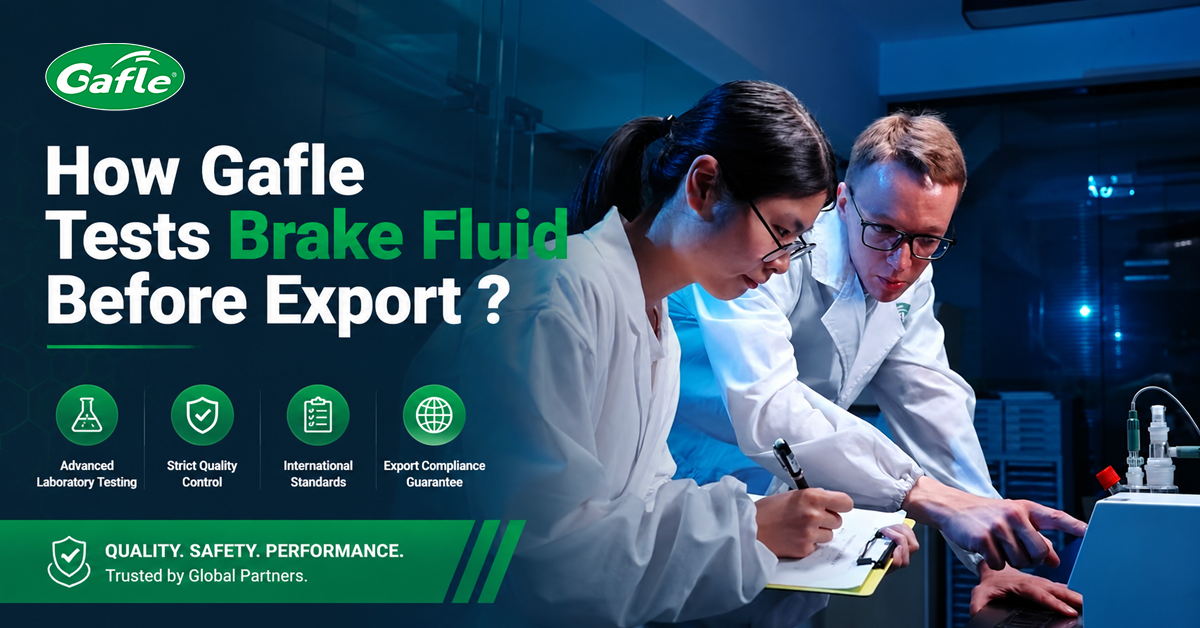
Professional laboratory testing is a major gap between ordinary and excellent suppliers. It does more than meet standard requirements — it keeps brake fluid performing steadily during long transportation and storage.
For OEM and aftermarket sales, stable quality is non-negotiable. Even the best formula will fail without proper testing and handling.
Key Rules for Supplier Selection
- Confirm product types, quality records, batch traceability and packaging protection.
- Check warehouse conditions, which greatly affect long-term product quality.
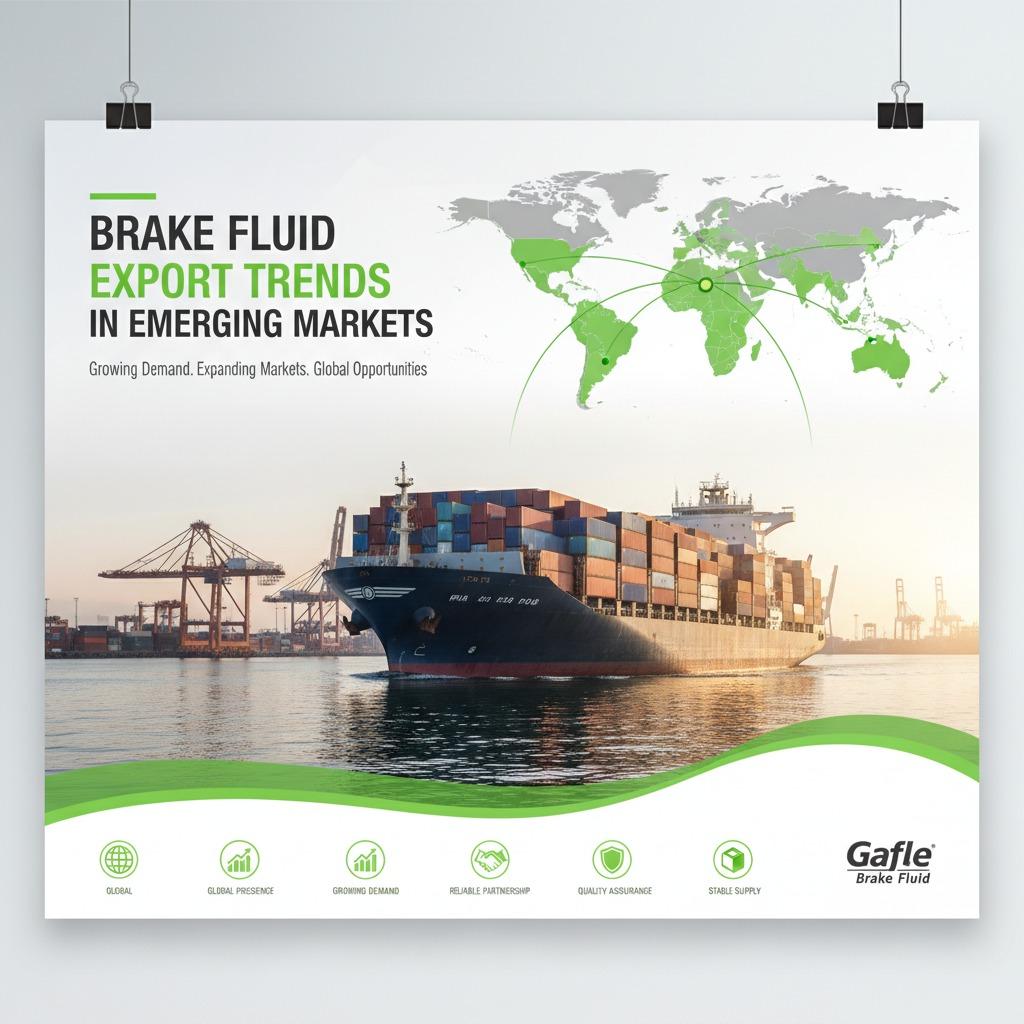
- Distinguish between production capability and export & delivery capability. A great supplier masters both.
Typical Sourcing Mistakes to Avoid
- Treating all brake fluid suppliers as equals
- Chasing low prices while ignoring quality control
- Believing general certifications without further verification
- Neglecting packaging, a critical barrier against damage in transit
Advice for Buyers
Before placing orders, learn about the supplier’s inspection processes, lab testing standards and packaging checks. For OEM and aftermarket business, confirm batch traceability and solutions for defective products. Reliable suppliers always explain risk control measures clearly.
Take Action Now
To select the best brake fluid supplier, collect product files, batch quality records and logistics control documents. These details reveal the real strength of each manufacturer.
Remember: It is not enough to know what the product is. Find out how the factory keeps every batch identical and maintains quality after delivery.