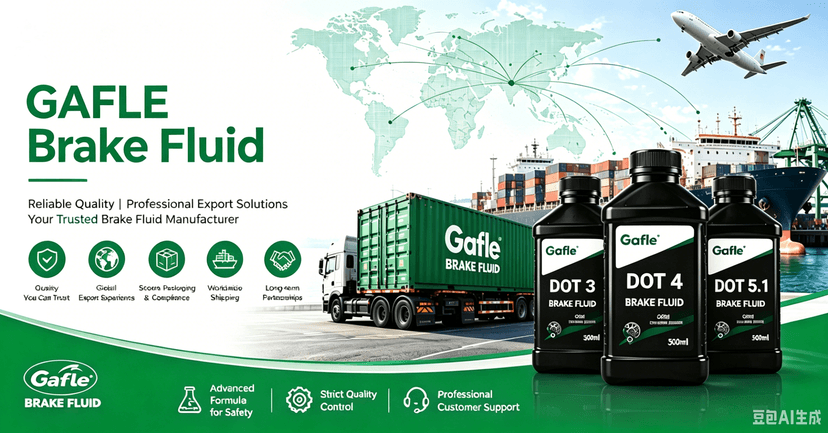
DOT3 vs DOT4: why the difference matters in real brake system maintenance
When sourcing fluids or planning brake system maintenance, the DOT3 vs DOT4 question is usually less about branding and more about operating conditions, service intervals, and how much thermal margin a vehicle actually needs. Both are glycol-based brake fluids used in many hydraulic braking systems, but they are not interchangeable in every practical sense. The wrong choice can show up as a spongy pedal, faster fluid degradation, or a maintenance schedule that looks fine on paper and then disappoints in the field.
For fleet managers, repair shops, and product teams, the real decision is not simply which fluid is “better.” It is which one fits the application, the climate, the brake design, and the cost of maintenance downtime. That is where a clear difference between DOT3 and DOT4 becomes useful.
Quick comparison: DOT3 and DOT4 at a glance
DOT3 and DOT4 are both used in hydraulic brake systems and both absorb moisture over time. That moisture absorption is not a side note; it is one of the main reasons brake fluid needs regular replacement. As water content rises, boiling resistance drops, and braking performance can suffer under repeated heat load.
DOT4 generally offers a higher dry and wet boiling point than DOT3, which gives it a wider safety margin in hotter or more demanding applications. DOT3, on the other hand, is still common in many standard vehicles and legacy systems where operating temperatures are less severe and the design was originally specified around it.
The practical difference between DOT3 and DOT4
Boiling point and heat resistance
The most discussed difference between DOT3 and DOT4 is boiling performance. In plain terms, DOT4 can usually tolerate more heat before vapor formation becomes a concern. That matters because vapor compresses, fluid does not. Once vapor enters the system, pedal feel changes and stopping consistency drops. In demanding service, that is not a theoretical problem.
DOT3 can still perform adequately when the braking system is not pushed hard. For passenger vehicles, light-duty use, and many normal service environments, it remains a workable choice. But if the vehicle sees more stop-and-go traffic, heavier loads, mountain descents, or spirited driving, DOT4 often provides a more comfortable margin.
Moisture absorption and service life
Both fluids absorb moisture from the atmosphere over time. That is why brake fluid maintenance cannot be treated as a “top off and forget” item. A buyer may compare the label and assume the more expensive fluid lasts longer simply because it costs more, but the real answer depends on the environment, the system design, and how often the fluid is exposed to air during service.
DOT4 is often selected where the buyer wants added thermal reserve, not because it magically resists aging forever. In fact, brake system maintenance still needs to follow the vehicle or equipment manufacturer’s guidance. Skipping scheduled replacement is one of the fastest ways to erase any advantage either fluid might have offered.
Compatibility and caution
Here is the point where buyers should slow down: brake fluid compatibility is not a casual swap decision. Some systems are designed around a specific fluid grade, and the service document should be checked before switching. In many cases, DOT3 and DOT4 can be mixed because they share a glycol-base chemistry, but mixing does not create a better fluid. It simply produces a blended result that may not match the intended performance target.
If a system originally calls for DOT3 and the application is otherwise normal, there may be no reason to change. If a system is running hotter or needs a wider safety margin, DOT4 may be the more practical specification. The key is to match the fluid to the system, not to a sales brochure.
Which one should a buyer choose?
The choice usually comes down to use case. DOT3 is often suited to standard-duty braking systems where the original design and maintenance plan were built around it. DOT4 makes more sense when heat buildup is a concern, when braking duty is heavier, or when the buyer wants additional thermal headroom without moving into a more specialized fluid family.
For sourcing teams, that means the purchasing decision should start with the end use, not the catalog listing. A low-cost fluid that is technically acceptable can still become expensive if it causes more frequent service or performance complaints. On the other hand, specifying a higher-grade fluid where it is not needed can add cost without any meaningful operating benefit.
Common mistakes in brake system maintenance
One common mistake is treating brake fluid as a lifetime fill. It is not. Another is assuming color tells the whole story. Fluid appearance can be misleading, and darker fluid does not always reveal how much moisture has been absorbed. Buyers also sometimes assume DOT4 is always the safe upgrade. That can be true in many cases, but only if the system specification supports it and the maintenance process is handled carefully.
A more subtle error is ignoring contamination during service. Brake fluid is sensitive to open containers, dirty shop tools, and prolonged exposure to air. Even the right fluid can perform poorly if it is handled carelessly. That is a small practical detail, but it matters more than most procurement teams realize.
Buying advice for engineers and sourcing teams
When comparing DOT3 vs DOT4, start with the OEM requirement, then layer in duty cycle, ambient temperature, and service frequency. If the brake system sees significant heat, DOT4 usually deserves a closer look. If the application is standard and the system was designed around DOT3, there may be no need to complicate the bill of materials.
For product teams, the useful question is not which fluid is “best” in the abstract. It is which one offers the right balance of compatibility, thermal performance, and maintenance burden for the intended operating profile.
FAQ: a few questions buyers ask often
Can DOT3 and DOT4 be mixed? In many glycol-based systems, they can be mixed, but the result should still be treated as a compromise, not an upgrade.
Is DOT4 always superior? Not always. It generally offers higher boiling performance, but the right choice depends on the system specification and application.
Does brake fluid maintenance really matter that much? Yes. Over time, moisture lowers boiling resistance, and that can affect braking feel and safety.
What to do next
If you are choosing between DOT3 vs DOT4 for a vehicle platform, aftermarket program, or maintenance schedule, start by checking the original specification and the actual thermal demands of the brake system. That simple step prevents a lot of avoidable rework later. In brake fluids, the cheapest option is not always the least expensive one to run.
Welcome to contact us for future cooperation!
peter
ZHEJIANG GAFLE AUTO CHEMICL CO.,LTD
Tel:86-579-8222 1665
Fax:86-579-8246 4690
Cel/Wechart:86-13335993986
E-mail:peter@gafle.net
Web:www.gafle.net