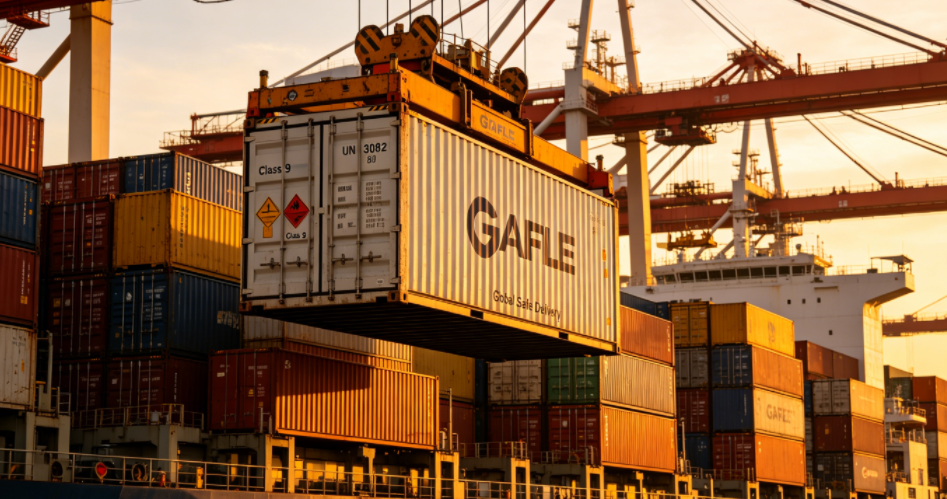
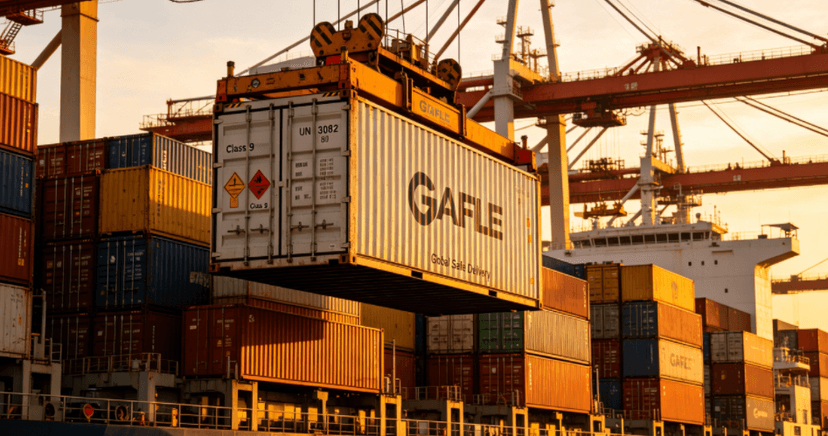
Ocean transportation lasts 20–60 days with frequent vessel swaying, bumping and stacking pressure. Improper loading of canned brake fluid easily causes pallet collapse, can extrusion rupture and liquid leakage, resulting in container contamination, customs fines and delivery delays. This article introduces the standardized full container loading process exclusively for export glycol brake fluid, covering anti-shift, anti-extrusion and anti-leakage measures for 20GP and 40GP containers.
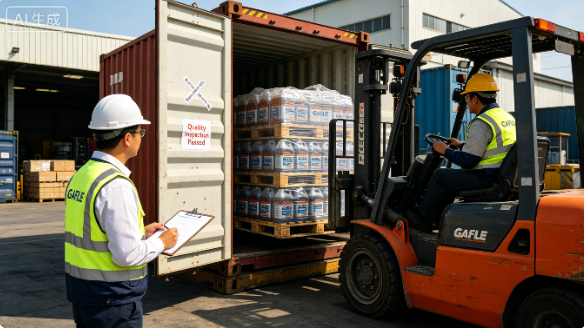
1. Pre-Loading Packaging Standard (Foundation Of Anti-Shift)
Before stacking goods into containers, every carton and pallet must complete standardized reinforced packaging:
- Can & carton reinforcement
All metal brake fluid cans are equipped with anti-leak sealing gaskets; each can is wrapped with thin bubble film to avoid collision scratch and rupture. 5-layer thickened export corrugated cartons hold cans, with foam filling gaps inside cartons to eliminate internal shaking during transit.
- Pallet fixed wrapping
Cartons are neatly stacked on standard 1200*1000mm wooden fumigated pallets, with aligned edges without overhanging goods. After stacking, the entire pallet is wrapped tightly with 8–10 layers of stretch film, plus hard plastic corner protectors on four vertical edges to prevent carton corner extrusion damage.
- Separation partition between pallet layers
For double-layer pallet loading inside containers, add thick hard fiberboard separators between upper and lower pallet layers to disperse stacking pressure and avoid crushing lower cartons.
2. Step-by-Step Standard Container Loading Workflow
Step 1: Container Pre-inspection Before Loading
Workers check the inner wall, floor and door of empty containers for sharp protrusions, rust nails, water leakage holes or residual moisture. All sharp edges are covered with protective foam strips to prevent scratching cartons and cans during loading. Wet or damaged containers are rejected directly to avoid cargo dampening.
Step 2: Heavy goods loaded first, tight gap filling
Pallets filled with brake fluid are placed tightly against the container front wall first. All gaps between pallets and container side walls, as well as gaps between adjacent pallets, are fully filled with inflatable air bags and solid wooden baffle blocks. No loose empty space is allowed, which is the core measure to eliminate lateral cargo shifting during vessel rolling.
Step 3: Layered symmetrical stacking rule
Pallets must be stacked symmetrically left and right inside the container to keep balanced weight distribution; avoid single-side heavy stacking that causes goods to slide to one side. Maximum double-layer stacking height is controlled, leaving a 15cm safety gap from the container ceiling to prevent top extrusion from upper container loads.
Step 4: Rear door anti-slip blocking
After all pallets are placed, install heavy-duty wooden stop baffles fixed with steel nails at the container rear door position. Inflatable air bags are filled between the last row of pallets and the door to block longitudinal forward sliding when the ship brakes suddenly.
Step 5: Final whole-container winding reinforcement
After finishing internal blocking, the whole cargo stack is wrapped with cross horizontal and vertical binding straps fixed to container tie-down rings, locking all pallets as an integrated whole to resist severe swaying on rough seas.
3. Special Anti-Leakage Emergency Protection
Even with tight sealing cans, we add secondary leak-proof measures for long ocean transit:
- Each pallet is laid with thick absorbent plastic mats at the bottom to contain leaked liquid if rare can rupture occurs, preventing fluid from flowing across the container floor.
- Separate spare bubble film, repair tape and absorbent cloth are placed at the container door for port inspection emergency handling.
- Hazard warning labels and liquid leakage handling notices are pasted on all four sides of the container exterior for port warehouse staff reference.
4. Differences Between 20GP & 40GP Loading Standards
- 20GP small container: Single-layer pallet layout, focus on full side gap filling with air bags, shorter transport cycle with lower stacking pressure risk
- 40GP large container: Double-layer pallet stacking allowed, must use hard interlayer boards and dual horizontal binding straps; longer sea voyage requires extra thick air bags for gap filling to resist prolonged ship shaking
5. Consequences Of Non-Standard Loading For Bulk Buyers
- Cargo shifting and extrusion leads to deformed, cracked brake fluid cans and liquid leakage, causing product loss
- Leaked glycol fluid contaminates the whole container, resulting in carrier cleaning fees and customs detention
- Damaged goods cannot be sold in target markets, generating huge replenishment costs and delayed delivery penalties for distributor orders
Closing Remarks
Standard full-container loading is an indispensable link to protect brake fluid quality during ocean export transit. GAFLE implements this complete anti-shift loading workflow for all full-container OEM and wholesale orders, with professional loading supervisors monitoring every step on-site to eliminate transit damage risks for global import partners.
Welcome to contact GAFLE for more information & cooperation!
peter
ZHEJIANG GAFLE AUTO CHEMICL CO.,LTD
Tel:86-579-8222 1665
Fax:86-579-8246 4690
Cel/Wechart:86-13335993986
E-mail:peter@gafle.net
Web:www.gafle.net
peter
ZHEJIANG GAFLE AUTO CHEMICL CO.,LTD
Tel:86-579-8222 1665
Fax:86-579-8246 4690
Cel/Wechart:86-13335993986
E-mail:peter@gafle.net
Web:www.gafle.net