The latest news on Gafle.
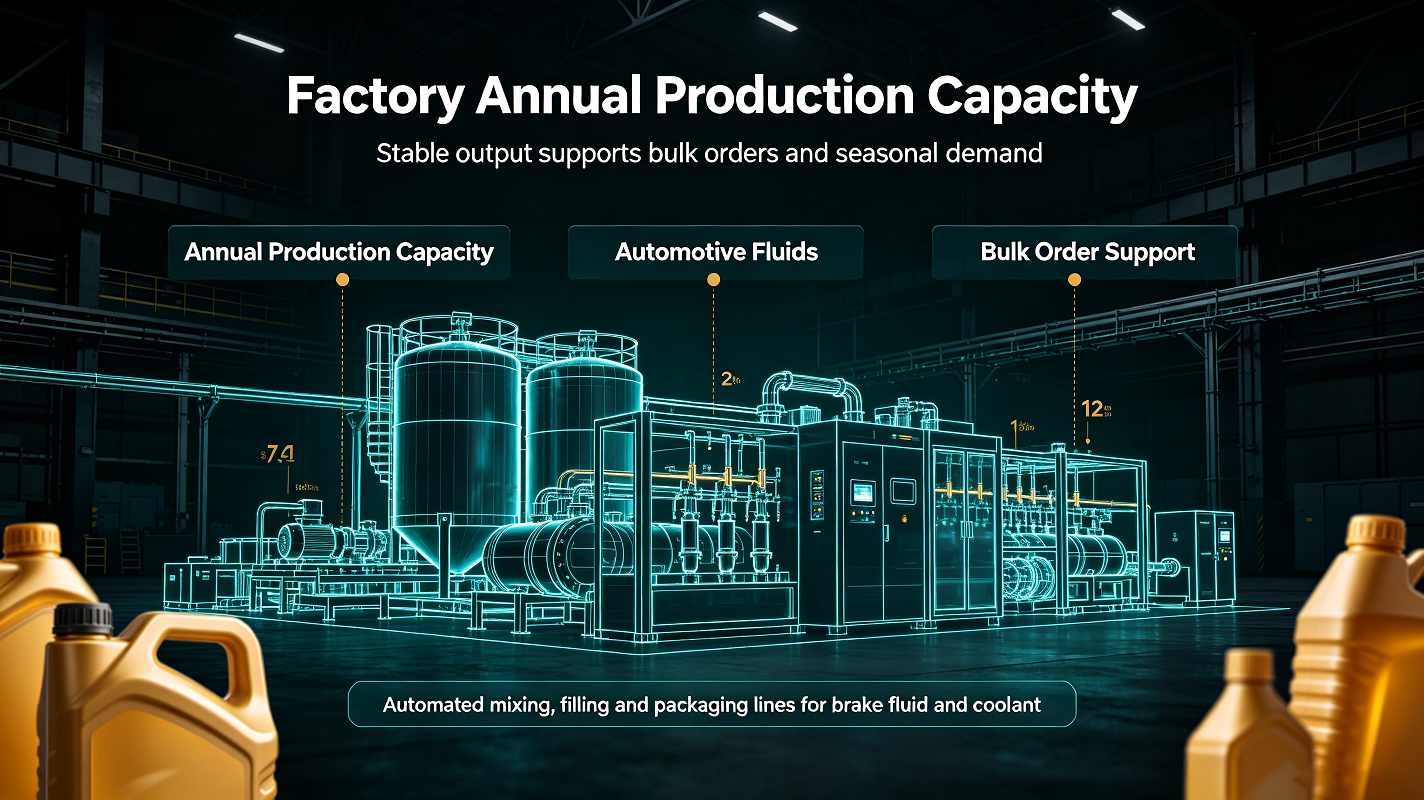
1. Why annual production capacity matters in manufacturing decisions 2. What capacity tells you that a brochure often does not 3. A quick way to think about capacity levels 4. Questions buyers should ask before trusting the number 5. Common mistakes when evaluating manufacturing partners 6. How to use capacity data in supplier selection 7. Buyer takeaway
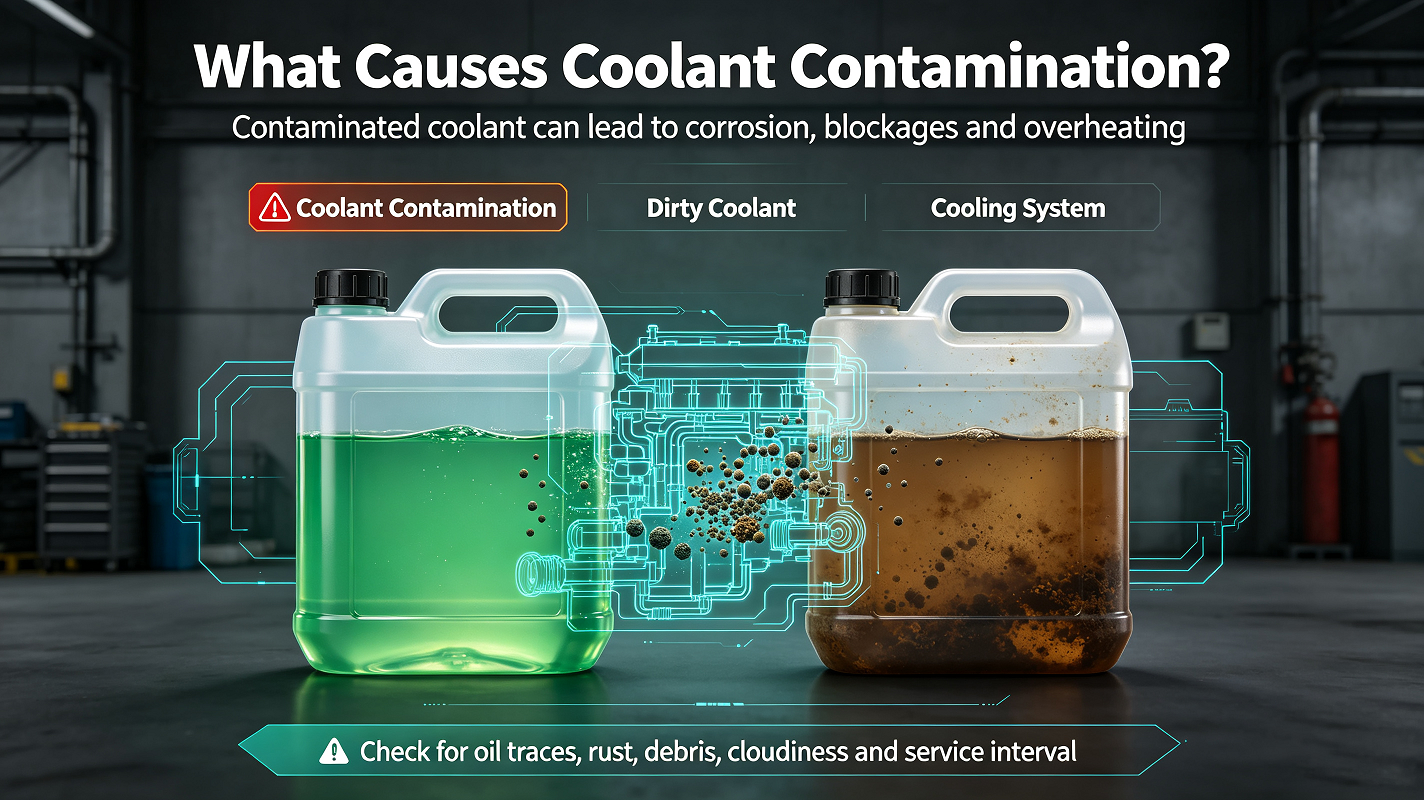
1. Why coolant contamination deserves attention 2. What contaminated coolant usually looks like 3. Common reasons coolant gets contaminated 4. Why the source matters more than the stain 5. Practical checks before deciding on a flush 6. How to reduce the risk of future contamination 7. FAQ: quick answers for maintenance teams 8. What to do next
Non-toxic antifreeze is commonly searched by buyers looking for a lower-toxicity alternative to conventional ethylene glycol coolant, often based on propylene glycol. This guide helps importers, distributors, fleet suppliers, and private-label brands evaluate coolant chemistry, safety documentation, ASTM requirements, vehicle compatibility, OEM options, quality control, and sourcing risks before placing bulk orders.
Hybrid coolant fluid can refer to Hybrid Organic Acid Technology (HOAT) coolant, but buyers should not treat every “hybrid” formulation as interchangeable. This guide helps importers, distributors, automotive brands, and fleet suppliers compare coolant chemistry, OEM compatibility, concentrate versus premix formats, quality control, private-label options, and supplier risks before purchasing.
Engine cooling antifreeze must do more than prevent freezing—it must manage engine heat, protect cooling-system metals, match vehicle requirements, and remain consistent across bulk orders. This guide helps distributors, importers, fleet suppliers, and private-label brands evaluate coolant chemistry, concentration, application standards, supplier quality control, OEM options, and sourcing risks before purchasing.
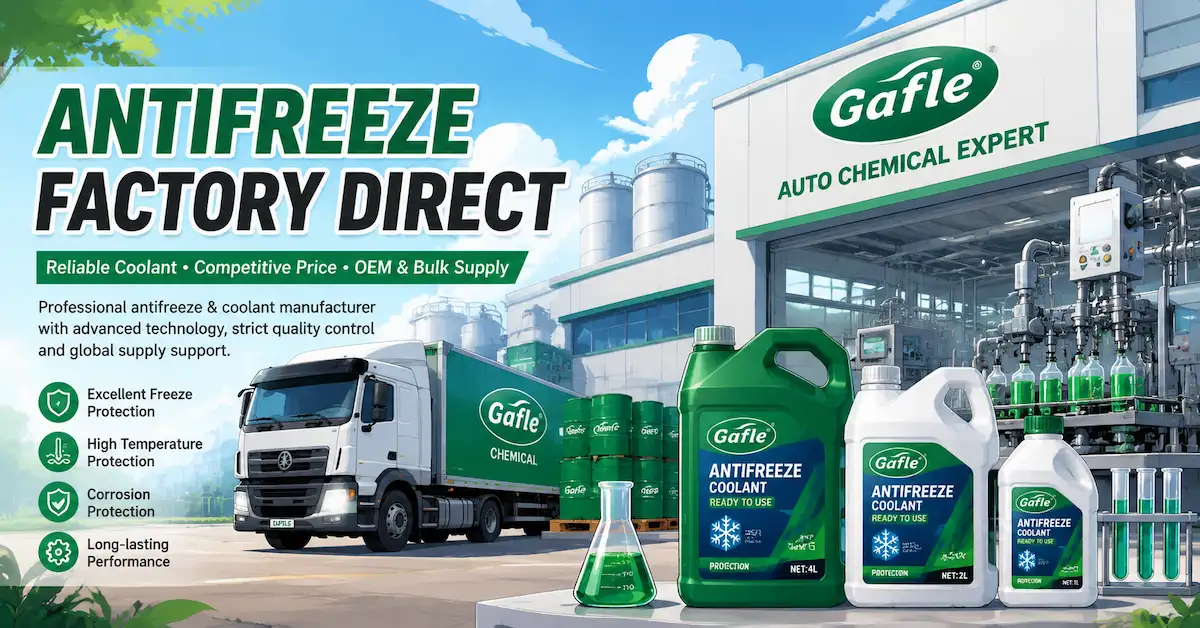
Antifreeze Factory Direct supply helps distributors, importers, and automotive brands reduce sourcing costs while maintaining reliable coolant quality and production stability. This guide explains how buyers evaluate direct antifreeze manufacturers based on formulation technology, quality control, OEM capability, and long-term supply support.
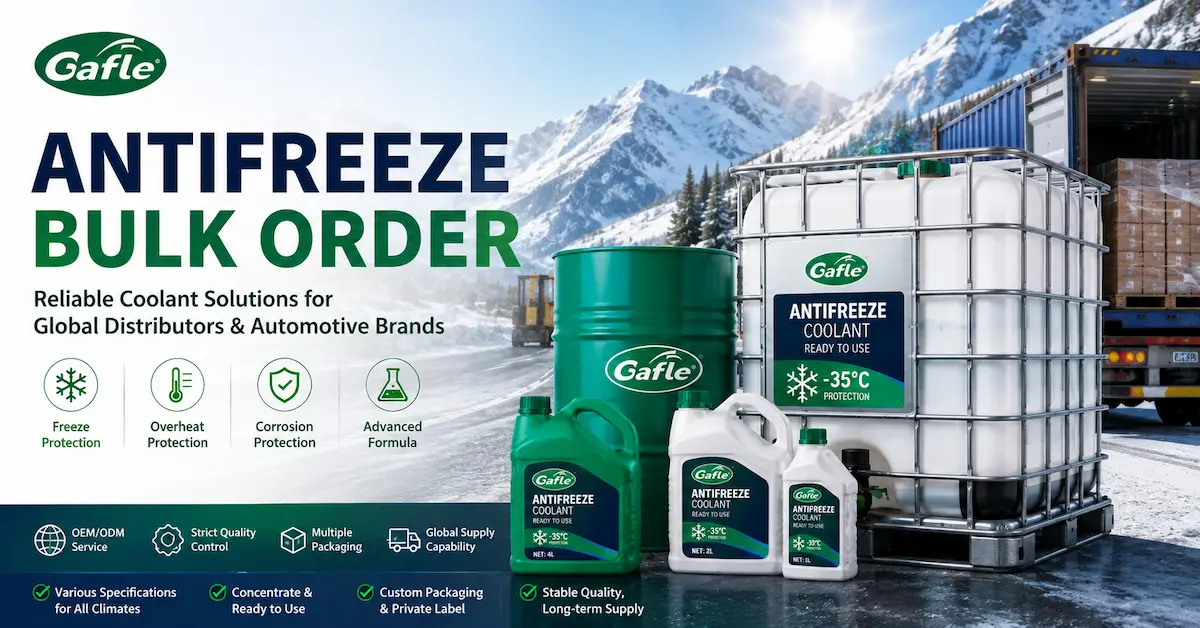
An antifreeze bulk order should be planned around the destination climate, vehicle application, coolant concentration, packaging format, and repeat-order requirements—not unit price alone. This guide helps importers, distributors, fleet suppliers, and private-label brands evaluate coolant specifications, bulk packaging, quality control, OEM options, and supplier risks before placing volume orders.
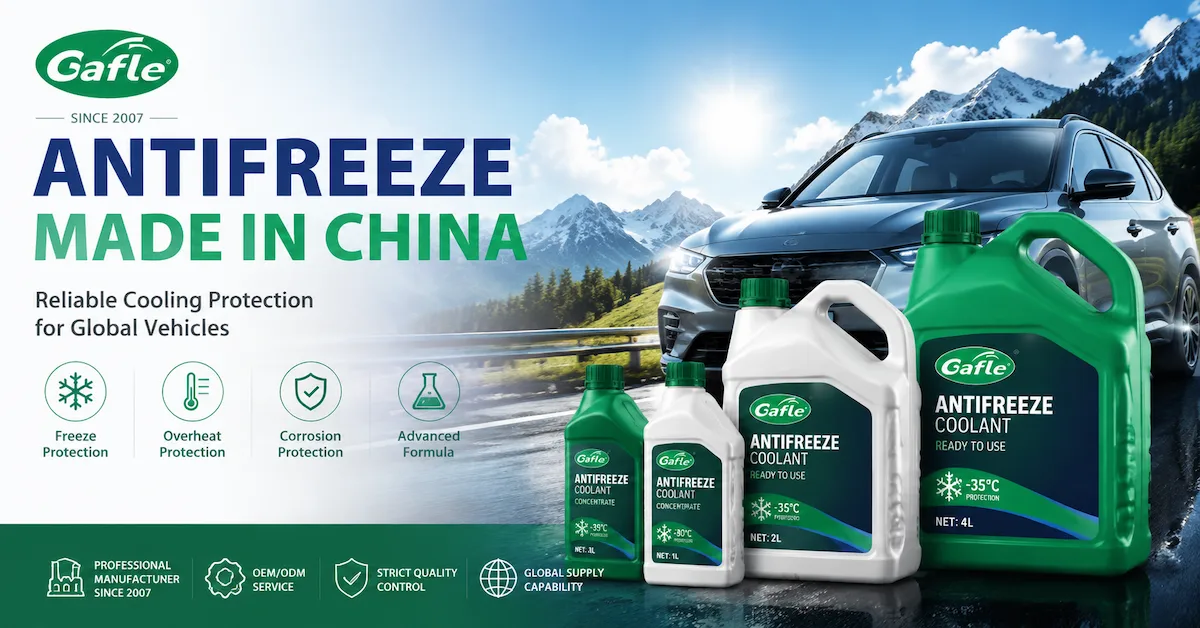
Antifreeze Made in China has become an important sourcing option for global automotive distributors, importers, and private-label brands. This guide explains how buyers evaluate Chinese antifreeze manufacturers based on coolant performance, formulation technology, quality control, OEM capability, and international supply reliability.
Home
Product
Contact
Inquiry