BRAKE FLUID--NO TESTING! NO SHIPPING!
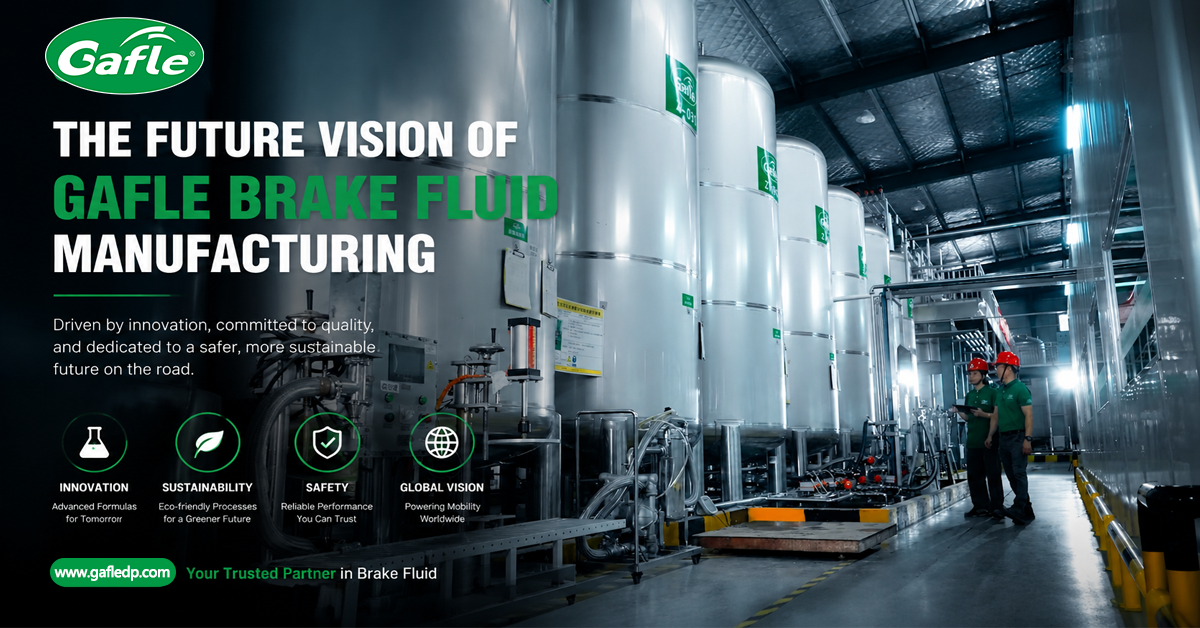
In the automotive industry, ensuring the integrity of BRAKE FLUID--NO TESTING! NO SHIPPING! is a non-negotiable principle that safeguards CAR'S SAFETY. Brake fluid serves as the hydraulic medium that transmits force from the brake pedal to the braking components, making its quality paramount. Any compromise in this vital fluid can lead to catastrophic failures, endangering drivers, passengers, and other road users. Statistics from the National Highway Traffic Safety Administration (NHTSA) indicate that brake-related issues contribute to thousands of accidents annually in the United States alone. By adhering strictly to the rule of no testing, no shipping, manufacturers and suppliers underscore their commitment to rigorous quality control protocols. This approach not only prevents defective products from reaching consumers but also builds trust in the supply chain. For instance, improper brake fluid can absorb moisture over time, lowering its boiling point and causing brake fade during high-stress situations like emergency stops or downhill driving.
BRAKE FLUID Incoming Raw Material Inspection
The journey of quality assurance begins with BRAKE FLUID Incoming Raw Material Inspection, a critical first line of defense against substandard inputs. Upon arrival at production facilities, raw materials such as glycol ethers, polyalkylene glycols, and additives undergo meticulous examination. This inspection involves verifying viscosity, boiling point, and pH levels using standardized testing equipment like viscometers and refractometers. According to industry standards set by the Society of Automotive Engineers (SAE), brake fluid must meet specifications like DOT 3, DOT 4, or DOT 5.1 to ensure compatibility with various vehicle systems. Inspectors check for contamination, such as water ingress or particulate matter, which could degrade performance. Data from a 2022 study by the International Organization for Standardization (ISO) reveals that 15% of production defects trace back to flawed incoming materials. By rejecting non-compliant batches, companies prevent downstream issues, aligning with the overarching mantra of BRAKE FLUID--NO TESTING! NO SHIPPING!. This proactive step not only enhances CAR'S SAFETY but also optimizes manufacturing efficiency by reducing waste and rework.
BRAKE FLUID Pre-production Stock Inspection
Following raw material approval, BRAKE FLUID Pre-production Stock Inspection ensures that stored components remain viable before blending into final products. Warehouses maintain controlled environments to prevent degradation, with regular sampling for moisture content and chemical stability. Advanced tools, including Karl Fischer titrators, measure water levels, as even trace amounts can cause corrosion in brake systems. The American Society for Testing and Materials (ASTM) D1123 standard guides these checks, emphasizing the need for fluids to retain their hygroscopic properties without excessive absorption. In a real-world scenario, a major recall in 2019 was averted when pre-production inspections detected ester-based fluid inconsistencies, potentially averting failures in over 100,000 vehicles. This phase reinforces CAR'S SAFETY by bridging the gap between receipt and production, embodying the no-testing-no-shipping policy. Insights from supply chain analytics show that thorough stock inspections can cut defect rates by up to 25%, highlighting their economic and safety benefits.
BRAKE FLUID In-process Patrol Inspection
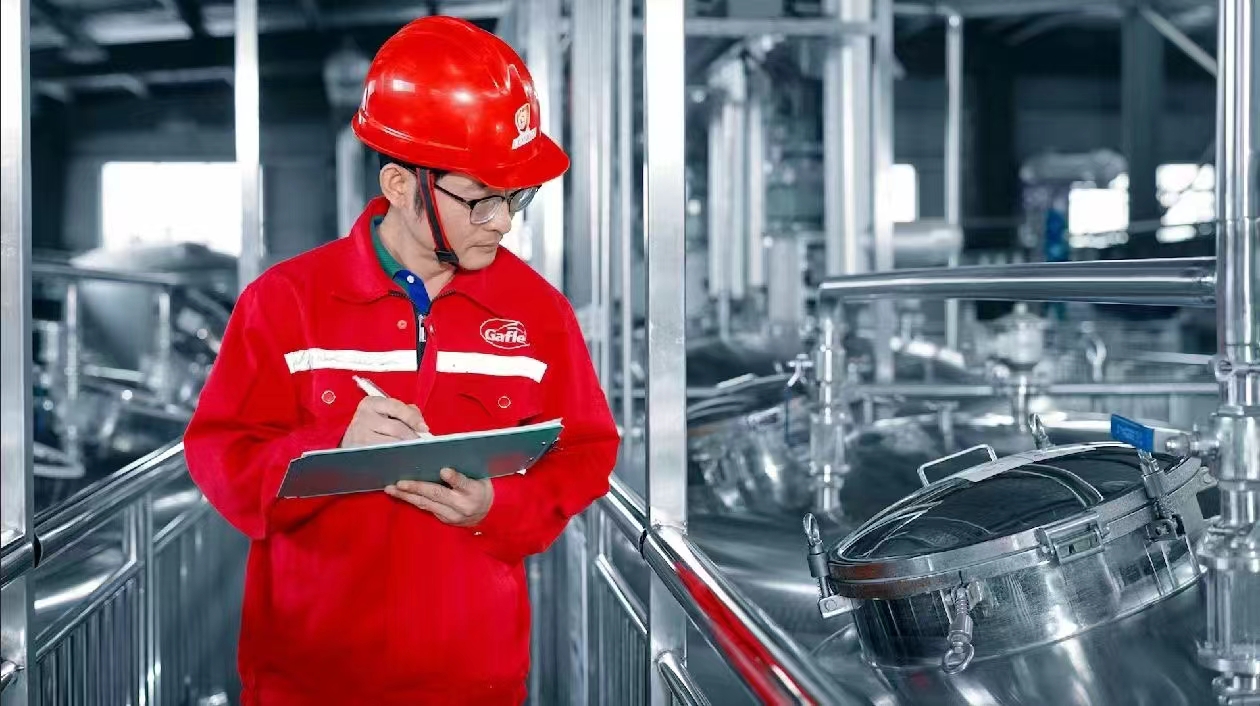
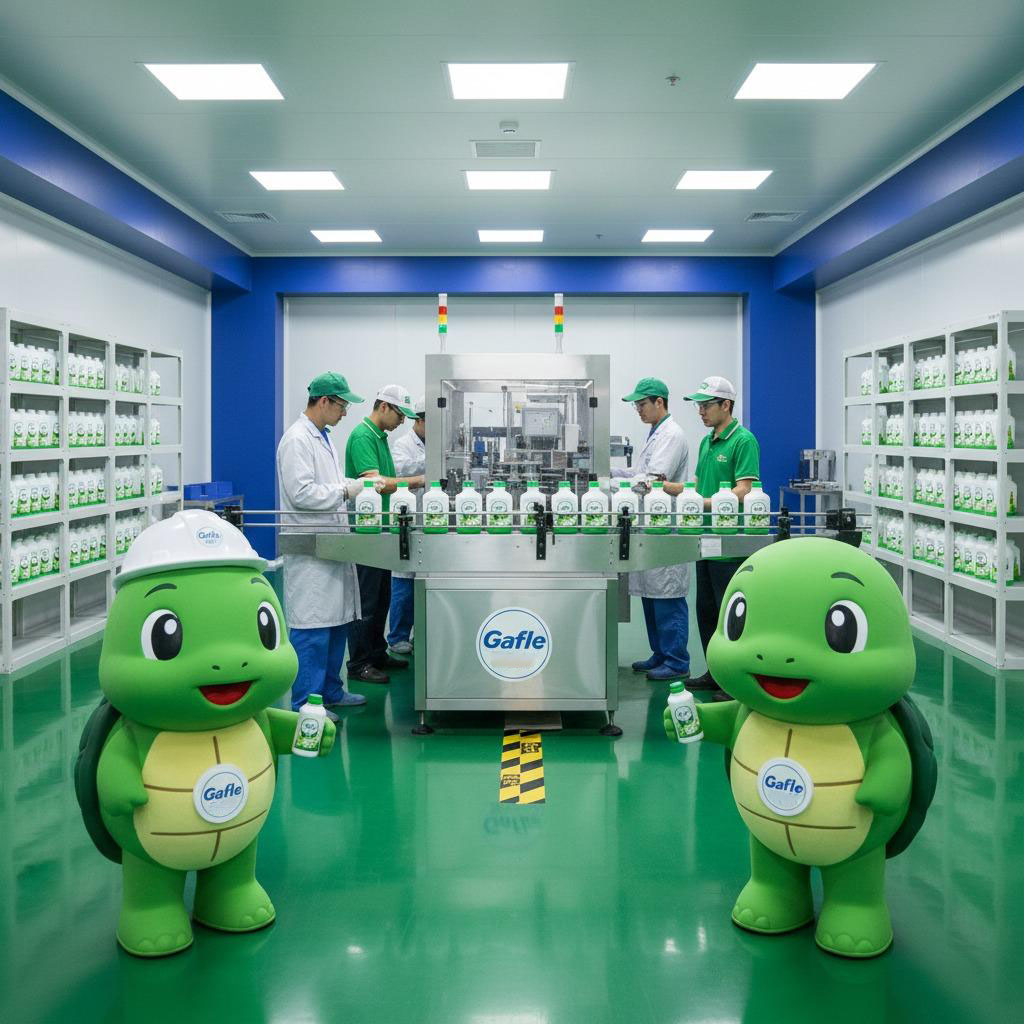
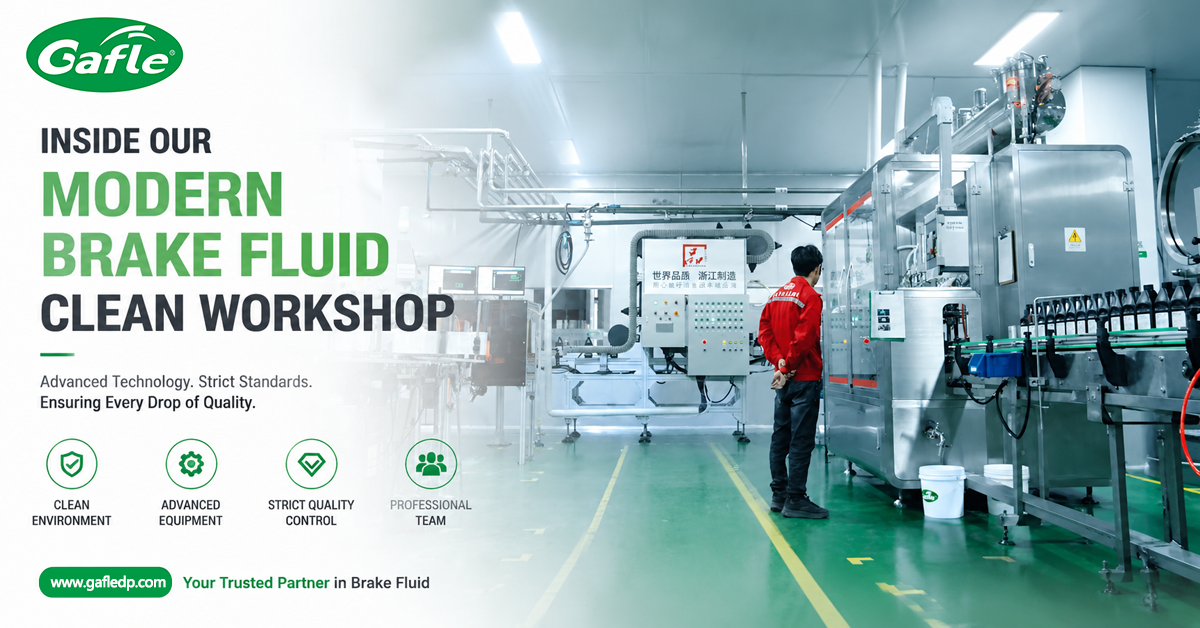
During manufacturing, BRAKE FLUID In-process Patrol Inspection monitors the blending and filling stages to catch deviations in real-time. Patrol teams conduct spot checks on mixing ratios, temperature controls, and filtration processes, ensuring uniformity across batches. For example, the formulation must achieve a minimum dry boiling point of 230°C for DOT 4 fluids, as per Federal Motor Vehicle Safety Standard (FMVSS) No. 116. Deviations, such as over-addition of corrosion inhibitors, can alter fluid performance, leading to seal swelling or system leaks. A 2023 report by the Automotive Aftermarket Suppliers Association (AASA) notes that in-process interventions have reduced quality escapes by 40% in participating facilities. This vigilant oversight upholds CAR'S SAFETY by maintaining consistency, directly tying into BRAKE FLUID--NO TESTING! NO SHIPPING!. By integrating automated sensors for continuous data logging, modern plants further enhance accuracy, providing traceable records for audits and continuous improvement.
BRAKE FLUID Finished Product Inspection
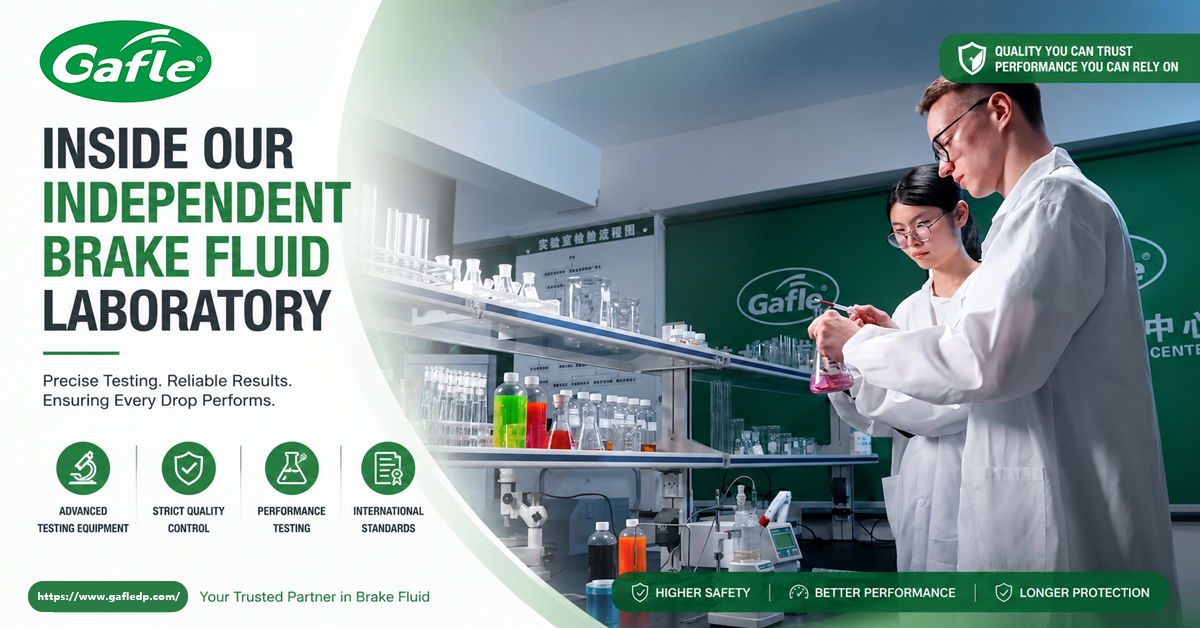
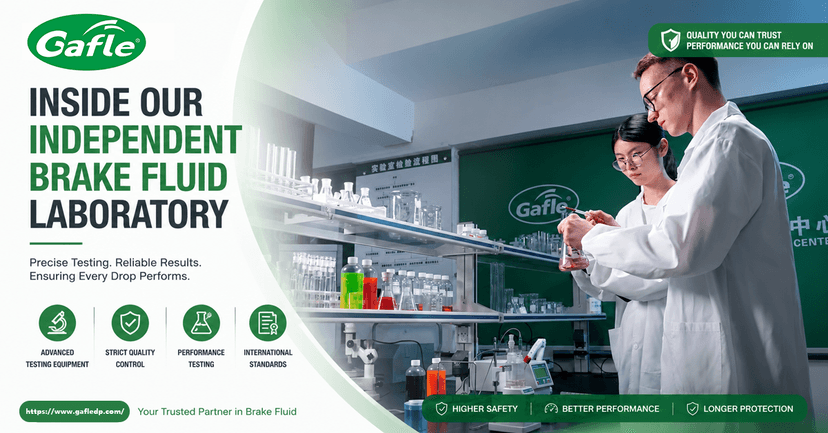
The final safeguard, BRAKE FLUID Finished Product Inspection, validates that packaged fluids meet all regulatory and performance criteria before dispatch. Comprehensive tests include flash point determination, kinematic viscosity at varying temperatures, and compatibility with rubber components. Laboratories simulate extreme conditions, such as high-heat cycling, to mimic real-world braking demands. The European Union's REACH regulations mandate these evaluations to protect environmental and human health. Historical data from the Brake Fluid Task Force under SAE shows that rigorous final inspections have prevented 90% of potential field failures. Only after passing these hurdles does shipment occur, strictly enforcing BRAKE FLUID--NO TESTING! NO SHIPPING!. This culminates in enhanced CAR'S SAFETY, as verified products reach mechanics and consumers with assured reliability. Ultimately, this multi-layered inspection framework not only complies with global standards but also fosters innovation in fluid technology, ensuring safer roads for all.
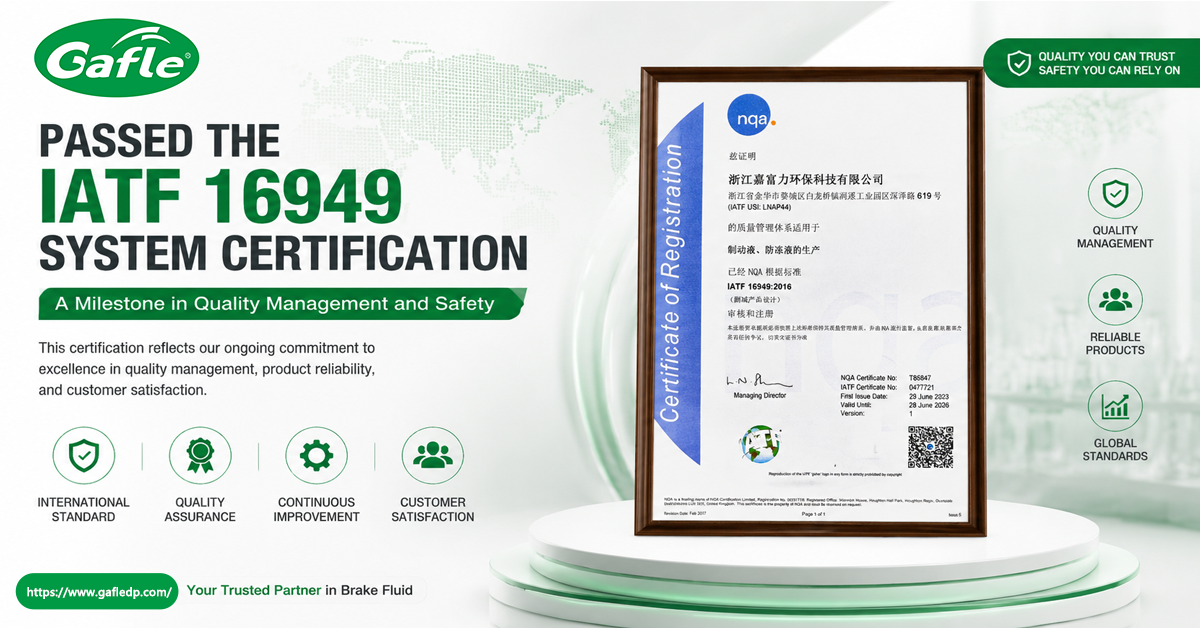
In conclusion, the stringent inspections—from incoming materials to finished products—form the backbone of quality in brake fluid production, prioritizing safety without compromise.