Engine coolant, commonly known as antifreeze, plays three core roles in your vehicle: preventing liquid freezing in frigid weather, stopping engine overheating under high temperatures, and inhibiting rust and corrosion inside radiators, water pumps and engine castings. Skipping scheduled coolant changes will gradually clog the cooling system and result in expensive engine repairs. Below we break down coolant replacement cycles and DIY feasibility with professional advice from GAFLE.
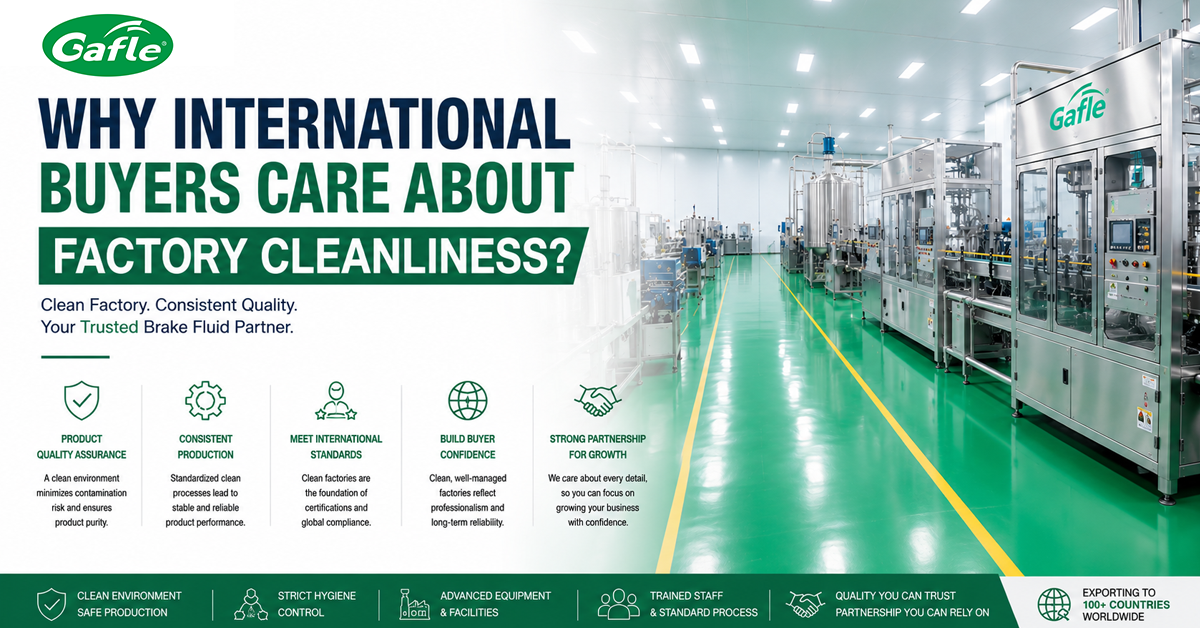
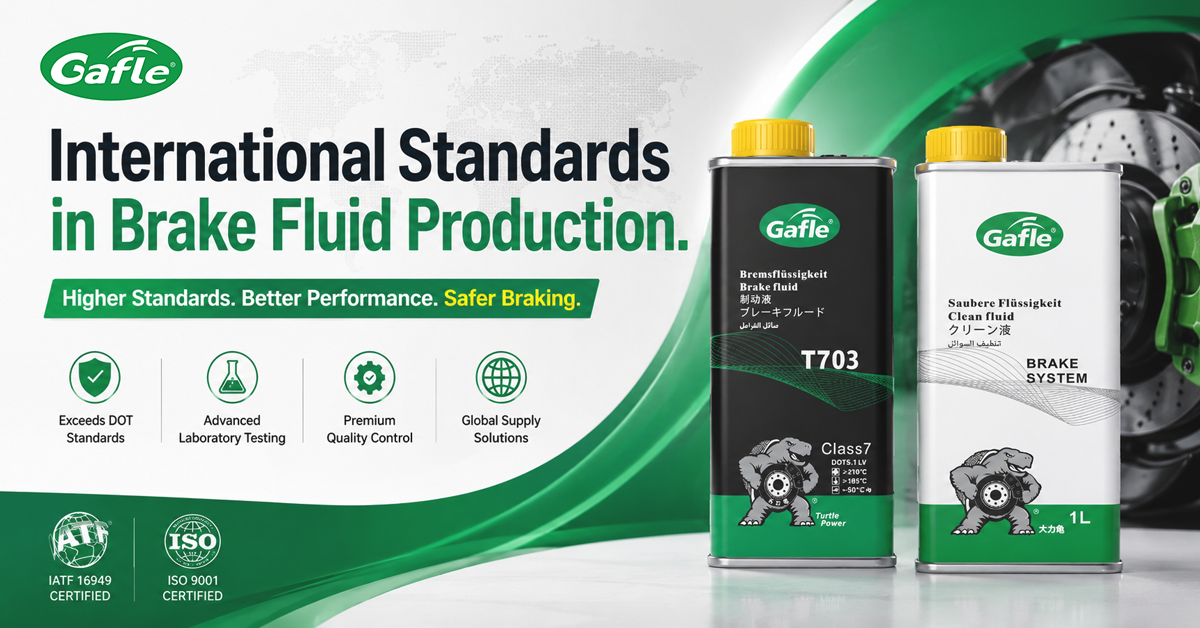
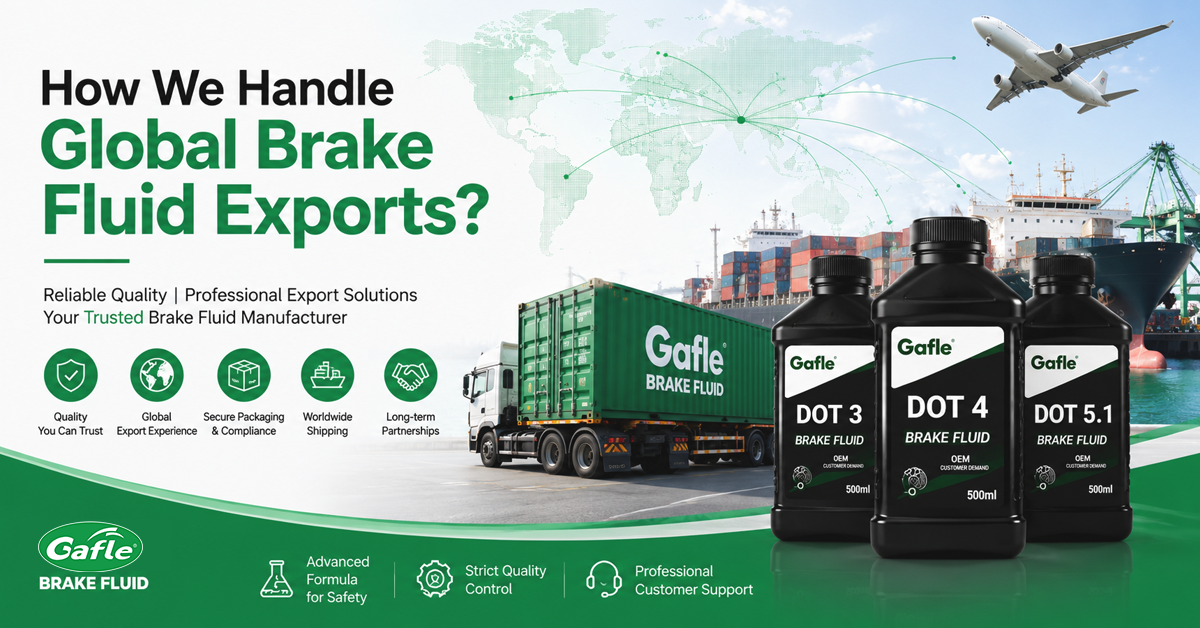
Zhejiang GAFLE AUTO CHEMICAL CO.,LTD is a professional manufacturer dedicated to brake fluid and antifreeze production and global sales, with more than 20 years of export experience. We participated in the formulation of China’s national standards for brake fluid. All our antifreeze and brake fluid items comply with DOT, AMECA, TUV and SGS international certifications. Our factory features one of China’s first dedicated clean production workshops, fully automated production lines, full sets of precision testing equipment and an in-house independent R&D laboratory to maintain consistent product quality aligned with global aftermarket requirements.
Recommended Antifreeze Replacement Intervals
- Traditional ethylene glycol coolant: Replace every 2 years or 40,000 km, based on whichever milestone arrives earlier.
- Long-life OAT organic acid coolant: Designed for extended service, requiring replacement every 5 years or 240,000 km for most late-model passenger vehicles.
- Unscheduled early replacement is necessary if the fluid turns murky, after cooling system leak repairs, or when different types of antifreeze are mistakenly blended together.
Is DIY Coolant Replacement a Good Option?
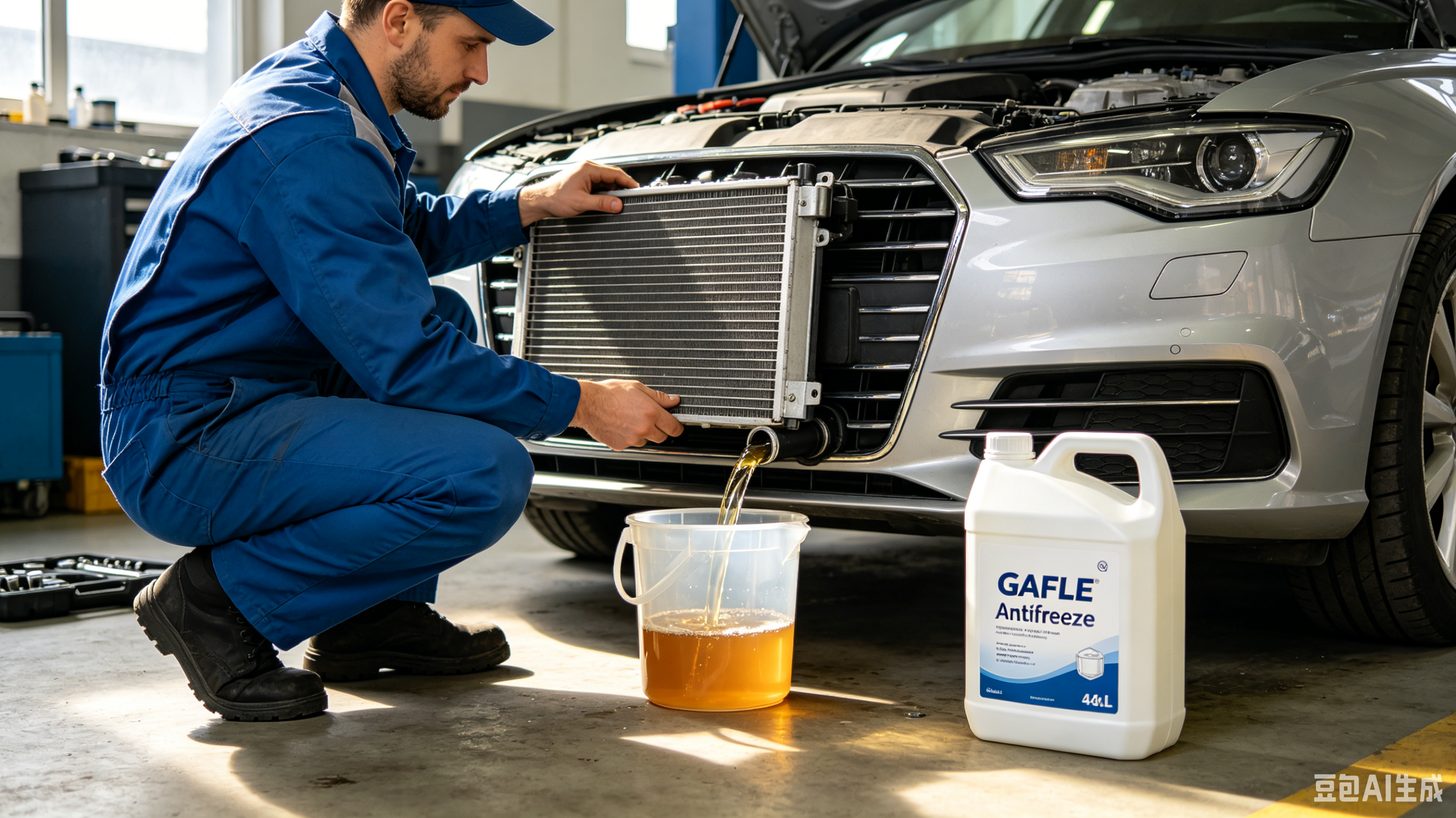
Seasoned car hobbyists can complete antifreeze replacement safely following standard procedures: carry out service on a fully cooled engine, drain out exhausted old coolant, flush the entire cooling circuit, refill with fresh antifreeze, and bleed trapped air thoroughly from pipelines.
However, DIY work is not suggested for new vehicle owners or owners of luxury cars with intricate cooling layouts. Improper air removal easily leads to persistent engine overheating and permanent component damage; professional mechanic service is the safer choice in these scenarios.
How to Select High-Quality Antifreeze
Cheap uncertified antifreeze adopts inferior raw materials that corrode aluminum radiators and internal engine parts, bringing frequent breakdown risks. All GAFLE antifreeze undergoes rigorous laboratory inspections before leaving the factory to deliver reliable freeze protection, anti-corrosion and heat dissipation performance.
Final Words
Follow the specified replacement cycle to protect your engine from avoidable damage. Always opt for certified, standard-compliant antifreeze like GAFLE to eliminate hidden hazards caused by poor-quality aftermarket fluids.