Why racing brake fluid deserves a different buying process
Choosing racing car brake fluid is not the same as ordering a routine service item from the shelf. In a street car, brake fluid is mostly judged by compatibility and scheduled maintenance. In motorsport, it has a harder job: repeated high-temperature stops, quick pedal feel, and less margin for fade. That changes the way teams, workshops, and performance parts buyers should evaluate the product.
The real question is not whether brake fluid “works.” It does. The question is how it behaves when the brake system gets hot, when the pedal is held down lap after lap, and when the team needs consistent results instead of a vague improvement. That is why many buyers look specifically for high performance brake fluid or professional racing brake fluid rather than a general maintenance fluid.
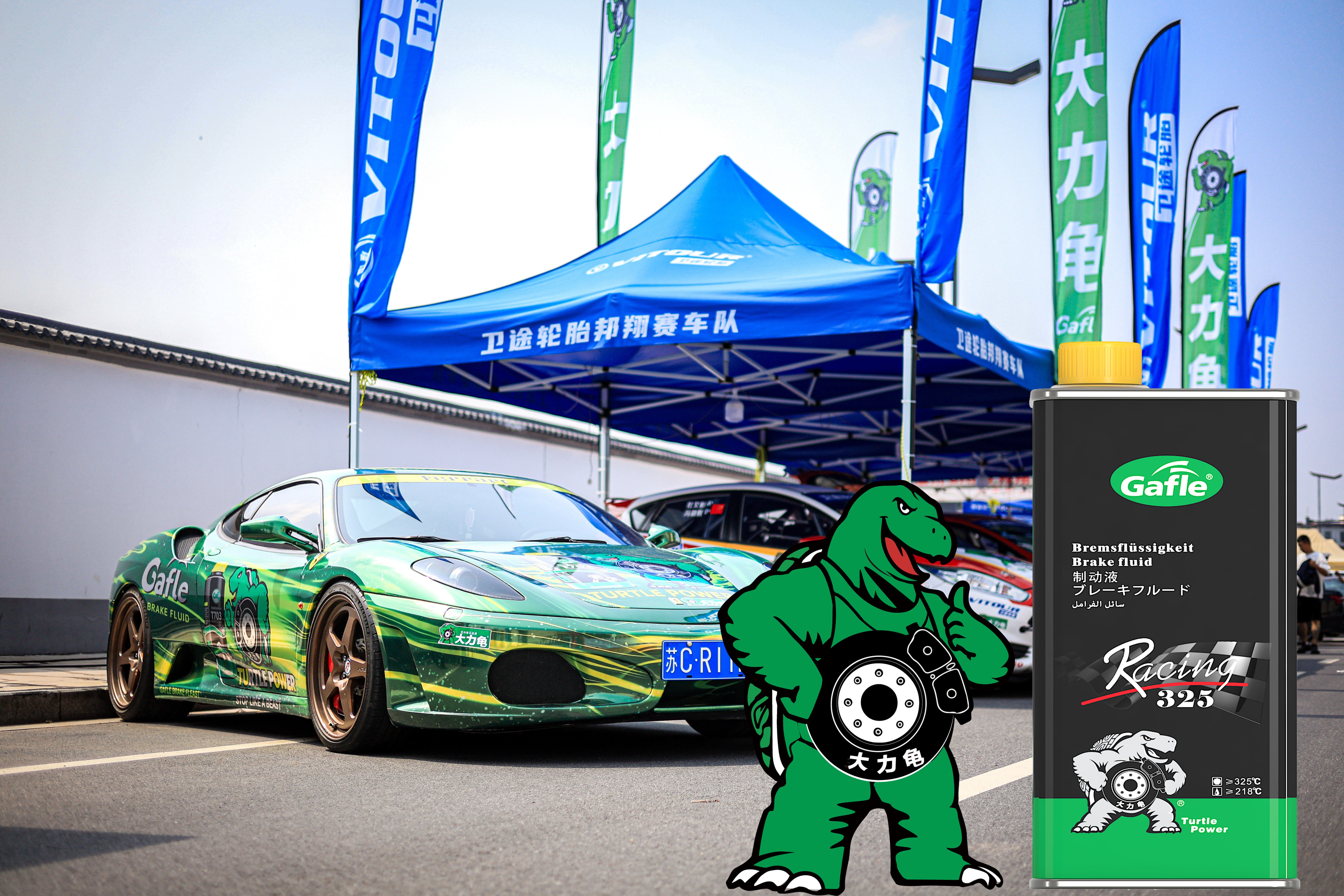
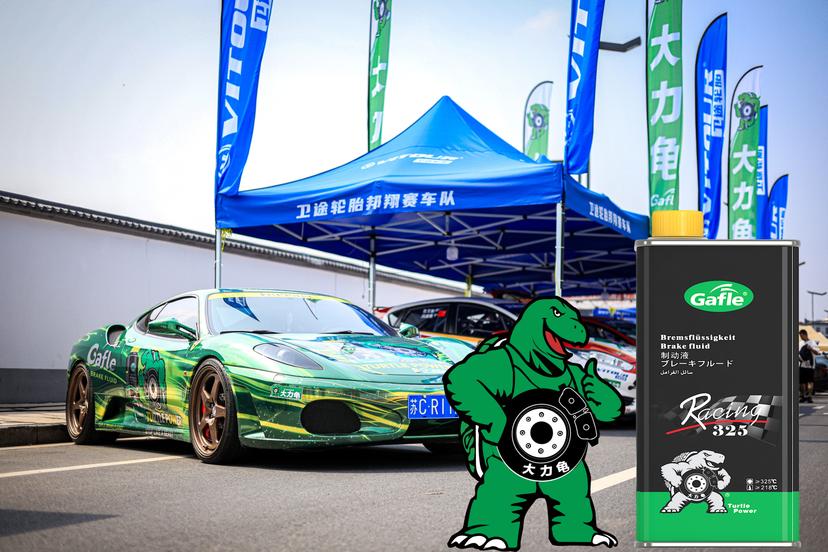
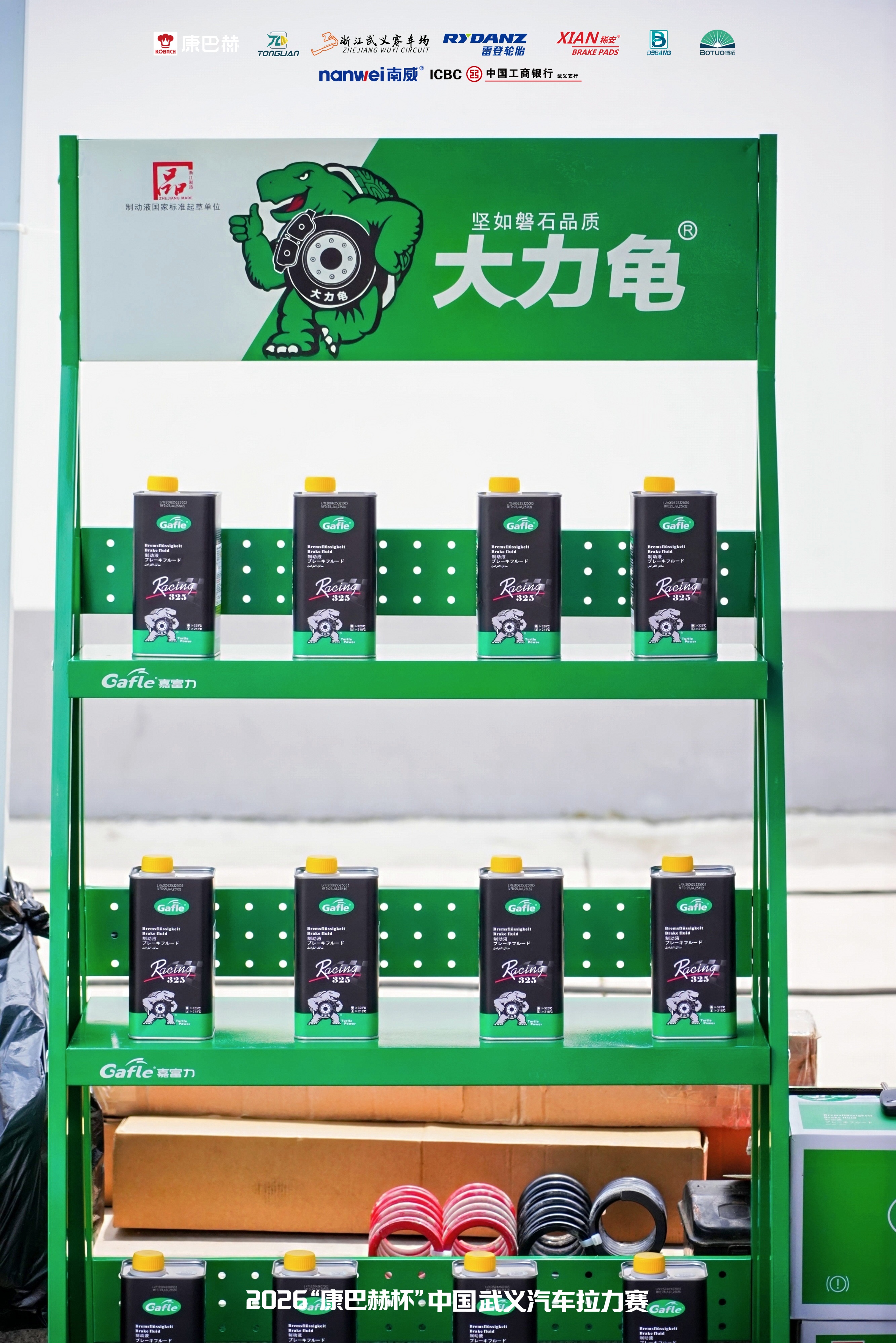
The product shown in the supplied material is Gafle “Racing 325,” displayed in opaque metal cans with yellow screw caps on a green retail stand. The packaging suggests a finished automotive consumable aimed at performance use. The visible information does not confirm chemistry, boiling point, or DOT classification, so those details should be verified before purchase. That caution matters more than it sounds like it should.
What buyers are really trying to solve
Brake fluid sits at the center of brake feel. If the fluid degrades under heat, the pedal can become long, soft, or inconsistent. In racing, inconsistency is a problem in itself. Drivers adjust braking points by feel as much as by data, and a drifting pedal makes that harder. For workshop managers, it also means more complaints, more rework, and more risk of bringing the wrong stock to the track.
Motorsport brake fluid is selected for the operating environment, not just for the label. Track days, club racing, endurance events, and hill climbs all put different demands on the brake system. A short sprint may punish the fluid with a few very hard stops. Endurance racing can be even less forgiving because heat builds across the full event.
Step 1: Start with the brake system, not the bottle
Before ordering a replacement, confirm what the vehicle and braking system actually require. That includes the manufacturer’s recommendation, any known compatibility limits, and whether the car is using standard disc brakes, larger performance calipers, or a more specialized motorsport setup. Brake fluid is not a place to guess.
Also check what is already in the system. Mixing fluids without understanding the chemistry can create maintenance headaches. A shop may stock a fluid that performs well on track, but if it is not compatible with the existing fill or service procedure, the gain disappears quickly.
Step 2: Compare use cases, not marketing words
Labels such as “race,” “racing,” or “performance” can describe very different products. Some fluids are aimed at weekend track use. Others are intended for competition vehicles that undergo frequent service. The visible “Racing 325” branding on the Gafle product suggests a performance-oriented line, but the number alone should not be treated as a technical spec unless the supplier explains it.
For a sourcing manager, the practical comparison usually looks like this:
• Will the fluid support the expected brake temperatures?
• Is pedal feel consistent after repeated hard stops?
• Does the product fit the team’s service schedule?
• Can the workshop replenish it without risking compatibility confusion?
That is a more useful filter than simply chasing the highest-performance claim on the carton.
Step 3: Evaluate packaging and supply readiness
Packaging may seem secondary, but for distributors and race teams it affects storage, handling, and field use. The pictured product uses opaque rectangular cans or bottles with screw caps, arranged in multiple units on display shelving. That kind of packaging usually supports stackable storage and shelf presentation, which matters for aftermarket retail and event booths.
If you are buying for a workshop or parts counter, check whether the container format is easy to dispense cleanly and whether the packaging is clearly labeled. Brake fluid is a safety-critical consumable; a vague label on a busy shelf is asking for a wrong-pull incident. Not dramatic, just annoying until it is expensive.
Step 4: Ask for the missing technical data
Because the supplied material does not confirm exact performance numbers, a buyer should request the missing details before committing to stock or specifying the fluid for a program. The useful questions are straightforward:
• What standard or specification does it meet?
• What is the recommended application window?
• Is it suitable for mixed road and track use?
• How should it be stored once opened?
• What is the service interval guidance?
Those are the answers that decide whether a fluid belongs on a motorsport prep list or only in general retail inventory.
Common mistakes when sourcing racing brake fluid
The most common mistake is assuming every racing car brake fluid replacement is interchangeable. It is not. Another is overbuying based on a race label without checking turnover. Brake fluid is a consumable; if it sits too long on the shelf, packaging and inventory control matter almost as much as formulation.
A third mistake is using the same buying criteria for all customers. A race team, a performance garage, and a general service center may all need brake fluid, but they do not need the same stocking policy. One wants consistency under load. Another wants a reliable retail item with a clear product story.
Buyer takeaway
If you are evaluating racing brake fluid for a workshop, parts counter, or motorsport program, start with compatibility and service conditions. Then verify the technical sheet, packaging format, and the exact application the supplier intends. The Gafle “Racing 325” product shown in the supplied image appears to be a motorsport-oriented brake fluid packaged for retail or trade distribution, but the important next step is still the same: confirm the spec before it goes into a car.
For sourcing, that usually means asking for the product data sheet, checking the vehicle list, and matching the fluid to the event or maintenance plan. If the supplier can support that conversation clearly, you are probably looking at a practical fit. If not, keep looking.