
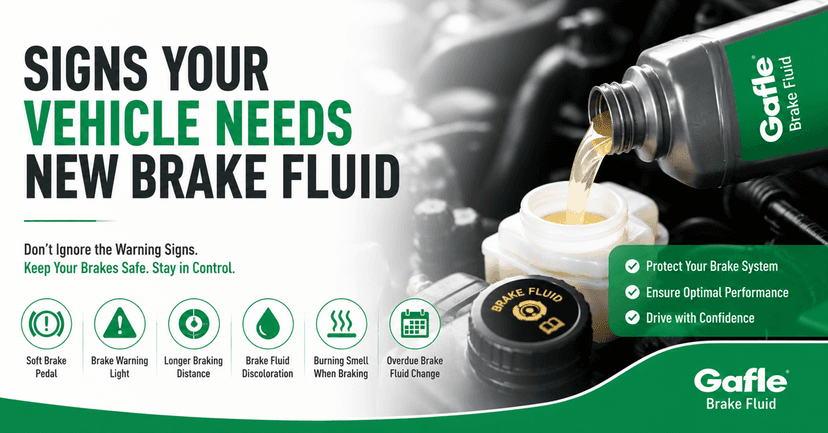
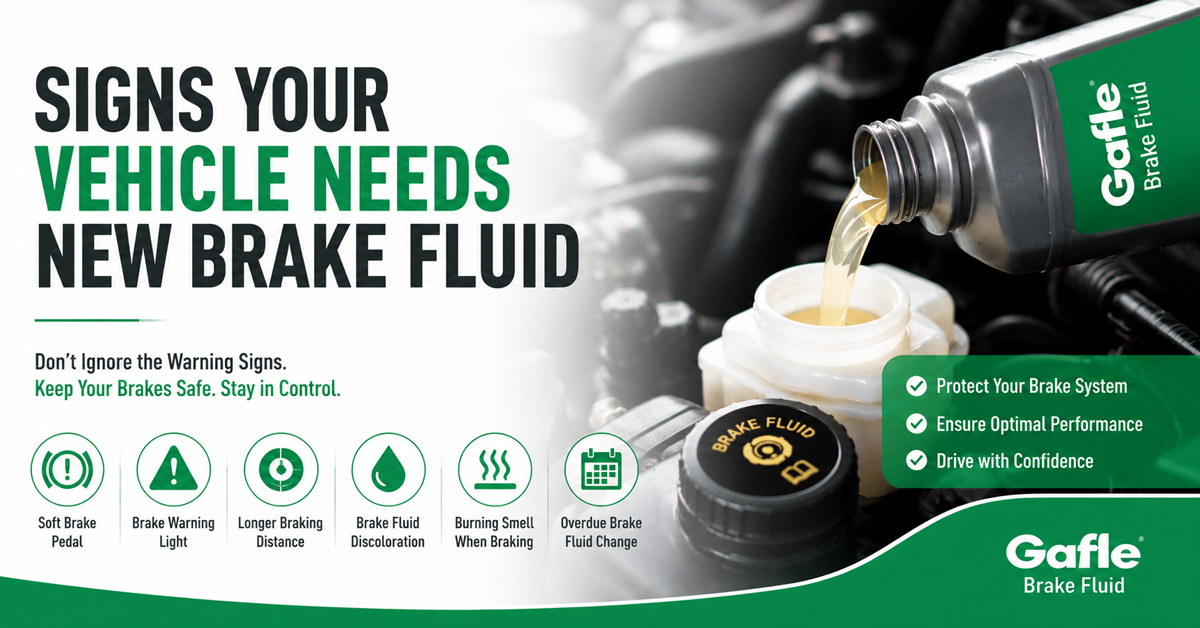
Signs Your Vehicle Needs New Brake Fluid
Brake fluid plays an essential role in vehicle braking performance and driving safety. However, many vehicle owners overlook brake fluid maintenance until braking problems begin to appear. Old or contaminated brake fluid can reduce braking efficiency, damage brake system components, and increase driving risks.
Understanding the common signs of bad brake fluid can help drivers maintain safer and more reliable vehicle performance.
Why Brake Fluid Maintenance Matters
Brake fluid transfers the force from the brake pedal to the braking system. Over time, brake fluid absorbs moisture from the air, which can lower its boiling point and affect braking performance.
Regular brake fluid maintenance helps:
- Maintain stable braking performance
- Protect brake system components
- Prevent corrosion inside the braking system
- Improve driving safety
- Extend vehicle service life
Ignoring brake fluid condition for too long may lead to expensive repairs and reduced braking reliability.
Common Signs of Bad Brake Fluid
There are several warning signs that may indicate your vehicle needs new brake fluid.
1. Brake Pedal Feels Soft or Spongy
A soft or spongy brake pedal is one of the most common brake warning signs. Moisture-contaminated brake fluid can reduce hydraulic pressure, causing delayed braking response.
2. Longer Braking Distance
If the vehicle takes longer to stop than usual, old brake fluid may no longer provide stable braking performance. This can become especially dangerous during emergency braking situations.
3. Brake Fluid Color Change
Fresh brake fluid is usually clear or light yellow. Over time, contamination and oxidation can cause a noticeable brake fluid color change, turning the fluid dark brown or black.
Dark brake fluid often indicates:
- Moisture contamination
- Internal system corrosion
- Dirt or debris buildup
- Fluid deterioration
Regular visual inspection can help identify when replacement is necessary.
4. Brake Warning Light Appears
Modern vehicles may display a brake warning light when brake system performance becomes unstable. Low brake fluid levels or degraded fluid condition can trigger these alerts.
5. Burning Smell During Braking
Under heavy braking conditions, old brake fluid with a reduced boiling point may overheat and produce a burning smell. This may indicate that the fluid can no longer handle high-temperature braking conditions safely.
When to Change Brake Fluid
Many drivers ask: when to change brake fluid?
Although replacement intervals vary depending on driving conditions and vehicle type, most manufacturers recommend changing brake fluid every 2 years or according to the vehicle maintenance schedule.
Drivers in hot climates, mountainous areas, or heavy traffic conditions may need more frequent brake fluid replacement due to increased brake system temperatures.
How Often to Change Brake Fluid
Understanding how often to change brake fluid is important for maintaining safe vehicle performance.
Brake fluid should be inspected regularly for:
- Moisture content
- Color condition
- Boiling point performance
- Brake pedal responsiveness
Professional maintenance checks can help ensure the brake system remains reliable and safe.
Choosing High-Quality Brake Fluid
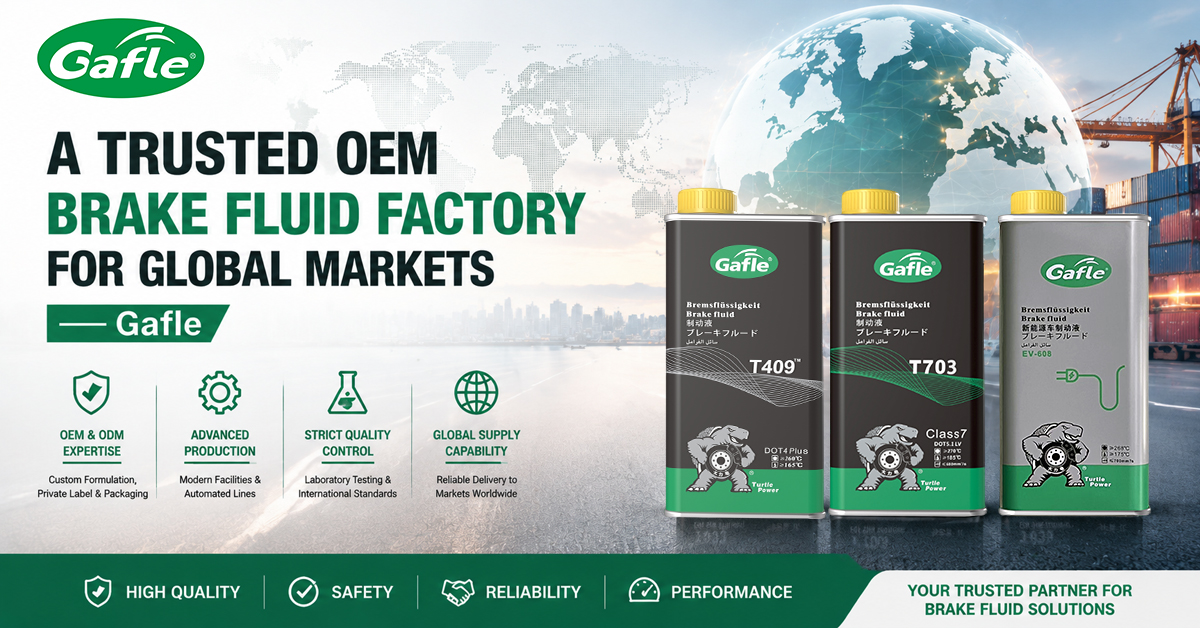
Using high-quality brake fluid is essential for maintaining stable braking performance. At Gafle Brake Fluid Factory, we focus on strict quality control, stable boiling point performance, and reliable brake fluid production for global automotive markets.
Our products include:
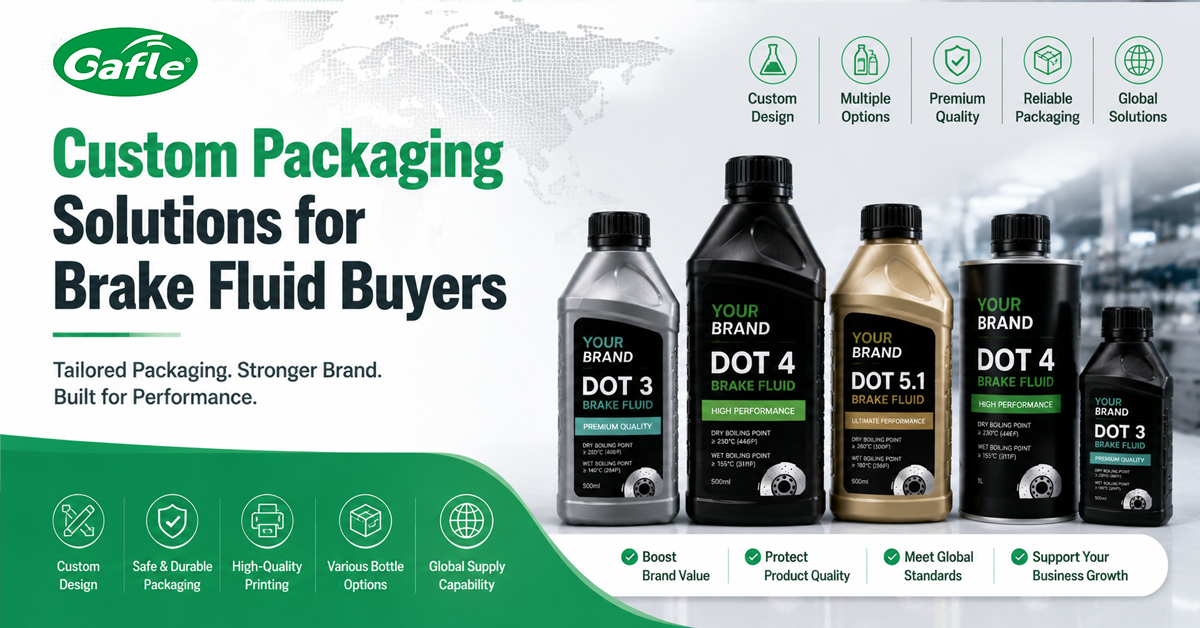
- DOT 3 brake fluid
- DOT 4 brake fluid
- DOT 5.1 brake fluid
- OEM & private label solutions
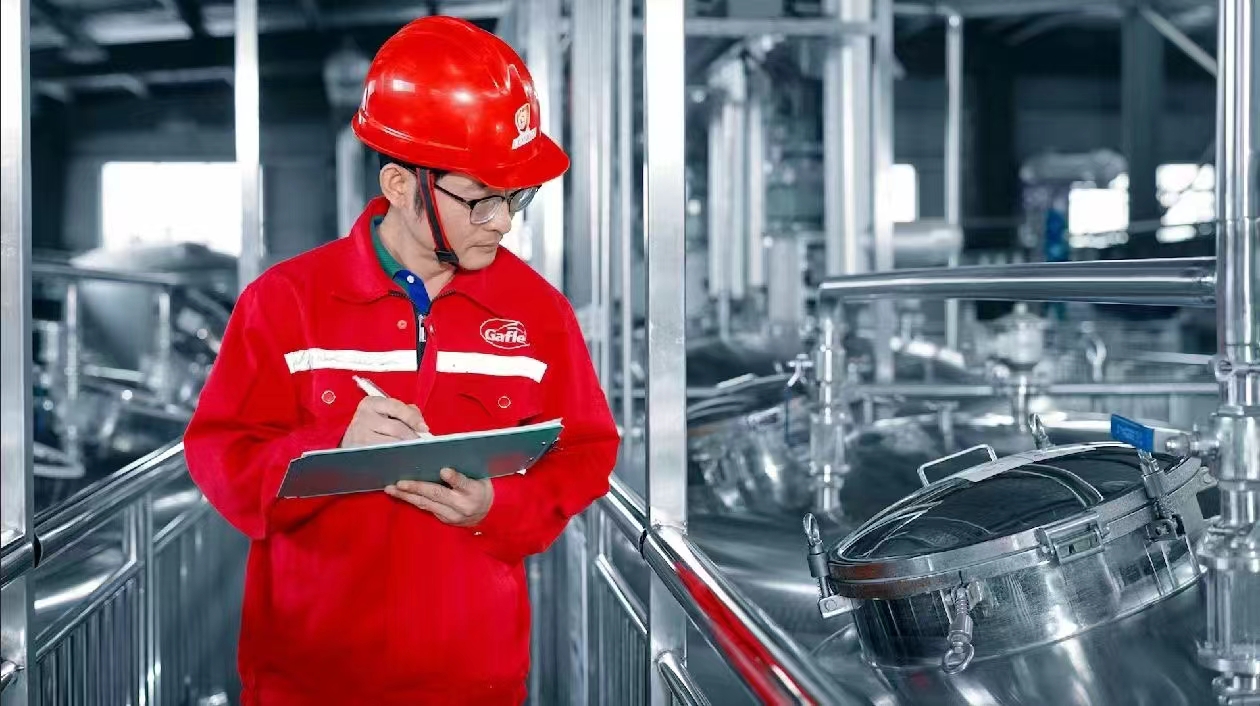
Through professional manufacturing systems and laboratory testing, Gafle continues providing dependable brake fluid solutions for distributors and automotive customers worldwide.
Conclusion
Brake fluid is a critical part of vehicle safety, but it is often overlooked during regular maintenance. Paying attention to the signs of bad brake fluid can help prevent braking problems and improve driving safety.
Regular brake fluid inspection and timely replacement are essential for maintaining reliable braking performance and protecting the entire brake system.