
Understanding the Importance of High Quality Brake Fluid in Vehicle Safety
High quality brake fluid is essential for maintaining the reliability and safety of any vehicle's braking system. As a critical hydraulic fluid, it transmits the force from the brake pedal to the brake components, ensuring responsive and effective stopping power. In modern vehicles, where braking systems operate under high temperatures and pressures, using inferior brake fluid can lead to dangerous failures, such as spongy brakes or complete loss of braking efficiency. According to automotive experts, high quality brake fluid meets stringent standards like DOT 3, DOT 4, or DOT 5.1, which specify boiling points and viscosity to prevent vapor lock during intense use. For instance, a fluid with a dry boiling point above 230°C is crucial for performance driving, reducing the risk of brake fade. Statistics from the National Highway Traffic Safety Administration indicate that brake-related issues contribute to thousands of accidents annually, underscoring why selecting premium formulations is non-negotiable for drivers prioritizing safety.
Key Properties and Standards for High Quality Brake Fluid
What defines high quality brake fluid? Primarily, it's the fluid's ability to resist moisture absorption and maintain stability over time. Glycol-based brake fluids, common in most vehicles, are hygroscopic, meaning they attract water, which lowers the boiling point and can cause corrosion in brake lines and calipers. High quality brake fluid incorporates additives that inhibit this corrosion and extend service life, often lasting 2-3 years under normal conditions. The Society of Automotive Engineers (SAE) outlines specifications that ensure compatibility with rubber seals and metal components, preventing swelling or degradation. For electric and hybrid vehicles, silicone-based options like DOT 5 offer superior moisture resistance but require careful system flushing due to incompatibility with glycol fluids. Testing labs routinely evaluate these fluids for viscosity at low temperatures—ensuring smooth operation in winter—and high-temperature stability for summer or towing scenarios. Insights from industry reports show that vehicles using certified high quality brake fluid experience 30% fewer brake system failures compared to those with generic alternatives.
Selecting and Maintaining High Quality Brake Fluid for Optimal Performance
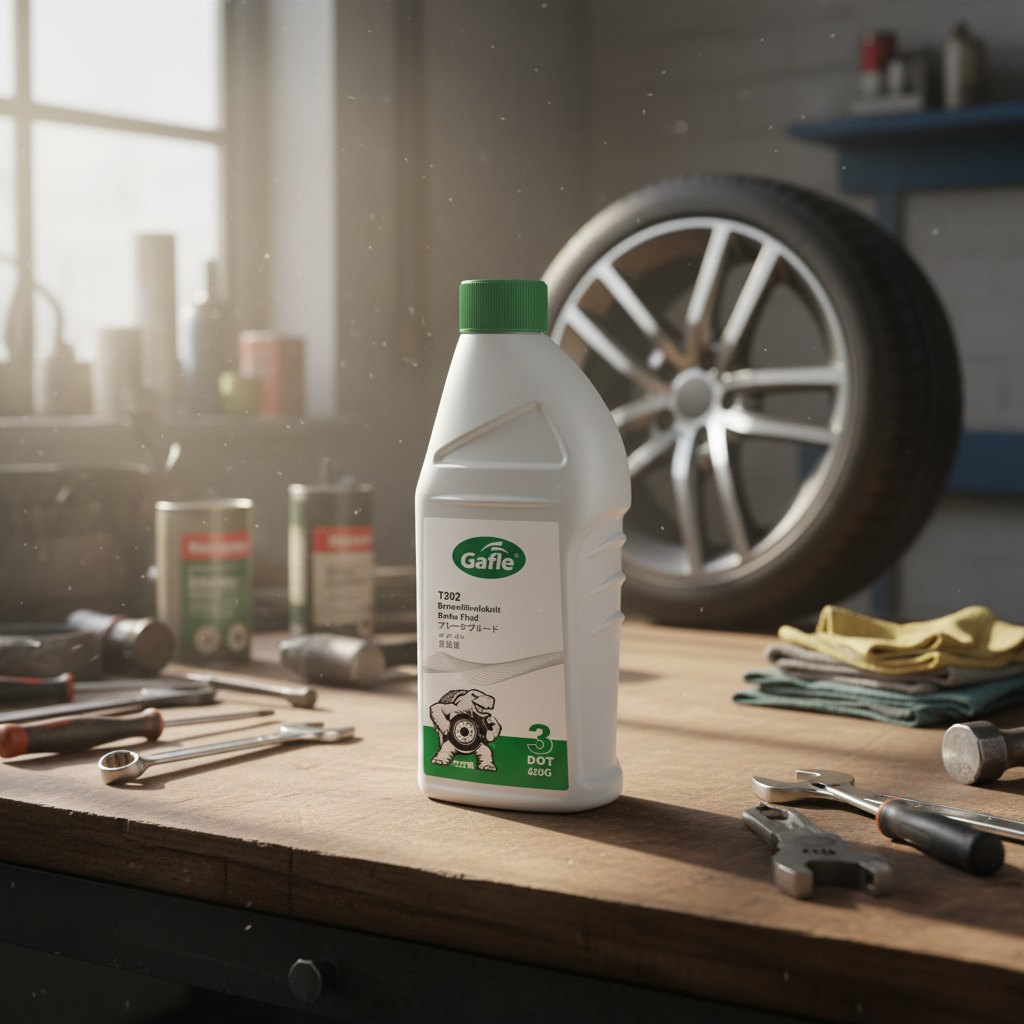
When choosing high quality brake fluid, consider your vehicle's manufacturer recommendations and driving habits. For everyday commuters, a DOT 4 fluid provides a balance of performance and affordability, while track enthusiasts might opt for racing-grade fluids with even higher boiling points. Always purchase from reputable suppliers to avoid counterfeits that fail to meet viscosity or compatibility standards. Maintenance involves regular inspections; experts recommend flushing the system every two years or after 30,000 miles to remove contaminants. This process, ideally performed by certified mechanics, involves bleeding the brakes to expel old fluid and air bubbles, restoring hydraulic efficiency. Data from automotive service centers reveals that proactive fluid changes can enhance braking response time by up to 20%, contributing to safer roads. Additionally, storing high quality brake fluid in sealed containers away from humidity preserves its integrity until use.
Advanced Testing and Innovations in Brake Fluid Technology

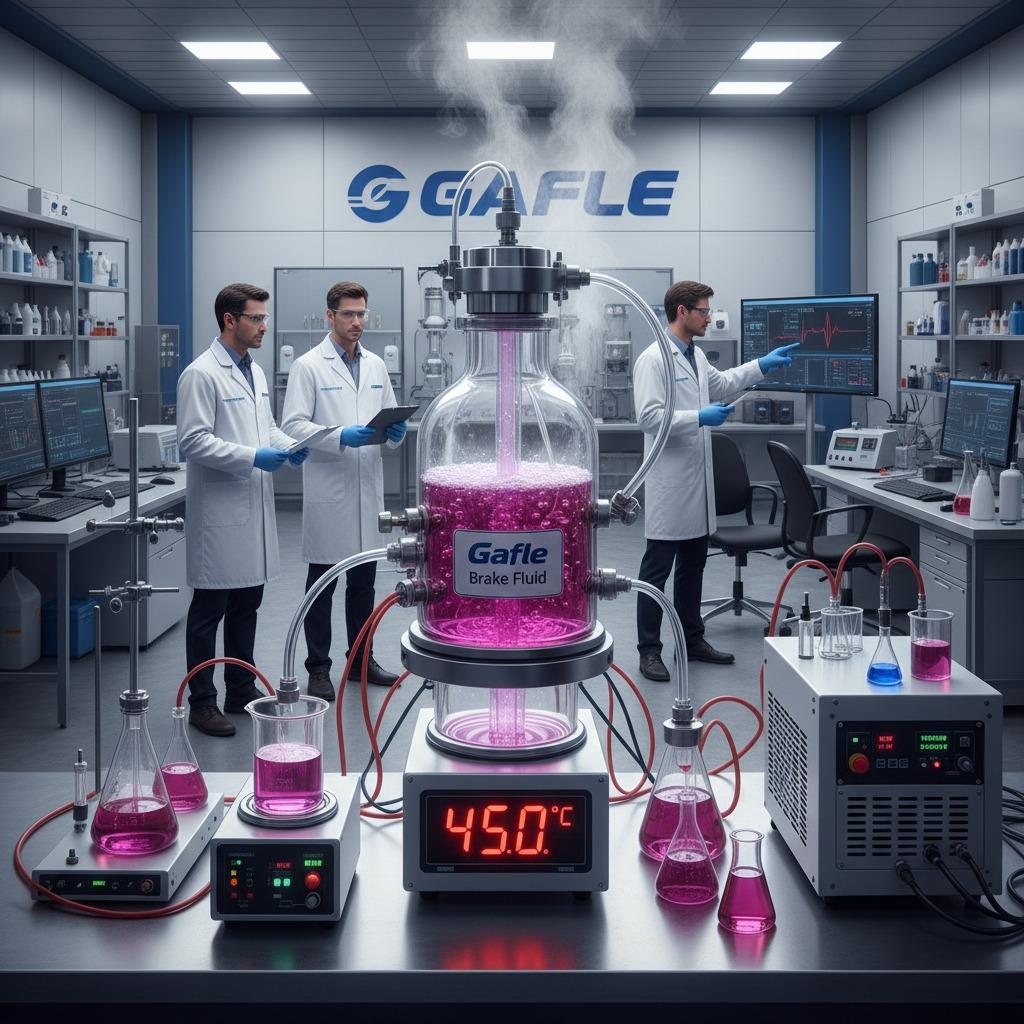
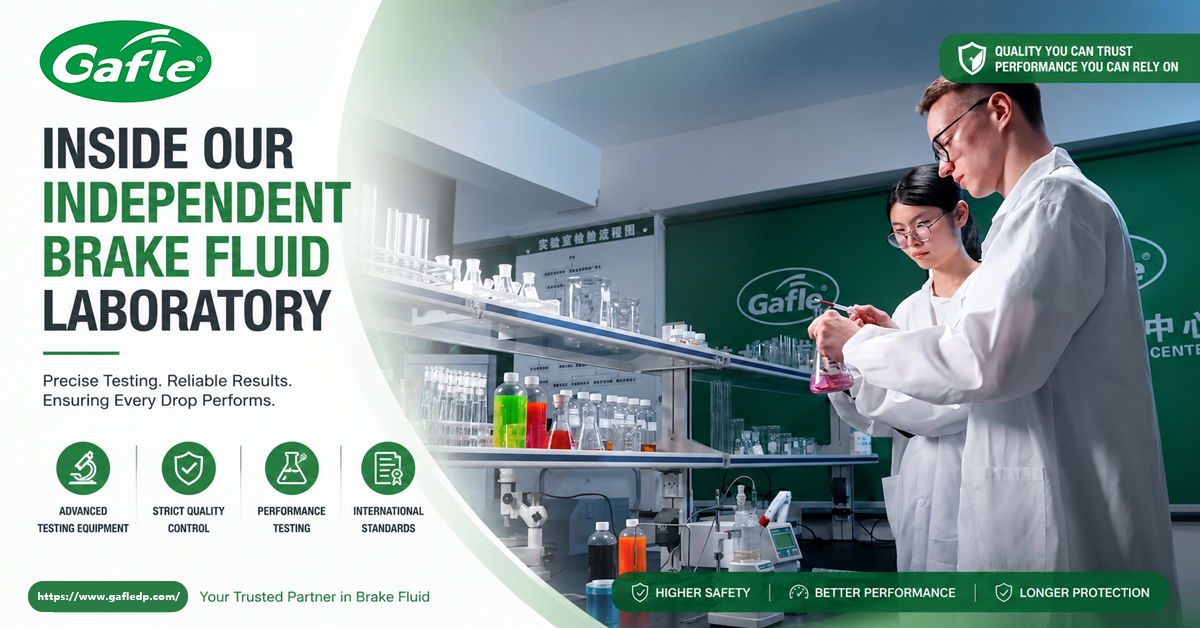
Behind the scenes, the development of high quality brake fluid relies on sophisticated laboratory testing to simulate real-world conditions. Precision glassware, such as borosilicate test tubes and flasks, allows researchers to measure fluid properties under controlled environments, ensuring chemical resistance and accurate boiling point determinations. Color-coded solutions in lab settings help differentiate various formulations during analytic procedures, facilitating straightforward quality control. Advanced tools like viscometers and thermal cyclers assess performance, mimicking the heat generated in brake calipers during emergency stops. These innovations have led to next-generation fluids with nanotechnology additives that improve lubricity and reduce wear on components. For industrial applications, such as fleet management, these lab-verified fluids minimize downtime and maintenance costs. As automotive technology evolves with ABS and electronic stability systems, high quality brake fluid remains the linchpin, integrating seamlessly for enhanced vehicle dynamics. By understanding these facets, drivers and professionals can make informed choices that prioritize longevity and safety.