
260°C Brake Fluid: Why Long Life Brake Fluid Matters in High-Temperature Braking Systems
Brake systems often fail not because of hardware limitations, but because the fluid inside cannot handle extreme heat. In demanding environments—such as heavy traffic, high-speed driving, or hot climates—standard fluids can reach their limits quickly. This is where long life brake fluid with a 260°C boiling point becomes essential, offering higher thermal resistance and more stable braking performance over time.
The Real Problem: Heat Build-Up and Fluid Breakdown
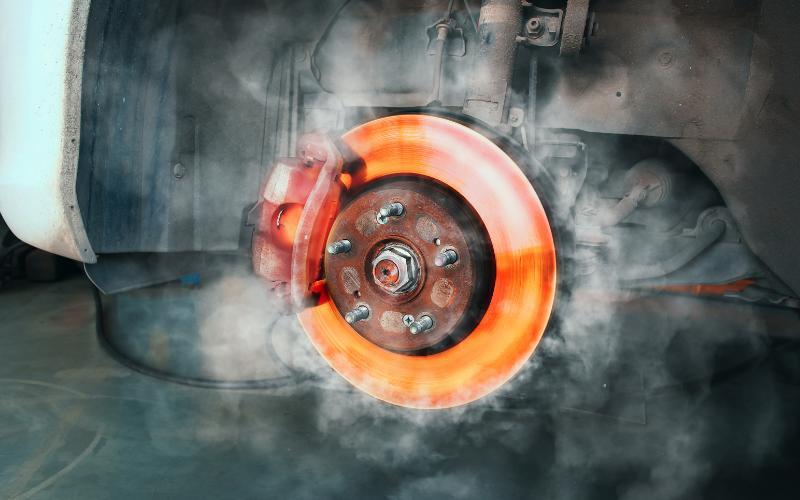
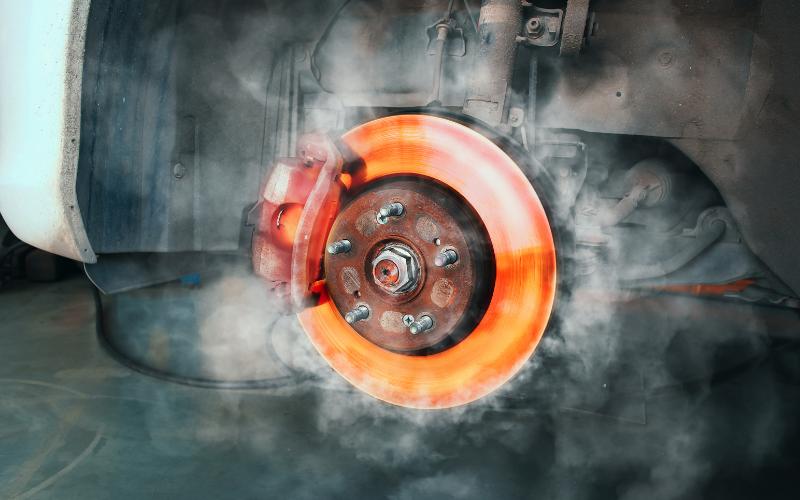
In real driving conditions, brake systems generate significant heat.
Continuous Braking Pressure
- Urban stop-and-go traffic
- Mountain driving
- Heavy vehicle loads
Temperature Accumulation
- Brake discs heat up rapidly
- Heat transfers into brake fluid
- Fluid approaches boiling point
What Happens When Fluid Boils
- Vapor bubbles form
- Hydraulic pressure drops
- Brake pedal becomes soft or unresponsive
These issues are more likely when using standard fluid with lower boiling points.
Understanding the 260°C Boiling Point Advantage
Brake fluid performance is often defined by its boiling point.
What 260°C Means
- Higher resistance to thermal stress
- Reduced risk of vapor lock
- Better performance under extreme braking
Why It Matters in Real Conditions
Even after absorbing moisture, high-performance long life brake fluid retains a safer operating margin compared to standard alternatives.
Long Life Brake Fluid vs Standard High Temperature Fluid
| Performance Factor | Standard Fluid | 260°C Long Life Brake Fluid |
|---|---|---|
| Dry Boiling Point | ~230°C | ≥260°C |
| Wet Boiling Stability | Drops quickly | More stable |
| Heat Resistance | Moderate | High |
| Service Interval | Short | Extended |
| Brake Consistency | Decreases over time | Maintains stability |
This difference is especially important for markets with high thermal stress conditions.
How Long Life Brake Fluid Solves High-Temperature Risks
Choosing long life brake fluid is not just about specifications—it is about real-world performance.
Stable Braking Under Load
Maintains hydraulic pressure even under repeated braking.
Reduced Vapor Lock Risk
Higher boiling point minimizes vapor formation.
Longer Service Life
Slower degradation means fewer replacements.
Better System Protection
Enhanced additives reduce corrosion and internal wear.
Key Advantages for Distributors and OEM Buyers
Stronger Product Differentiation
High boiling point products are easier to position in premium markets.
Lower After-Sales Issues
Fewer complaints related to brake fading or fluid failure.
Higher Customer Retention
Reliable performance builds trust with end users.
OEM Customization Opportunities
Private label solutions can highlight high-temperature performance as a selling point.
Where 260°C Brake Fluid Performs Best
Hot Climate Markets
- Middle East
- Africa
- Southeast Asia
Heavy-Duty Applications
- Trucks and buses
- Logistics fleets
High-Performance Vehicles
- Sports cars
- Performance tuning markets
Urban High-Frequency Braking
- Taxi fleets
- Delivery vehicles
Selection Guidelines for High Boiling Point Brake Fluid
Check Boiling Point Data
- Dry boiling point ≥260°C
- Stable wet boiling point
Evaluate Product Type
- DOT4 or higher specification
- Application compatibility
Assess Supplier Capability
- Consistent manufacturing quality
- Export experience
- OEM support
Consider Packaging and Logistics
- Leak-proof containers
- Transport durability
Frequently Asked Questions
Q1: Is 260°C brake fluid suitable for all vehicles?
A: It is generally suitable for vehicles requiring DOT4 or higher, but compatibility should always be verified.
Q2: Does higher boiling point mean longer lifespan?
A: Yes, especially when combined with long life brake fluid formulation, which slows degradation.
Q3: Is it necessary in normal driving conditions?
A: In mild conditions it may not be essential, but it provides a higher safety margin and longer replacement intervals.
Final Thoughts on 260°C Brake Fluid and Long-Term Performance
High-temperature resistance is becoming increasingly important in modern driving environments. Long life brake fluid with a 260°C boiling point offers a clear advantage by maintaining stable performance, reducing maintenance frequency, and improving overall braking safety. For distributors and OEM buyers, it represents a reliable upgrade that aligns with both technical requirements and market expectations.