Understanding the 2026 Beijing AMR and Its Impact on Automotive Fluids
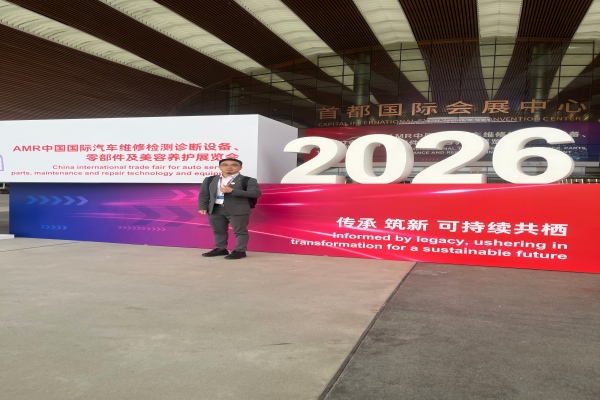
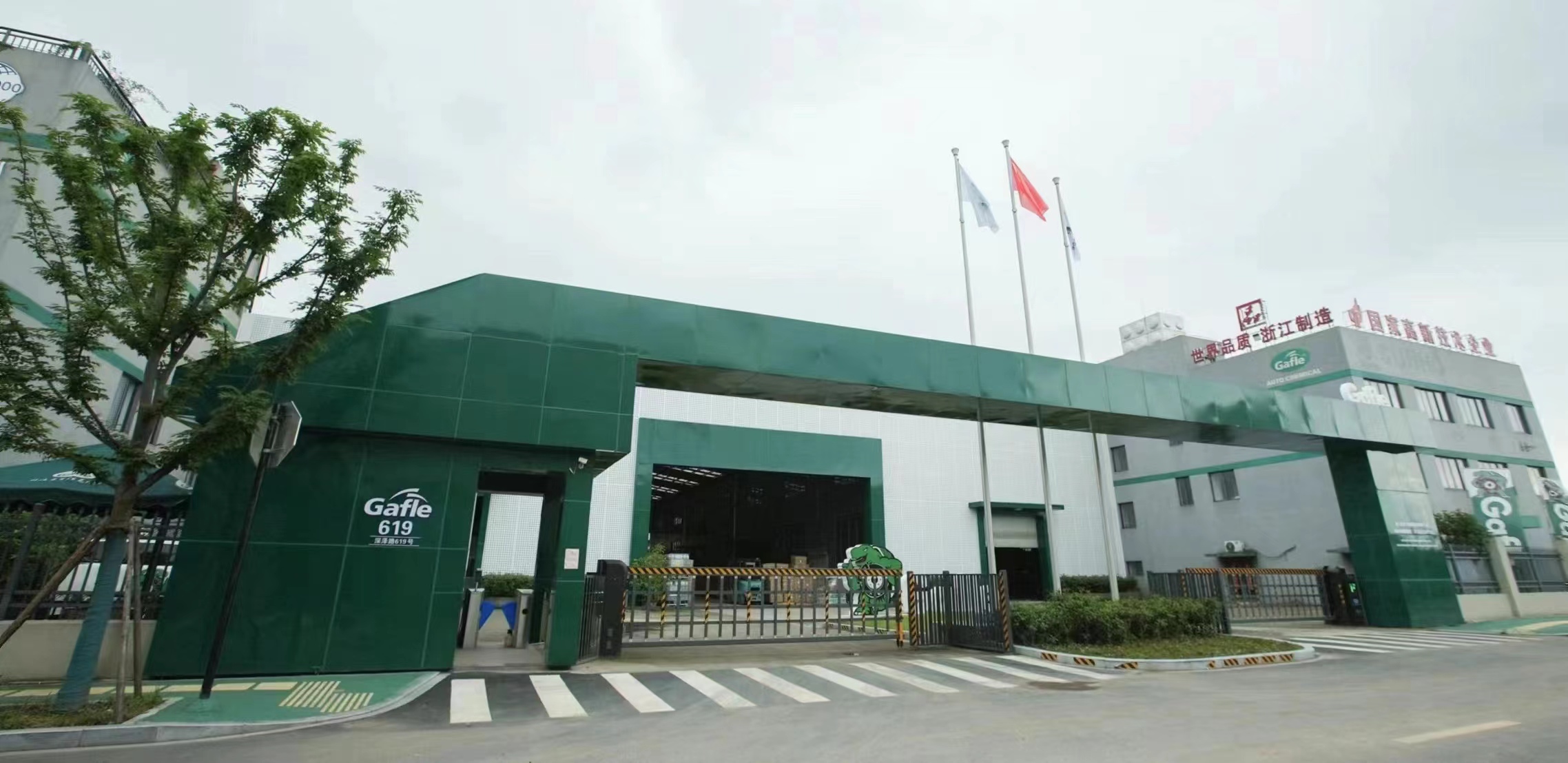
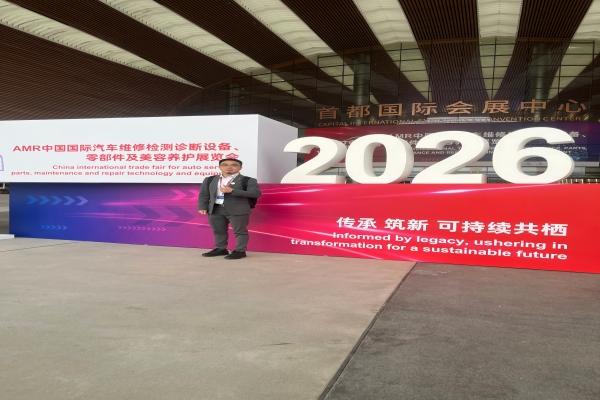
The 2026 Beijing AMR is set to revolutionize vehicle safety and performance standards in the automotive industry. As a key regulatory framework emerging from Beijing's automotive management regulations, the 2026 Beijing AMR focuses on advanced materials and reliability for modern vehicles, particularly in high-performance and electric models. This upcoming standard emphasizes the integration of superior components like Gafle brake fluid to ensure optimal braking systems under stringent conditions. With the rise of autonomous driving and urban mobility in China, manufacturers are preparing to meet these requirements, making the 2026 Beijing AMR a pivotal topic for industry stakeholders.
Key Requirements of the 2026 Beijing AMR
At its core, the 2026 Beijing AMR mandates enhanced durability and environmental compliance for automotive parts, including hydraulic systems critical for braking. Gafle brake fluid stands out as a compliant solution, offering high boiling points and corrosion resistance that align perfectly with these norms. This regulation, expected to be fully implemented by 2026, will require vehicles to undergo rigorous testing for fluid stability in extreme temperatures, from Beijing's harsh winters to humid summers. By incorporating Gafle brake fluid, automakers can achieve the necessary viscosity and anti-wear properties, reducing the risk of brake fade during emergency stops. Experts predict that non-compliant fluids could lead to certification delays, underscoring the need for proactive adoption.
Why Gafle Brake Fluid Fits the 2026 Beijing AMR
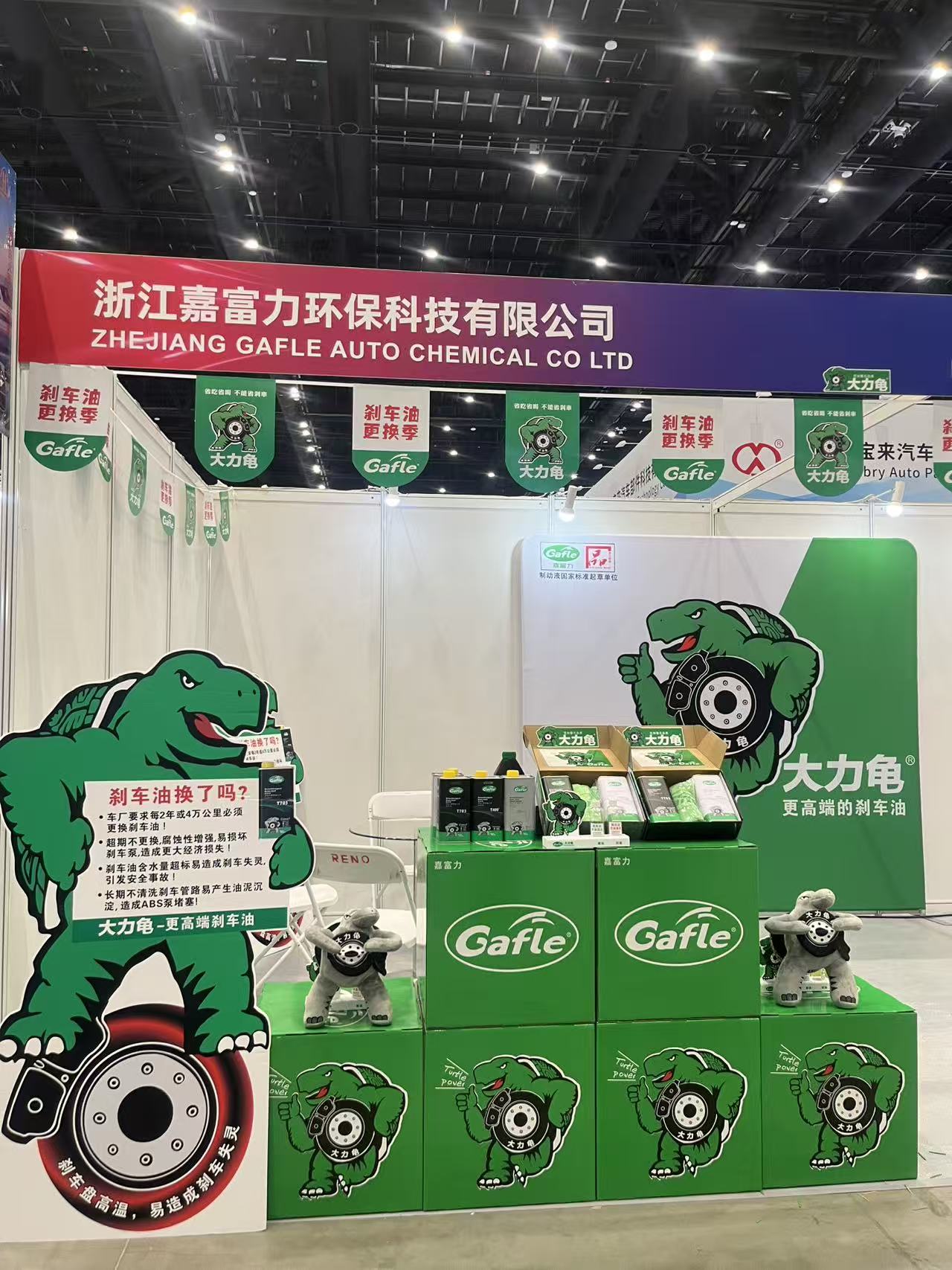
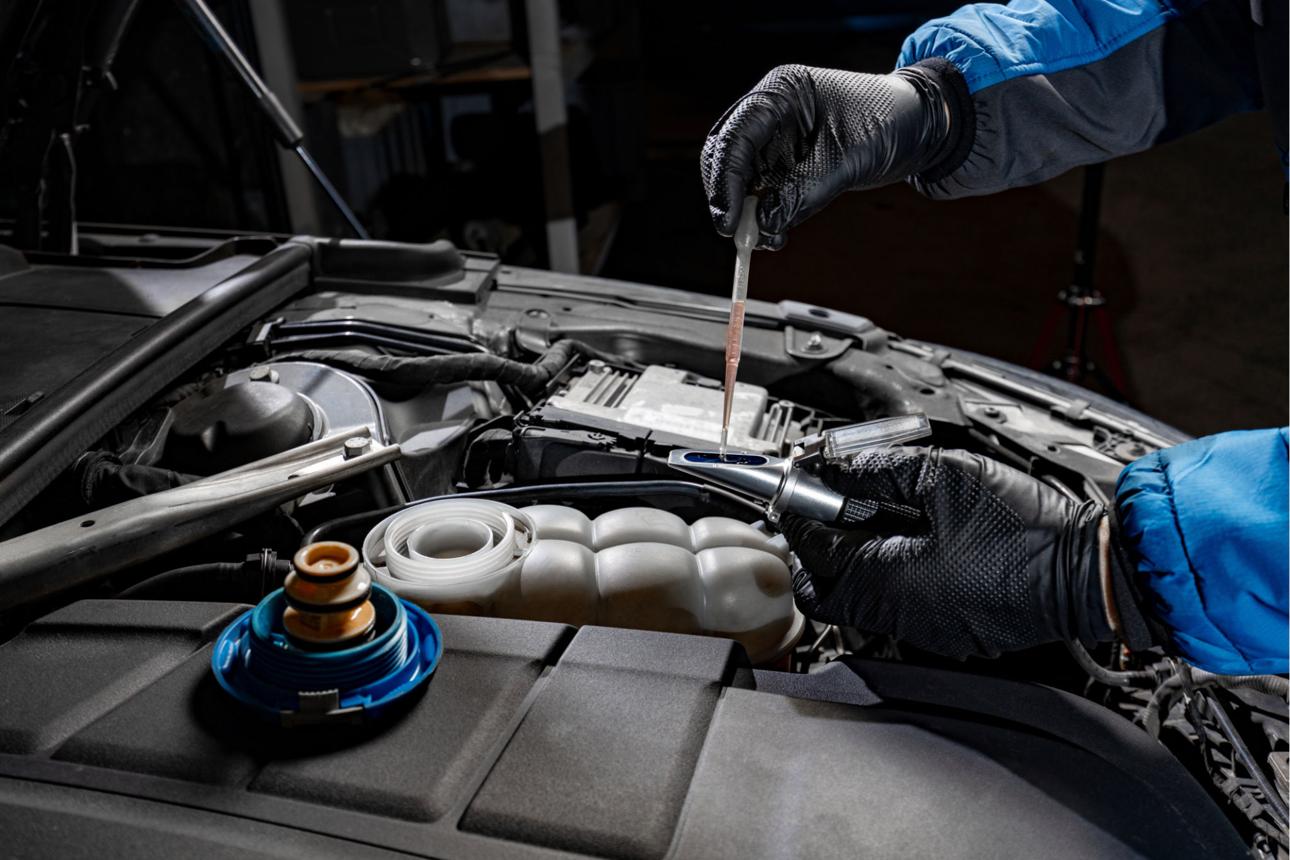
Gafle brake fluid is engineered with synthetic formulations that exceed the performance thresholds outlined in the 2026 Beijing AMR. Its low compressibility ensures precise brake response, vital for safety in congested urban environments like Beijing. Unlike traditional fluids, Gafle brake fluid maintains integrity over extended periods, minimizing maintenance costs and enhancing vehicle longevity. The 2026 Beijing AMR also prioritizes eco-friendly materials, and Gafle brake fluid's biodegradable components help meet these sustainability goals without compromising efficacy. Automotive engineers recommend regular checks and replacements with Gafle brake fluid to stay ahead of the regulatory curve, especially as testing protocols become more advanced.
Preparing Your Fleet for the 2026 Beijing AMR
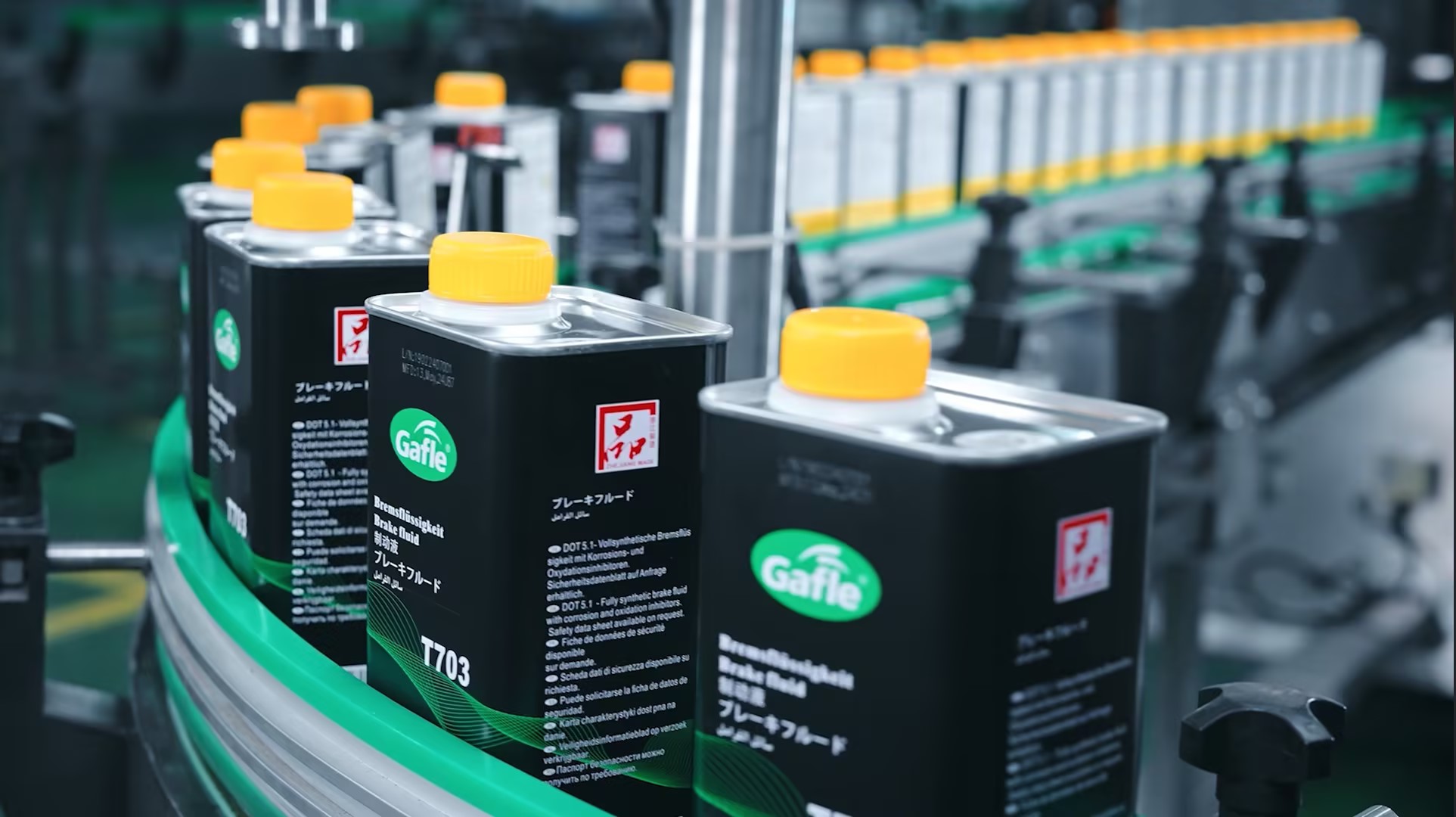
Transitioning to standards like the 2026 Beijing AMR requires strategic planning for fleet operators and manufacturers alike. Start by auditing current brake systems and integrating Gafle brake fluid where needed, as it provides the thermal stability essential for compliance. Training programs for technicians on handling Gafle brake fluid will be crucial, given its superior absorption of water to prevent vapor lock. As Beijing pushes for greener transportation, the 2026 Beijing AMR will likely influence global supply chains, making early adoption of products like Gafle brake fluid a competitive edge. By focusing on these elements, businesses can not only meet but exceed the upcoming requirements, ensuring safer roads and reliable performance.
In summary, the 2026 Beijing AMR represents a forward-thinking approach to automotive excellence, with Gafle brake fluid playing a starring role in achieving these standards. As the deadline approaches, staying informed and prepared will be key to navigating this evolution successfully.