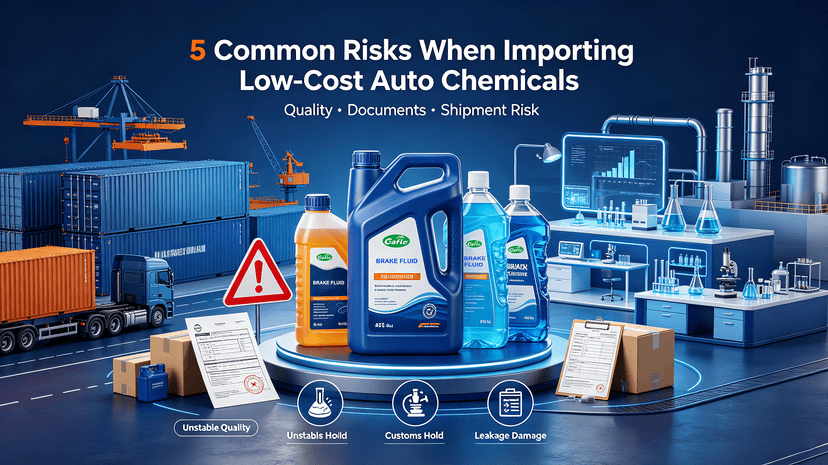
Why auto chemical import risks deserve attention before the purchase order is signed
Auto chemical import risks are easy to underestimate when the price sheet looks attractive and the container space is available. But chemicals for vehicles are not like importing a generic consumer good. Brake fluid, coolant, windshield washer fluid, degreasers, and other maintenance liquids can be stopped by customs, questioned by compliance teams, or rejected by buyers if the paperwork or product behavior does not line up with local requirements. For sourcing managers and product teams, the issue is not only avoiding delay. It is protecting the brand from leakage complaints, product returns, and the kind of silent quality problems that show up only after distribution.
The practical decision this article helps you make is simple: which import risks can be managed with documentation and supplier discipline, and which ones should push you back to the drawing board before you place an order.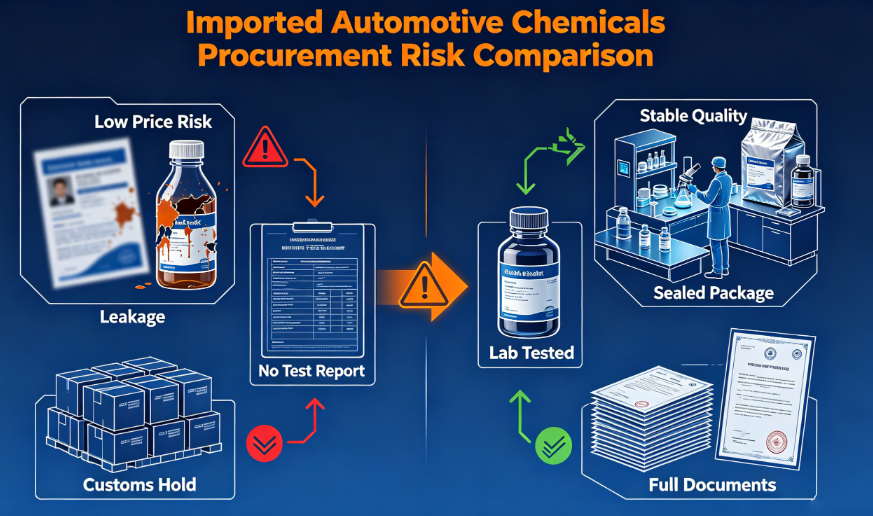
The fast version: what usually goes wrong
The most common problems are not exotic. They are plain, familiar, and expensive.
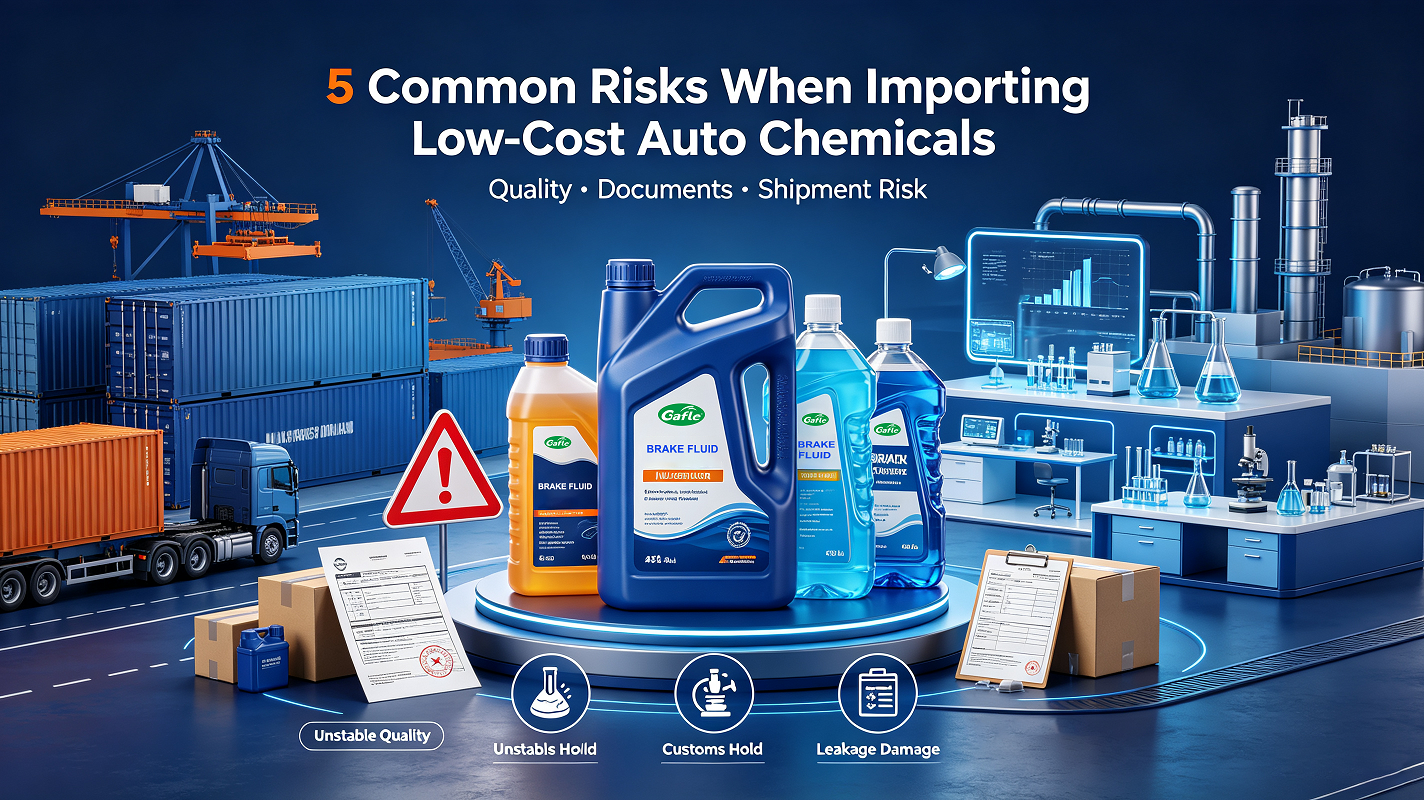
A shipment arrives with a low price and thin paperwork. The label language is incomplete. The importer cannot produce a proper safety document. The goods sit in CUSTOMS HOLD while the clock runs.
Or the product itself is under-specified. A buyer accepts low cost brake fluid because it fills a price gap, then later finds that performance varies from batch to batch. In a sealed system, that can turn into brake fluid leakage risk, swelling, seal incompatibility, or customer distrust. Even when the product is legal to import, it may still be a poor fit for the climate, vehicle population, or service network it is meant to support.
Another recurring issue is the dreaded NO TEST REPORT situation. If a supplier cannot supply meaningful test documentation, the importer is left guessing. That is not a procurement strategy. It is a gamble with freight costs attached.
Why chemicals for auto use are judged more strictly than ordinary merchandise
Automotive chemicals sit at the intersection of product safety, transport rules, labeling requirements, and end-use expectations. That makes them sensitive in ways that are easy to overlook from a distance.
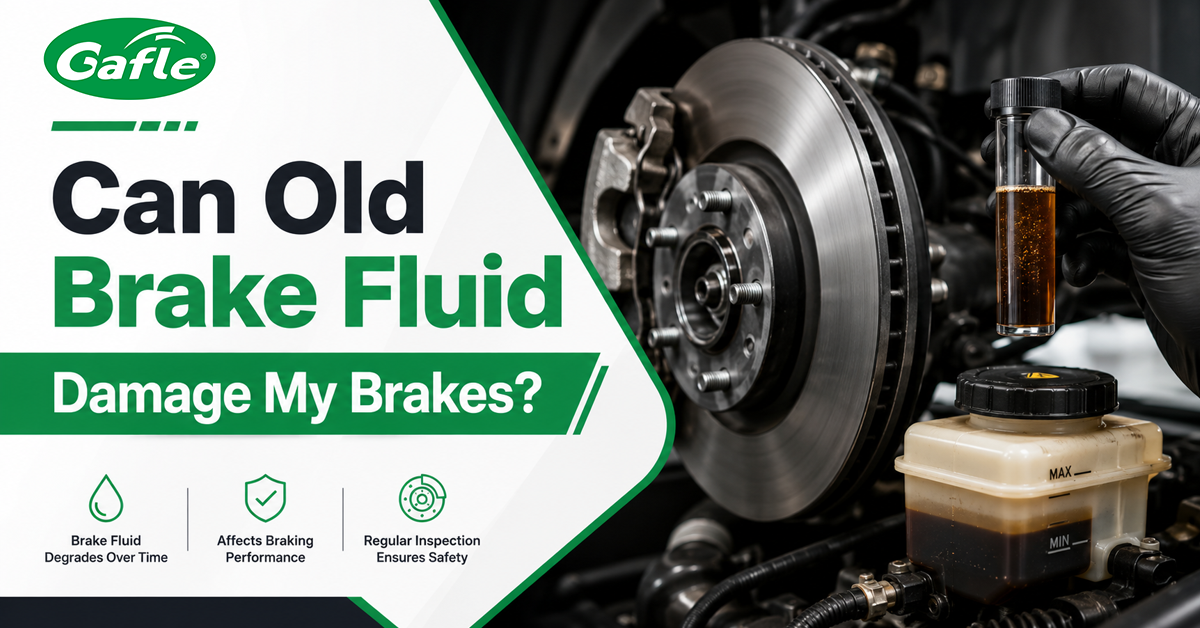
Brake fluid, for example, is not just a liquid in a bottle. It is part of a safety-critical system. Coolants and cleaners may have flammability, corrosion, or material-compatibility concerns. Even a product that looks consistent in the drum can behave differently once exposed to temperature swings, long storage, or poor packaging. Importers who treat these products as simple commodities often discover that the regulatory side moves faster than the sales side.
There is also a commercial reality: automotive buyers tend to compare products by performance consistency, not by marketing language. If one batch feels different, smells different, or arrives with cloudy documentation, confidence drops quickly.
Key import risks to check before shipment
1. Documentation gaps
Paperwork failures are the most visible cause of delay. Depending on the destination market, importers may need safety data sheets, product composition information, transport classification, labeling details, and supporting test evidence. If those documents are incomplete or inconsistent, customs brokers and regulators may flag the shipment.
2. Product specification drift
Some suppliers can quote the right grade on paper while quietly changing formulation inputs or packaging materials. That is where the real risk lives. For auto chemicals, even small formulation changes can affect compatibility, evaporation behavior, corrosion protection, or sealing performance.
3. Storage and transit damage
Heat, vibration, humidity, and long transit times can damage packaging or alter product appearance. A leaking cap or swollen container may be only a shipping issue on paper, but it becomes a receivable problem at the warehouse.
4. Labeling and language mistakes
A label that is technically close enough is often not close enough at the border. Missing hazard statements, local language errors, or inconsistent batch coding can trigger inspection or rework.
How buyers can reduce the risk without slowing the business
A good import program is not built on suspicion. It is built on repeatable checks.
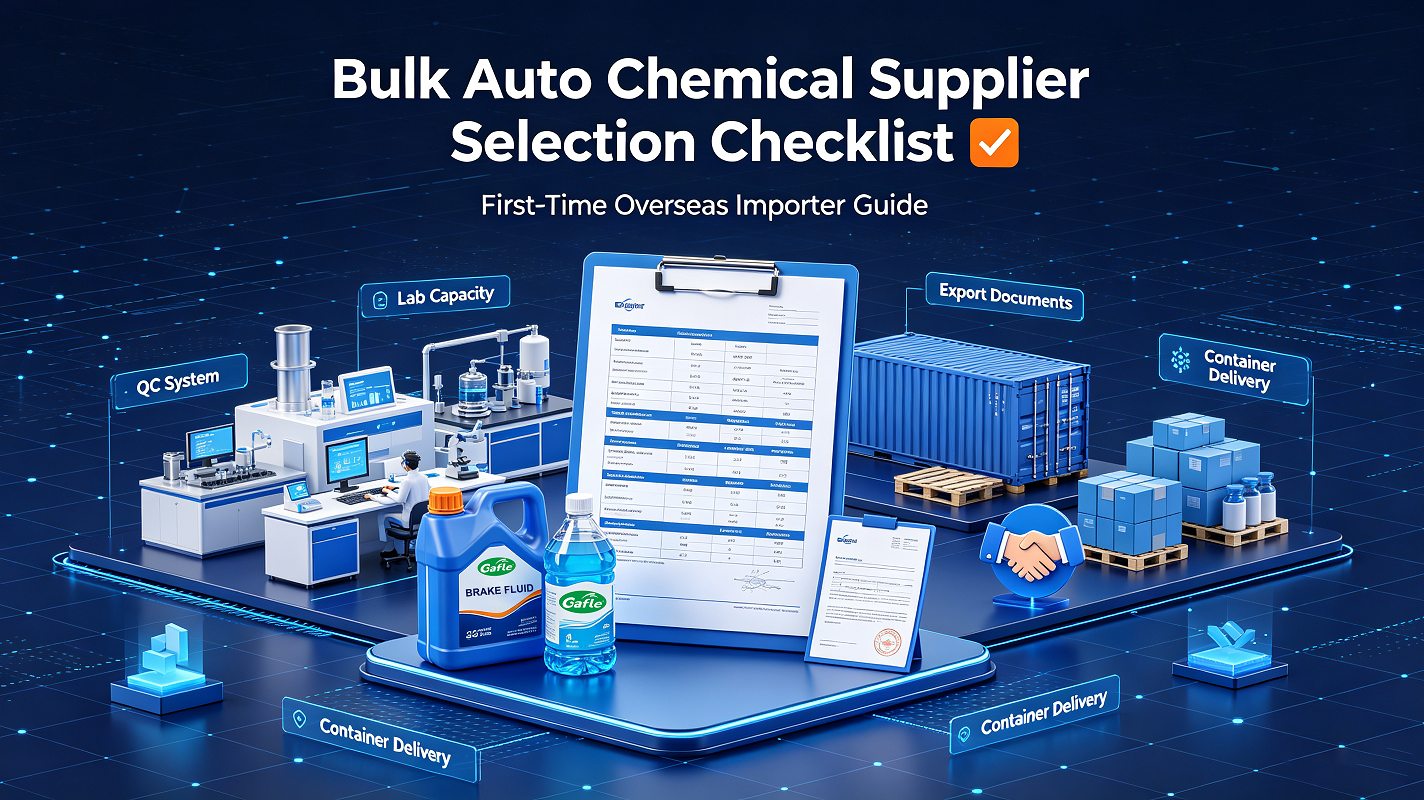
Start with supplier qualification. Ask for the actual technical basis behind the product, not just a sales brochure. Then compare the lab documents, packaging specification, and declared composition with the quote. If the supplier cannot explain exactly what changed from one batch or packaging run to the next, that is a warning sign.
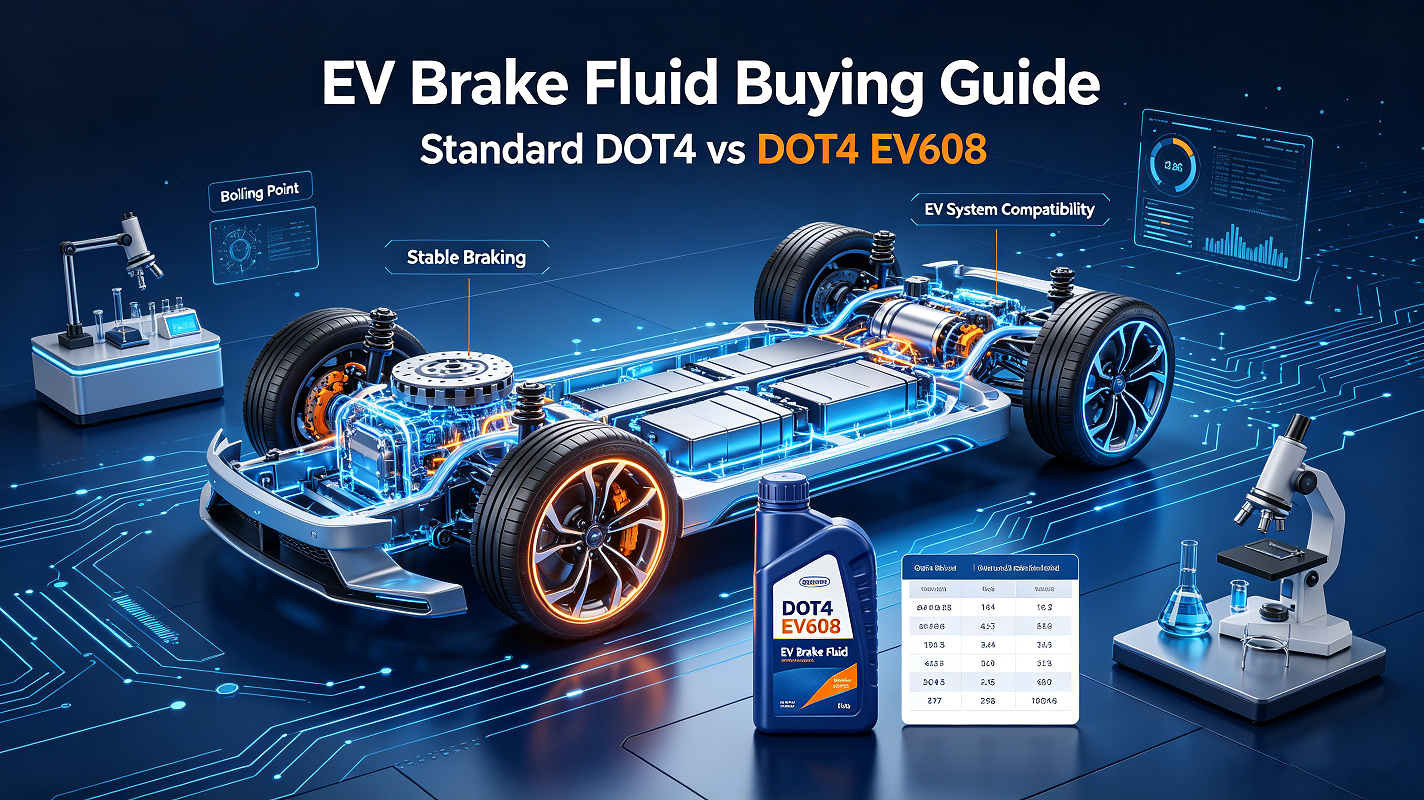
Second, match the product to the end market. A fluid that works in one region may not be appropriate for another climate or service model. This matters especially for brake-related products, where compatibility and leakage resistance are not abstract terms. They are warranty claims waiting to happen.
Third, use a sample-and-approval routine before committing to volume. The sample should be judged for appearance, packaging integrity, labeling clarity, and, where relevant, any available test evidence. If the supplier gives you only a price and no meaningful supporting record, the risk profile rises sharply.
Fourth, build in a customs review step. Many import delays are preventable if the broker sees documents early. It is much cheaper to correct a label or declaration before loading than after the container is already under inspection.
Common mistakes that turn a cheap shipment into an expensive one
The classic mistake is choosing on unit price alone. That is how buyers end up defending a damaged shipment that looked good on a spreadsheet.
Another mistake is assuming the supplier knows the destination rules better than the importer does. Sometimes they do. Often they do not. Responsibility still lands with the party bringing the goods in.
A third mistake is treating technical paperwork as a formality. It is not. If a product arrives without the right supporting documents, the shipment can stall even when the liquid itself is perfectly usable.
Buyer takeaway
If you are importing auto chemicals, the real question is not whether the supplier can quote a low figure. It is whether the product, paperwork, and packaging can survive the journey from factory tank to warehouse shelf without creating a customs problem or a field complaint.
Before you place the next order, ask three blunt questions: Does the documentation support clearance? Does the product fit the vehicle application? Can the supplier prove consistency beyond the sales pitch?
If any answer feels vague, pause and verify. That small delay is usually cheaper than a container sitting under inspection.
FAQ
What makes auto chemical import risks different from general import risks?
They combine chemical compliance, transport safety, labeling, and end-use performance. That is a more sensitive mix than many ordinary products face.
Why is NO TEST REPORT such a concern?
Because it removes a basic layer of verification. Without test evidence, the importer has little basis for judging whether the product matches its claimed grade or intended use.
Can low cost brake fluid still be acceptable?
Sometimes, but only if the technical basis, packaging, and supporting documentation are solid. Low price alone is not a quality signal.
How can customs delays be reduced?
By reviewing labels, safety documents, and product declarations before shipment and involving the broker early. That small step prevents many CUSTOMS HOLD situations.
Next step for sourcing teams
If your current sourcing file for automotive chemicals has gaps, clean them up before the next container moves. Ask for the test basis, confirm labeling, and check whether the product matches the market you are serving. In this category, the cheapest mistake is usually the one caught before loading.
Welcome to contact GAFLE for more information & cooperation!
peter
ZHEJIANG GAFLE AUTO CHEMICL CO.,LTD
Tel:86-579-8222 1665
Fax:86-579-8246 4690
Cel/Wechart:86-13335993986
E-mail:peter@gafle.net
Web:www.gafle.net