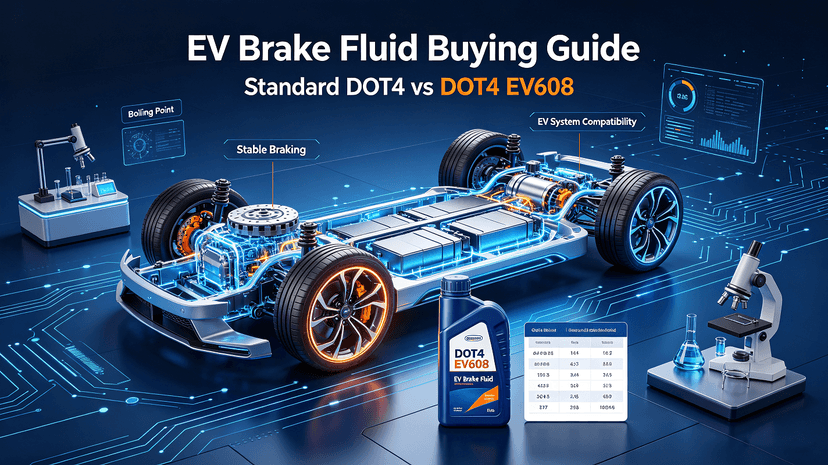
Why EV brake fluid deserves more attention than many buyers expect
When people talk about electric vehicles, they usually start with batteries, motors, and software. Brake fluid rarely gets the spotlight, yet EV brake fluid is one of those quiet consumables that can affect safety, pedal feel, and maintenance intervals in a very direct way. For engineering teams and sourcing managers, the real question is not whether the fluid sits in a reservoir or not; it is whether the braking system, regenerative blend, and service profile will place unusual demands on the fluid over time.
That matters because EVs do not behave exactly like conventional vehicles. Regenerative braking can reduce the frequency of friction braking in day-to-day use, which sounds easy on the system, but it can also change how moisture accumulation and corrosion risks show up. In a service bay, that often means a fluid that looked fine on paper may still be the wrong choice if the vehicle sees heat, humidity, long service intervals, or a mixed platform strategy across ICE and battery-electric models.
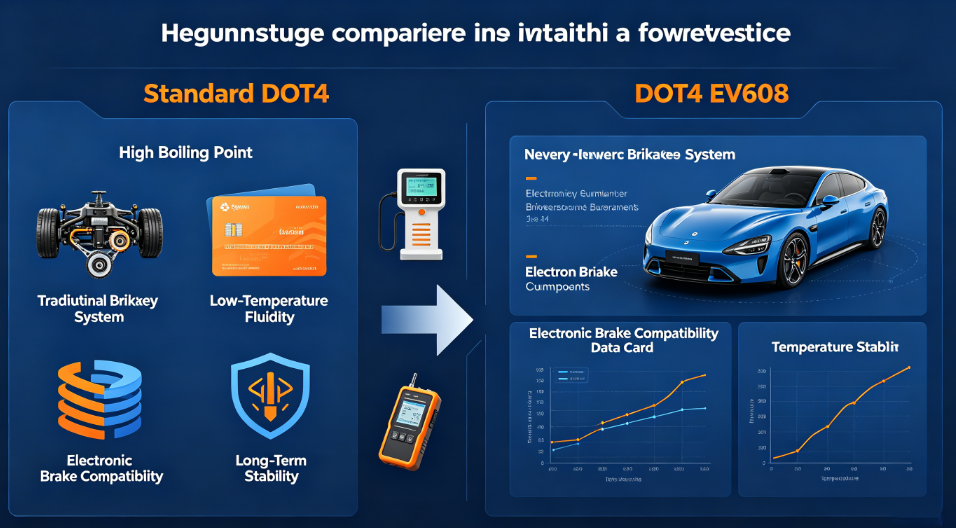
EV brake fluid versus standard DOT4: what buyers need to sort out
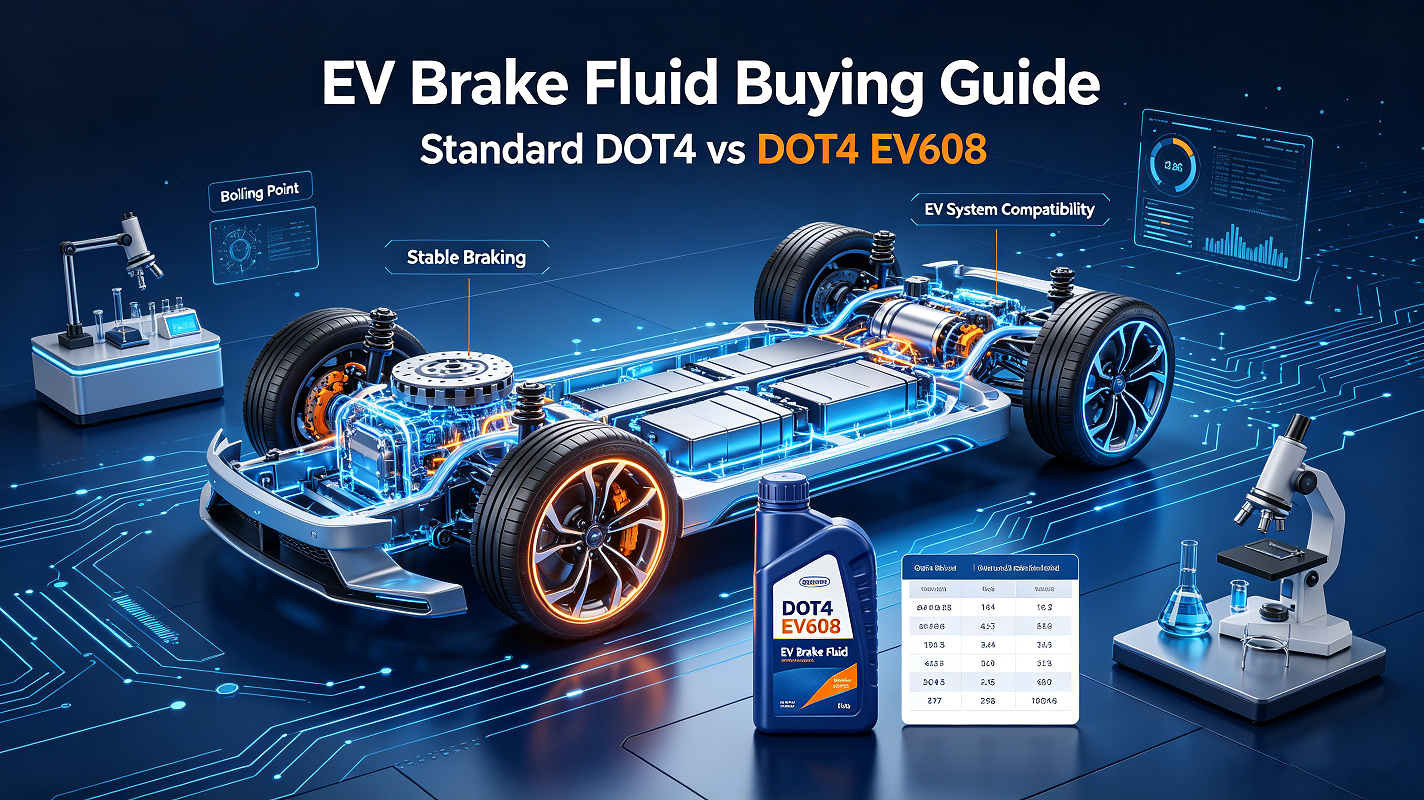
One of the most common procurement mistakes is assuming standard DOT4 and EV brake fluid are interchangeable without checking the application. They may share familiar chemistry families and base performance expectations, but the usage profile is not the same. The phrase standard DOT4 vs EV brake fluid is not just a label debate; it is about whether the fluid is tuned for the operating environment the vehicle actually creates.
In many cases, a high boiling point brake fluid is attractive because EV brake systems can still see demanding thermal spikes during hard stops, mountain descents, towing, or emergency braking. The absence of engine noise makes some drivers think the vehicle is operating more gently than it really is. That impression can be misleading. Brake components still need fluid that resists vapor formation and supports stable pedal response when heat builds.
A practical way to evaluate the right fluid
For sourcing and engineering teams, the decision usually comes down to a short list of checks:
1. Vehicle architecture
Is the platform a battery-electric model only, or part of a mixed lineup? Shared service parts can simplify inventory, but only if the fluid requirement remains consistent across variants.
2. Thermal demand
Look beyond typical commute conditions. A fluid with stronger high-temperature behavior may be a better fit for fleet use, hilly routes, or heavier EV platforms.
3. Moisture sensitivity
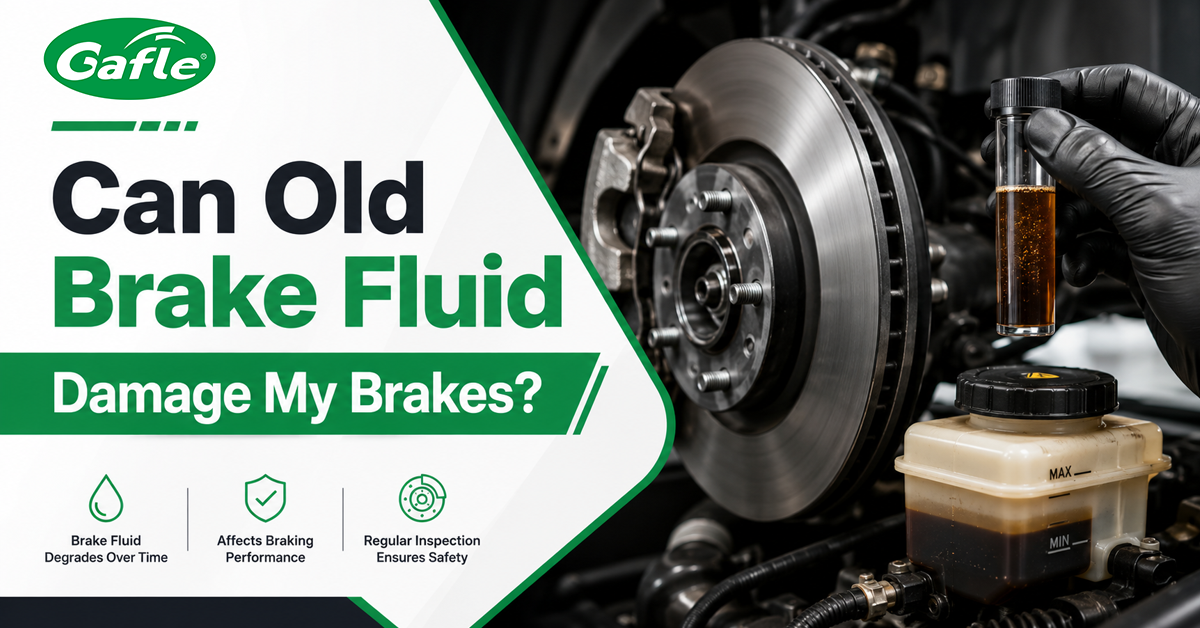
Brake fluid is hygroscopic, so storage, packaging integrity, and service interval planning matter. This is not glamorous, but it is where many field issues begin.
4. Compatibility and labeling
Some buyers will see a product name such as DOT4 EV608 and assume it is just another DOT4 bottle with a fresh label. Maybe, maybe not. The important point is to verify the supplier’s technical documentation, intended use, and compatibility statement rather than relying on the name alone.
What makes EV service different in the real world
Electric vehicle brake fluid often lives in an awkward middle ground. The vehicle may use the brakes less often in light driving, yet when brakes are needed, the system still has to respond cleanly and predictably. That can create a long, quiet aging period followed by sudden demand. For service managers, that is a familiar recipe for surprises.
In practical terms, the fluid should support consistent pedal feel, corrosion protection, and thermal stability over the expected service window. If a fleet spends much of its time in stop-and-go traffic, on steep roads, or in humid climates, the fluid choice becomes more than a catalog item. It becomes part of uptime planning.
Common buying mistakes to avoid
First, do not choose solely by the DOT number on the container. Two fluids with the same broad classification can still differ in performance profile and intended application.
Second, do not assume lower brake use means lower maintenance. Reduced friction braking can mask moisture-related aging, so inspection discipline still matters. A fluid can look harmless and still be overdue for replacement.
Third, avoid mixing assumptions across platforms. A fluid approved or recommended for one EV family may not be suitable for another, especially if the braking system supplier, seal materials, or thermal targets differ.
Buyer guidance for sourcing and maintenance teams
If you are building a purchase spec, keep it simple and defensible. Ask for the exact intended application, relevant performance claims, storage guidance, and compatibility notes. If the supplier offers a specialized EV brake fluid, compare it against the operating profile of the vehicle rather than the marketing language. That is where the useful answer usually lives.
For service operations, the best policy is often the unexciting one: use the correct fluid, keep containers sealed, track opening dates, and treat any change in pedal feel as a maintenance signal rather than a driver complaint to dismiss. Small details here pay for themselves later.
FAQ: quick answers buyers ask first
Is EV brake fluid always different from regular DOT4?
Not always in a dramatic way, but it may be formulated or positioned for different vehicle demands. Check the technical data instead of assuming.
Why does high boiling point matter so much?
Because braking heat can still be intense in EVs, especially under heavy use. Higher boiling resistance helps reduce vapor-related performance loss.
Should fleets standardize on one product?
Only if the product fits every platform in the fleet. Standardization is helpful, but only when it does not create a hidden compatibility problem.
What to do next
If you are sourcing for a battery-electric program, ask your supplier for the exact use case behind the product name and compare it against your vehicle platform, service cycle, and climate exposure. That is the fastest way to separate a genuinely suitable EV brake fluid from a generic label that happens to sound right.
Welcome to contact GAFLE for more information & cooperation!
peter
ZHEJIANG GAFLE AUTO CHEMICL CO.,LTD
Tel:86-579-8222 1665
Fax:86-579-8246 4690
Cel/Wechart:86-13335993986
E-mail:peter@gafle.net
Web:www.gafle.net