Why an auto chemical supplier checklist matters before you place a purchase order
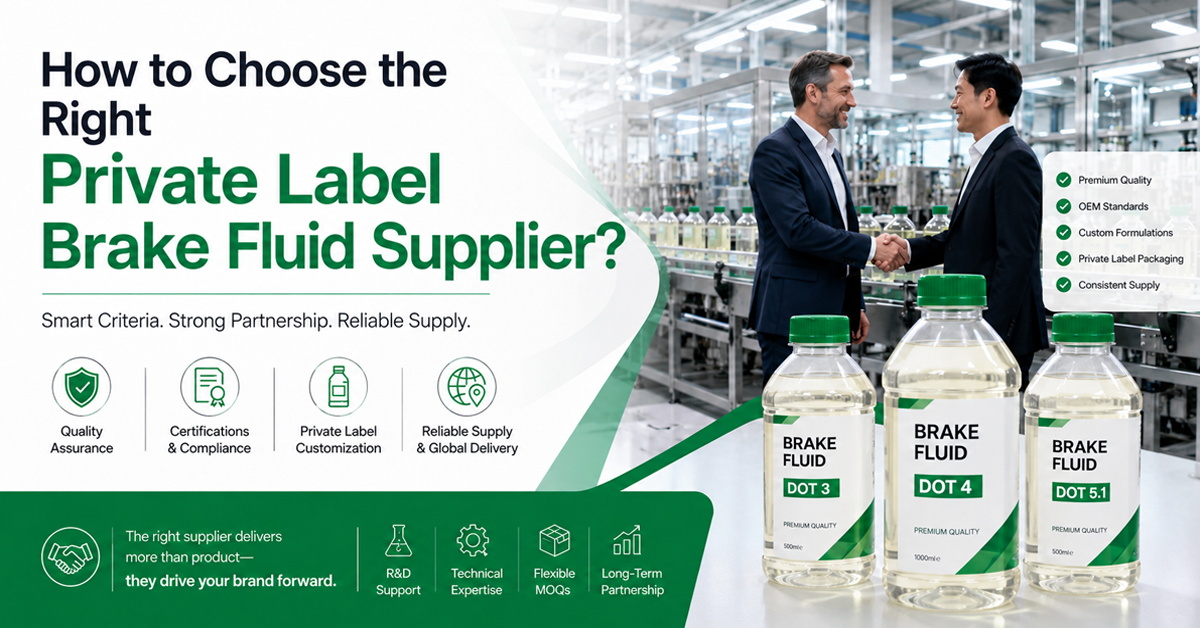
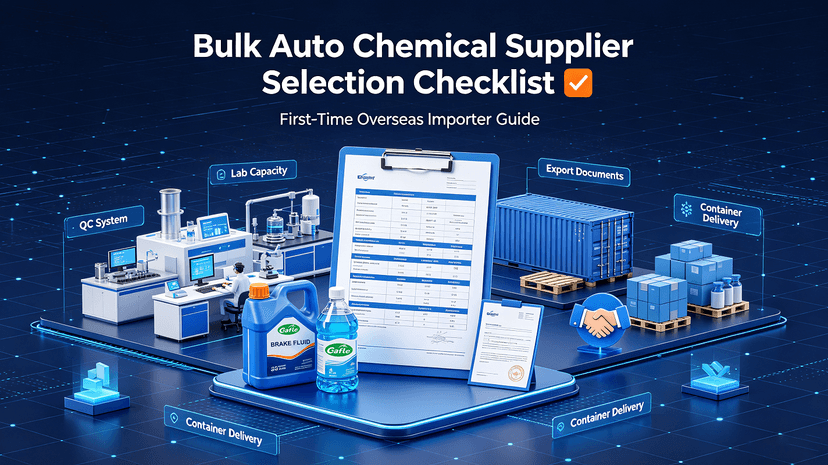
An auto chemical supplier checklist is not just a procurement formality. For engineers, sourcing managers, and product teams, it is the difference between receiving a stable, road-ready chemical and discovering problems after cartons have crossed an ocean. Auto chemicals sit in a sensitive part of the supply chain: brake fluid, coolant, engine treatments, cleaners, and related products all have to perform consistently, survive transport, and match the label claims that buyers promise downstream.
That is why first-time importers often need more than a price quote. They need a practical way to compare suppliers, read between the lines of a specification sheet, and avoid the kind of mismatch that only appears after the first production run or retail launch. If you are sourcing from a brake fluid factory China or any other overseas manufacturer, the checklist should help you answer one question: can this supplier deliver the same product, batch after batch, without creating avoidable risk?
What the checklist should help you decide
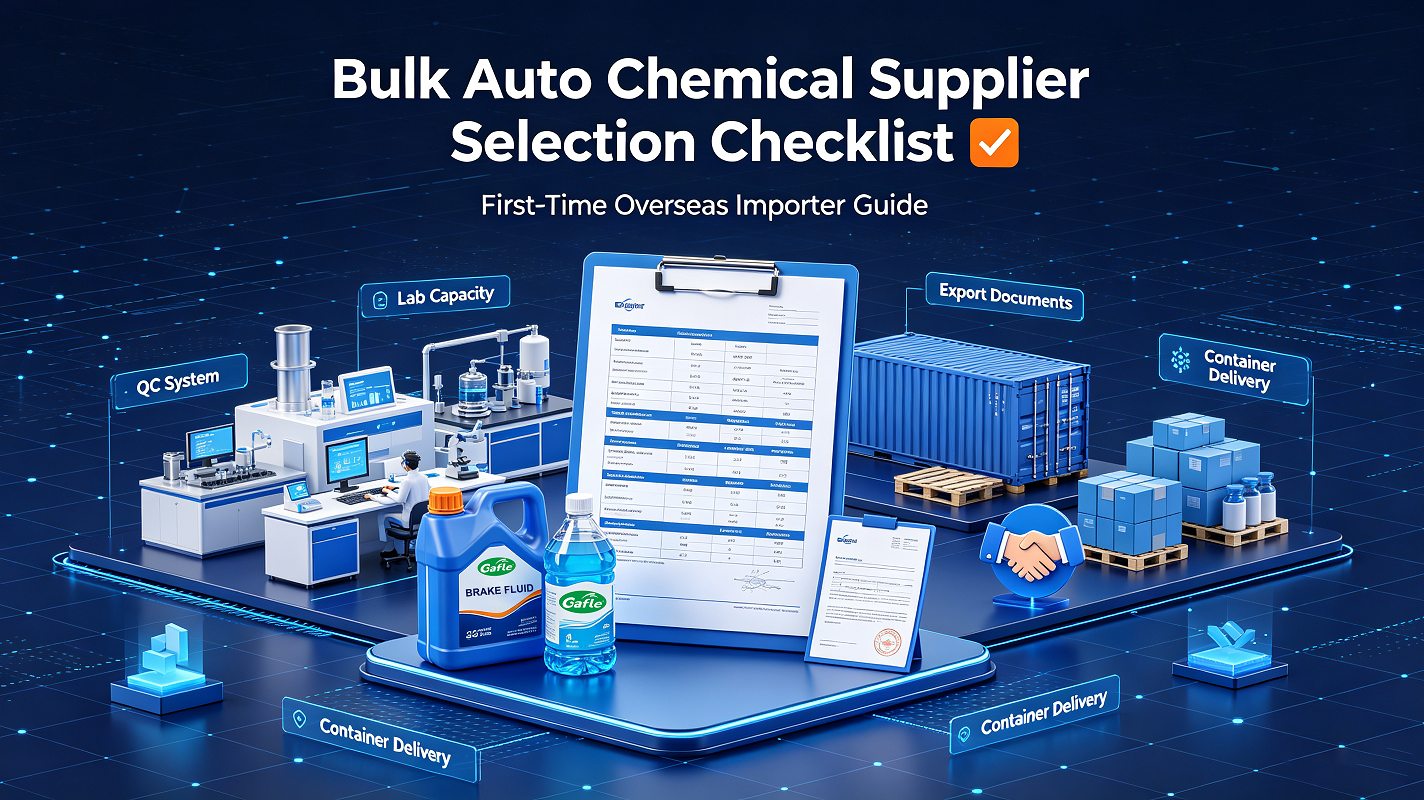
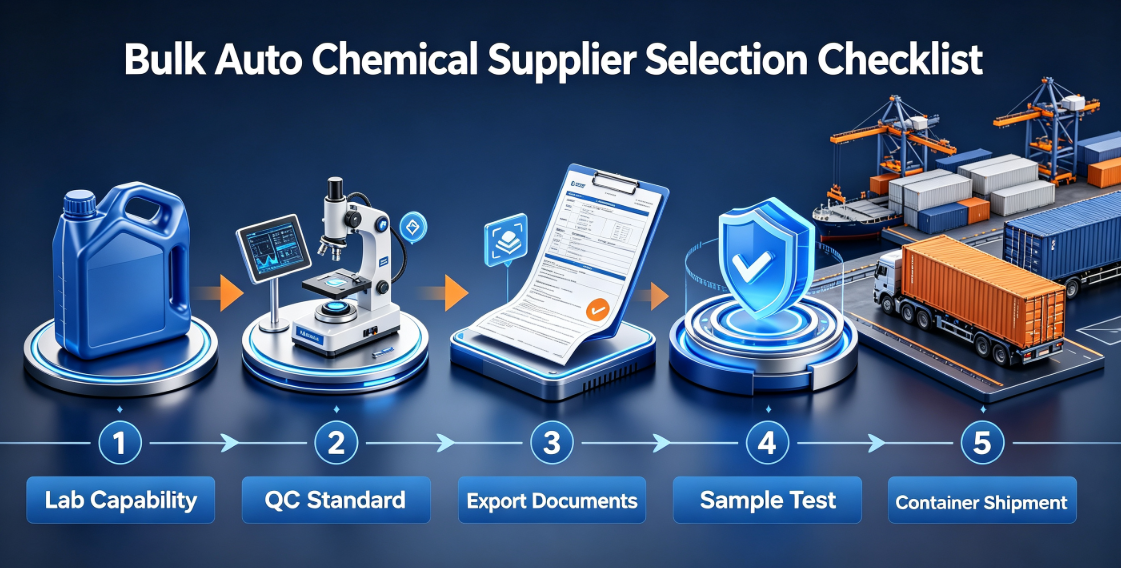
The best sourcing checklist does not chase every detail equally. It focuses on the few points that usually decide whether a deal works: formulation control, manufacturing discipline, packaging accuracy, shipping suitability, and documentation quality. Those are not glamorous topics, but they are the ones that determine whether a product arrives in usable condition and whether it can be sold with confidence in your target market.
For overseas importers, the checklist also acts as a filter against vague promises. A supplier may say it can make a product, but the real question is whether it can make your product to the same standard every time. That distinction matters a great deal in automotive chemicals, where viscosity, compatibility, contamination control, and shelf stability can all affect performance.
Quick-reference supplier comparison points
1. Product definition
Start with the exact chemical category, intended application, and packaging format. Brake fluid is not treated like washer fluid, and a cleaner in a spray bottle is not handled like a drum-filled additive. The supplier should understand the use case clearly enough to discuss raw materials, blending steps, filling options, and storage conditions without drifting into generic sales language.
2. Manufacturing discipline
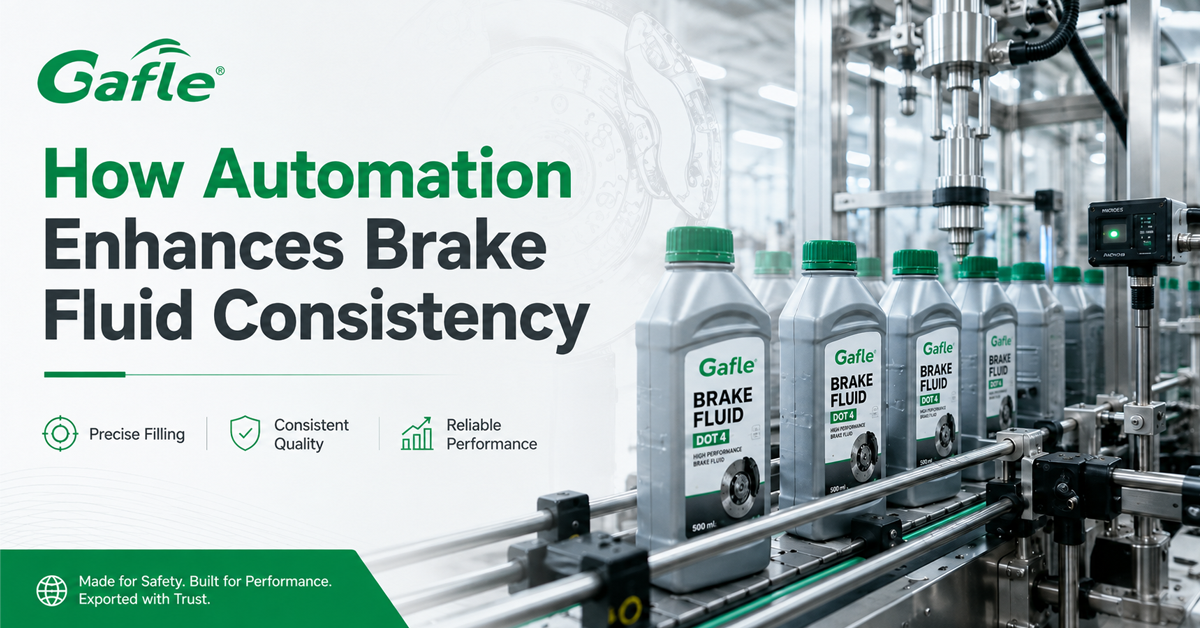
Ask how batches are controlled, how incoming materials are checked, and how finished goods are kept from contamination. Even a good formula can be undermined by sloppy handling. This is one of those areas where the plant visit, sample review, or remote video audit can reveal more than a polished brochure.
3. Packaging and transport readiness
Auto chemicals can be sensitive to heat, moisture, leakage, and label damage. The supplier should know whether the chosen container, cap, liner, and carton structure are appropriate for export. A cheap package may look fine at the loading dock and fail after weeks in transit.
4. Documentation and communication
Buyers should expect clear product descriptions, batch identification, and shipping paperwork that matches the order. When documents are inconsistent, the rest of the transaction becomes harder to trust. Poor communication early on usually becomes more expensive later.
Process details buyers should verify
When reviewing a supplier, do not stop at the headline product name. Ask about the production sequence, from raw material receipt to blending, filling, labeling, and final inspection. In chemical sourcing, the little handoffs matter. A supplier with a tidy plant but no visible control over ingredient handling can still produce uneven results.
It is also sensible to ask whether the supplier supports sample approval before mass production. That sounds obvious, but it is where many first time importer guide mistakes start. A sample approved in a hurry, without checking packaging compatibility or storage behavior, can turn into a shipping headache later. If you are ordering for multiple markets, check whether the formula or label needs adjustment for different regulatory expectations. The supplier may not manage compliance for you, but it should at least understand where the boundaries are.
Common mistakes overseas importers make
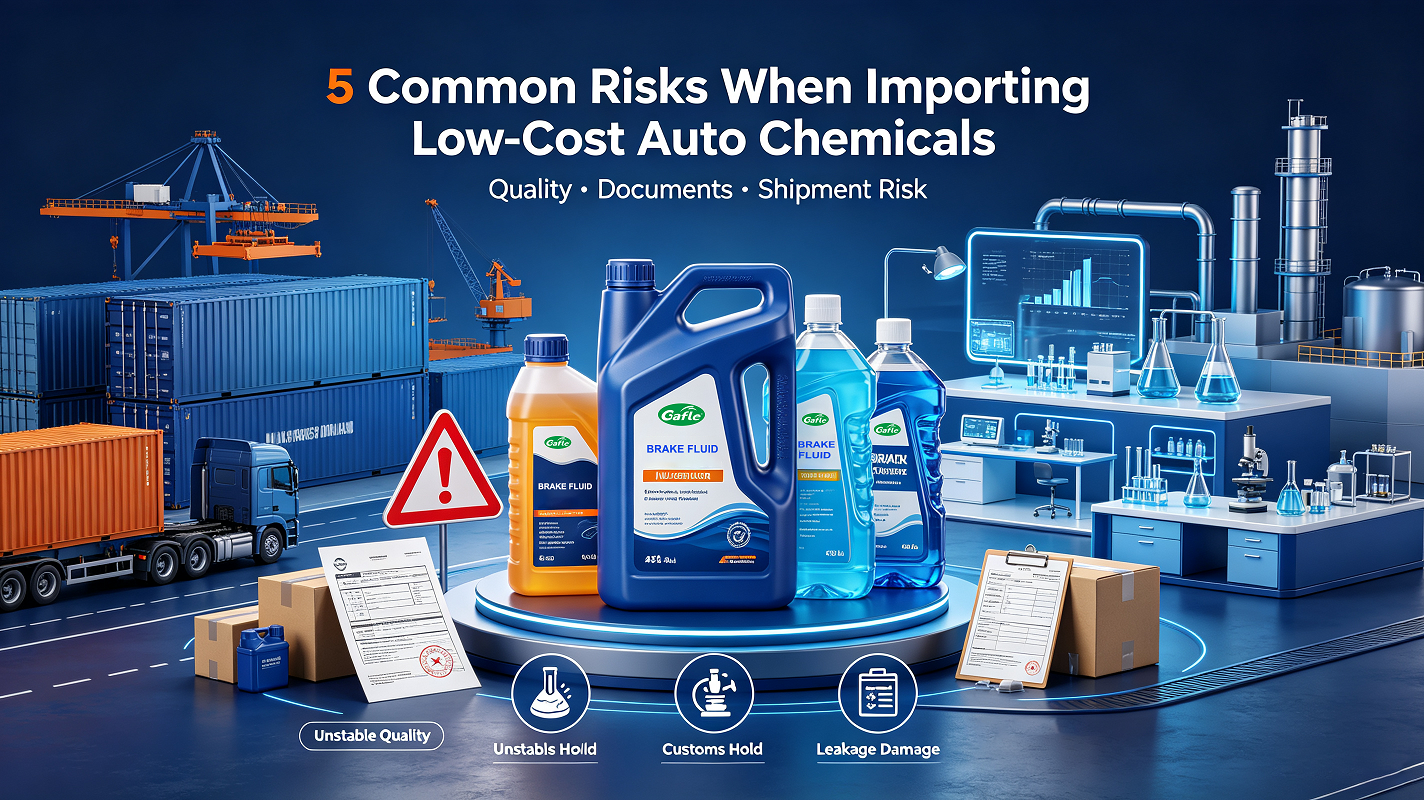
The most common error is treating all auto chemical products as interchangeable. They are not. Even when two suppliers sell what looks like the same item, the difference may sit in raw material selection, concentration, packaging quality, or the care taken during filling. Another mistake is focusing only on unit price. A low quote can hide extra freight risk, rework, leakage claims, or rejected inventory.
Buyers also sometimes overlook the importance of samples that are representative of full production. A clean, hand-prepared sample is useful, but it is not proof of factory consistency. The smarter move is to ask how the sample relates to the intended production batch and whether the supplier can maintain that standard at scale.
Practical buyer advice before placing an order
Use the auto chemical supplier checklist as a conversation tool, not a box-ticking exercise. Ask the supplier to explain its process in plain language. Request photographs, batch references, and packaging details that match the intended shipment. If you are sourcing from a brake fluid factory China, pay extra attention to container sealing, labeling, and transport conditions, because these are the areas where small oversights can become expensive returns.
For Overseas Importers, a good supplier is not the one that says yes to everything. It is the one that can answer carefully, admit limits when necessary, and show enough process control to support repeat business. That kind of candor is worth more than a glossy catalog.
FAQ: a few questions that come up often
Is a low price always a warning sign?
Not always, but it should trigger more questions. A competitive price can be legitimate if the supplier has efficient manufacturing and sensible packaging. The concern is when the quote is low and the answers are vague.
Should first-time buyers request samples?
Yes, but samples should be reviewed carefully and tied to the production plan. A sample alone is not a guarantee of mass-production quality.
What matters more, formulation or packaging?
Both matter. A strong formula in a weak container can still fail in transit. For many export buyers, the package is part of the product.
Next step for sourcing teams
If you are building a supplier short list, start with this checklist and use it to compare responses line by line. The goal is not to find the most polished sales pitch. It is to find a manufacturer that can support repeat orders, cleaner problem-solving, and fewer surprises once the shipment leaves the factory gate.
Welcome to contact GAFLE for more information & cooperation!
peter
ZHEJIANG GAFLE AUTO CHEMICL CO.,LTD
Tel:86-579-8222 1665
Fax:86-579-8246 4690
Cel/Wechart:86-13335993986
E-mail:peter@gafle.net
Web:www.gafle.net