DOT 3 brake fluid: what buyers should check before they top up
DOT 3 brake fluid still shows up in a lot of service bays, fleet garages, and parts counters because plenty of vehicles were designed around it and many brake systems continue to call for it. The trouble is that brake fluid is one of those small, inexpensive items that can cause an outsized problem when the wrong specification is poured into the reservoir. For sourcing managers, technicians, and product teams, the real question is not whether the bottle looks familiar; it is whether the fluid matches the braking system’s requirements and the operating heat the vehicle actually sees.
That matters even more when a buyer is comparing DOT 3 brake fluid with DOT 4 brake fluid, DOT 5.1 brake fluid, or other synthetic brake fluid options. These products are related, but they are not interchangeable in every application. A mismatch can affect pedal feel, vapor resistance, maintenance intervals, and, in the worst case, braking safety under heat. This article is meant to help readers decide when DOT 3 makes sense, when a higher-spec fluid may be the better call, and what to verify before placing an order.
What DOT 3 does, and why the specification matters
Brake fluid is the hydraulic medium that transfers force from the pedal to the brake components. In everyday terms, it is the link between the driver’s foot and the stopping hardware. DOT 3 brake fluid is typically used in conventional hydraulic brake systems designed for that specification, and its main job is stable force transmission across a range of temperatures and driving conditions.
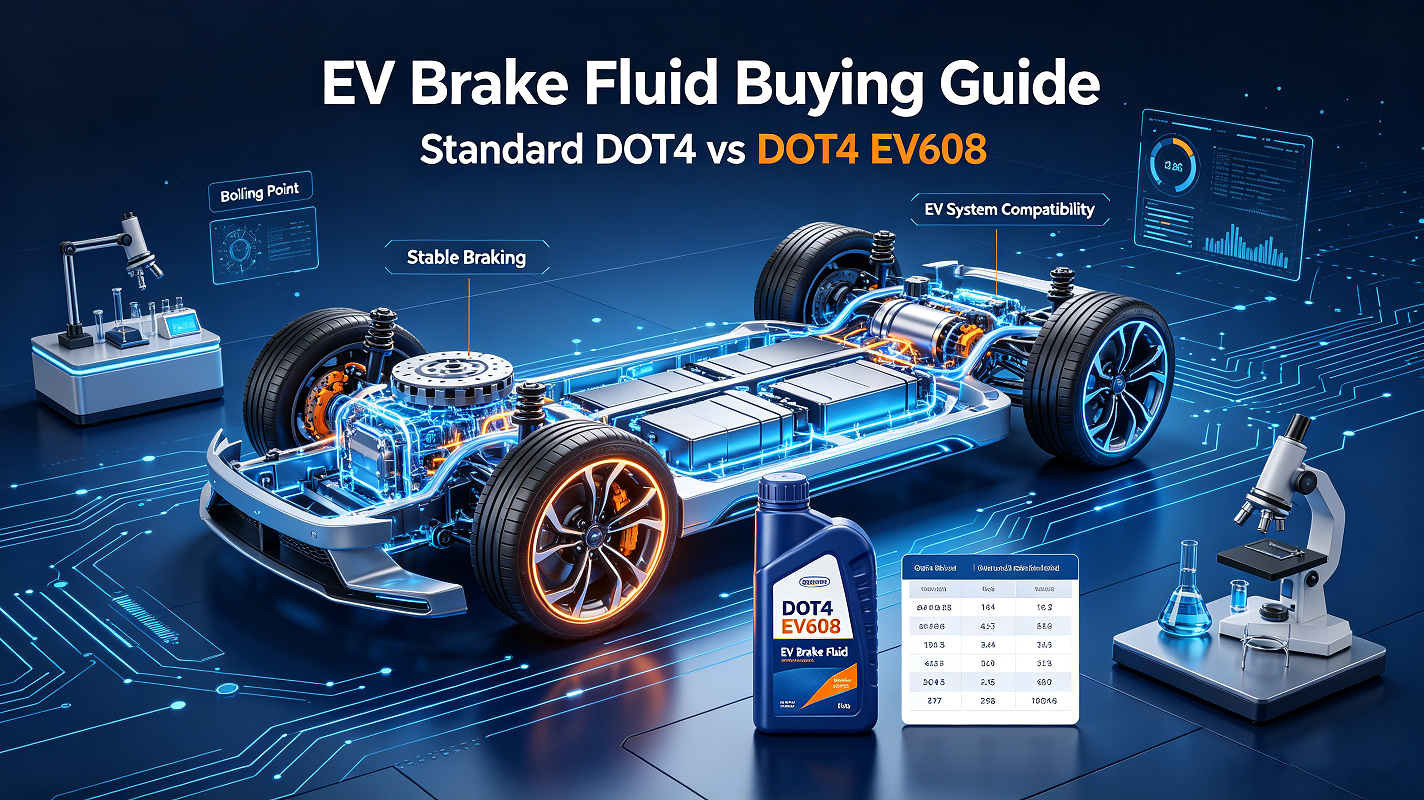
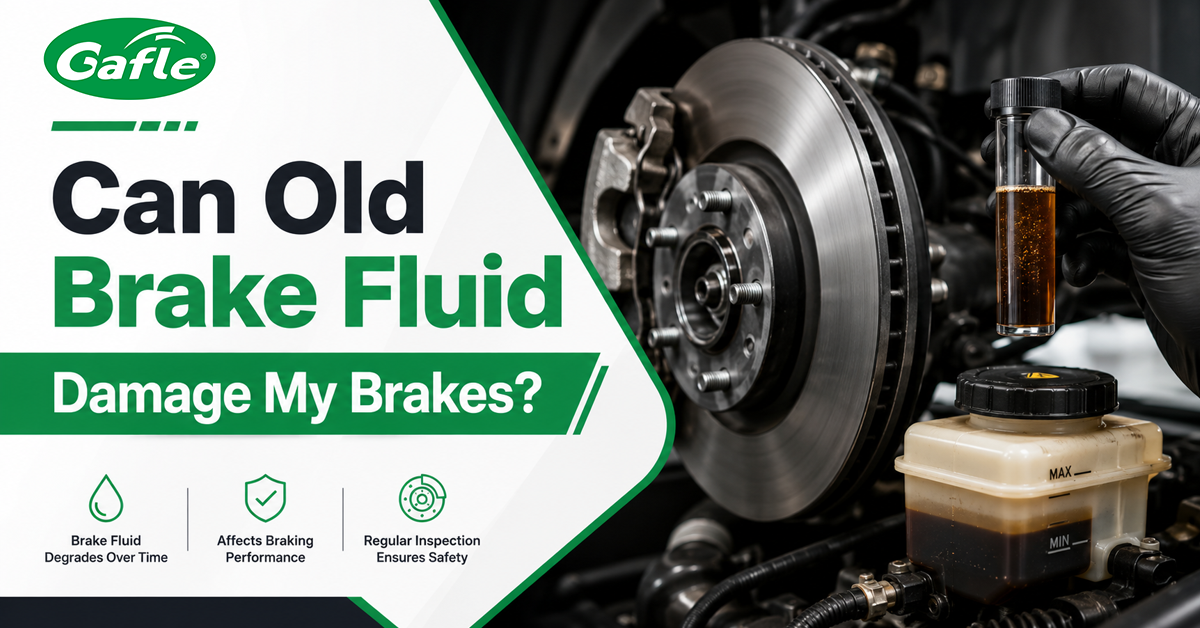
The specification matters because brake systems generate heat. Repeated stops, downhill use, heavy loads, and urban traffic can all raise temperatures in the brake circuit. A fluid with the right boiling characteristics helps reduce the risk of vapor formation, which can soften the pedal and reduce braking consistency. That is why buyers often see “high boiling point” language in brake-fluid marketing, including on some DOT 4 brake fluid packaging. It is not just a label flourish; it points to one of the few performance attributes that genuinely affects service outcomes.
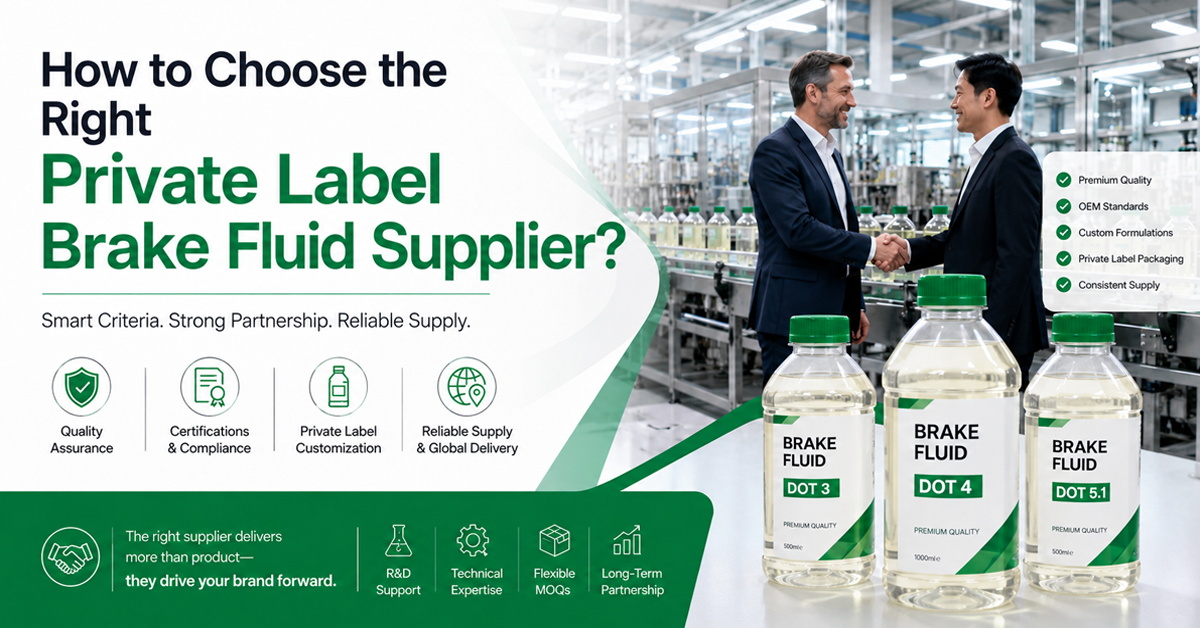
DOT 3 vs. DOT 4 vs. DOT 5.1: quick buyer comparison
Here is the practical way many engineers and parts buyers approach it: DOT 3 is for systems specified for DOT 3, DOT 4 is a common step up for higher thermal demands, and DOT 5.1 is selected when the application requires an even higher-performance glycol-based brake fluid family. In the market, you will also see terms like performance brake fluid and racing brake fluid, but those labels can be loosely used. The specification on the container is more important than the marketing language.
One caution: do not assume that a “better” label means universal compatibility. Brake systems are designed around the fluid spec called out by the vehicle or equipment maker. When in doubt, match the vehicle requirement first, then evaluate whether the recommended fluid should be changed only with engineering approval or maintenance guidance.
Where DOT 3 fits in real-world maintenance
For passenger vehicles, DOT 3 is commonly associated with routine brake system maintenance and top-up service in systems built for that grade. It is also the kind of fluid that may appear in repair kits, service counters, and workshop inventory where the priority is broad coverage for legacy or standard-duty applications. For purchasing teams, that means the buying decision is often less about chasing the newest fluid and more about stock discipline: keeping the right spec on hand, clearly labeled, and separated from adjacent grades.
Packaging and labeling are not trivial details
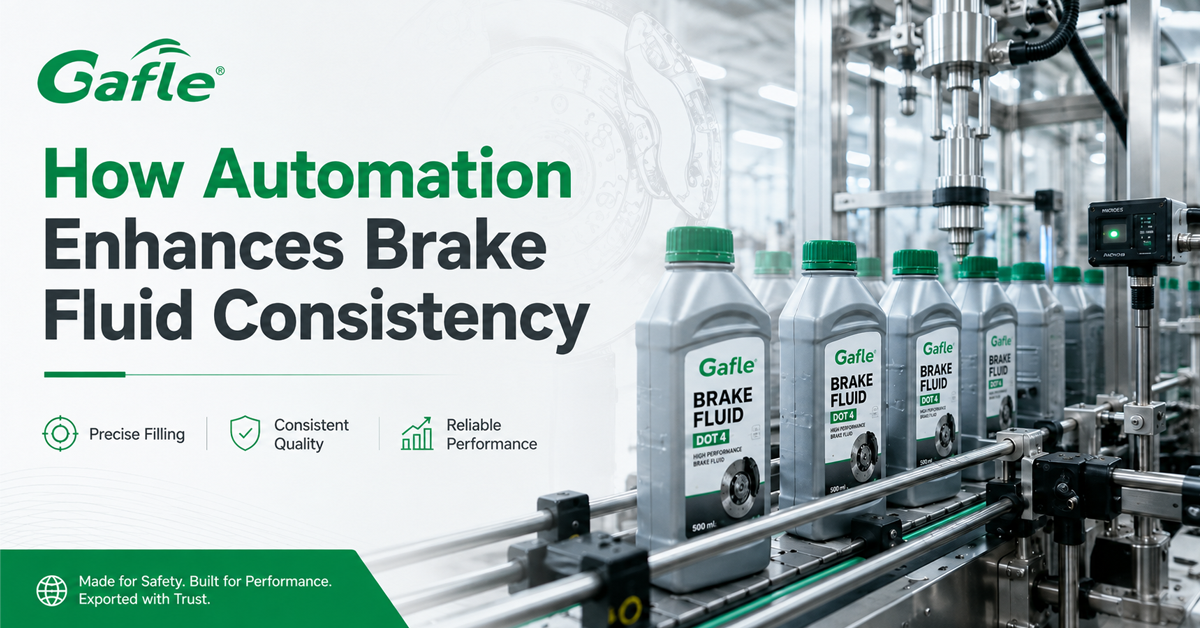
The packaged automotive maintenance fluid shown in the supplied product information is a DOT 4 brake fluid in an amber/translucent bottle with a black cap, black-and-yellow labeling, a brake-disc graphic, and a visible “high boiling point” claim. It also shows a 30ML marking, which is unusually small for brake fluid and should be verified before any order is treated as standard packaging. That is a useful reminder for buyers: packaging cues can help with shelf sorting, but the specification line on the label is what controls use.
What to verify before choosing a brake fluid product
Three checks matter most. First, confirm the vehicle or equipment specification. Second, confirm the packaging size and whether it is appropriate for service use, resale, or sample supply. Third, confirm the product category honestly: DOT 4 brake fluid is not the same thing as DOT 3 brake fluid, even if both are used in hydraulic braking systems and may share some operational traits.
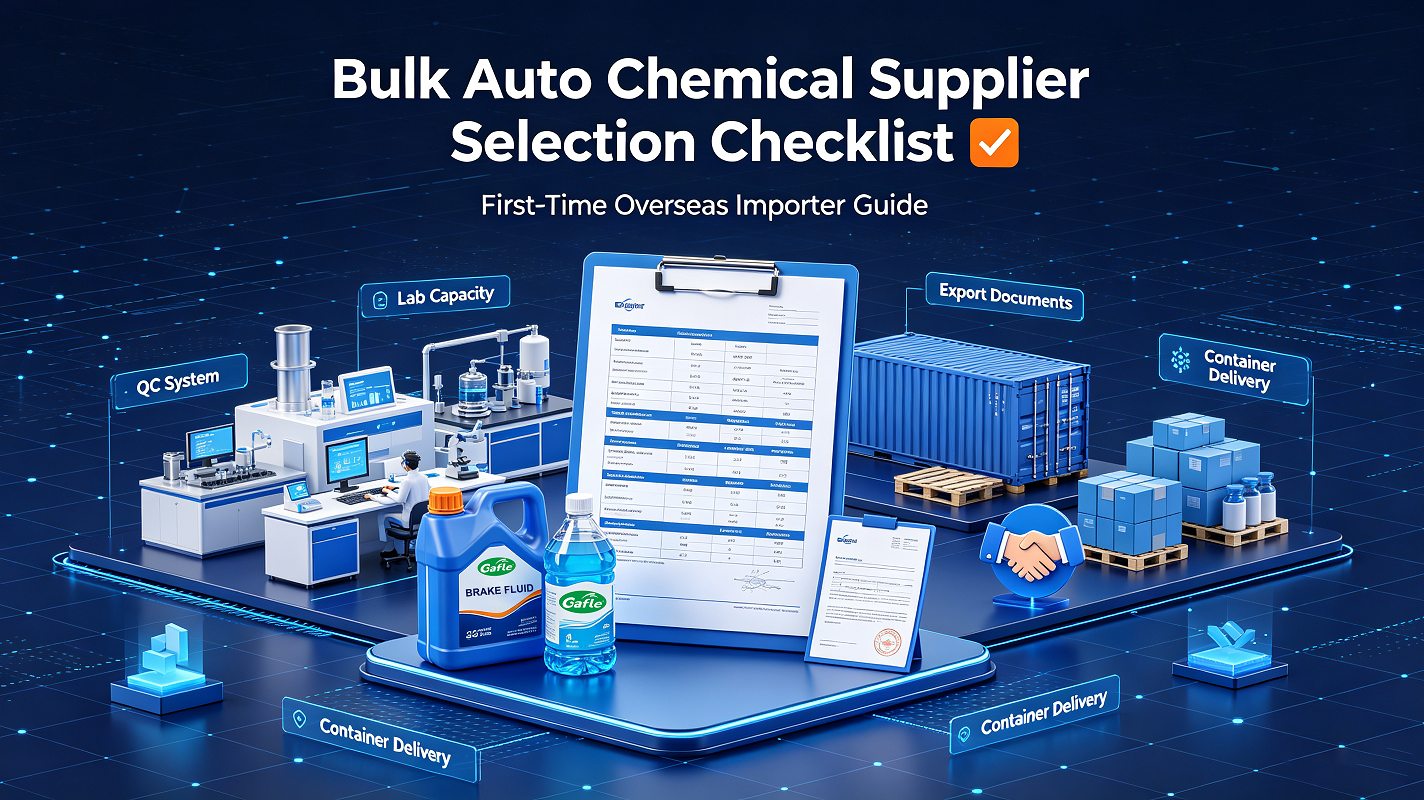
If you are sourcing for an aftermarket program, also pay attention to shelf presentation and labeling clarity. A product branded as GAFLE, for example, may be perfectly suitable for a defined channel, but a buyer still needs the spec, the fill volume, and the intended use to be unambiguous. This is one of those areas where a neat bottle is not enough; documentation should do the heavy lifting.
Common mistakes buyers still make
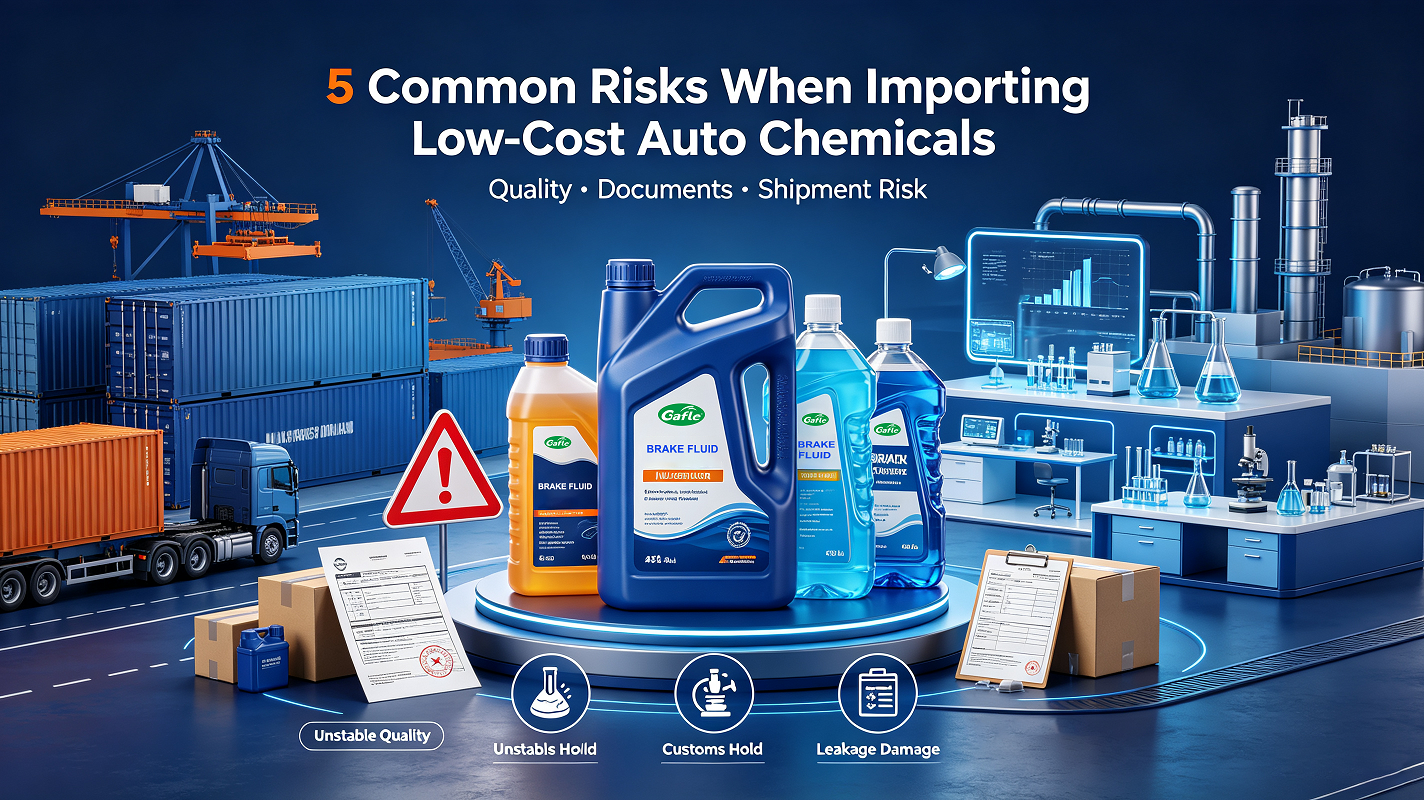
The first mistake is assuming all synthetic brake fluid is the same. The second is using the wrong fluid because it is already on the shelf. The third is treating performance brake fluid claims as if they override the service manual. None of those shortcuts end well. Another common issue is confusion over small-format packaging. A 30ML bottle might make sense for a sample, display unit, or special application, but it is not the kind of size most service teams would expect for ordinary brake maintenance.
A practical aside: if a brake-fluid product is being considered for resale, make sure the label language, spec marking, and package size are suitable for the market segment. Small inconsistencies create returns, complaints, and avoidable questions from technicians who notice these things immediately.
FAQ: a few questions buyers ask often
Can DOT 4 brake fluid replace DOT 3?
Sometimes, but only when the vehicle or system documentation allows it. Do not assume a swap is safe without checking the application requirement.
Is DOT 5.1 always better than DOT 3?
Not automatically. Higher specification does not eliminate the need to match OEM guidance, and it does not solve compatibility questions by itself.
Why do some products emphasize high boiling point?
Because heat resistance is one of the most important practical properties in braking. It affects consistency during repeated stops and heavy use.
Next step for sourcing and service teams
If you are building a brake-fluid assortment, start with the exact spec called out by the vehicle or service program, then compare packaging, labeling, and supplier consistency. For DOT 3 brake fluid, the goal is simple: buy to the requirement, not to the shelf marketing. If you are reviewing a DOT 4 brake fluid offer such as the packaged GAFLE product described above, verify the 30ML marking, the intended use case, and the service fit before it enters stock.