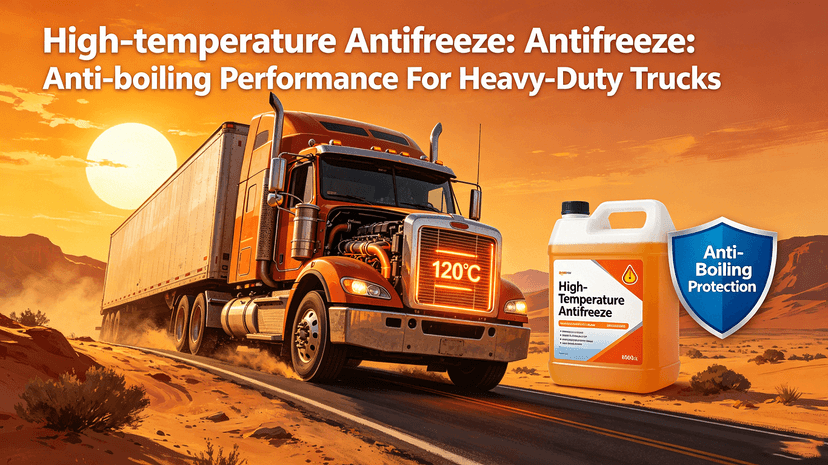
High-temperature Antifreeze: Anti-boiling Performance For Heavy-Duty Trucks
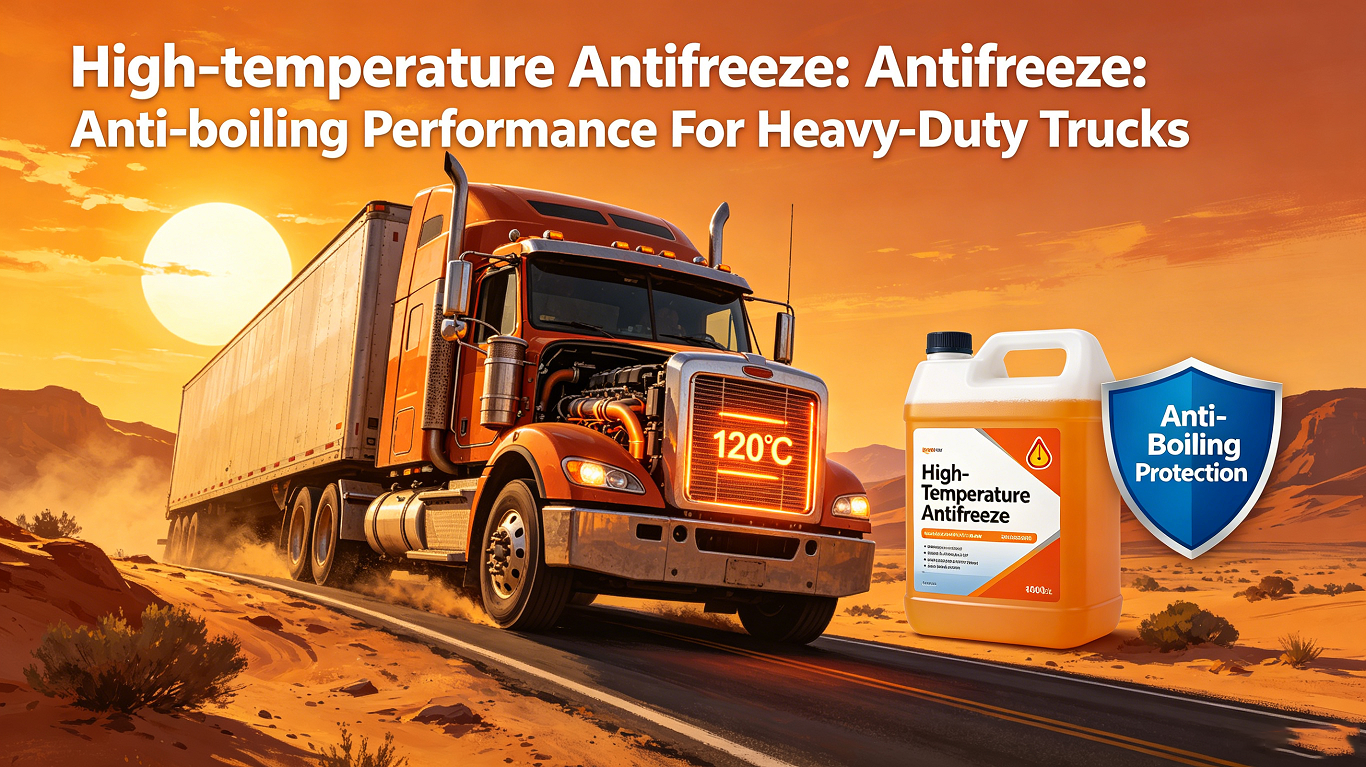
Long-haul heavy-duty diesel trucks operate under extreme working conditions: full-load climbing, sustained highway high speed, summer ambient temperatures above 40℃, and turbocharger heat accumulation pushing engine coolant temperature far beyond passenger car levels. Ordinary standard antifreeze cannot resist vapor bubble boiling under these high thermal loads, leading to "engine boiling", power loss and permanent cylinder damage. High-temperature heavy-duty dedicated antifreeze is formulated with enhanced high-boiling additives and stabilized glycol base stock to solve overheating risks for commercial fleets. This article analyzes its core anti-boiling mechanism, key performance indicators and bulk purchasing screening standards for truck fleet managers and auto fluid wholesalers.
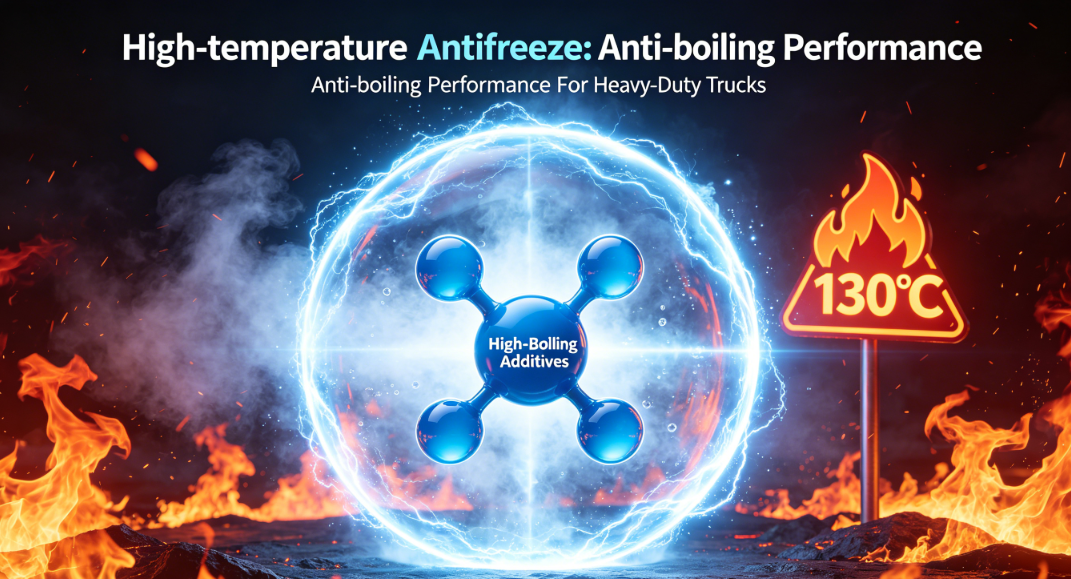
1. Why Ordinary Coolant Fails Heavy-Duty Truck High-Temperature Working Conditions
Standard passenger car antifreeze is designed for peak operating temperatures of 95℃–105℃, while heavy-duty diesel engines often hit coolant temperatures of 110℃–120℃ under full-load climbing:
- Low saturated boiling point under atmospheric pressure: Standard 50% EG coolant boils at ~108℃; when the radiator cap pressure valve ages and pressure drops, boiling occurs instantly, generating vapor air locks that block heat circulation;
- Weak vapor phase corrosion resistance: High-temperature glycol vapor decomposes into acidic substances, corroding aluminum turbo heat exchangers and thin radiator fins;
- Rapid additive depletion under sustained high heat: Ordinary anti-corrosion additives degrade 2–3 times faster under constant heavy-load high temperatures, losing protective performance within half the standard service cycle.
These defects lead to frequent truck overheating breakdowns, delayed deliveries and expensive engine maintenance for logistics fleets.
2. Core Anti-Boiling Technical Design Of Heavy-Duty High-Temperature Antifreeze
High-temperature truck coolant upgrades three core formulas compared to passenger car antifreeze to boost anti-boiling performance:
2.1 High-Concentration Stabilized Ethylene Glycol Base Stock
Adopts 55%–60% high-purity EG dilution ratio (matched with deionized water), raising atmospheric boiling point to 113℃–116℃. Under standard 1.0bar radiator cap pressure, the boiling threshold exceeds 125℃, fully covering heavy-duty engine peak temperature ranges.
2.2 High-Temperature Resistant Composite Anti-Vapor Additives
Special polyol anti-foam and vapor suppression additives eliminate micro vapor bubbles generated at high heat, preventing air lock blockage in narrow cooling channels around cylinder liners and turbo assemblies. Even under sustained climbing load, the coolant maintains full liquid flow without vapor separation.
2.3 High-Temperature Stable HOAT Anti-Corrosion Package
Heat-resistant long-chain organic acid additives resist thermal decomposition above 120℃, maintaining complete metal passivation film protection for iron, aluminum and copper components under prolonged high-temperature operation, avoiding scale and pitting corrosion caused by additive failure.
3. Key Performance Indicators For Qualified Heavy-Duty High-Temperature Antifreeze
When sourcing bulk truck coolant, verify these mandatory lab test indicators:
- Atmospheric boiling point ≥113℃ (50% glycol dilution);
- Pressure boiling point (100kPa) ≥124℃;
- Thermal stability test: 168 hours constant 120℃ heating, no precipitate, pH fluctuation ≤0.5;
- Cavitation corrosion weight loss ≤0.1mg per steel test piece (critical for cylinder liner protection);
- Foam volume ≤50mL after high-temperature agitation to eliminate vapor lock risk.
Low-cost generic heavy-duty coolant often cuts high-boiling additive dosage, failing these thermal stability tests and only meeting basic passenger car standards.
4. Applicable Heavy-Duty Vehicle Scenarios
This high-temperature dedicated antifreeze is the optimal choice for all high-load commercial vehicles:
- Long-haul cargo semi-trailer trucks, cross-country logistics fleets operating in tropical high-temperature zones (Southeast Asia, Middle East, South America);
- Mining dump trucks, engineering construction machinery with sustained low-speed high-load operation;
- Bus fleets, coach vehicles with frequent stop-start and high passenger load heat accumulation;
- Turbocharged diesel trucks with modified exhaust gas recirculation (EGR) systems that generate extra engine heat.
5. Fleet & Wholesale Purchasing Suggestions
- Seasonal stock allocation: Prioritize high-temperature antifreeze for summer bulk orders to supply local truck repair shops and logistics fleets;
- Supporting maintenance reminder: Advise fleet clients to test coolant boiling point every 3 months during hot seasons; replace coolant every 3 years instead of the 4-year standard cycle for light trucks;
- Document verification: Require suppliers to provide high-temperature boiling point lab test reports exclusive to heavy-duty formulations, not generic passenger car coolant inspection sheets;
- Storage note: Seal high-temperature antifreeze barrels tightly to avoid moisture dilution, which would lower boiling point performance before filling into truck cooling systems.
Closing Summary
High-temperature heavy-duty antifreeze upgrades boiling point, thermal stability and high-load anti-corrosion performance specifically for diesel truck extreme working environments, effectively solving engine boiling and overheating failures that plague logistics fleets. For auto fluid distributors targeting commercial vehicle aftermarket markets, stocking certified heavy-duty high-temperature coolant creates differentiated product advantages and reduces fleet client after-sales maintenance costs. Our factory’s heavy-duty antifreeze series passes full high-temperature stability lab testing and supports OEM private label customization for global bulk export orders.
Welcome to contact GAFLE for more information & cooperation!
peter
ZHEJIANG GAFLE AUTO CHEMICL CO.,LTD
Tel:86-579-8222 1665
Fax:86-579-8246 4690
Cel/Wechart:86-13335993986
E-mail:peter@gafle.net
Web:www.gafle.net
peter
ZHEJIANG GAFLE AUTO CHEMICL CO.,LTD
Tel:86-579-8222 1665
Fax:86-579-8246 4690
Cel/Wechart:86-13335993986
E-mail:peter@gafle.net
Web:www.gafle.net