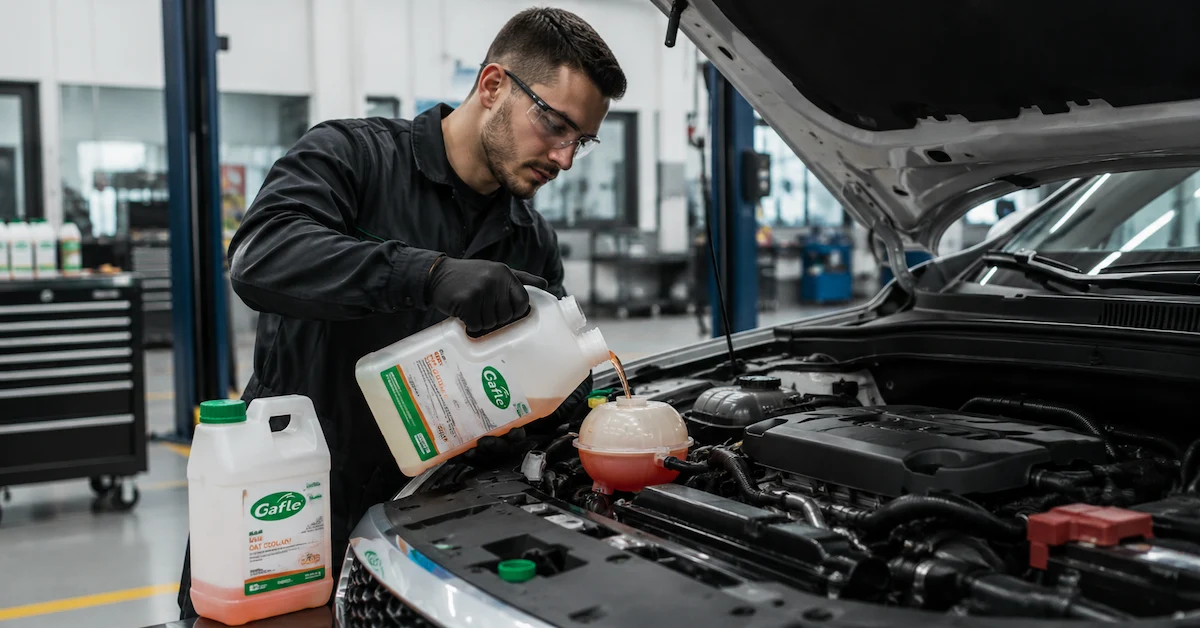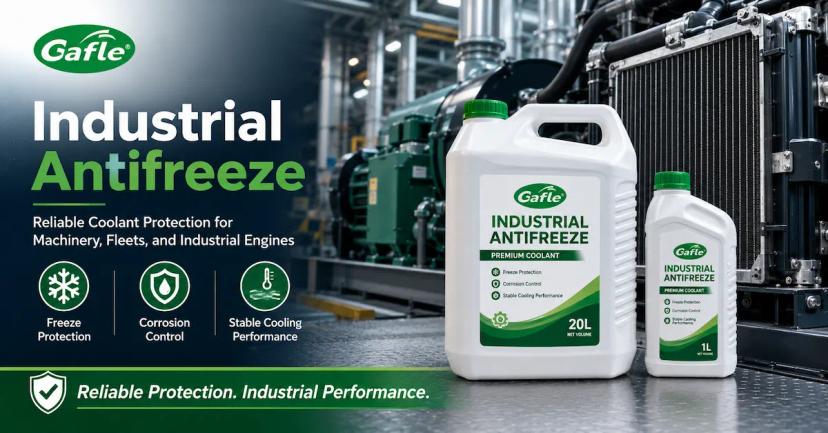
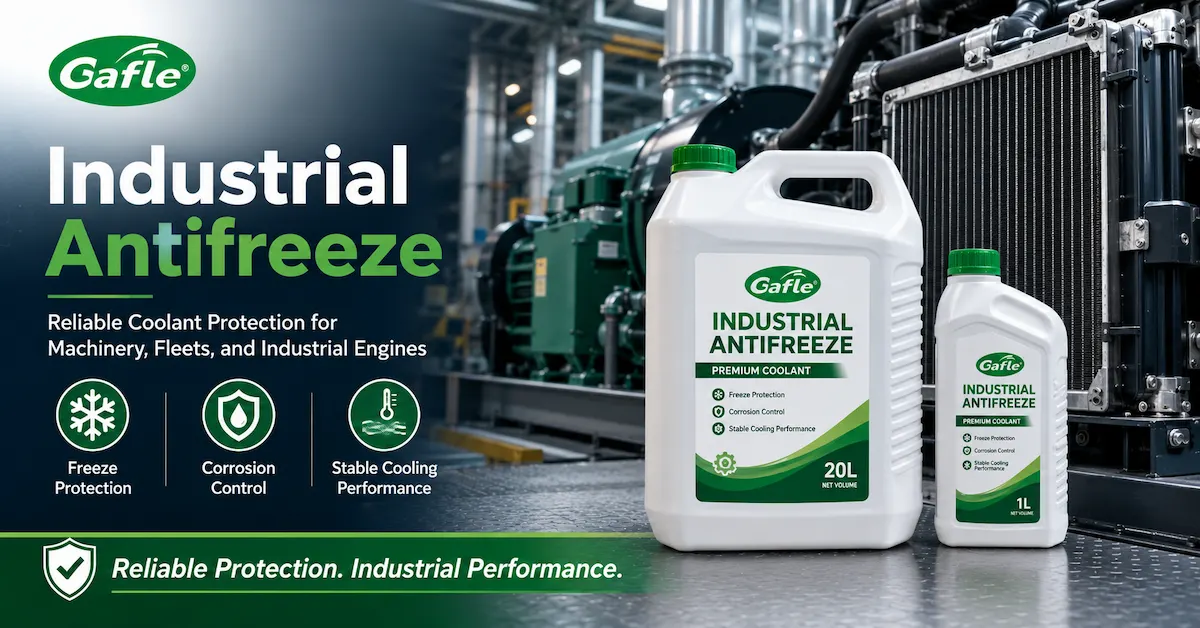
Industrial Antifreeze is a coolant product used to protect engines, machinery, generators, industrial vehicles, construction equipment, and cooling systems from freezing, overheating, corrosion, rust, scale, and long-term performance loss.
Compared with general passenger car coolant, Industrial Antifreeze is usually selected for more demanding operating environments. Industrial engines may run for long hours, operate under heavy load, face outdoor temperature changes, or stay idle for seasonal periods. These working conditions require stable coolant performance and stronger system protection.
For B2B buyers, Industrial Antifreeze is not only a maintenance chemical. It is a product that helps reduce downtime, protect equipment value, lower maintenance risk, and improve long-term operating reliability.
GAFLE provides automotive chemical products including antifreeze/coolant, brake fluid, refrigerant gas, and windshield washer fluid. Buyers can explore the full product range here: https://www.gafledp.com/products
Why Industrial Antifreeze Matters for B2B Buyers
Industrial machinery and commercial equipment often work in tougher conditions than normal passenger vehicles. A coolant failure may cause more than a repair cost. It can stop production, delay transport, damage expensive equipment, or create service complaints.
A reliable Industrial Antifreeze helps provide:
- Freeze protection in cold environments
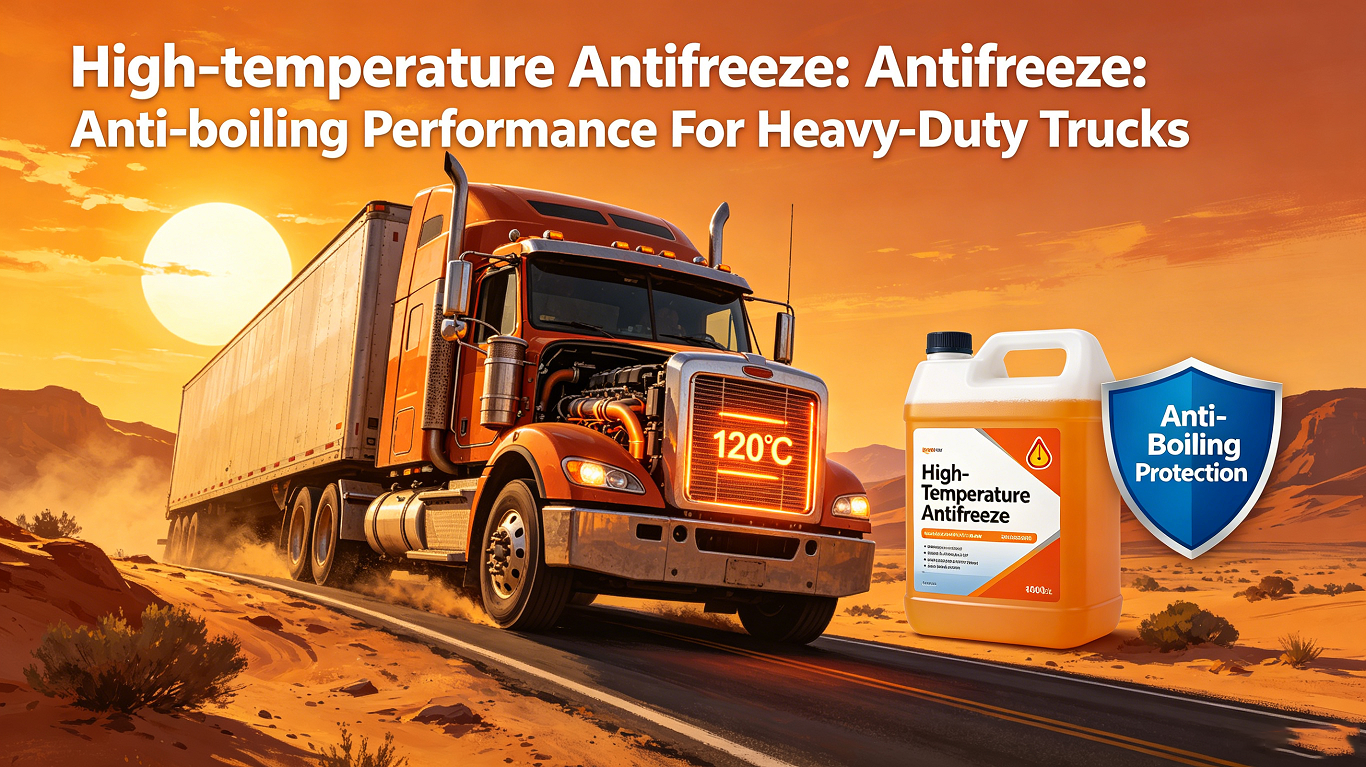
- Overheating protection during high-load operation
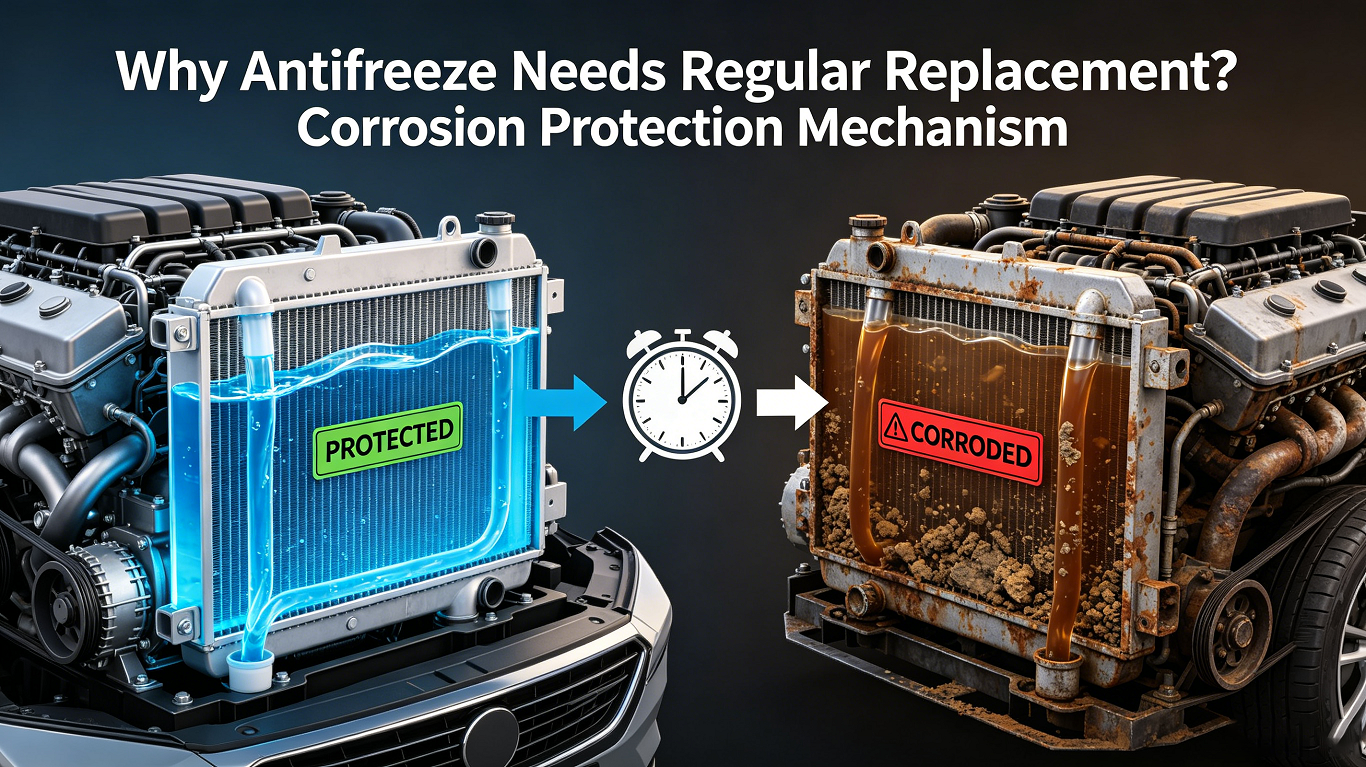
- Corrosion protection for metal cooling system parts
- Scale and deposit control inside cooling channels
- Water pump, hose, and radiator protection
- Stable heat transfer under continuous operation
- Reduced maintenance risk for fleets and machinery users
- Better product reliability for distributors and private label brands
For importers, distributors, and OEM coolant buyers, this makes Industrial Antifreeze a strong product category for professional markets.
Common Applications of Industrial Antifreeze
Industrial Antifreeze can be used across different equipment and working environments, depending on the formula and compatibility requirements.
1. Construction Machinery
Excavators, loaders, cranes, forklifts, road machinery, and concrete equipment often operate under dusty, hot, cold, or high-load conditions. Industrial Antifreeze helps protect the cooling system from overheating, corrosion, and seasonal freezing damage.
2. Diesel Generators
Diesel generators may operate continuously during power supply periods or remain in standby mode for long periods. A stable coolant helps protect the engine during operation and storage.
3. Agricultural Equipment
Tractors, harvesters, irrigation engines, and other agricultural machinery may work seasonally under heavy load. Industrial Antifreeze helps reduce corrosion and freezing risk when equipment is stored or used in changing climates.
4. Industrial Vehicles
Industrial Antifreeze can support forklifts, warehouse vehicles, logistics equipment, mining vehicles, and plant operation vehicles where cooling system reliability is important.
5. Truck and Fleet Maintenance
For fleet maintenance teams, industrial-grade coolant can support trucks, vans, buses, and commercial vehicles that operate for long hours and need stable thermal protection.
6. Stationary Engines and Equipment
Some industrial engines are used in pumps, compressors, power units, and other stationary equipment. These systems also need coolant protection against freezing, corrosion, scale, and overheating.
Industrial Antifreeze vs Heavy Duty Antifreeze vs Standard Coolant
Many buyers compare Industrial Antifreeze with heavy duty antifreeze and standard automotive coolant. The right choice depends on the equipment type, working load, service interval, and target market.
| Product Type | Main Use | Best For |
|---|---|---|
| Standard Engine Coolant | Passenger cars and light vehicles | Auto parts stores, repair shops, general maintenance |
| Heavy Duty Antifreeze | Trucks, buses, fleets, diesel engines | Fleet service, truck workshops, commercial vehicles |
| Industrial Antifreeze | Machinery, generators, industrial engines, equipment | Industrial maintenance, construction, agriculture, OEM supply |
Industrial Antifreeze is usually chosen when buyers need a more professional product for equipment protection, long operating hours, and harsh working environments.
Key Technical Factors Buyers Should Check
When sourcing Industrial Antifreeze, buyers should not only compare color, bottle design, or price. The real value comes from formula stability, cooling performance, corrosion protection, and batch consistency.
1. Freezing Point
Freezing protection should match the target climate. Common freezing point options include -15°C, -25°C, -35°C, and -40°C. Cold regions or outdoor machinery usually require stronger protection.
2. Boiling Protection
Industrial engines and machinery often operate under heavy load. A reliable coolant should help maintain heat transfer and reduce overheating risk.
3. Corrosion Protection
Cooling systems may contain aluminum, copper, brass, cast iron, steel, rubber hoses, and seals. Industrial Antifreeze should help reduce corrosion, rust, pitting, and metal damage.
4. Scale and Deposit Control
Scale buildup can block radiator passages and reduce heat transfer efficiency. This is especially risky for equipment that works for long hours or uses poor water quality.
5. Foam Control
Excessive foam may affect coolant circulation and reduce heat transfer. Stable anti-foam performance is important for industrial cooling systems.
6. Material Compatibility
Industrial equipment may use different metals, gaskets, seals, and hose materials. Buyers should confirm whether the coolant formula is suitable for the target equipment.
7. Water Quality for Premixed Coolant
If the product is ready-to-use, the supplier should use purified or deionized water. Poor water quality may increase scale and mineral deposits.
8. Batch Consistency
For B2B buyers, repeat-order consistency is critical. The coolant color, freezing point, packaging, label, and product performance should remain stable across batches.
Suggested Specification Table for Industrial Antifreeze
| Item | Common Specification |
| Product Name | Industrial Antifreeze / Industrial Engine Coolant |
| Product Type | Concentrated or ready-to-use coolant |
| Application | Machinery, generators, fleets, industrial engines |
| Color Options | Green, red, blue, yellow, customized |
| Base Fluid | Glycol-based formula |
| Freezing Point | -15°C / -25°C / -35°C / -40°C / customized |
| Key Functions | Freeze protection, boil protection, corrosion protection |
| Packaging | 4L, 5L, 18L, 20L, 200L, customized |
| OEM Support | Formula, color, bottle, label, carton, language customization |
| Buyer Type | Distributor, importer, fleet operator, industrial supplier, private label brand |
Ready-to-Use or Concentrated Industrial Antifreeze?
Industrial Antifreeze can be supplied as ready-to-use coolant or concentrated antifreeze. Each type has its own buyer value.
Ready-to-Use Industrial Coolant
Ready-to-use coolant is pre-mixed and can be poured directly into the cooling system. It is suitable for workshops, service teams, equipment owners, and buyers who want simple operation.
Benefits include:
- No dilution required
- Lower risk of mixing mistakes
- Faster maintenance operation
- Clear label message for end users
- Suitable for fleet and workshop service
Concentrated Industrial Antifreeze
Concentrated antifreeze must be diluted before use. It is suitable for professional buyers who need flexible mixing ratios or want higher active content per shipment.
Benefits include:
- Flexible dilution
- Suitable for different climates
- Efficient for bulk users
- Good for professional maintenance teams
- Useful for distributors serving multiple market segments
| Type | Main Advantage | Best Buyer |
| Ready-to-use coolant | Convenient and reduces mixing errors | Workshops, fleets, industrial users |
| Concentrated antifreeze | Flexible and efficient for professional use | Distributors, bulk buyers, technical users |
A reliable supplier should help buyers select the right type based on market climate, user habits, packaging size, and sales channel.
Packaging Options for Industrial Antifreeze
Packaging matters because industrial buyers often need larger volumes and stronger logistics support.
| Packaging Size | Best For |
| 1L / 1 Quart | Emergency top-up and retail channels |
| 4L / 5L | Workshops, distributors, equipment owners |
| 18L / 20L | Fleet service, machinery maintenance, industrial buyers |
| 200L Drum | Large industrial users, factories, fleet operators |
| Customized Packaging | Private label and market-specific programs |
For export buyers, bottle strength, cap sealing, carton quality, pallet packing, and leakage control are especially important.
How to Choose an Industrial Antifreeze Supplier
A good supplier should help buyers solve both technical and commercial problems. Before placing an order, buyers should evaluate the supplier from several angles.
Important questions include:
- Can the supplier provide industrial-grade coolant formulas?
- Can the freezing point be customized for different climates?
- Can the product be supplied as concentrate or ready-to-use coolant?
- Does the formula support corrosion and scale protection?
- Is the packaging strong enough for export and industrial use?
- Can the label and carton be customized?
- Are technical documents available?
- Can samples be tested before bulk order?
- Is production stable for repeat orders?
- Can the supplier support OEM and private label projects?
GAFLE focuses on automotive chemical products and supports antifreeze/coolant solutions for distributors, importers, workshops, fleets, industrial suppliers, and private label buyers. To learn more about GAFLE’s company background, visit: https://www.gafledp.com/about-us
OEM and Private Label Options
Industrial Antifreeze is suitable for OEM and private label cooperation because industrial buyers usually need reliable, clearly branded, and application-specific products.
GAFLE can support buyers with:
- Industrial coolant formula selection
- Ready-to-use or concentrated coolant options
- Green, red, blue, yellow, or customized color
- Freezing point customization
- Bottle, pail, drum, and carton design
- Multi-language packaging
- Private label branding
- Export packing support
- Product line planning for industrial and fleet markets
For importers and distributors, OEM Industrial Antifreeze can be positioned as a professional-grade product for machinery maintenance, fleet service, construction equipment, agricultural equipment, and industrial engines.
Common Buying Mistakes to Avoid
Many buyers focus only on price when sourcing Industrial Antifreeze. This can create quality complaints and long-term business risk.
Avoid these mistakes:
- Choosing coolant only by color
- Ignoring industrial equipment requirements
- Not confirming freezing point performance
- Not checking ready-to-use or concentrate type
- Using weak packaging for large-volume products
- Buying without sample testing
- Ignoring corrosion and scale protection
- Not checking cap sealing and leakage risk
- Not confirming carton and pallet strength
- Choosing a supplier without OEM support
A reliable supplier should help buyers reduce complaints, protect brand reputation, and support repeat orders.
Who Should Buy Industrial Antifreeze?
Automotive and Industrial Distributors
Distributors can sell Industrial Antifreeze to machinery repair shops, fleet operators, equipment service companies, construction users, agricultural customers, and industrial maintenance channels.
Fleet Operators
Fleet buyers need coolant that supports vehicle uptime and reduces cooling system failure risk. Industrial-grade coolant can help standardize maintenance across multiple vehicles and service locations.
Machinery Service Companies
Service companies need reliable coolant for construction equipment, agricultural machinery, generators, and industrial engines.
Importers
Importers need stable quality, strong packaging, private label support, and export documents. A professional supplier can reduce sourcing risk and simplify product launches.
Private Label Brands
Brand owners can customize formula, packaging, label design, coolant color, and market positioning to build a professional industrial coolant line.
Why Work with GAFLE for Industrial Antifreeze?
GAFLE provides automotive chemical products for global B2B buyers, including antifreeze/coolant, brake fluid, refrigerant gas, and windshield washer fluid. For buyers sourcing Industrial Antifreeze, GAFLE can support both product performance and market customization.
Key advantages include:
- Automotive chemical product experience
- Antifreeze/coolant product support
- Industrial and heavy-duty coolant customization
- Ready-to-use and concentrated options
- OEM and private label service
- Bottle, label, carton, pail, and drum packaging support
- Export-oriented cooperation
- Suitable solutions for distributors, workshops, fleets, industrial suppliers, and brand owners
To discuss Industrial Antifreeze specifications, packaging, MOQ, private label requirements, or quotation, contact GAFLE here: https://www.gafledp.com/contact-us
You can also explore more product and maintenance information through the news section: https://www.gafledp.com/category/news
FAQ About Industrial Antifreeze
1. What is Industrial Antifreeze used for?
Industrial Antifreeze is used in machinery, generators, industrial engines, fleets, construction equipment, agricultural equipment, and cooling systems to protect against freezing, overheating, corrosion, and scale.
2. Is Industrial Antifreeze different from regular coolant?
Yes. Industrial Antifreeze is usually selected for heavier-duty working conditions, longer operating hours, and more demanding cooling system requirements.
3. Can GAFLE provide OEM Industrial Antifreeze?
Yes. GAFLE can support OEM and private label Industrial Antifreeze with customized formula, color, packaging, label, carton, and market language.
4. What packaging sizes are available?
Common packaging includes 4L, 5L, 18L, 20L, 200L drums, and customized packaging based on buyer requirements.
5. Can the freezing point be customized?
Yes. Common options include -15°C, -25°C, -35°C, and -40°C. The final freezing point can be adjusted according to target market climate and product positioning.
6. Is Industrial Antifreeze suitable for generators?
Yes, it can be used for generator cooling systems when the formula matches the engine and maintenance requirements.
7. Should I choose concentrate or ready-to-use coolant?
Ready-to-use coolant is convenient and reduces mixing errors. Concentrate is better for professional buyers who need flexible dilution or higher active content per shipment.
8. What should distributors check before ordering?
Distributors should check formula type, freezing point, corrosion protection, packaging strength, label design, carton packing, MOQ, lead time, and OEM support.
9. Can the label and carton be customized?
Yes. GAFLE can support private label design, local language labels, carton artwork, and product line branding.
10. How can I get a quotation?
Send your required coolant type, freezing point, color, packaging size, order quantity, and private label needs through the GAFLE contact page.
Conclusion
Industrial Antifreeze is a high-value coolant product for machinery, generators, industrial engines, fleets, construction equipment, agricultural equipment, and professional service channels. For B2B buyers, choosing the right supplier means checking formula stability, freezing point, corrosion protection, scale control, packaging strength, label customization, and OEM service capability.
GAFLE provides antifreeze/coolant solutions for global buyers and can support customized Industrial Antifreeze programs for distributors, fleet operators, equipment service companies, importers, and private label brands.
If you are sourcing Industrial Antifreeze for wholesale or OEM cooperation, contact GAFLE to get technical specifications, packaging options, and quotation support.