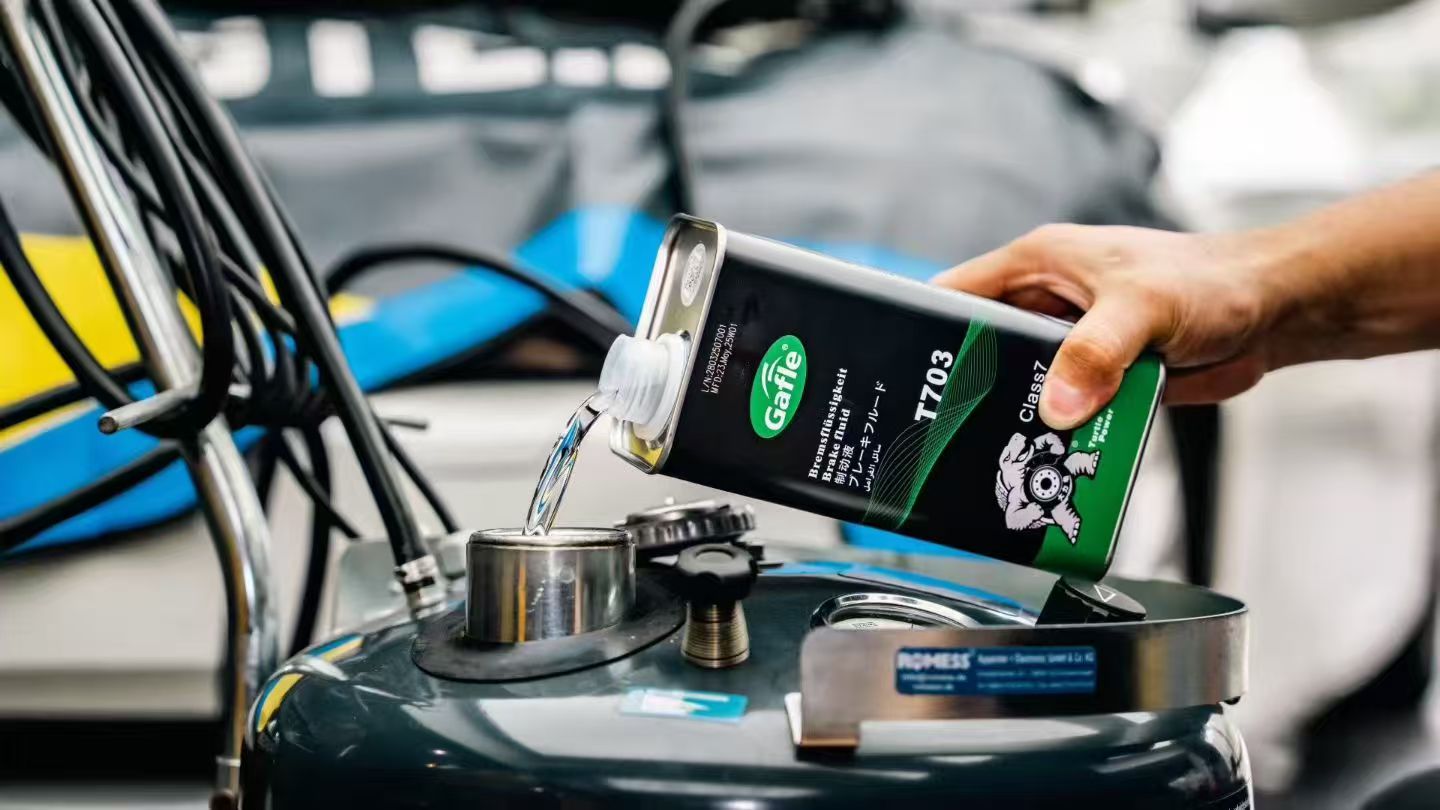
Brake fluid is the core hydraulic medium of a vehicle’s braking system. It transmits pressure to the brake calipers, ensuring responsive, stable, and consistent braking performance under all driving conditions. Despite its critical role in driving safety, most vehicle owners and even junior maintenance technicians overlook regular brake fluid inspection. Neglected low fluid levels or degraded fluid quality can lead to soft braking, extended stopping distances, and even sudden brake failure during high-speed or heavy-load driving.
Regular brake fluid inspection is one of the most cost-effective preventive maintenance routines. It helps eliminate potential braking risks in advance and extends the service life of the entire brake system. Zhejiang GAFLE AUTO CHEMICAL CO.,LTD, a professional manufacturer of DOT-certified brake fluid, provides a standardized step-by-step guide to checking brake fluid level and quality for both DIY users and automotive service professionals.
1. Pre-Inspection Preparation
Before inspecting the brake fluid, ensure the vehicle is parked on a flat, level surface with the engine turned off. Allow the engine and brake system to cool down completely to avoid hot-fluid misjudgment and personal scalding. Prepare a clean rag or tissue to wipe off dust and dirt around the reservoir cap, preventing external contaminants from falling into the brake fluid during inspection.
Locate the brake fluid reservoir, which is typically positioned on the driver’s side of the engine bay. Most reservoirs are made of translucent plastic, allowing users to check the fluid level without opening the cap.
2. How to Check Brake Fluid Level Correctly
The brake fluid reservoir is marked with clear MAX (maximum) and MIN (minimum) scale lines, serving as the standard judgment benchmark for fluid volume.
Optimal Fluid Level: The fluid surface should stay between the MAX and MIN marks. This range ensures sufficient hydraulic pressure reserve while reserving appropriate space for fluid thermal expansion during operation.
Low Fluid Level Risks: If the fluid falls below the MIN line, the braking system may absorb air, resulting in spongy brake pedals and reduced braking efficiency. A continuous drop in brake fluid level usually indicates potential system leakage or excessive brake pad wear, which requires immediate inspection and maintenance.
Overfilled Fluid Risks: Avoid overfilling brake fluid above the MAX line. Excess fluid lacks expansion space, which may cause fluid overflow, damage sealing components, or trigger abnormal brake drag during high-temperature operation.
3. How to Evaluate Brake Fluid Quality (Color, Clarity & Contamination)
Level inspection only checks fluid volume, while quality inspection determines whether the brake fluid still meets operational standards. Brake fluid deteriorates gradually due to hygroscopicity, oxidation, and long-term high-temperature cycling. You can accurately judge fluid condition through visual observation and basic identification methods.
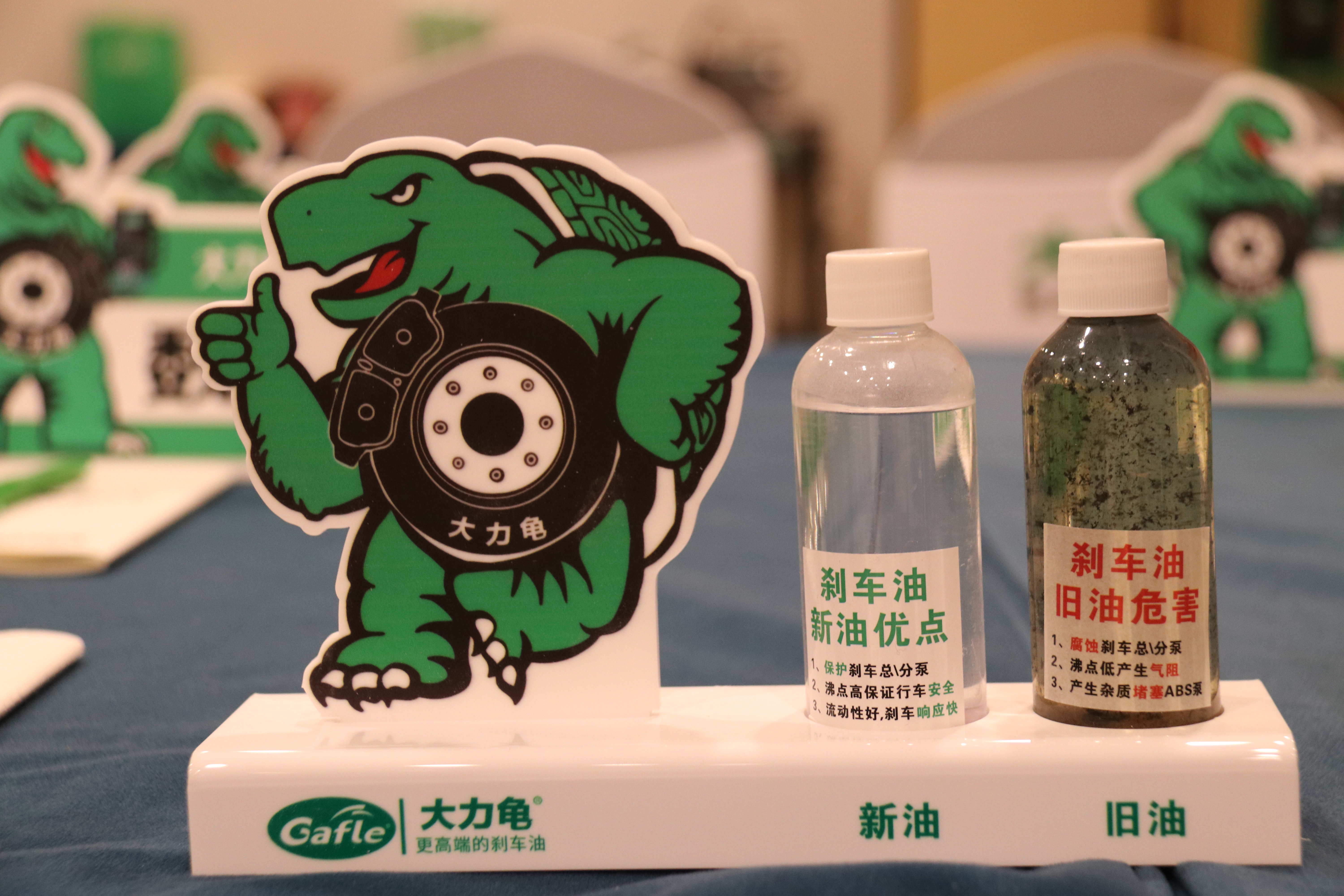
Fresh & Qualified Brake Fluid: High-quality new brake fluid is clear, transparent, or slightly pale yellow with no suspended impurities, precipitation, or peculiar odor. It maintains stable physical and chemical properties and provides reliable hydraulic transmission performance.
Aged & Degraded Brake Fluid: If the fluid turns dark yellow, brown, or black, or appears turbid with floating particles, it indicates severe oxidation and contamination. Aged fluid has increased viscosity, reduced boiling point, and enhanced corrosiveness, which easily cause brake fading and pipeline corrosion.
Moisture Contamination: Brake fluid is highly hygroscopic. Long-term use will absorb ambient moisture, reducing the wet boiling point significantly. Excessive water content leads to vapor lock during frequent braking, causing sudden brake failure. Although moisture cannot be observed directly, discoloration and turbidity are typical external symptoms of water contamination.
4. Key Inspection Rules & Replacement Standards
To maintain long-term brake system stability, follow unified industry inspection and replacement specifications:
-
Regular Inspection Cycle: Check brake fluid level and quality every 6 months or 5,000 kilometers.
-
Standard Replacement Cycle: Replace brake fluid every 2 years or 40,000 kilometers, whichever comes first.
-
Immediate Replacement Scenarios: Fluid darkening, turbidity, abnormal odor, or after long-distance mountain driving and frequent heavy braking.
-
Mixing Prohibition: Never mix brake fluid of different DOT grades or different brands, as incompatible formulas will cause chemical reactions and performance failure.
5. Choose High-Quality Brake Fluid for Long-Term Driving Safety
Regular inspection and timely replacement rely on high-quality brake fluid to deliver fundamental safety guarantees. Inferior brake fluid features poor high-temperature resistance, strong hygroscopicity, and severe corrosiveness, which accelerate brake system aging and bring hidden safety hazards.
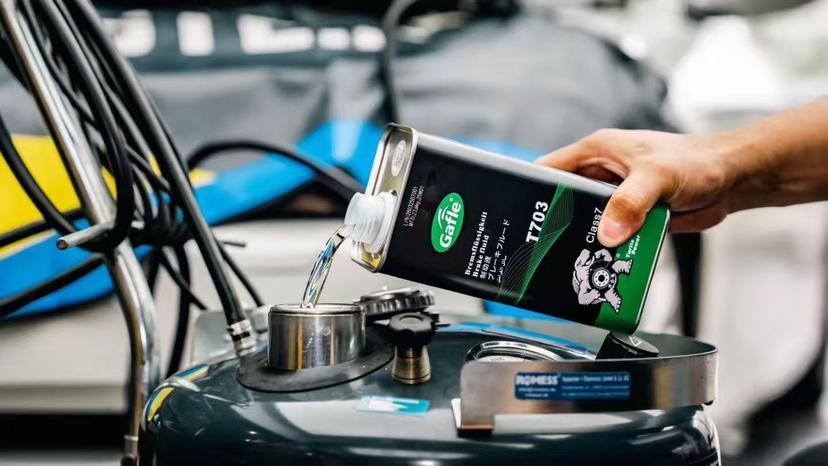
GAFLE full-series brake fluids strictly comply with ISO 4925 international standards and US DOT certification, covering DOT3, DOT4, DOT5.1 and high-performance synthetic grades. Adopting optimized borate ester formulas, GAFLE brake fluid delivers high boiling point, low water absorption, anti-oxidation and anti-corrosion performance, adapting to passenger cars, commercial vehicles and new energy vehicles. All products support bulk wholesale and customized OEM/ODM services for global repair shops, fleet companies and auto parts distributors.
Conclusion
Checking brake fluid level and quality is a basic but essential maintenance item for every vehicle. Standardized daily inspection and timely replacement effectively avoid most braking system failures and ensure driving safety. Always prioritize certified, high-quality brake fluid to maximize the stability and service life of your vehicle’s braking system.
CTA: Source premium DOT-certified brake fluid from GAFLE. Contact us for free samples and factory-direct bulk pricing for your business.