Why premium coolant deserves more attention than it gets
Most buyers do not think about premium coolant until a temperature gauge starts creeping up, a fleet truck sits longer than planned, or a shop has to explain why a cooling system keeps building scale and rust. That is usually when the conversation gets expensive. A good coolant does more than move heat away from an engine; it also helps protect hoses, water pumps, radiator passages, and internal metal surfaces from the slow damage that comes with heat cycles, oxidation, and contamination.
For sourcing teams and maintenance managers, the real question is not whether a fluid is labeled as premium antifreeze or premium koelvloeistof. It is whether the product fits the engine population, service interval, and operating environment well enough to reduce failures without creating compatibility headaches. That is the decision this article is meant to help with.
What a premium engine coolant is expected to do
A premium coolant is designed for two jobs that matter equally in the field: controlling temperature and protecting the cooling system itself. The temperature side is straightforward. The fluid circulates through the engine, radiator, and hoses, carrying heat away before hot spots can build. The protection side is where product quality starts to matter more than the label language.
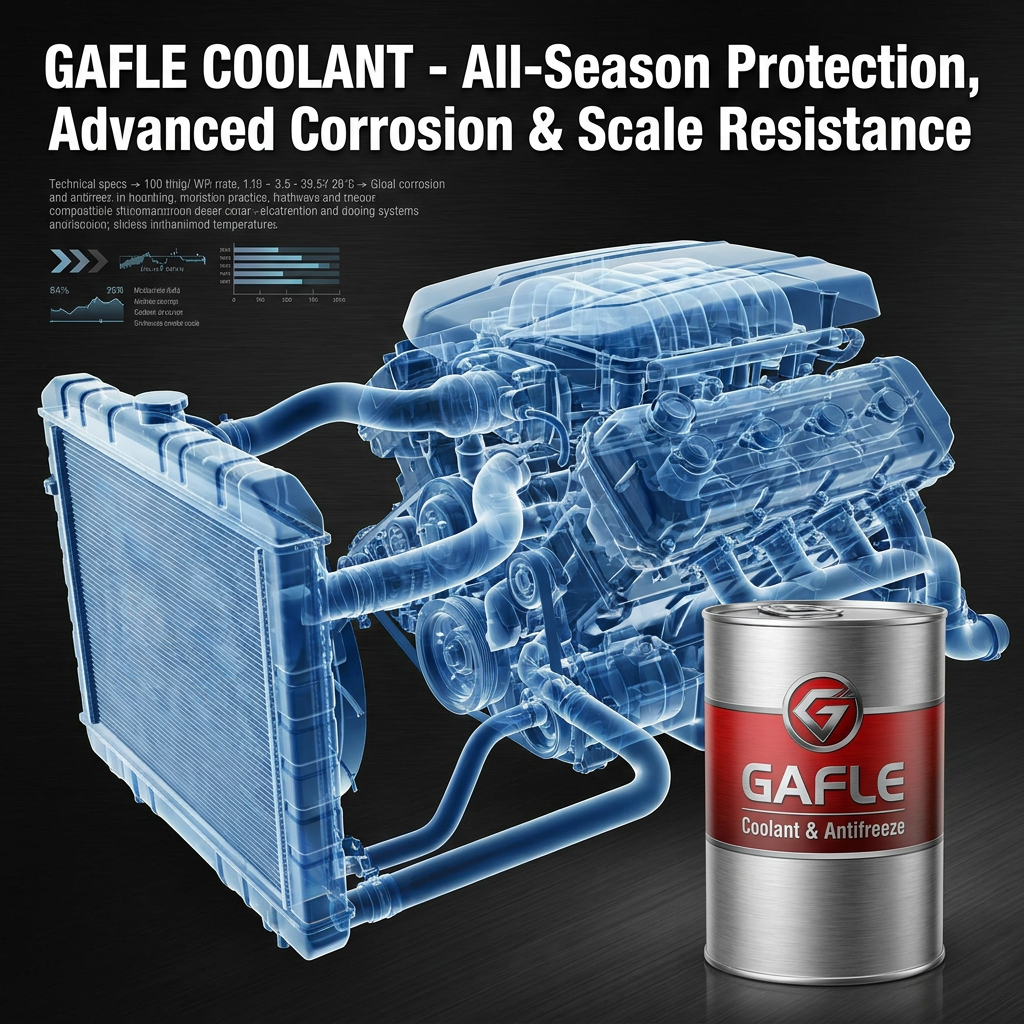
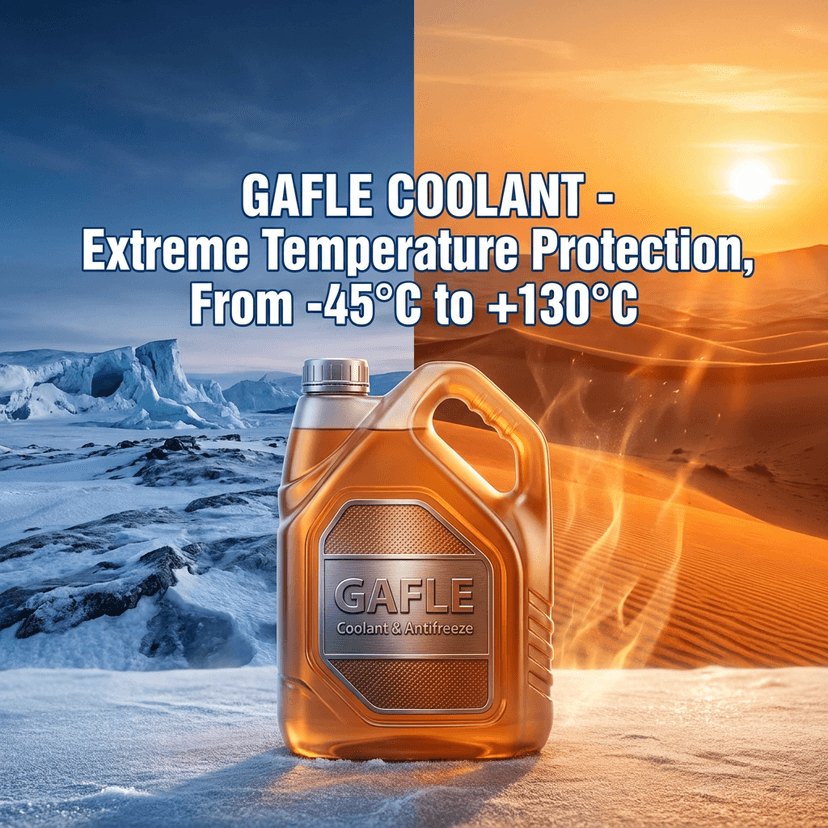
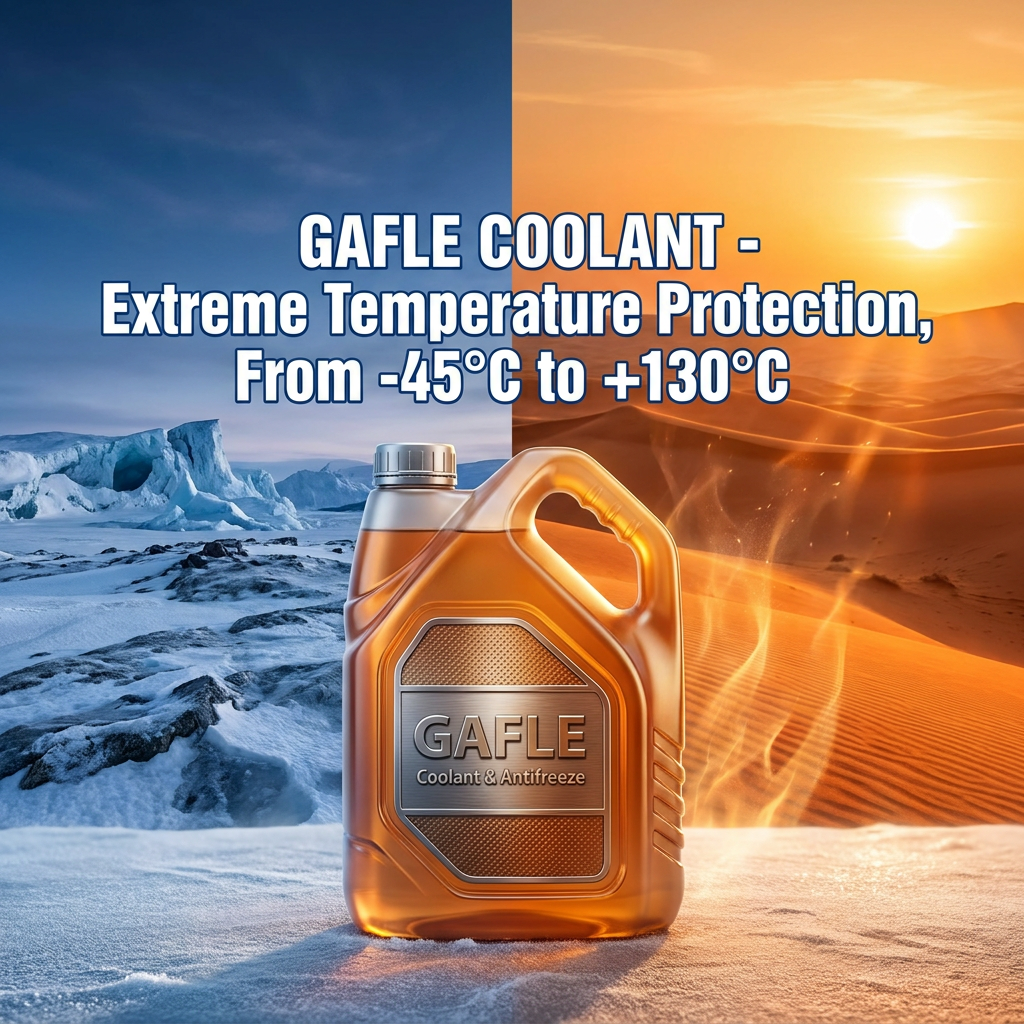
In practical terms, a stronger formulation should help resist corrosion, reduce scale formation, and support all-season service. The GAFLE Coolant & Antifreeze packaging shown here points to “All-Season Protection” and “Advanced Corrosion & Scale Resistance,” which are the kinds of claims buyers usually want to see for mixed-use automotive and industrial fleets. Those phrases are useful, but they are not a substitute for confirming compatibility with the engine and service specification you actually need.
Quick buyer takeaways before you compare products
If you are evaluating premium antifreeze for a purchase list, start with the basics: operating climate, system metallurgy, refill strategy, and whether the product will be used as a top-off fluid or during a full drain-and-fill service. A shop that handles a wide mix of vehicles may need a more flexible product strategy than a fleet that controls every engine platform.
Packaging also matters more than some buyers expect. The image shows a sealed metal cylindrical can with a brushed silver finish and red label. That format can be useful for shelf stability, transport, and retail presentation, especially when coolant is sold through service channels rather than bulk industrial tanks. Still, the container tells you almost nothing about the actual chemistry inside, so it should be treated as a starting point, not proof of performance.
Where cooling-system damage usually starts
Cooling problems rarely begin with a dramatic failure. More often they start with neglected top-offs, mixed fluids, or a product that was never intended for the service environment. Over time, small issues can turn into deposit buildup, restricted flow, weak heat transfer, and corrosion at metal interfaces. That is why buyers looking for premium koelmiddel should pay attention to the protection claims and to the maintenance practices around the fluid itself.
A common mistake is assuming all coolant is interchangeable. It is not. Even when two products both claim freeze protection and overheating resistance, they may differ in inhibitor package, service life expectations, or suitability for certain system materials. Since the exact chemistry of this product is not shown, it is prudent to verify application fit before committing it to a mixed fleet or a long drain interval.
How to evaluate a coolant purchase like a maintenance buyer
1. Match the product to the engine population
Passenger vehicles, delivery fleets, and service-shop inventory all place different demands on the same fluid category. The more varied your engine mix, the more important it becomes to confirm whether the coolant is intended for broad compatibility or a narrower use case.
2. Ask what protection really means
“Corrosion resistance” and “scale resistance” are helpful phrases, but buyers should still ask what that means in the context of the systems they maintain. If you support engines with aluminum parts, mixed metals, or older cooling circuits, the inhibitor package becomes more than a brochure detail.
3. Watch the refill process
Some coolants are premixed, while others are concentrates that require dilution. That distinction affects inventory planning, labor, and error risk. The product data here does not confirm which format applies, so it should be checked before ordering.
Common mistakes when buying premium coolant
One frequent error is buying on packaging alone. A brushed-metal can and strong graphic design can suggest quality, but they do not tell you whether the fluid fits your engine specification. Another mistake is treating premium coolant as a generic top-off item when the system actually needs a controlled refill procedure. That is how incompatible fluids get mixed and service records become hard to trust.
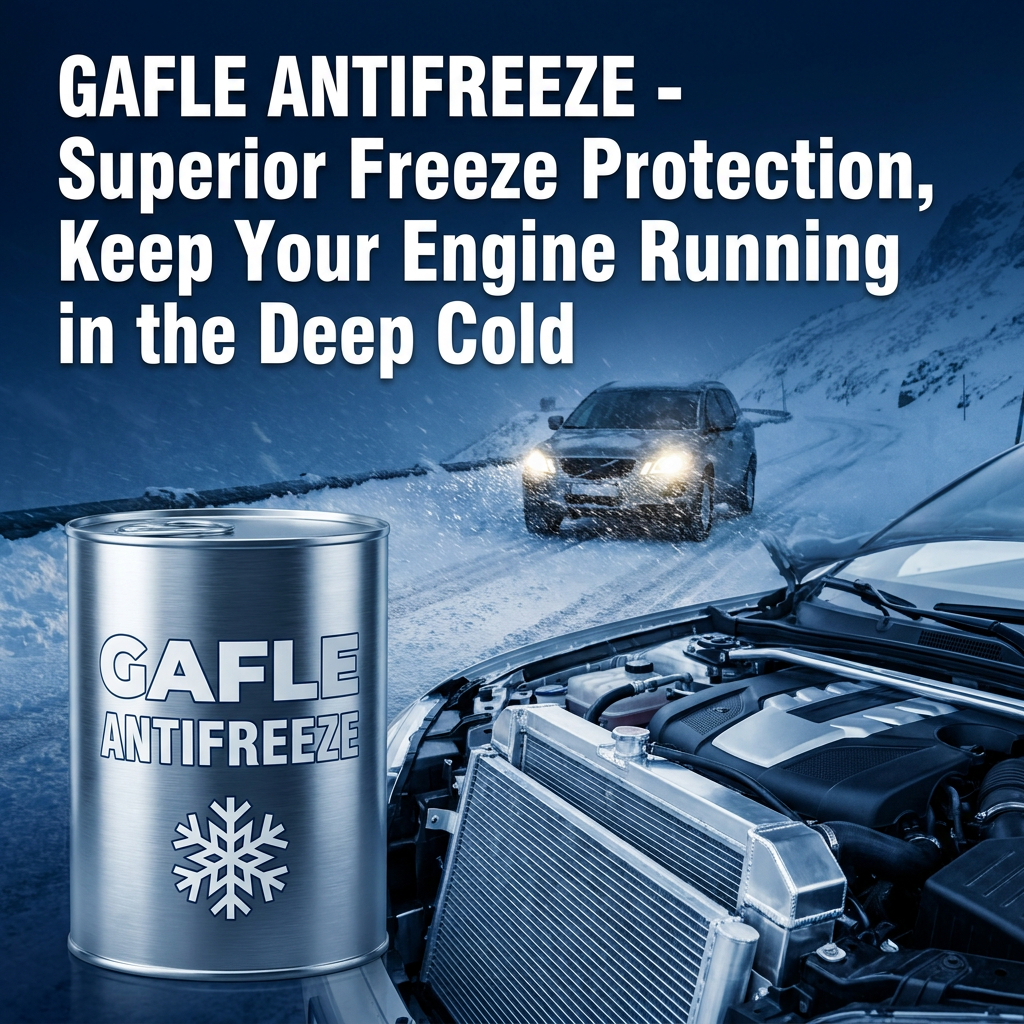
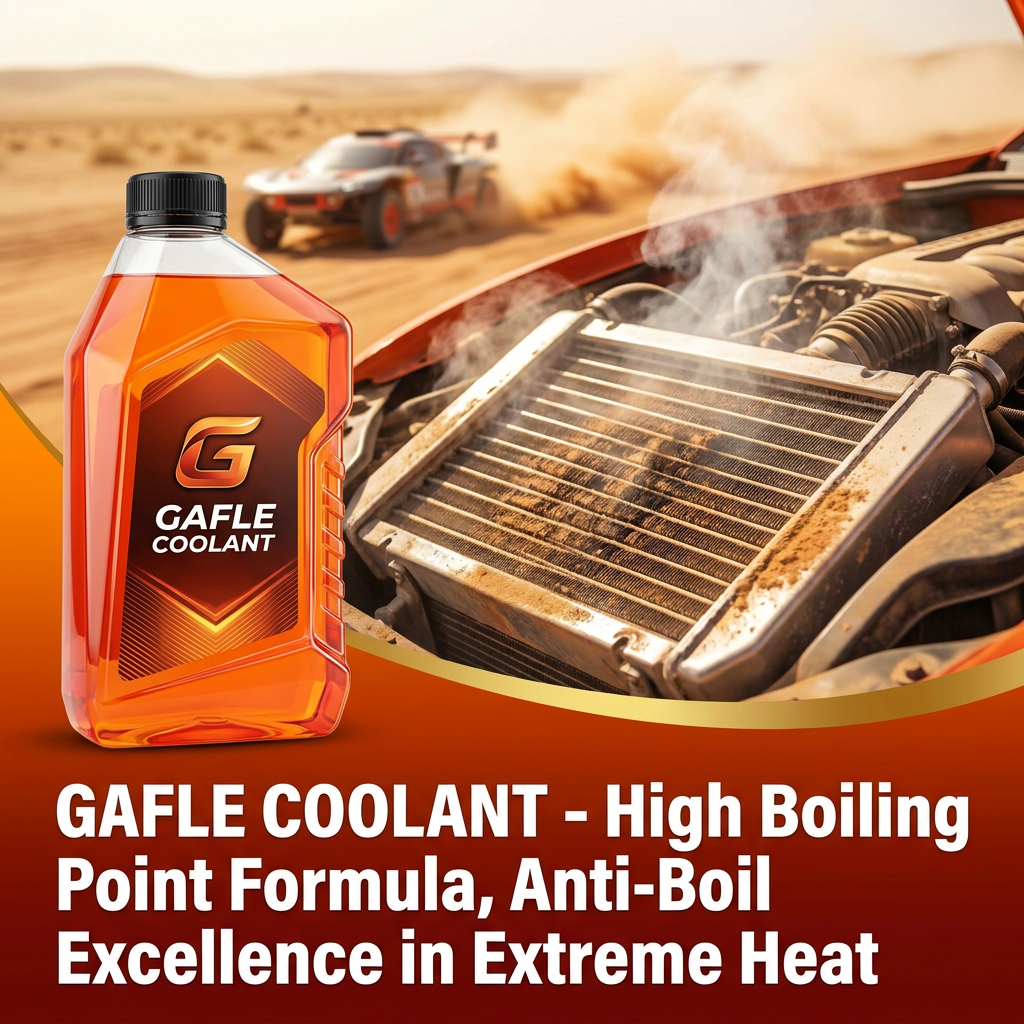
There is also a temptation to focus only on freeze protection. In real service environments, especially where engines idle, tow, climb, or run in stop-and-go conditions, boil control and deposit resistance can matter just as much. A fluid that performs well in winter but leaves residue in the summer is not a good long-term buy.
Practical advice for sourcing and maintenance teams
Use a short approval checklist before placing a coolant on your preferred list: application fit, packaging format, documentation quality, and clarity on service use. If your organization supports both shop service and field maintenance, it may also be worth separating retail-ready coolant from bulk refill inventory so the wrong product does not end up in the wrong bay.
For buyers comparing premium koelvloeistof or antivries premium across suppliers, the safest approach is to request the missing technical details before purchasing: chemistry type, dilution requirements, container size, and any OEM or material compatibility notes. Those are not small details. They are the details that determine whether the product saves time or creates an avoidable return.
FAQ: a few questions buyers ask often
Is premium coolant always better than standard coolant?
Not automatically. It depends on the engine, service interval, and environment. A premium label is only useful if the product matches the system requirements.
Can one coolant work for all vehicles in a fleet?
Sometimes, but not always. Mixed fleets can be tricky, especially when different engines or materials are involved. Compatibility should be confirmed, not assumed.
What makes GAFLE Coolant & Antifreeze notable from the image alone?
The visible cues point to all-season use, corrosion and scale resistance, and a sealed retail metal can format. Beyond that, the exact formulation is not visible and should be verified before specification.
Next step for buyers
If you are sourcing premium coolant for vehicles, service shops, or industrial engines, start with the application requirements and then compare product documentation side by side. The right fluid should protect the system, fit the maintenance workflow, and reduce the chance of avoidable cooling issues. That is the real value, not the label on the front of the can.