Why premium coolant matters before the engine overheats
Choosing a premium coolant is not just about topping up a low reservoir. It is part of how an engine stays stable under load, in traffic, and through seasonal temperature swings. For shops, fleet managers, and vehicle owners, the real question is usually practical: will this fluid protect the cooling system, or will it create another maintenance problem later?
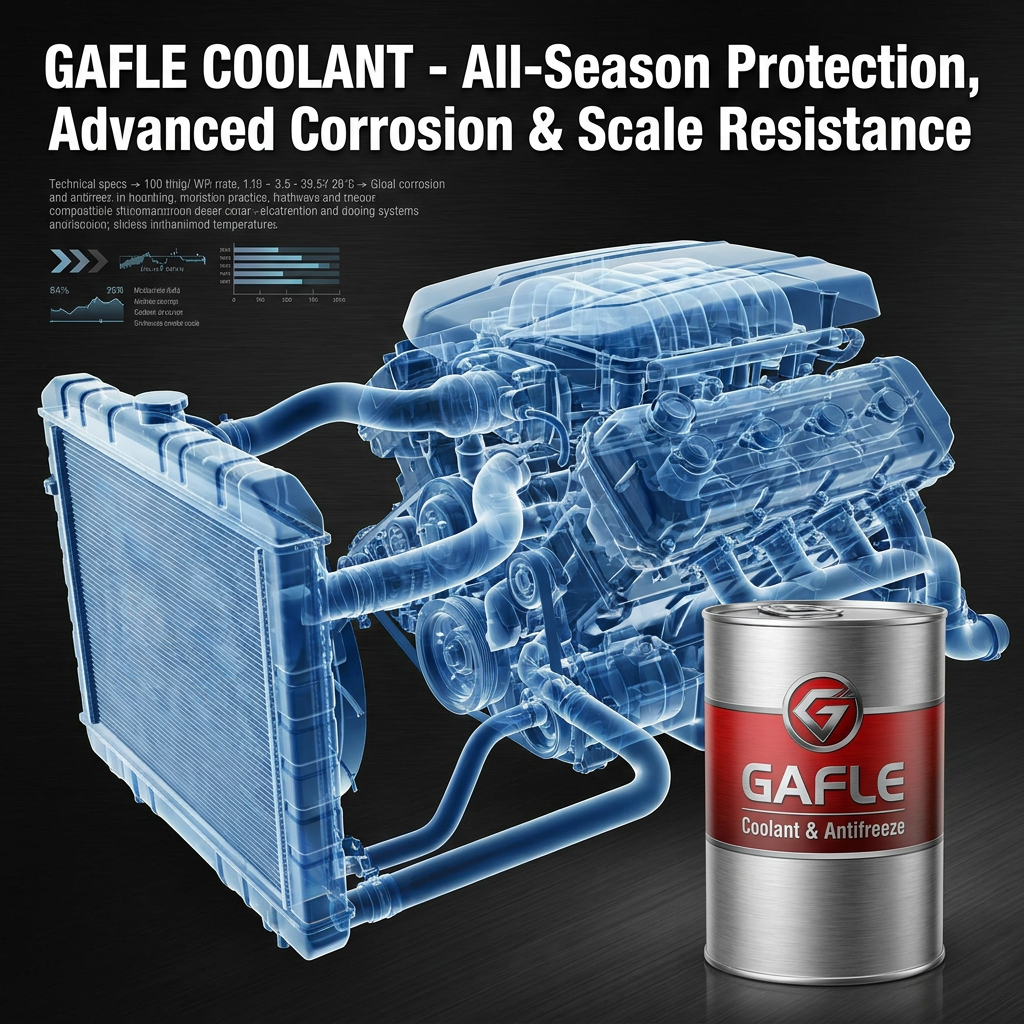
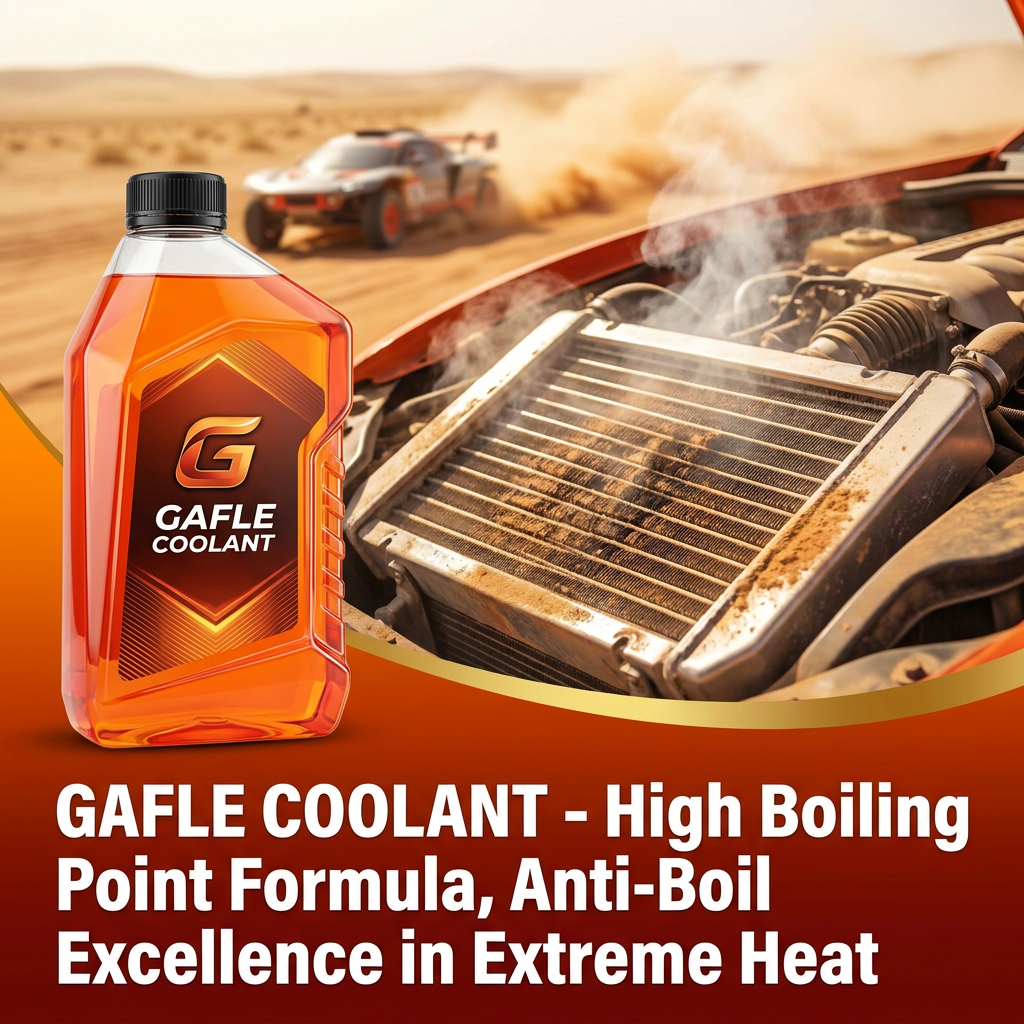
The packaging for GAFLE Coolant & Antifreeze points to the basics buyers care about most: all-season protection and resistance to corrosion and scale. That is the right starting point. In a liquid-cooled engine, the coolant has to do more than move heat. It also needs to help protect metal surfaces, keep deposits under control, and support freeze and boil protection. Miss that balance and you may get anything from minor efficiency loss to costly overheating or component wear.
What buyers usually need from one fluid
Most buyers are not comparing chemistry on a whiteboard. They are trying to match a fluid to a vehicle, a climate, and a maintenance schedule. That is why premium antifreeze products are judged on a few simple outcomes:
They should support temperature control in hot and cold weather, reduce corrosion risk inside the radiator and engine passages, and help limit scale or deposit buildup. Those are basic service requirements, but they matter because the cooling system is full of mixed materials: aluminum, steel, rubber, plastics, and soldered joints in some cases. A fluid that looks fine in the bottle can still be the wrong fit if it does not suit the system design.
There is also a practical point that often gets missed: a coolant is not just a winter product. Fleet trucks, delivery vans, passenger cars, and other liquid-cooled engines depend on the same formulation all year. That is why product labeling such as “all-season protection” has value, even if the buyer still needs to check compatibility before use.
How to think about coolant selection
When comparing a premium koelvloeistof or premium koelmiddel with another aftermarket option, the first filter is always vehicle requirement. OEM guidance should lead the decision. After that, buyers usually look at service environment and maintenance convenience. A shop that services mixed makes and models may need a broader product strategy than a fleet that keeps to one platform.
Useful selection checks
Before buying, confirm the intended vehicle type, the required coolant category, and whether the system is being topped up or fully flushed. If there is any doubt, do not assume one antifreeze premium product is universally interchangeable with another. Coolant families can differ in inhibitor package, service life, and compatibility with legacy fluids. That is not a detail to skip.
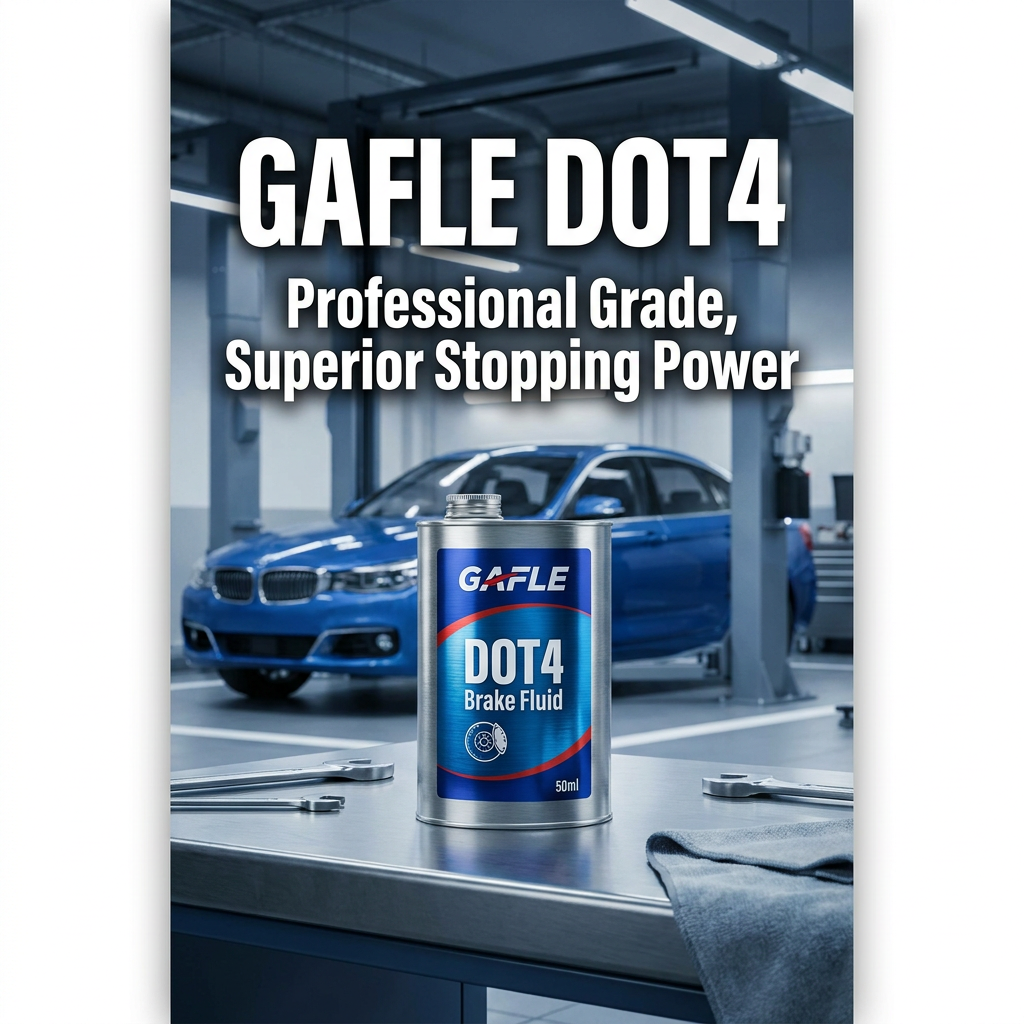
Also consider packaging and handling. A sealed metal can, like the one shown for GAFLE, is familiar in aftermarket distribution and helps protect the product in transit. For resellers and workshops, packaging format can matter almost as much as the formulation because it affects storage, shelf presentation, and ease of dispensing.
Common mistakes that create expensive repairs
The biggest mistake is mixing fluids without checking compatibility. Another is assuming a bright label means a better formula. Color alone tells you very little. Buyers also get into trouble when they top off a system with water or a random substitute and call it done. That may get a vehicle back on the road for a day, but it can dilute protection and change the fluid balance in ways that show up later.
For repair shops, a second mistake is failing to document what was added. That sounds routine, but it matters when a vehicle comes back with deposits, leaks, or overheating and everyone has to reconstruct the service history.
What the GAFLE packaging suggests, and what it does not
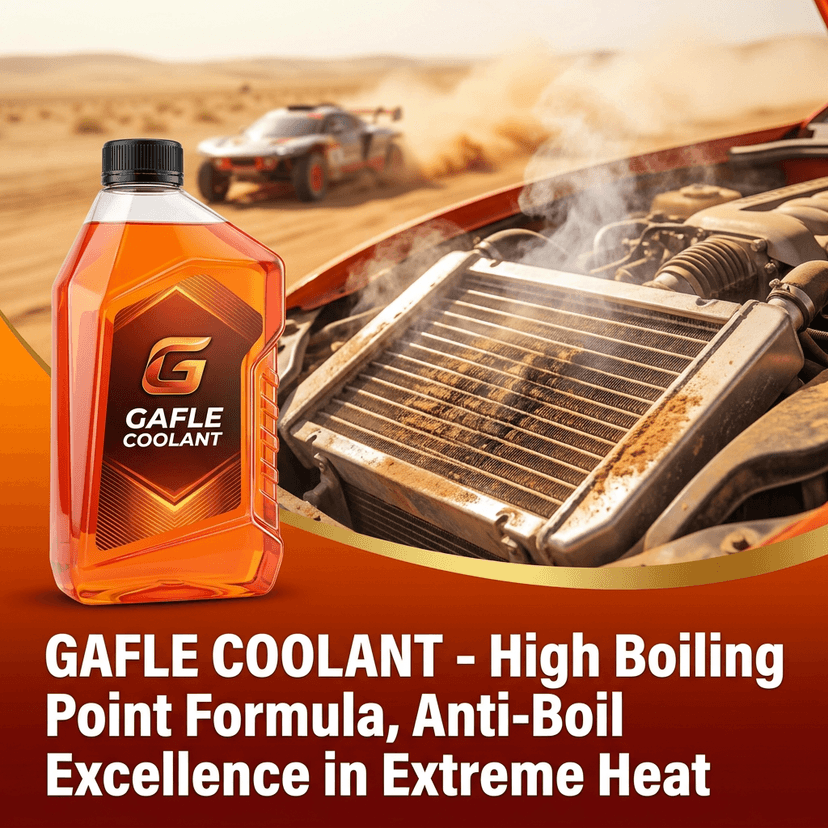
The visible claims on the GAFLE Coolant & Antifreeze can point to corrosion and scale resistance, which is a sensible message for an automotive engine coolant. The illustrated engine and radiator circuit reinforce the intended use in a liquid-cooled system. Still, the low-resolution packaging does not reveal the exact base chemistry, vehicle approvals, concentration, or freeze and boil ratings. Buyers should not infer those details from the label alone.
That is where sourcing discipline matters. If you are a distributor or maintenance buyer, ask for the technical data sheet and confirm the intended application before placing volume orders. If you are a workshop, make sure the product matches the service procedure you plan to follow. A little checking up front saves more time than an improvised flush later.
FAQ: quick answers buyers usually ask
Is premium coolant the same as premium antifreeze?
Not always. The terms are often used together in the market, but the exact formulation and intended use still need to be verified.
Can one product work for every vehicle?
No. Compatibility depends on the cooling system and OEM requirements.
Why does corrosion resistance matter so much?
Because the coolant contacts metal surfaces continuously. If protection is weak, deposits and corrosion can shorten component life.
Buying next steps
If you are sourcing coolant for retail, workshop, or fleet use, start by matching the fluid to the vehicle specification, then review the technical data sheet, then check packaging and supply format. A premium coolant should make maintenance simpler, not more ambiguous. If you need a product with all-season positioning for automotive aftermarket use, GAFLE Coolant & Antifreeze is the kind of packaged solution worth evaluating—provided the documented chemistry and compatibility fit your application.