
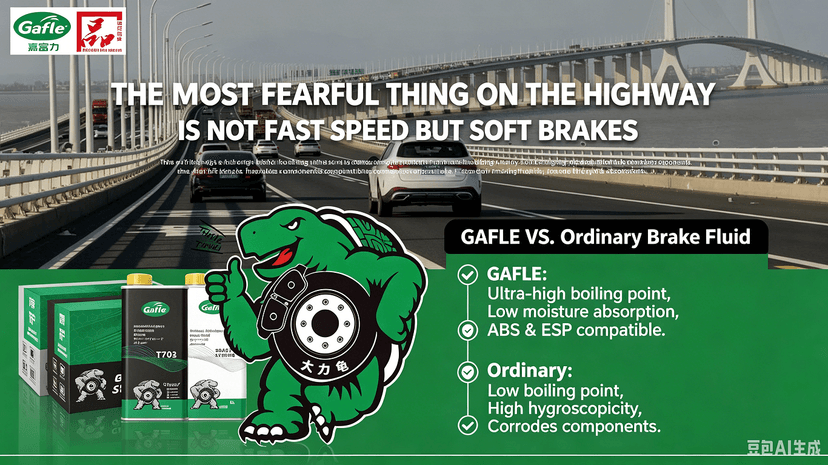
Most drivers panic when they feel a soft, sinking brake pedal on highways, and they instantly assume worn brake pads or damaged rotors are the culprit. But there’s a far more overlooked, dangerous root cause: excessive moisture absorbed in your brake fluid.
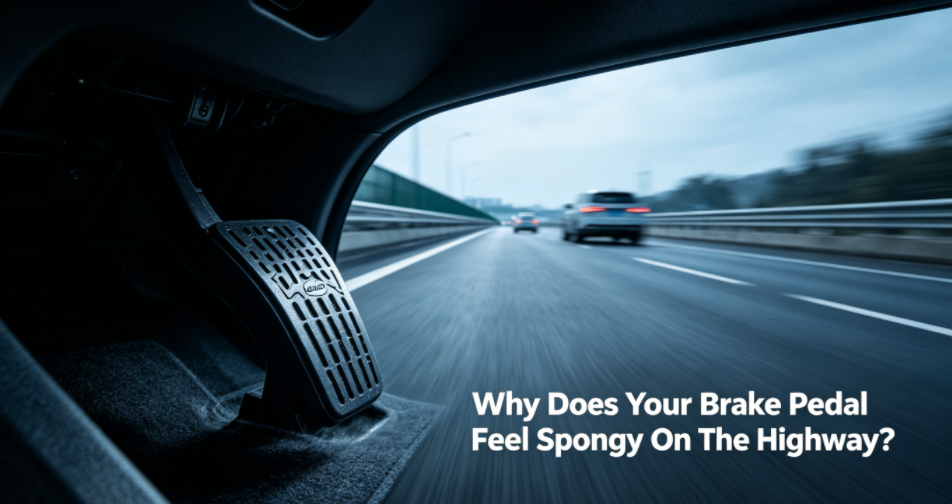
The Terrifying Scenario On High-Speed Roads
Imagine you’re following a car at highway speed, and the vehicle ahead suddenly slows down hard. You slam on your brake pedal to avoid a collision, yet the pedal sinks softly to the floor, and your car decelerates much slower than expected. This life-threatening situation stems from vapor lock triggered by wet brake fluid.
How Moisture Ruins Your Braking Performance
Brake fluid is hygroscopic, which means it absorbs water from air over time. When you drive long distances, go downhill or brake repeatedly on highways, brake discs generate extreme heat:
- Mixed water inside the fluid boils easily under high temperature, forming compressible air bubbles inside sealed brake pipelines;
- These bubbles delay hydraulic pressure transfer, making your brake pedal feel soft and unresponsive;
- Severe vapor lock directly leads to brake power fade, drastically extending your stopping distance.
Worn brake pads only reduce friction force, while moisture-contaminated brake fluid creates complete delay in braking response — a much bigger hazard for high-speed driving.
Simple Safety Maintenance Suggestion
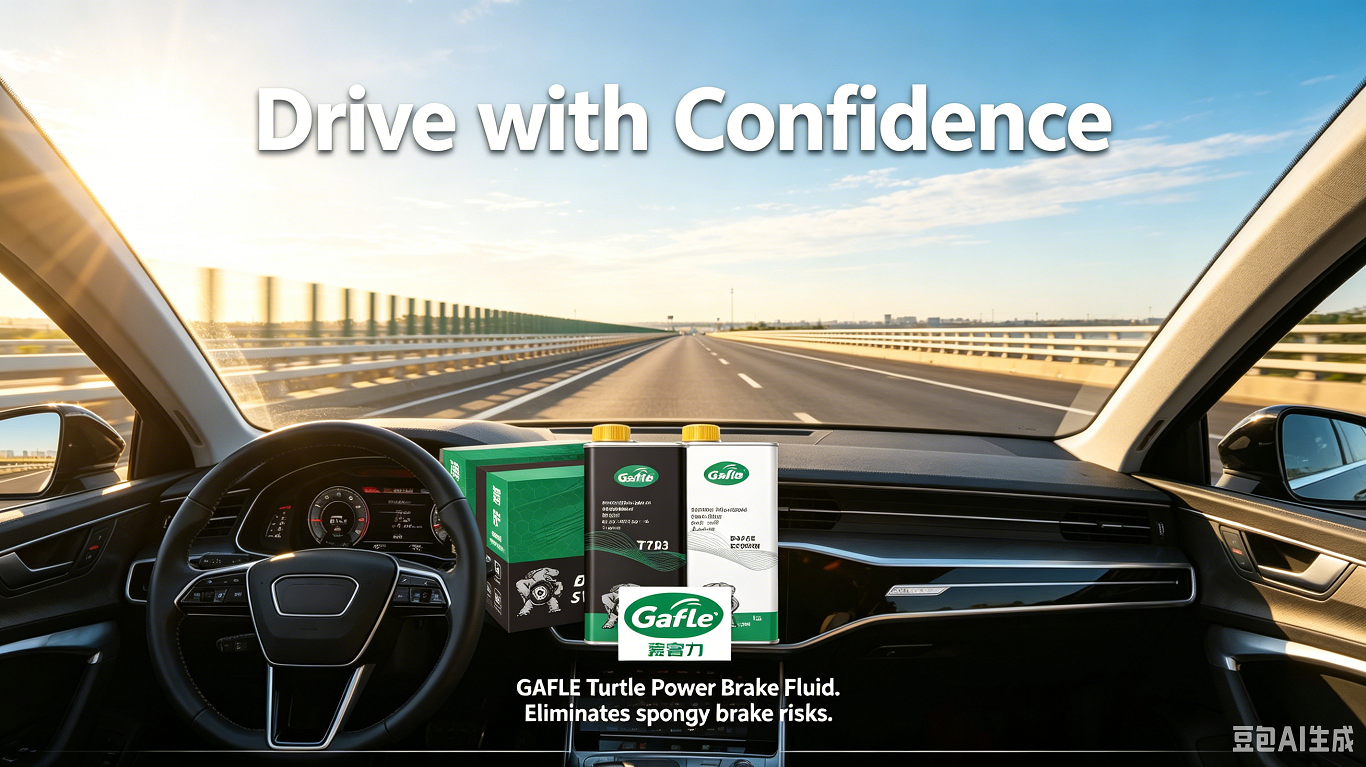
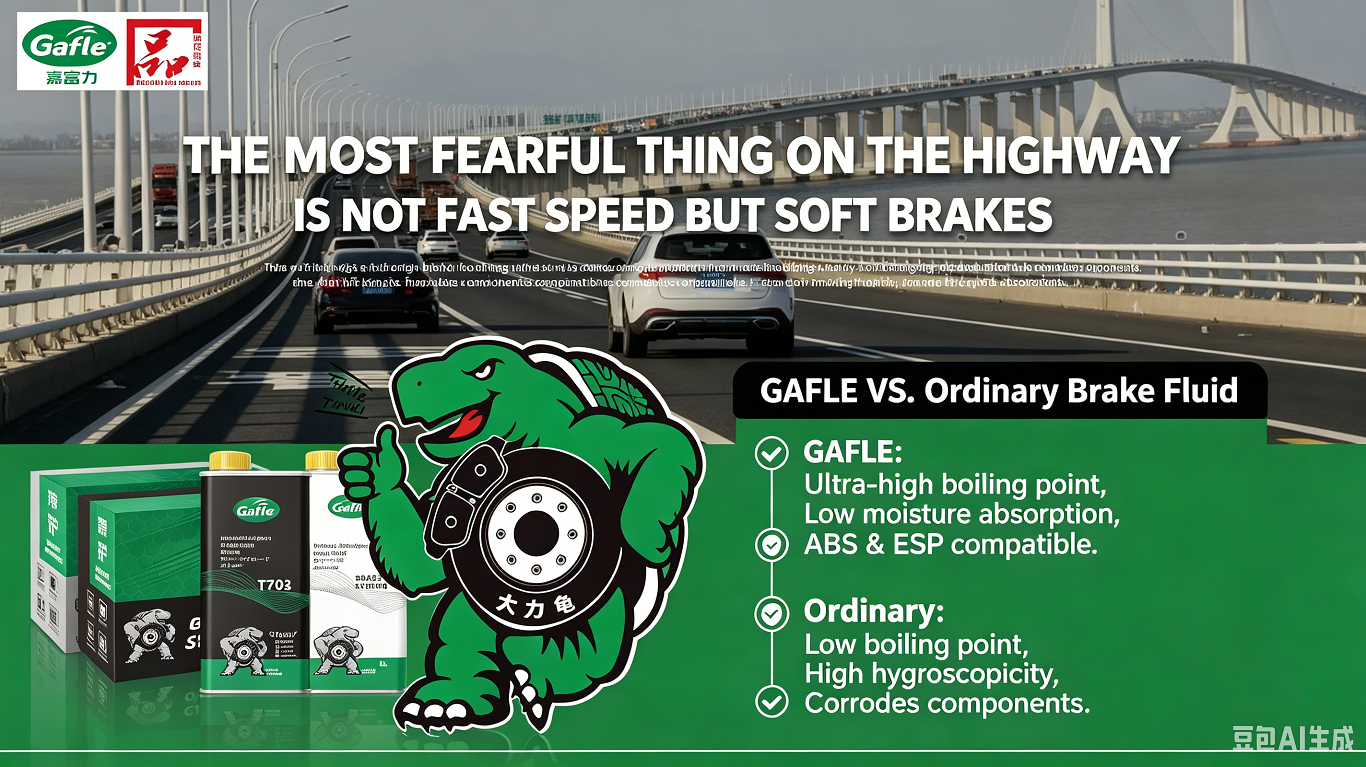
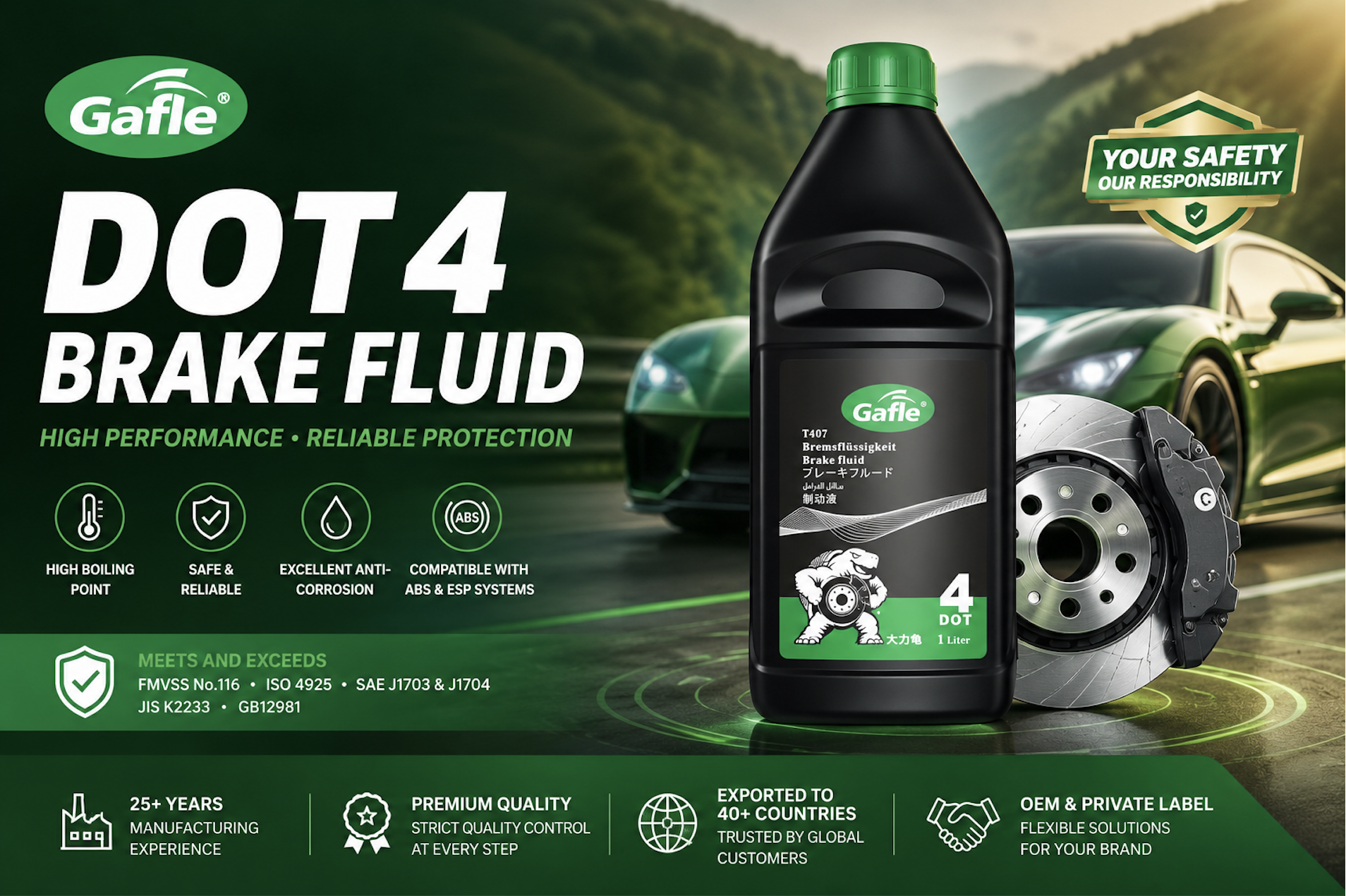
Routine brake fluid inspection and replacement are never unnecessary maintenance tasks. Fresh, low-hygroscopic brake fluid like GAFLE Turtle Power maintains stable boiling points and resists water absorption. It eliminates vapor lock risks and keeps your brake pedal firm during continuous heavy braking.
Don’t wait until your brakes turn soft to check your fluid. True driving safety relies on reliable, responsive braking every single time you hit the pedal.
Warning Reminders
⚠️ Excess moisture in brake fluid leads to boiling & dangerous vapor lock
⚠️ Continuous braking on highways or mountain roads amplifies braking risks sharply