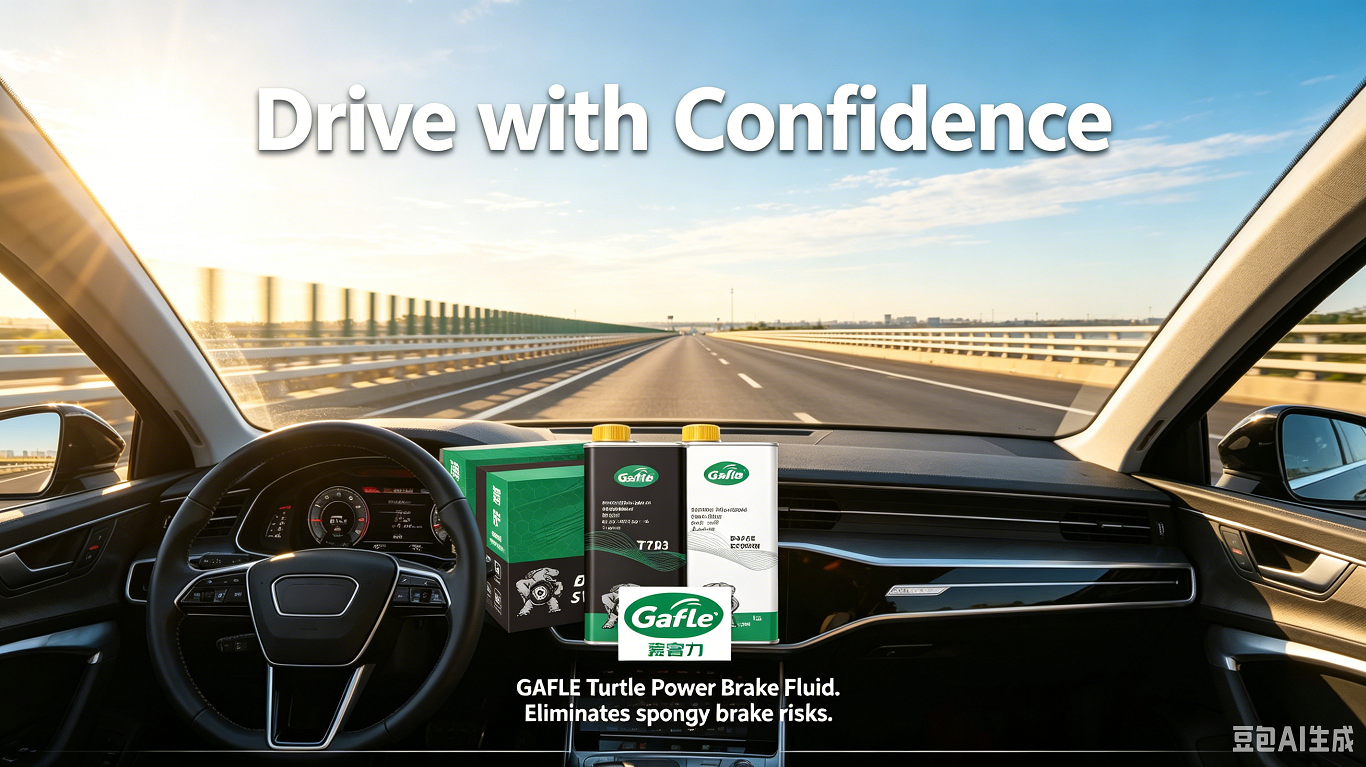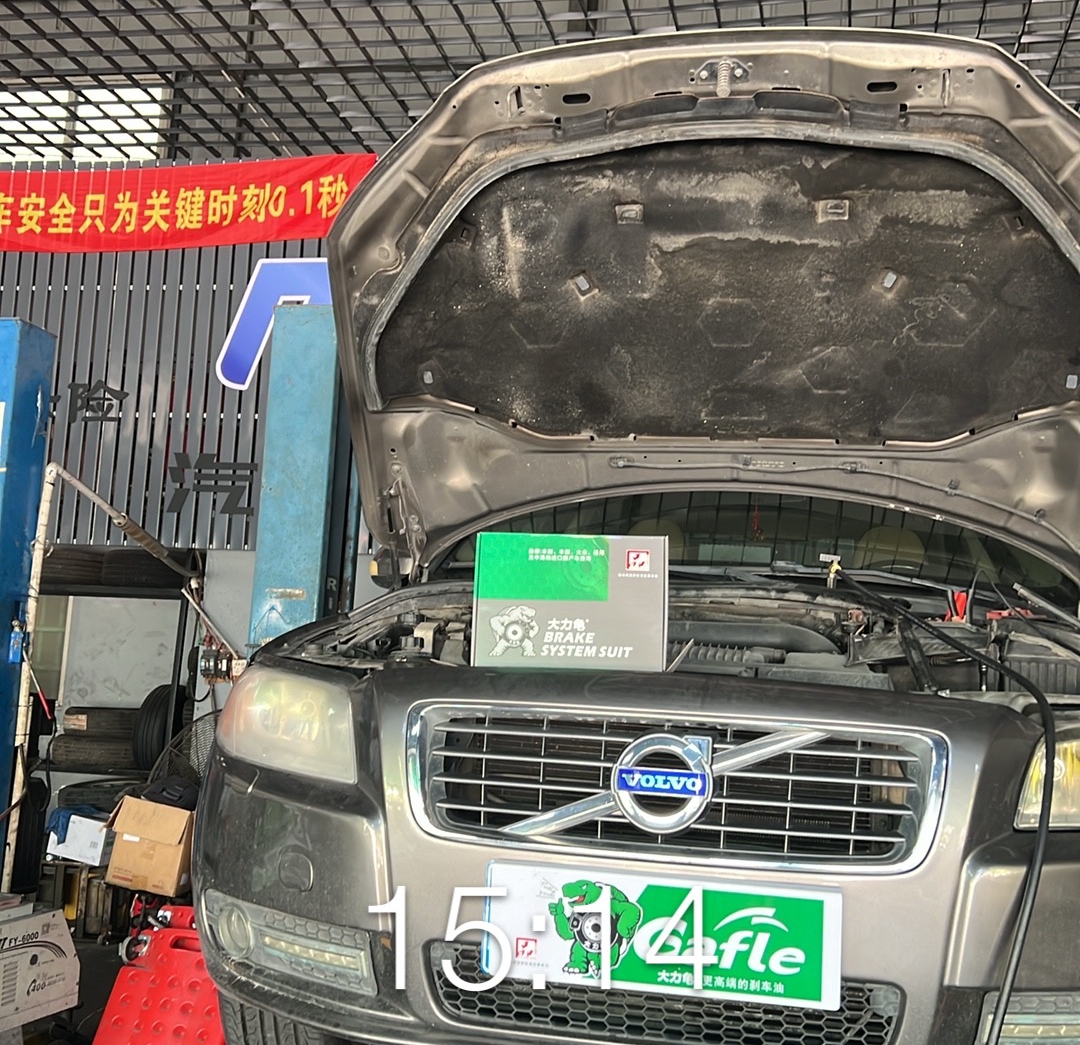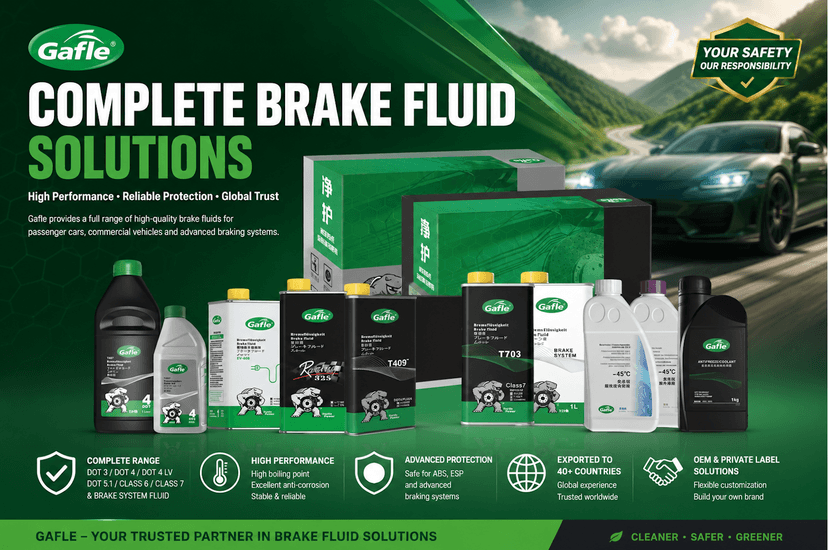
Highway accidents caused by delayed braking happen every year, and most of them relate to one underestimated component: aging, moisture-saturated brake fluid. Many drivers ignore regular brake fluid service until they face soft brakes during emergency stops.
The Hidden Danger Of Old Brake Fluid On Highways
Standard brake fluid gradually absorbs water after 2 years of use. When driving at high speed, frequent braking raises the temperature of your whole brake system:
- Water boiling creates air bubbles inside hydraulic pipelines;
- Hydraulic pressure cannot transfer instantly to brake calipers;
- Your brake pedal turns spongy, and stopping distance gets longer without warning.
Unlike worn brake pads that produce obvious squeaking noise, degraded brake fluid shows almost no early warning signs until you hit an emergency on the highway. This silent hazard makes it far more threatening for long-distance driving.
Why Routine Brake Fluid Replacement Is Non-Negotiable
Many vehicle owners skip brake fluid replacement to cut maintenance costs, but this choice creates massive hidden risks:
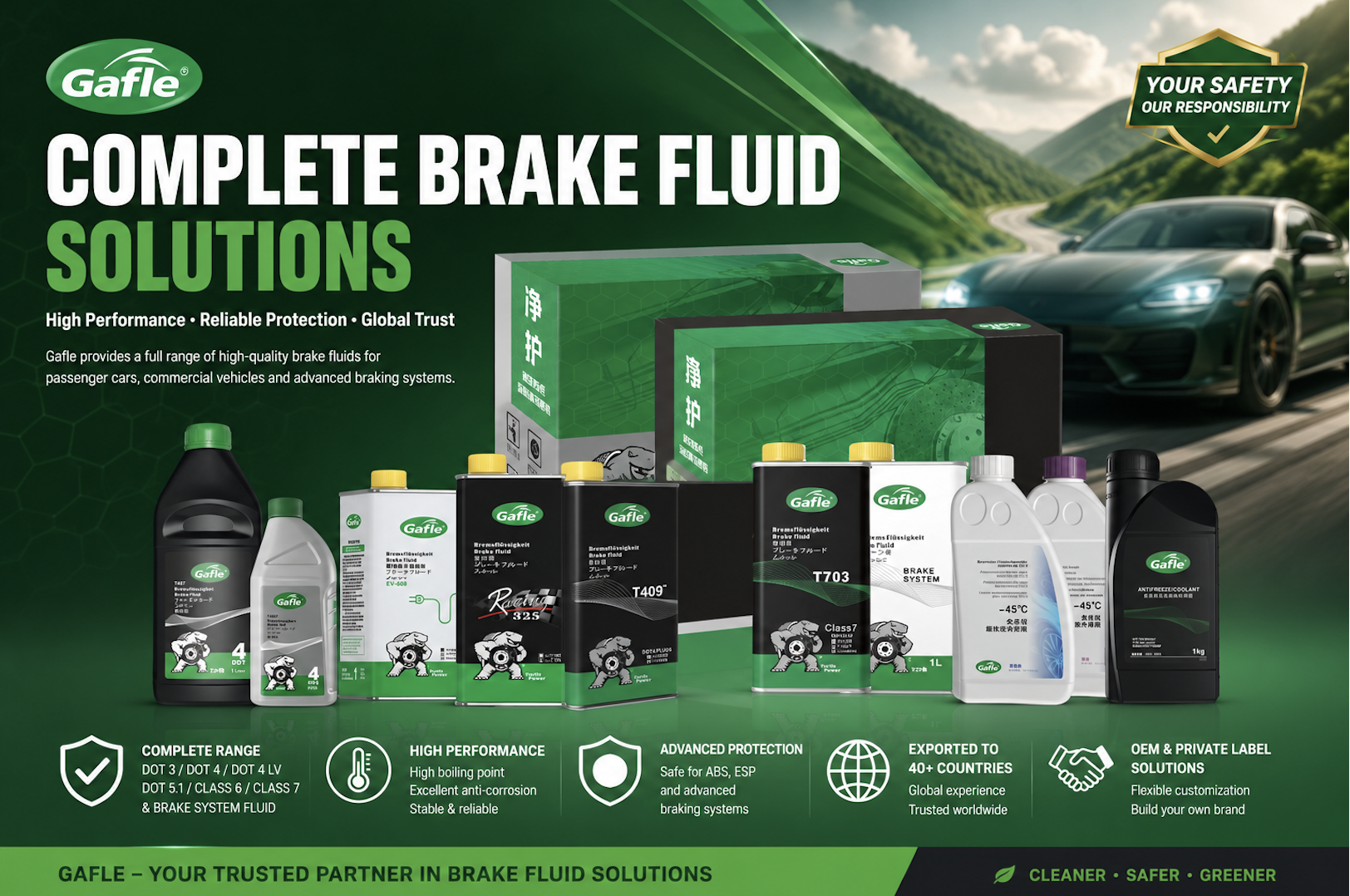
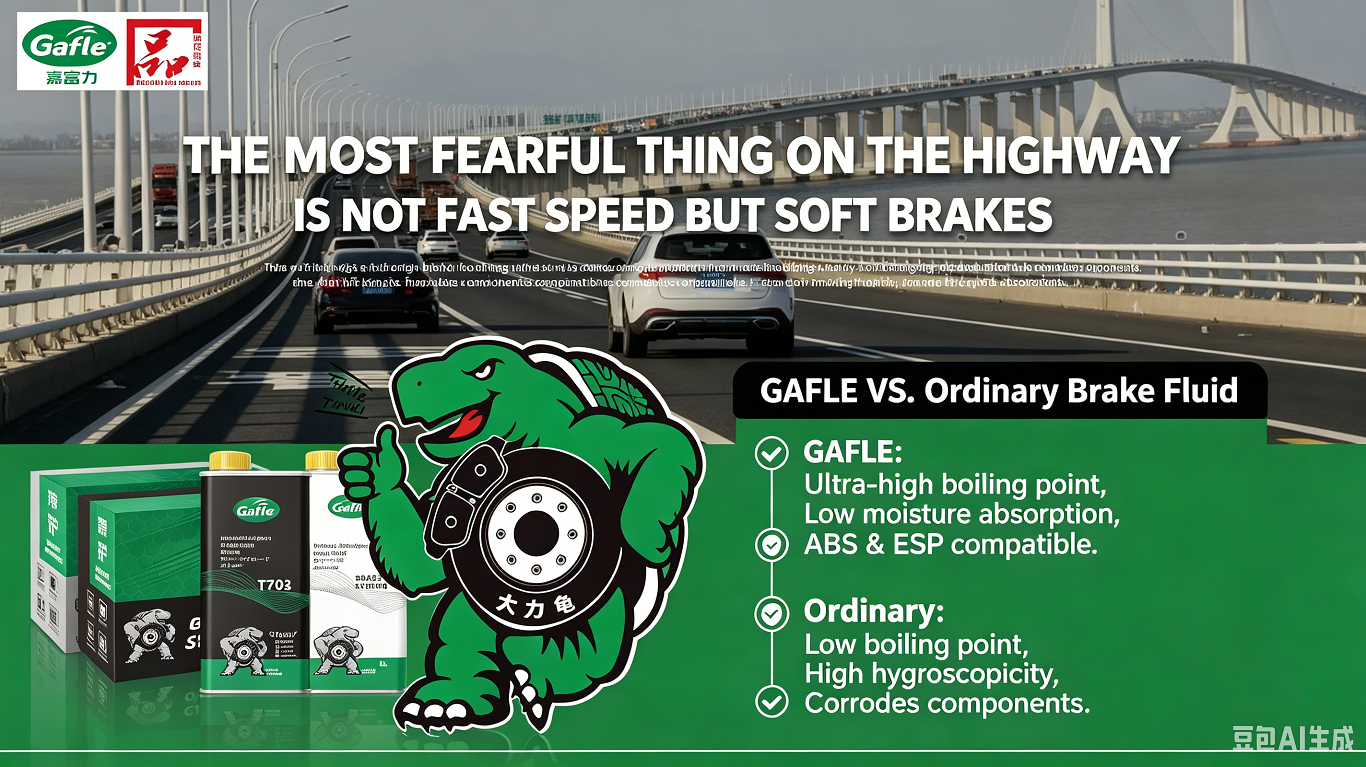
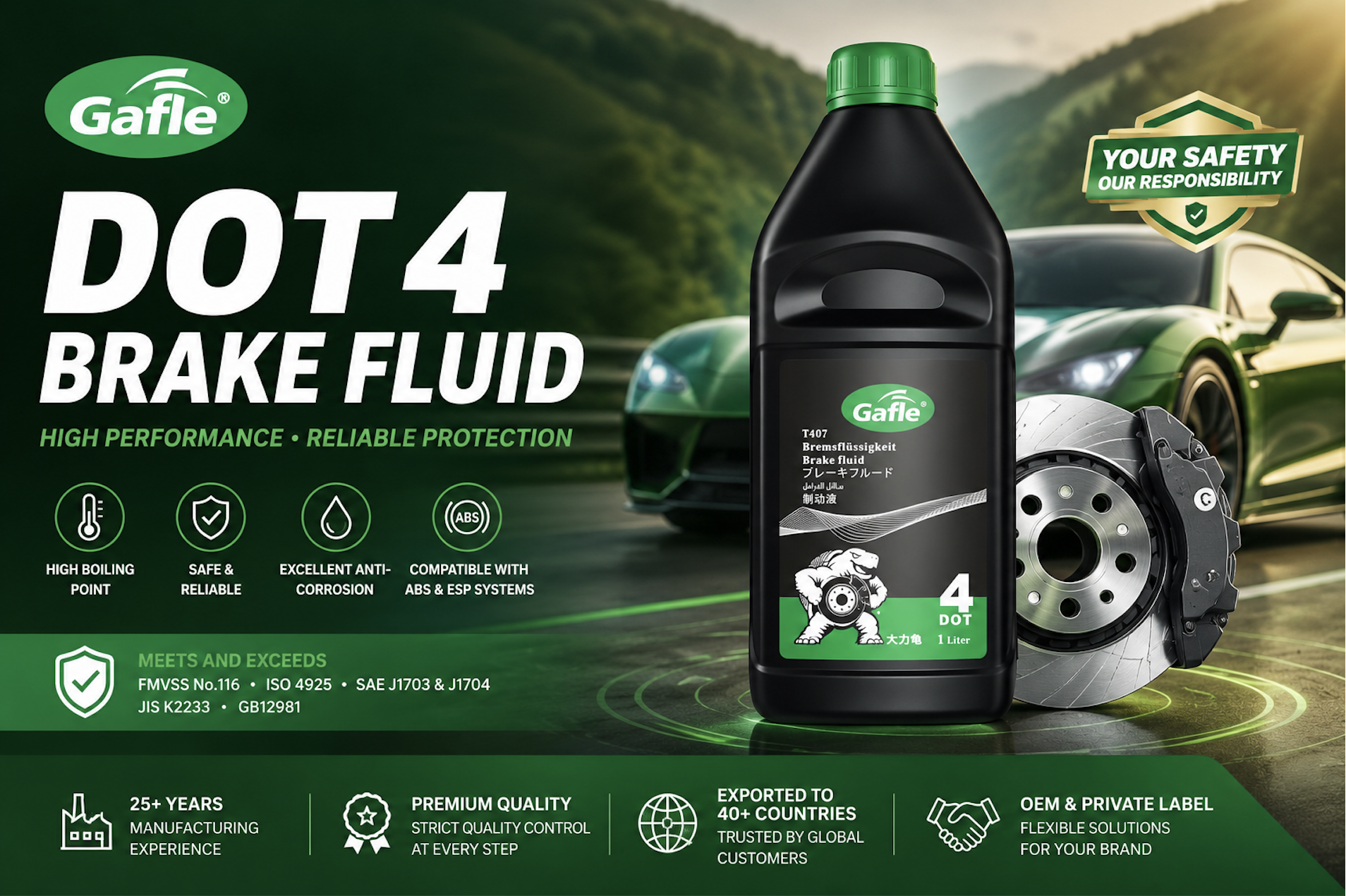
- GAFLE Turtle Power brake fluid adopts ultra-high boiling point formula with low hygroscopic additives, slowing water absorption and resisting vapor lock under extreme heat;
- Regular fluid changes protect ABS & ESP pipelines from corrosion caused by water mixed inside old brake fluid;
- Fresh brake fluid delivers instant, sharp brake response for sudden deceleration on highways or winding mountain roads.
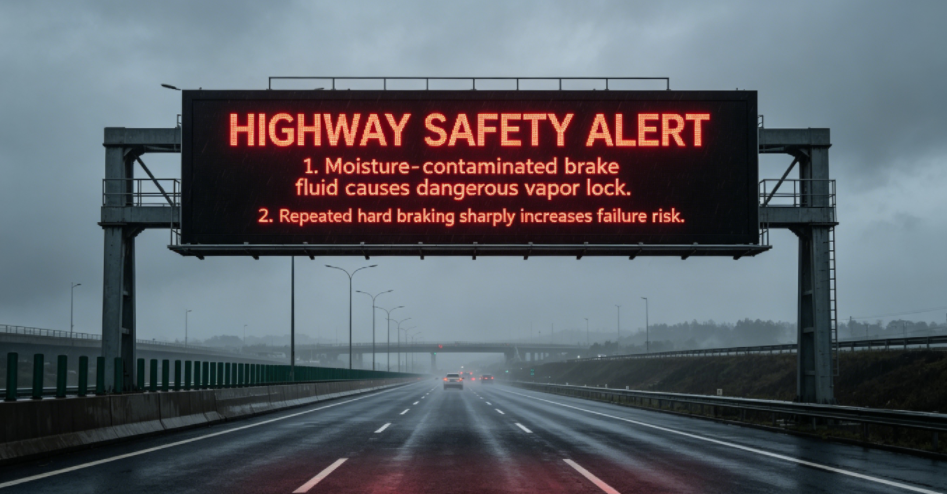
Two Critical Risk Reminders For All Drivers
- Brake fluid with excessive water content will boil easily and generate vapor lock under continuous braking;
- Repeated hard braking on highways and mountain roads will rapidly magnify braking failure risks.
Safe driving is not only about controlling vehicle speed — it also requires stable, reliable braking performance supported by qualified brake fluid. Always inspect and renew your brake fluid following the official maintenance cycle to avoid spongy brake failures on the highway.