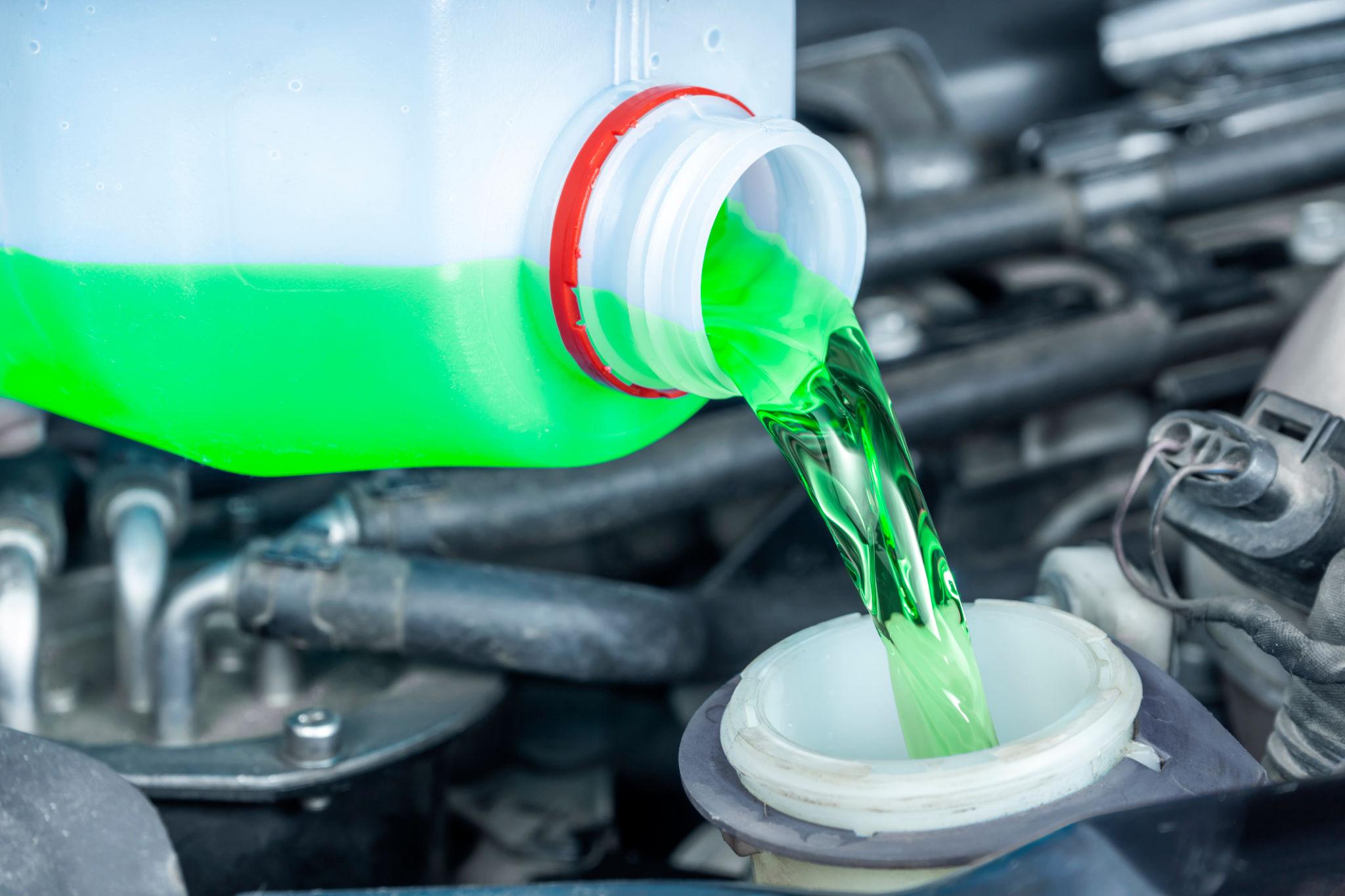
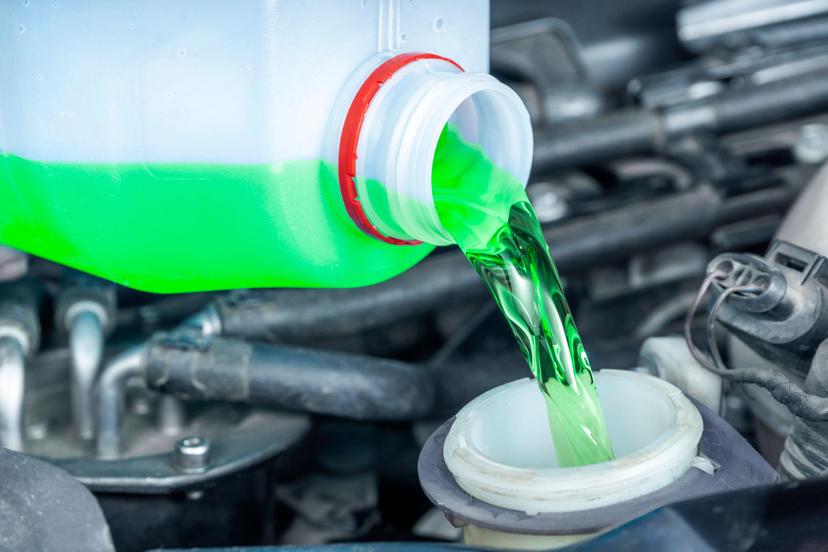
Antifreeze (coolant) is the lifeline of your engine. It prevents freezing in winter, overheating in summer, and protects the entire cooling system from corrosion, rust, and scale. Choosing the wrong antifreeze can lead to engine overheating, radiator leakage, water pump failure, or even severe engine damage.
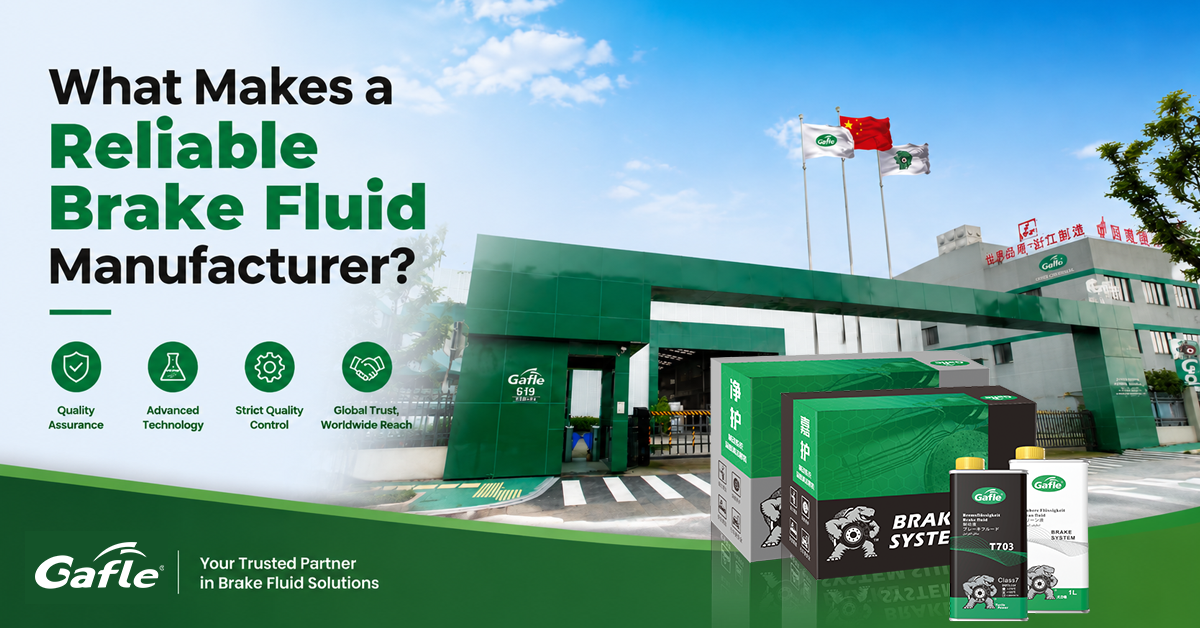
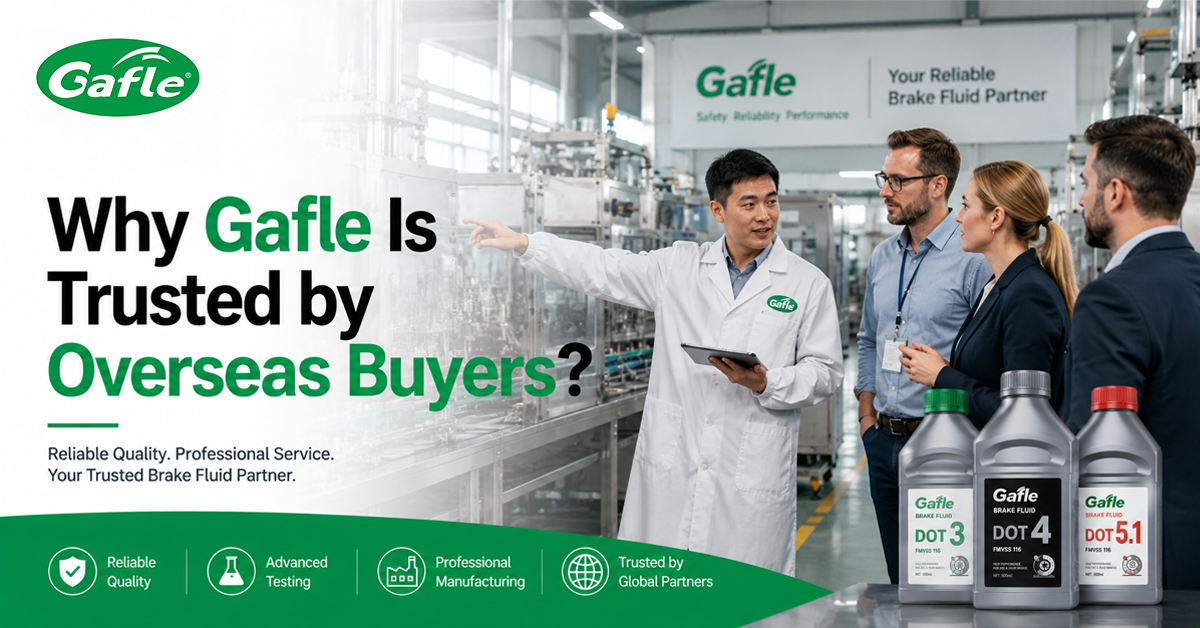
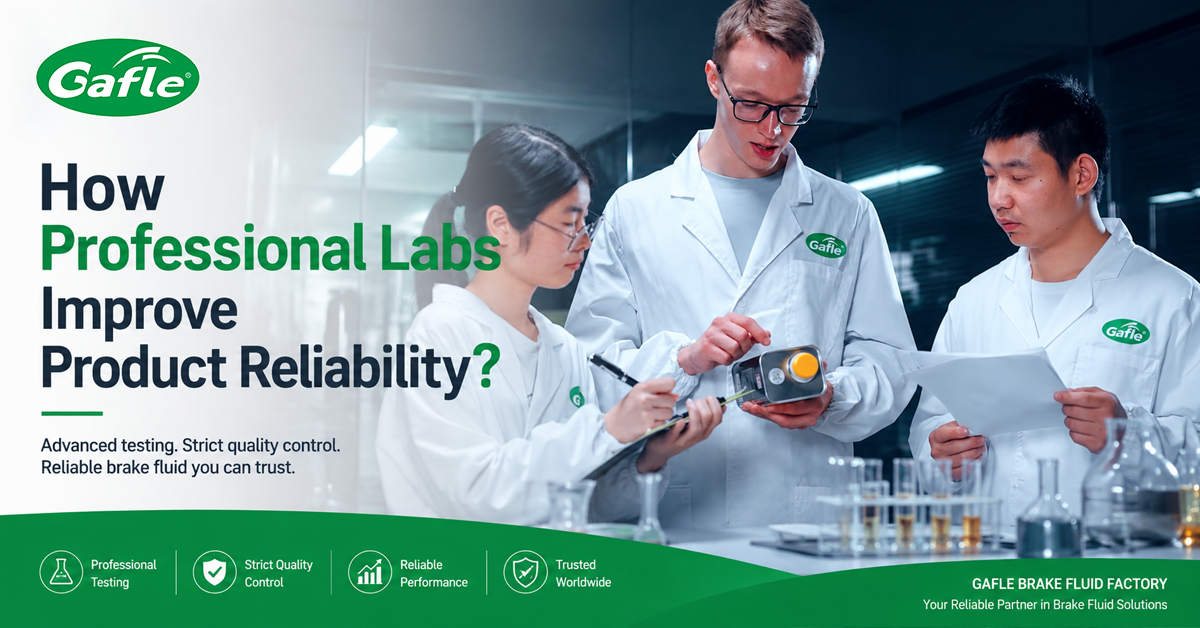
With 20+ years of manufacturing and exporting experience, Zhejiang GAFLE AUTO CHEMICAL CO., LTD. is a leading Chinese manufacturer of brake fluid and antifreeze. We are a key participant in drafting national brake fluid standards, with products certified by SGS, AMECA, TUV, and DOT. Our factory features China’s first clean production workshop, full automation lines, advanced testing equipment, and an independent R&D lab—ensuring every batch meets strict quality benchmarks.
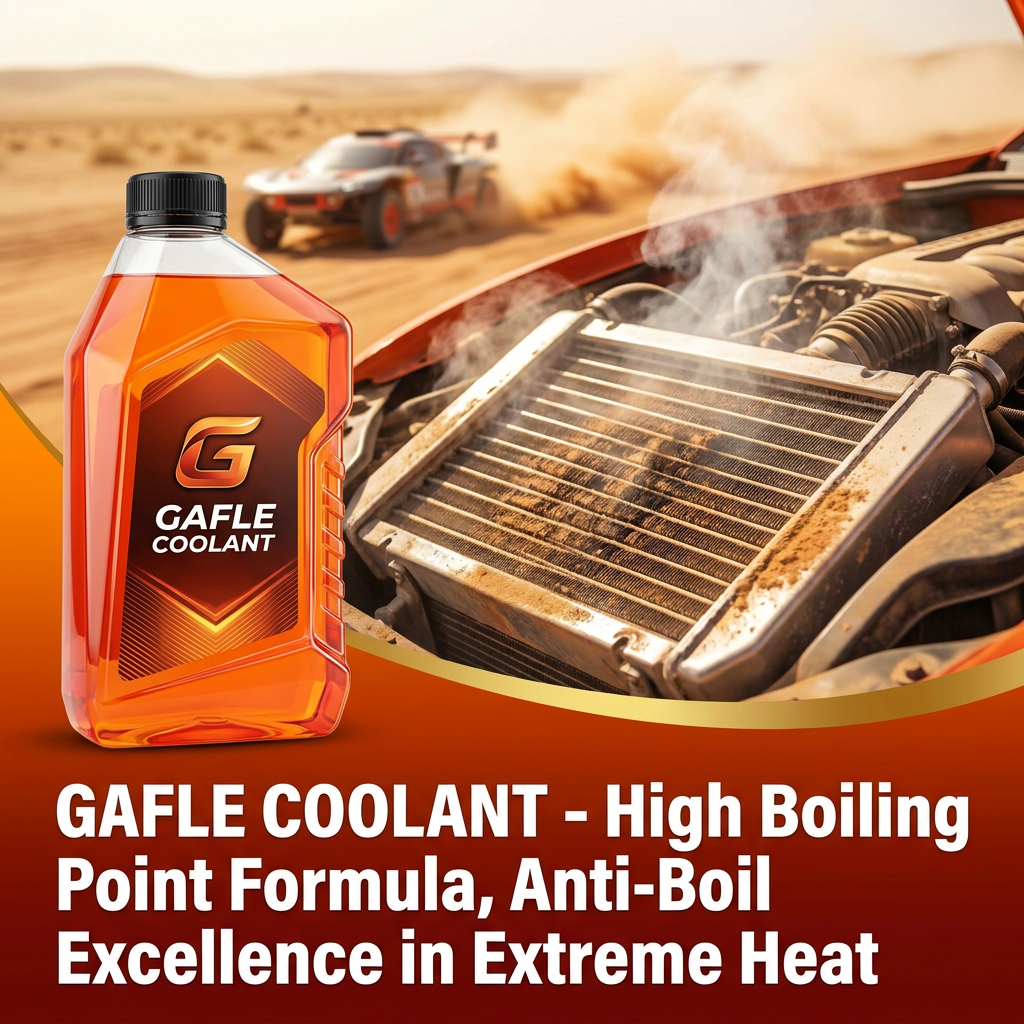
This guide walks you through how to select the most suitable antifreeze for your vehicle, climate, and needs.
1. Understand Antifreeze Types: IAT, OAT, HOAT
Antifreeze is classified by additive technology—never mix different types!
-
IAT (Inorganic Acid Technology)
- Usually green; traditional formula with silicates, phosphates.
- Short lifespan: 2 years / 40,000 km.
- For older vehicles (pre-2000) with iron/copper radiators.
-
OAT (Organic Acid Technology)
- Red, orange, or pink; no silicates/phosphates.
- Long lifespan: 5 years / 240,000 km (long-life coolant).
- For modern aluminum engines (most cars after 2000).
-
HOAT (Hybrid Organic Acid Technology)
- Yellow, purple, or blue; mix of organic + inorganic additives.
- Balanced protection: 3–5 years.
- Suitable for European, American, and Asian vehicles.
GAFLE supplies OAT and HOAT formulations covering G11, G12, G12++, G13, and G12evo standards—compatible with VW, BMW, Mercedes, Toyota, and more.
2. Check Vehicle Manufacturer Specifications
Always follow the owner’s manual—it specifies:
- Required antifreeze type (IAT/OAT/HOAT)
- Approved standards (VW TL 774, ASTM D3306, SAE J1034)
- Recommended color (for reference only)
Common OEM Standards:
- VW/Audi: G11 (green), G12 (red), G12++ (pink), G13 (purple)
- Ford: WSS-M97B44-D
- GM: GM 1899-M
- Mercedes: 325.3
GAFLE’s R&D team formulates products to meet global OEM requirements, ensuring perfect compatibility.
3. Match Freezing Point to Your Climate
Antifreeze is mixed with distilled water (never tap water!)—the ratio determines freeze protection.
| Climate | Antifreeze : Water | Freezing Point |
|---|---|---|
| Mild (≥-10°C) | 40:60 | -25°C |
| Cold (-20°C~-10°C) | 50:50 | -37°C |
| Severe Cold (≤-20°C) | 60:40 | -52°C |
Boiling Point Note: A 50/50 mix raises boiling point to 108°C; 60/40 to 113°C—critical for high-speed or summer driving.
GAFLE offers pre-mixed (ready-to-use) and concentrate options for all climates.
4. Prioritize Quality & Certifications
Low-quality antifreeze uses cheap methanol or salts—corrodes radiators, clogs pipes, and fails quickly. Always look for:
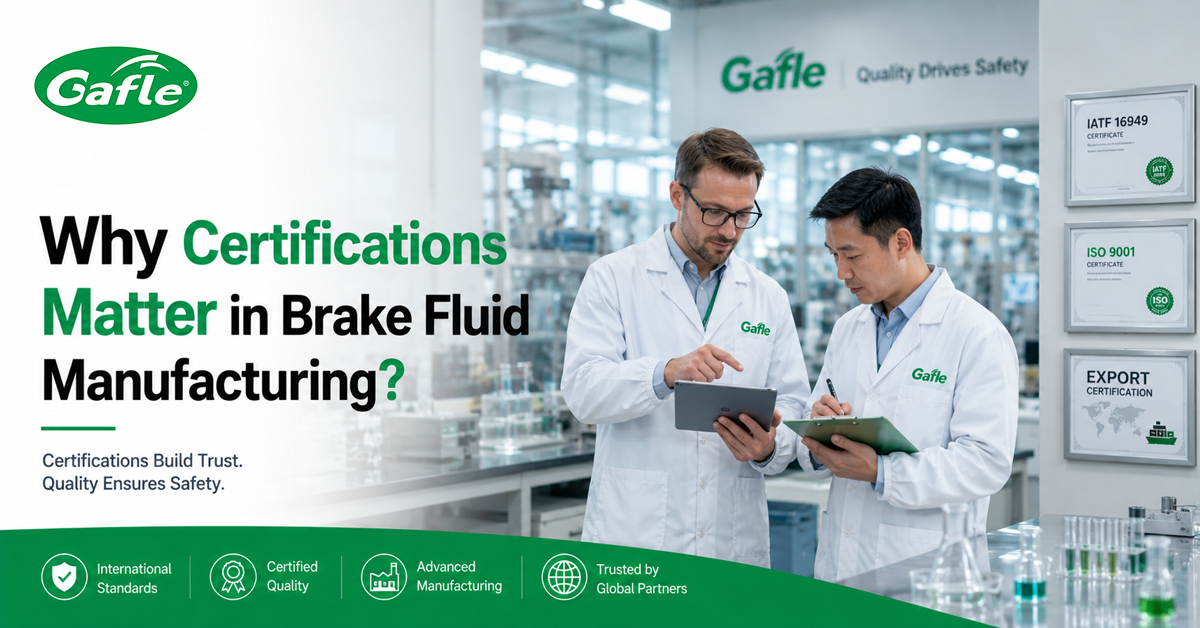
- International Certifications: SGS, TUV, AMECA, DOT, ISO 9001, IATF 16949
- High Purity: Ethylene glycol (99.9%) or propylene glycol (non-toxic option)
- Corrosion Inhibitors: Protects aluminum, iron, copper, and rubber seals
Why Choose GAFLE Antifreeze?
- 20+ Years Export Experience: Trusted by 130+ countriesgafledp.com
- National Standard Draft Member: Deep expertise in fluid chemistrygafledp.com
- Clean Workshop: Zero contamination during production
- Full Automation: Consistent quality, stable batch performance
- Independent Lab: 3-step testing for every batchgafledp.com
- OEM/ODM Service: Custom formulations, private labeling available
5. Color Is Not Enough—Avoid Mixing!
Color (green/red/blue/purple) is brand-specific, not a reliable indicator of type.
- ✅ Use the same type and standard when topping up
- ✅ Flush the entire system before switching brands/types
- ❌ Never mix IAT + OAT—causes sludge, corrosion, and blockages
Final Tips for Antifreeze Maintenance
- Replace Cycle: IAT (2 years), OAT/HOAT (5 years)
- Check Level: Every 6 months; top up with matching coolant
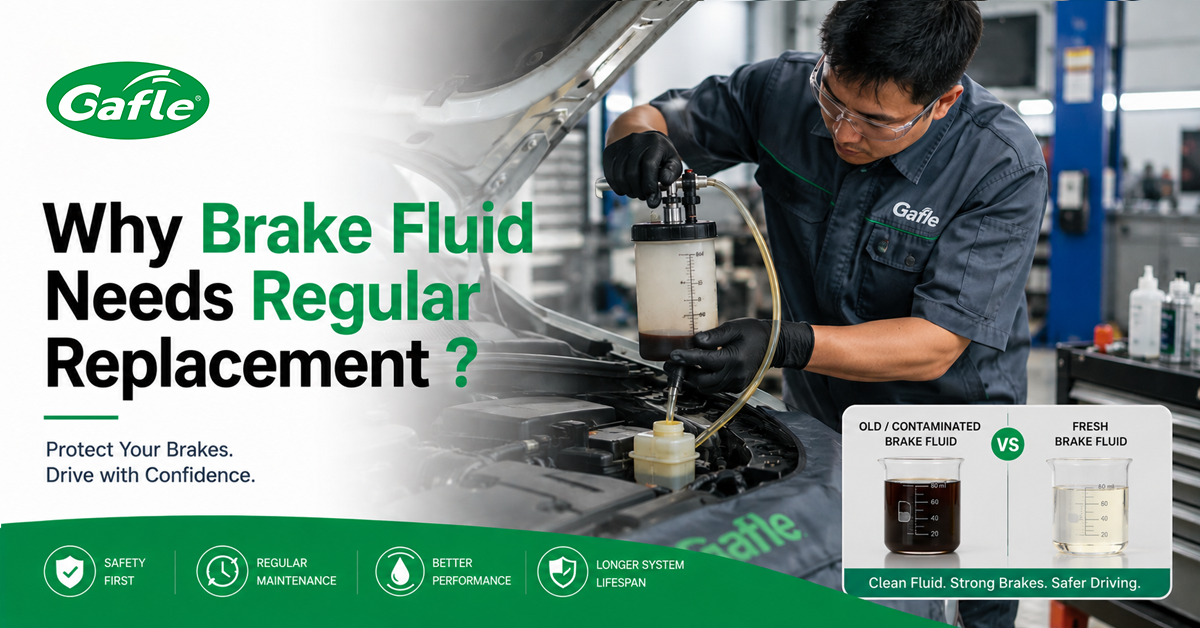
- Inspect Quality: If brown, muddy, or smelly—flush and replace immediately
Conclusion
Choosing the right antifreeze protects your engine, saves repair costs, and ensures year-round reliability. Focus on type compatibility, OEM specs, climate ratio, and certified quality—and partner with a trusted manufacturer like GAFLE.
Zhejiang GAFLE AUTO CHEMICAL CO., LTD.—Your reliable global supplier of high-performance brake fluid and antifreeze.
CTA: Contact GAFLE today for free samples, bulk pricing, or custom OEM solutions.