Understanding Brake Fluid Boiling Points and Why They Matter
Brake fluid is one of the most important fluids in a vehicle’s braking system. Unlike ordinary automotive fluids, brake fluid must work under extreme pressure and high temperatures while maintaining stable performance.
One of the key indicators of brake fluid quality is its boiling point.
Many vehicle manufacturers, repair professionals, and automotive brands evaluate brake fluid performance based on its ability to resist boiling under demanding conditions.
So, what exactly is brake fluid boiling point, and why does it matter?
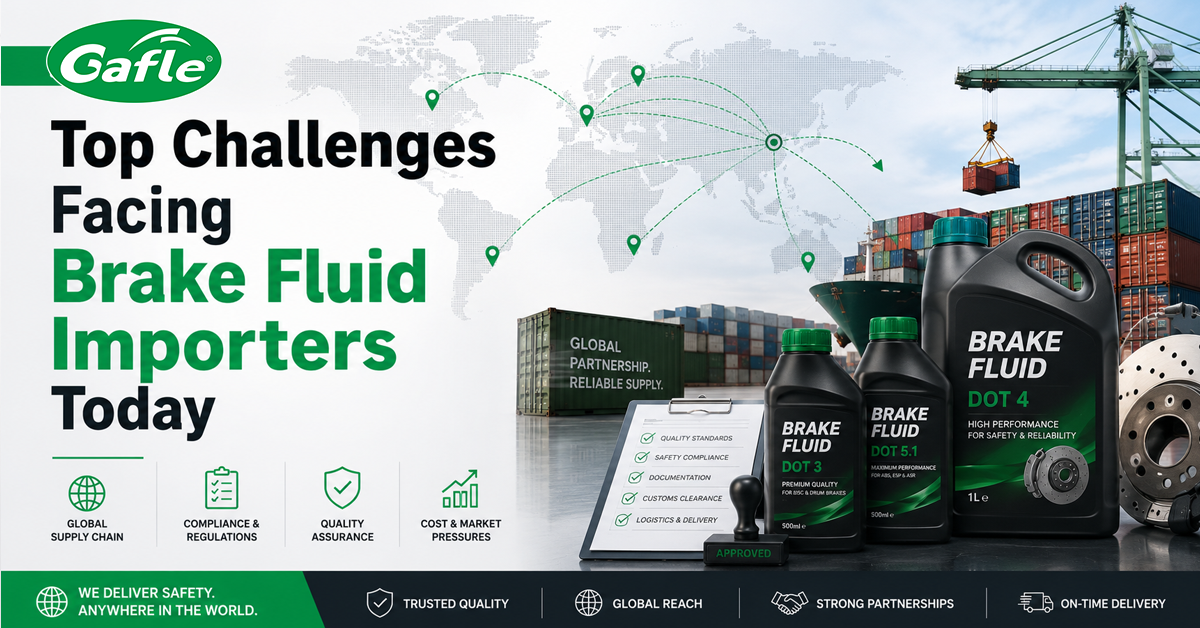
As a professional Brake Fluid Manufacturer, Gafle Brake Fluid Factory focuses on producing high-quality brake fluid solutions with strict testing procedures to ensure reliable performance for global customers.
What Is Brake Fluid Boiling Point?
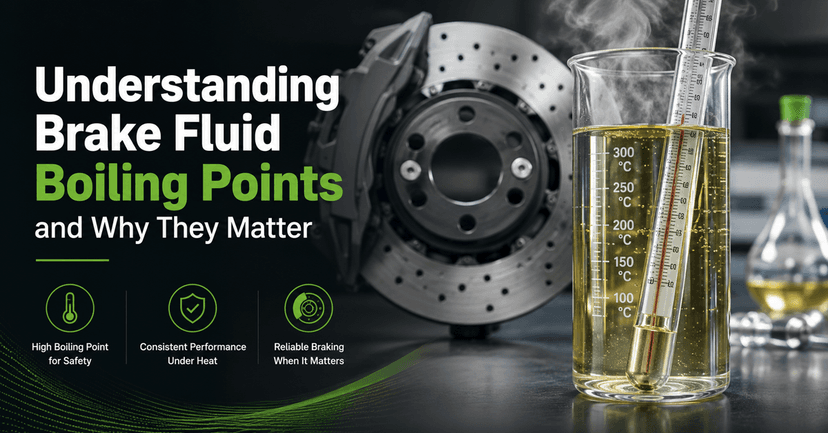
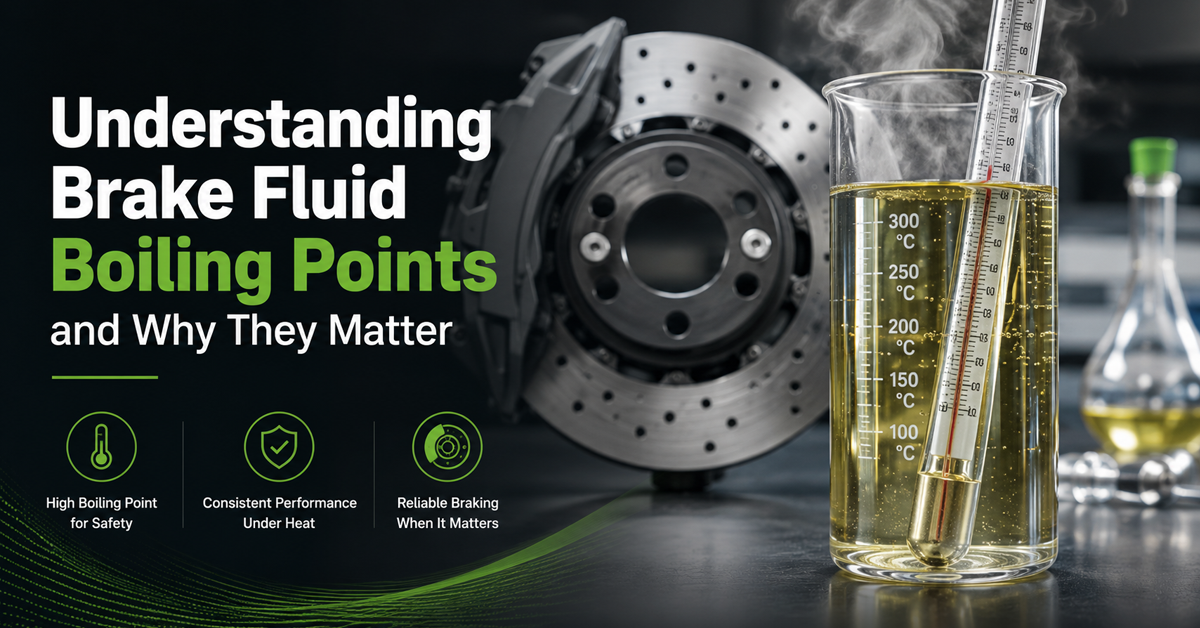
The Brake Fluid Boiling Point refers to the temperature at which brake fluid begins to vaporize.
During braking, especially in situations such as:
- High-speed driving
- Heavy braking
- Mountain driving
- Racing conditions
the braking system generates significant heat.
If brake fluid cannot withstand high temperatures, vapor bubbles may form inside the brake system. Because gas is compressible, this can affect hydraulic pressure transfer and reduce braking performance.
This is why brake fluid with a higher boiling point provides better thermal stability.
Why Does Brake Fluid Boiling Point Matter?
The boiling point of brake fluid directly affects vehicle safety and braking reliability.
1. Protecting Braking Performance Under High Temperatures
When brakes generate extreme heat, brake fluid needs to remain stable.
High-quality brake fluid helps maintain:
- Consistent hydraulic pressure
- Reliable brake response
- Stable braking performance
For vehicles operating in demanding environments, high-temperature performance is especially important.
2. Reducing Brake Fade Risk
Brake fade occurs when braking performance decreases due to excessive heat.
A brake fluid with poor thermal performance may experience:
- Reduced efficiency
- Slower response
- Lower braking confidence
Using a high-performance brake fluid helps improve braking stability during repeated or intense braking conditions.
3. Improving Long-Term System Reliability
Brake fluid does more than transfer pressure. It also helps protect internal brake components.
A quality brake fluid should provide:
- High temperature resistance
- Corrosion protection
- Stable chemical performance
- Long service life
Dry Boiling Point vs Wet Boiling Point: What Is the Difference?
When discussing brake fluid performance, two important terms are often mentioned:
- Dry Boiling Point
- Wet Boiling Point
Understanding the difference helps customers choose the right brake fluid.
What Is Dry Boiling Point?
The Dry Boiling Point refers to the boiling temperature of new, unused brake fluid.
It represents the initial thermal performance of the product before moisture absorption.
A higher dry boiling point indicates stronger resistance to high temperatures when the brake fluid is fresh.
What Is Wet Boiling Point?
The Wet Boiling Point refers to brake fluid performance after absorbing moisture.
During real vehicle operation, brake fluid may gradually absorb water from the environment.
Moisture can:
- Reduce boiling point
- Affect thermal stability
- Increase corrosion risks
Therefore, wet boiling point is an important indicator because it reflects more realistic service conditions.
DOT 3 vs DOT 4 Brake Fluid Boiling Point
Different brake fluid grades have different performance requirements.
DOT 3 Brake Fluid
DOT 3 brake fluid is commonly used in many standard vehicle braking systems.
Characteristics include:
- Reliable everyday performance
- Suitable temperature range
- Wide market application
DOT 4 Brake Fluid
DOT 4 brake fluid is commonly selected for vehicles requiring higher temperature performance.
Advantages include:
- Higher boiling point capability
- Better high-temperature resistance
- Suitable for modern vehicles and demanding applications
How Brake Fluid Performance Is Tested
A professional Brake Fluid Manufacturer must perform strict testing to ensure product reliability.
At Gafle Brake Fluid Factory, brake fluid performance is evaluated through professional laboratory testing.
Important tests include:
1. Boiling Point Testing
This test evaluates:
- Dry boiling point
- Wet boiling point
- Thermal stability
It helps ensure the brake fluid can maintain performance under high-temperature conditions.
2. Viscosity Testing
Viscosity affects how brake fluid flows through the braking system.
Testing ensures:
- Proper fluid movement
- Stable performance under different temperatures
- Reliable hydraulic operation
3. Corrosion Testing
Brake fluid must protect internal brake components.
Corrosion testing helps evaluate:
- Metal protection
- Long-term system compatibility
- Product reliability
4. Chemical Stability Testing
Advanced testing helps confirm that brake fluid maintains:
- Formula stability
- Performance consistency
- Product quality
How Gafle Ensures Brake Fluid Quality
At Gafle Brake Fluid Factory, we understand that brake fluid performance depends on both advanced formulation and strict manufacturing control.
Our quality approach includes:
Professional Manufacturing Process
Gafle focuses on brake fluid production with controlled manufacturing procedures.
Advanced Laboratory Testing
Every batch is carefully tested to verify:
- Performance parameters
- Product consistency
- Quality requirements
Strict Quality Control System
Quality management covers:
- Raw material inspection
- Production monitoring
- Finished product testing
- Batch verification
This ensures customers receive stable and reliable brake fluid products.
Why Global Brands Choose Gafle Brake Fluid Factory
For automotive brands, importers, and distributors, choosing the right supplier is essential.
Gafle provides:
✅ Professional brake fluid manufacturing experience
✅ Advanced performance testing
✅ DOT 3 / DOT 4 / DOT 5.1 brake fluid solutions
✅ OEM and Private Label services
✅ Stable batch consistency
✅ Global export support
Our goal is to help customers build reliable automotive brands through consistent quality and professional manufacturing.
Conclusion
Brake fluid boiling point is one of the most important factors affecting braking performance.
A high-quality brake fluid should provide:
- Strong high-temperature resistance
- Stable viscosity
- Reliable chemical performance
- Long-term protection
Understanding dry boiling point, wet boiling point, and brake fluid testing methods helps customers make better product decisions.
At Gafle Brake Fluid Factory, we combine advanced testing, strict quality management, and professional manufacturing experience to deliver reliable brake fluid solutions worldwide.
Better testing creates better brake fluid. Better brake fluid supports safer braking performance.