
What buyers really mean when they search for a brake fluid manufacturer
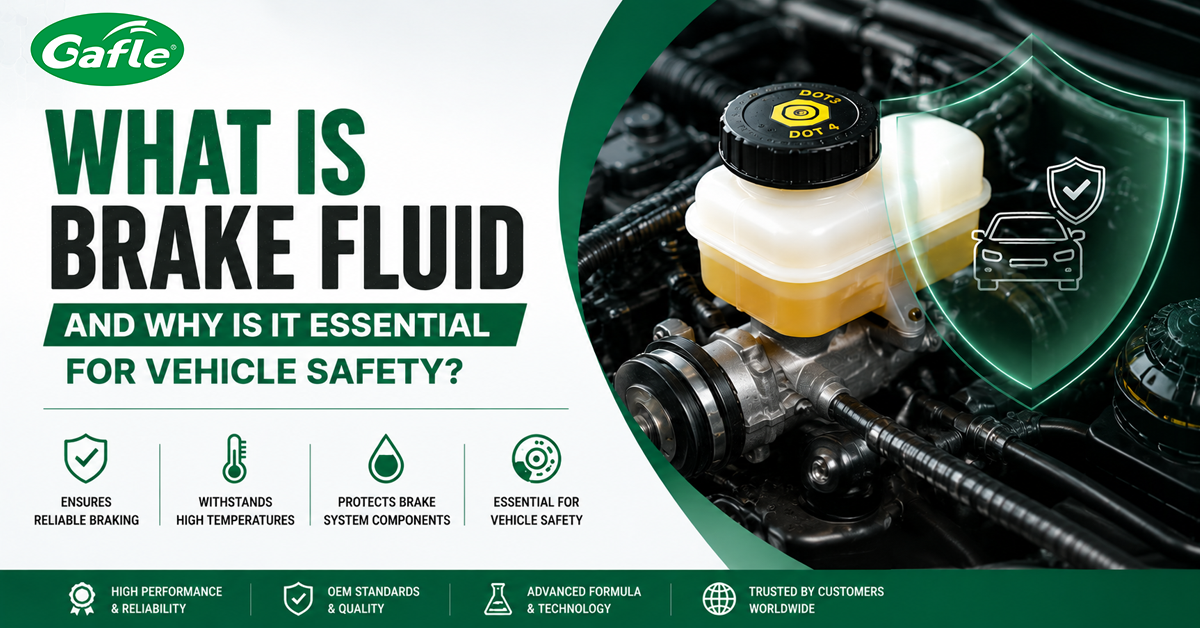
When engineers or sourcing teams look for a brake fluid manufacturer, they usually are not asking for a brand name first. They are trying to solve a narrower problem: how to choose a supplier that can keep a vehicle or fleet braking consistently, meet the right specification, and support OEM or aftermarket demand without surprises. That is a more practical question than it sounds, because brake system fluid affects safety, warranty exposure, service intervals, and customer complaints all at once.
The product itself may seem straightforward, but the buying decision rarely is. A supplier might offer DOT 3 brake fluid, DOT 4 brake fluid, or a synthetic brake fluid formulation, yet the real issue is whether that fluid fits the vehicle platform, the climate, the service model, and the compliance expectations of the market. The wrong choice can lead to poor pedal feel, vapor-related performance loss, or unnecessary maintenance headaches. For buyers, that means the first task is not price comparison. It is specification discipline.
Quick reference: what to check before you shortlist suppliers
Most professional buyers should start with a short, practical checklist rather than a broad vendor search. Ask whether the supplier can support the target brake fluid OEM program, the intended vehicle category, and the packaging format you actually need. A supplier serving passenger cars may still be a poor fit if your channel needs industrial volumes, private label packaging, or regional labeling support.
Also confirm how the product is positioned: is it a standard car brake fluid for general service, a higher-performance DOT 4 brake fluid for more demanding operating conditions, or a synthetic brake fluid intended for specific performance and stability targets? Those terms are not interchangeable in procurement, even if they are sometimes used loosely in marketing copy.
Why brake fluid selection matters more than many sourcing teams assume
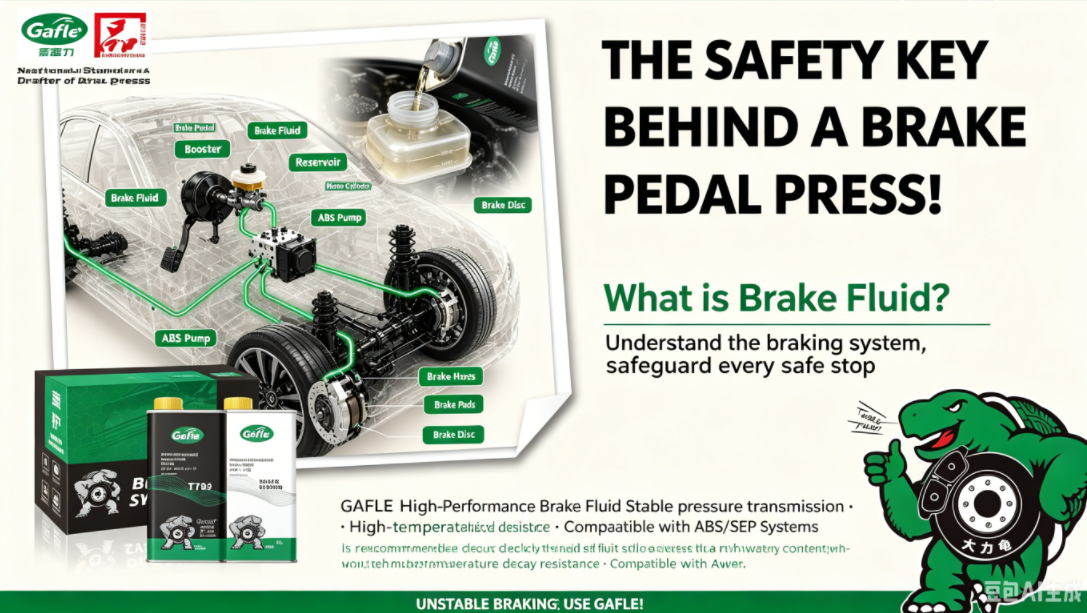
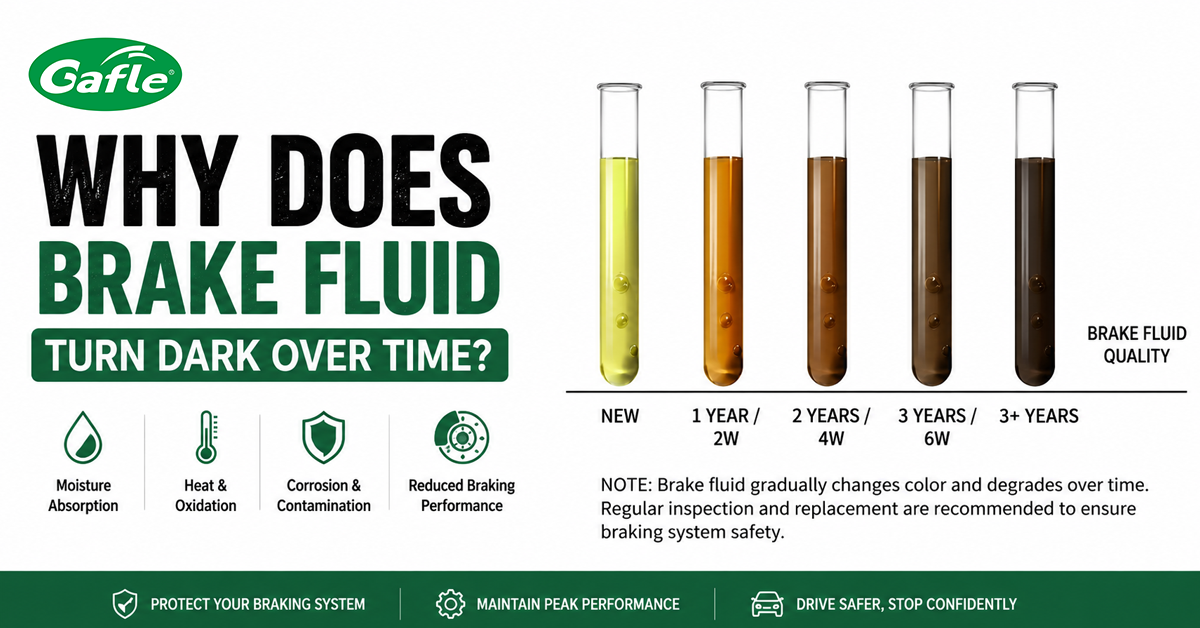
Brake fluid is one of those components that can sit quietly in a bill of materials until something goes wrong. Then it becomes everyone’s problem. In production and aftermarket supply, the fluid has to do several jobs at once: transfer force, remain stable under heat, resist moisture-related performance drop, and behave consistently across the service life expected by the vehicle maker or distributor.
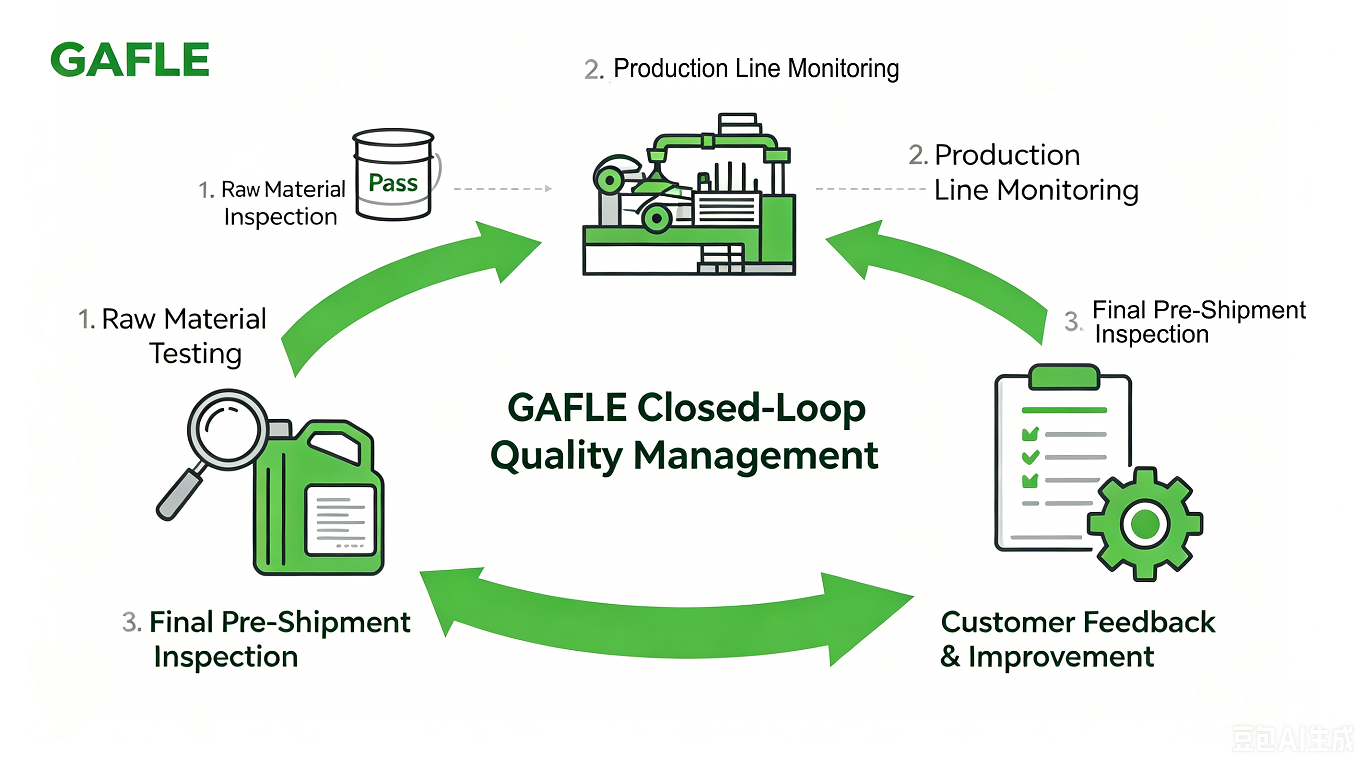
That is why the supplier relationship matters. A competent brake fluid manufacturer should understand not just the formula side, but also packaging discipline, filling consistency, and batch traceability. Even when the chemistry is sound, sloppy handling can create contamination risk. Buyers often focus on chemistry first, but manufacturing control is what protects the product on the shelf.
DOT 3, DOT 4, and synthetic: how the choices usually differ
DOT 3 brake fluid remains common in many legacy applications and cost-sensitive programs. It is familiar, widely understood, and often suitable where the vehicle design and service profile were built around it. DOT 4 brake fluid is generally chosen where higher boiling performance or a more demanding duty cycle is expected. In practice, this matters for vehicles that see heavier use, more heat, or stricter performance expectations.
Synthetic brake fluid is a broader label, and buyers should be careful with it. Some suppliers use the term to signal formulation approach or performance positioning, but the label alone does not tell you enough. Always map the fluid to the required standard and application, not just the marketing description. That sounds obvious, but it is one of the more common procurement mistakes.
What a capable supplier should be able to support
A reliable brake fluid manufacturer should be able to speak clearly about product consistency, packaging options, and production control. For OEM programs, that usually means the supplier can handle documentation, repeatability, and packaging formats suited to assembly or service channels. For aftermarket buyers, the bigger concerns may be label compliance, container integrity, and how well the product survives warehouse storage and distribution.
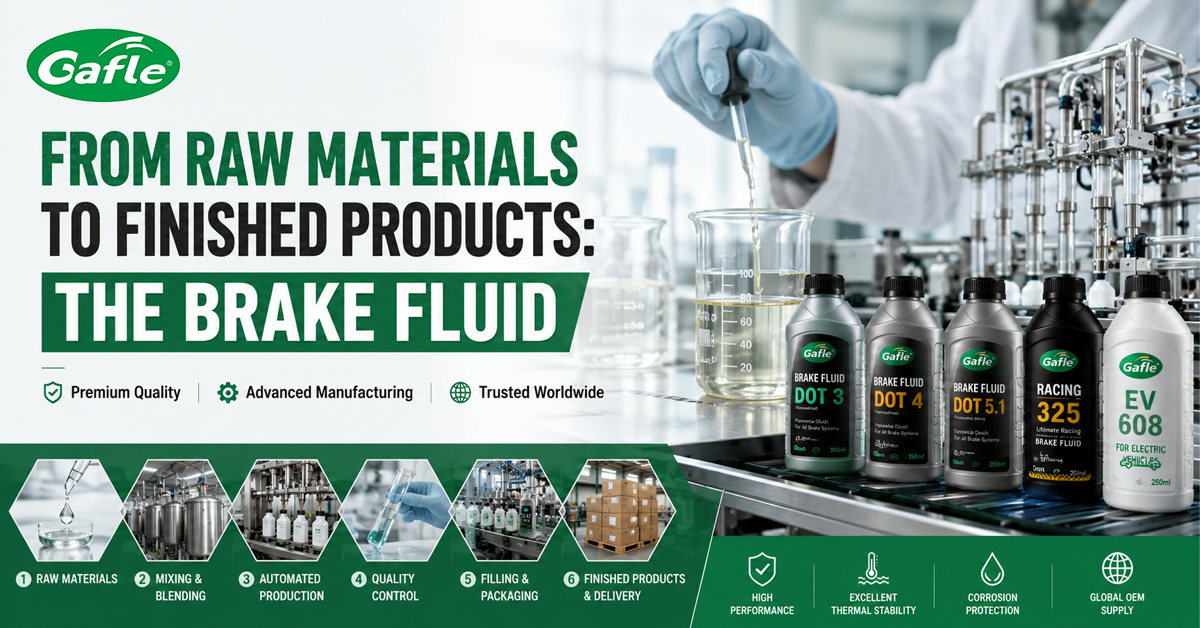
It also helps if the supplier understands private-label needs. Many buyers want brake fluid OEM supply without building an in-house blending and filling operation. That is where manufacturing discipline becomes visible: clean filling, sealed containers, manageable lot sizes, and orderly production flow. A tidy plant is not proof of quality by itself, but a chaotic one is certainly a warning sign.
Process control and packaging details that matter in real purchasing
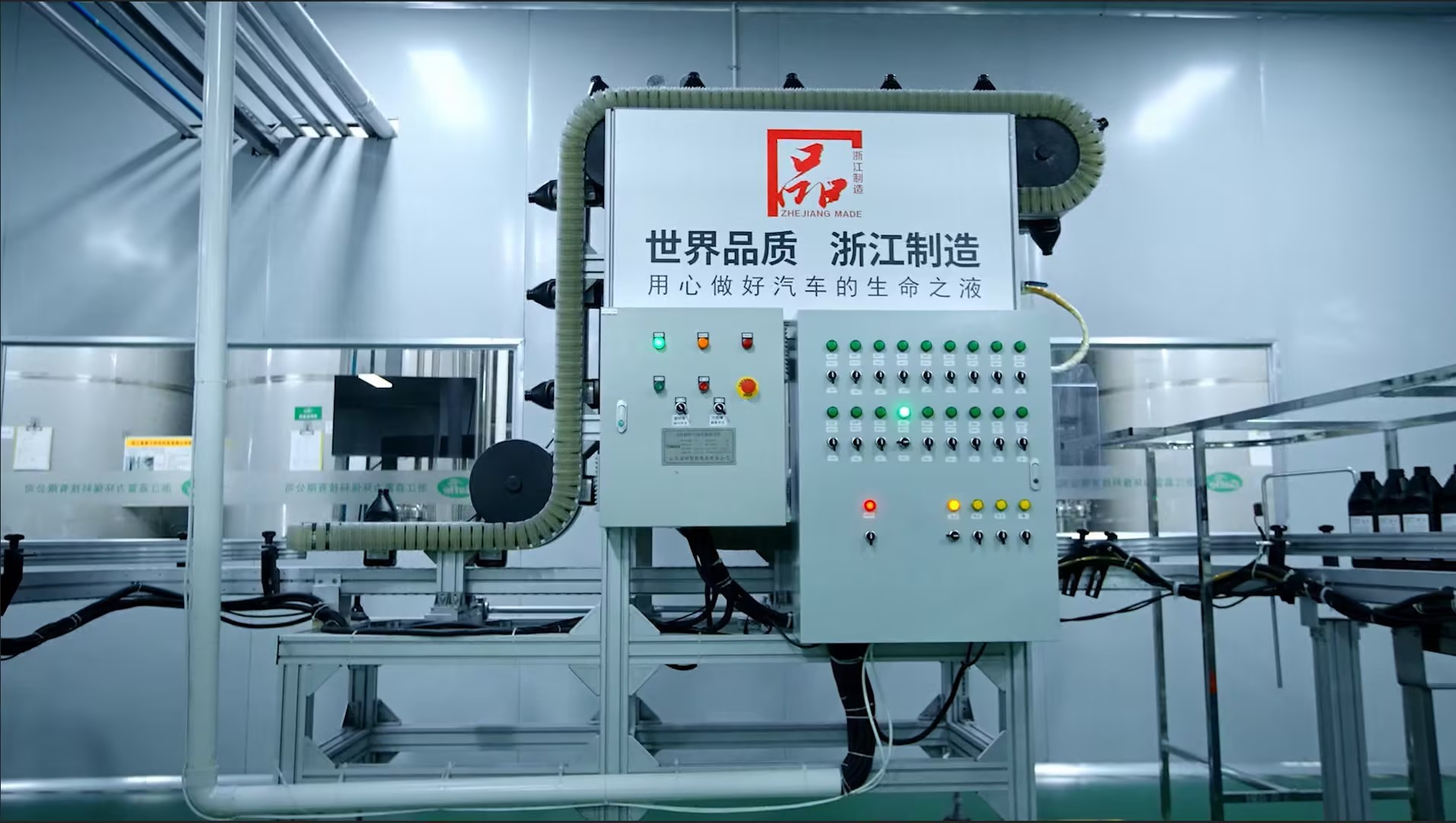
While brake fluid chemistry is the headline, the packaging operation is where many service problems begin or end. Containers need to be filled, capped, inspected, and transferred without contamination. In liquid products, even a small handling issue can create a customer complaint later. Buyers should ask how the supplier controls filling, closure integrity, and container handling.
The same logic applies to factory layout. A clean, organized production area with automated conveying and multiple controlled stations usually signals a more disciplined operation than a highly manual line. For a fluid product, that discipline matters. It is not glamorous, but it reduces avoidable defects.
Common buyer mistakes
One common mistake is treating all brake system fluid as functionally identical. It is not. Another is choosing a supplier on price alone and discovering later that the packaging format, documentation, or supply consistency does not fit the market. A third mistake is assuming a familiar term like car brake fluid will cover every use case. It usually does not.
Buyers should also avoid over-specifying where it creates unnecessary cost, especially in straightforward service channels. The better approach is to match the fluid type and supplier capability to the real application, then confirm the supporting paperwork and packaging requirements.
FAQ: practical questions sourcing teams ask
Can one supplier cover both OEM and aftermarket demand?
Sometimes, yes. But the supplier needs the right manufacturing discipline, documentation habits, and packaging flexibility. Not every producer is equally strong in both channels.
Is DOT 4 always better than DOT 3?
Not always. Better depends on the vehicle specification and service environment. Use the required standard, not the most familiar one.
Should we ask about synthetic brake fluid every time?
Yes, but carefully. The term can be useful, yet it should never replace a specification check.
A sensible next step
If you are comparing suppliers, build your shortlist around the required standard, the packaging format, and the supplier’s ability to support repeatable production. Then ask for product and process documentation that matches your channel. That is the fastest way to separate a real brake fluid manufacturer from a vendor that simply sells liquid in a bottle.
For sourcing teams, the best outcome is not just a lower unit cost. It is a fluid supply that fits the vehicle, the market, and the quality expectations of the people who will eventually put their foot on the brake.