Why the right brake fluid container matters in production and distribution
A brake fluid container is not just a piece of packaging; it is part of the product’s safety chain. Brake fluid is sensitive to moisture, contamination, and handling damage, so the container has to protect the contents from the factory floor all the way to the service shelf. For buyers comparing suppliers, the real question is usually not whether a bottle can hold liquid. It is whether the package can preserve quality during filling, palletizing, transport, and retail handling without creating avoidable leakage or compliance headaches.
That matters especially when shipping brake fluid across longer routes or through mixed warehouse environments. A small defect in closure performance or material compatibility can turn into a bigger problem once cartons are stacked, temperature changes start working on the package, and distribution teams begin moving product again and again. The container has to fit the fluid, the filling line, and the logistics chain—not just the label artwork.
What buyers should evaluate first
When sourcing a brake fluid container, it helps to step back from appearance and focus on function. The main items are usually material compatibility, sealing integrity, neck and closure design, handling strength, and how well the package fits the required shipping format. If the container is intended for made in China brake fluid or any other imported supply chain, the packaging also needs to account for longer transit, consolidation in export cartons, and rougher handling than a local distribution lane might see.
In practice, buyers often look at three questions first: will the package keep moisture out, will it survive transport without deformation or leakage, and can it be filled and capped efficiently on existing equipment? If the answer to any of those is uncertain, the packaging may look fine on paper but create losses later.
Common container formats and where they fit
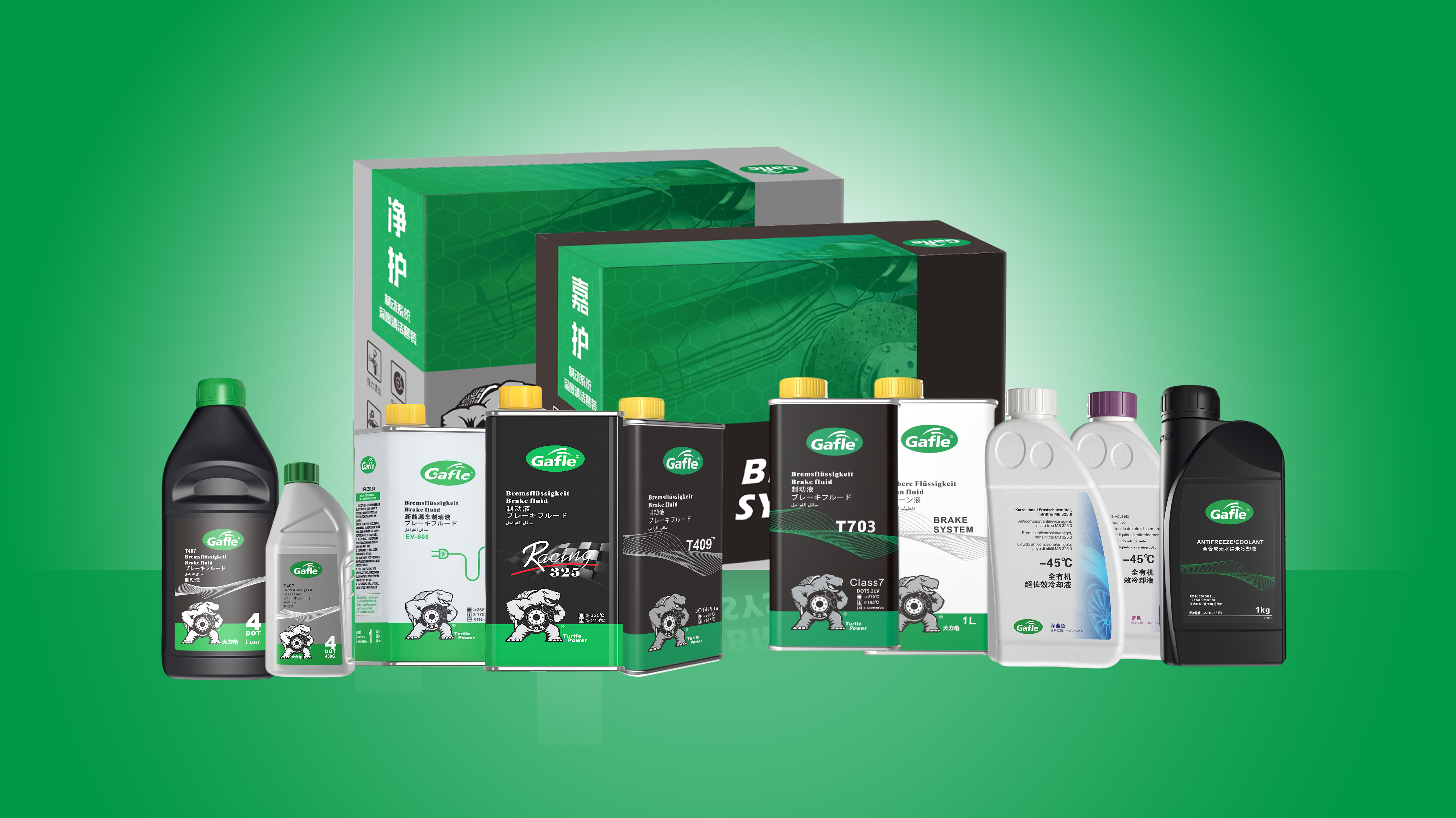
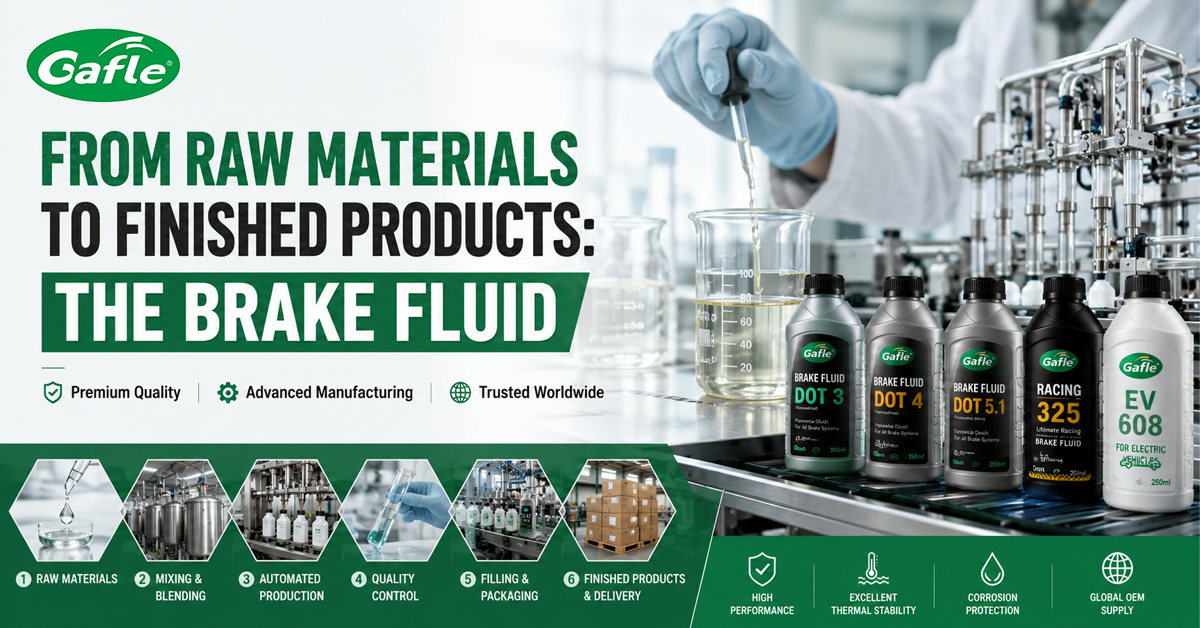
Brake fluid is typically packaged in rigid bottles or jugs sized for consumer and workshop use. The choice depends on volume, channel, and the way the product is dispensed. Smaller containers are common for retail and maintenance kits, while larger formats can suit workshop supply or bulk distribution. The closure style matters as much as the body shape because the seal is doing much of the real work.
For shipping brake fluid, buyers should also think about carton efficiency and stacking stability. A tall, narrow bottle may save shelf space but become less stable in transit. A wider design can be easier to handle, though it may use more pallet footprint. There is no universal best answer; the right call depends on the route and the end user.
Material and barrier considerations
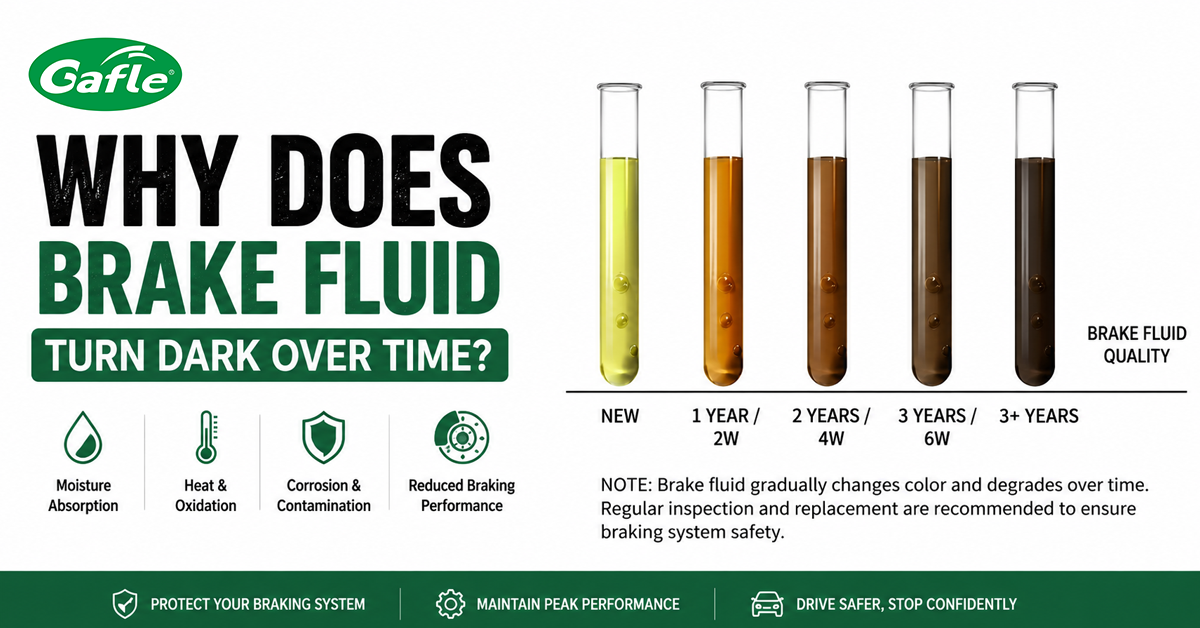
Brake fluid can be sensitive to moisture uptake, so packaging material should be selected carefully. Some applications may rely on plastics with suitable resistance and barrier behavior, but the exact choice depends on the fluid chemistry and the required shelf life. If a supplier cannot explain compatibility in plain terms, that is usually a warning sign. Buyers do not need exaggerated claims; they need evidence that the package will not become part of the problem.
Practical risks that show up late
One of the most common mistakes is treating the container as a commodity and only checking dimensions. That approach often misses closure torque consistency, liner behavior, and how the package performs after repeated temperature swings. Another frequent issue is assuming a package that works in domestic transport will behave the same during brake fluid shipping overseas. Export packaging usually needs a little more margin than teams expect, especially if the product will pass through several storage points.
There is also the labeling side. Brake fluid containers often need space for warnings, batch codes, and handling information. If the label panel is too small or awkwardly shaped, the packaging may pass technical review but fail in day-to-day operations.
How to compare suppliers without getting lost in samples
Buyers should ask for container drawings, material descriptions, closure specifications, and confirmation that the package has been used with the intended fluid type. If possible, request sample runs that reflect actual filling conditions, not just hand-packed prototypes. A good sample in a quiet office tells you very little about a full production line.
It is also worth checking whether the supplier understands the export lane, not only the bottle itself. For made in China brake fluid programs, packaging decisions often need to account for carton strength, pallet pattern, and humidity exposure during transit. Those details can look minor, but they are usually where avoidable damage starts.
Buyer checklist before placing an order
Before approving a brake fluid container, confirm the fluid compatibility, closure design, leakage risk, label area, transport durability, and fill-line fit. Then test the package in the same conditions it will face in real use. That sounds obvious, but many teams skip the rough handling step and only discover weaknesses after the first shipment.
If your buying decision is being made between two nearly identical options, choose the one with clearer technical data and better export packaging support. Packaging for automotive fluids is not glamorous, but it has a direct effect on customer confidence and on how much product reaches the market in usable condition.
What to ask next
If you are comparing options for a brake fluid container, start with the intended fluid grade, shipment route, and filling method. From there, ask suppliers how their package is designed for sealing, transport, and shelf presentation. A short technical conversation now is usually cheaper than a pallet of damaged goods later.
For sourcing teams working on brake fluid shipping or evaluating made in China brake fluid supply, the smartest next step is a real-world package trial. That is where the container either proves itself or quietly reveals its weak points.