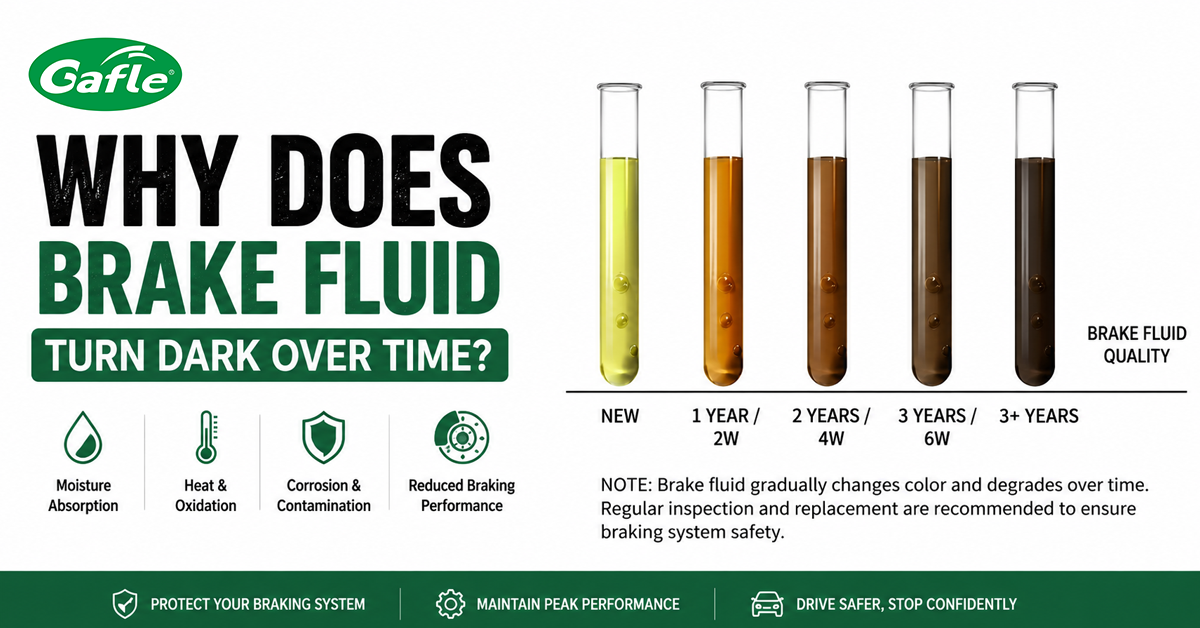
Why Does Brake Fluid Turn Dark Over Time?
Brake fluid is one of the most important safety fluids in any vehicle. It transfers hydraulic pressure from the brake pedal to the braking system, allowing drivers to stop safely and effectively. However, many vehicle owners notice that their Brake Fluid Color changes over time, often becoming dark brown or even black.
This raises a common question:
Why Is My Brake Fluid Dark?
Is dark brake fluid normal? Does it mean the fluid needs to be changed? And how does it affect vehicle safety?
In this article, we'll explain why Dark Brake Fluid occurs, what it means for your braking system, and why proper Brake Fluid Maintenance is essential.
What Color Should Brake Fluid Be?
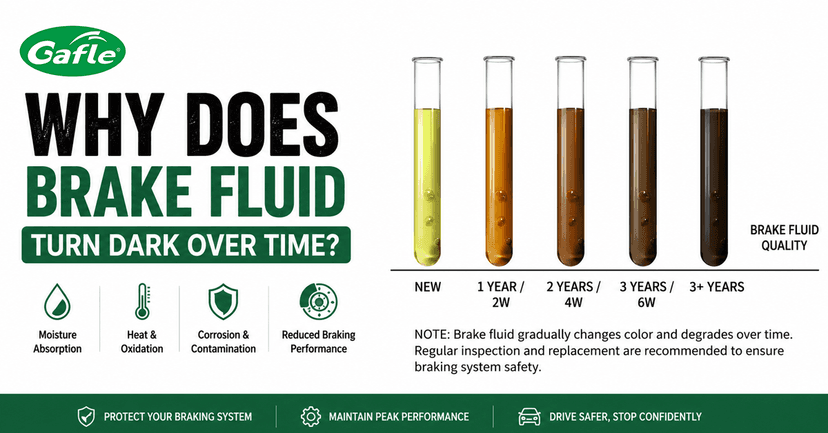
Fresh brake fluid is typically:
- Clear
- Light yellow
- Light amber
New brake fluid should appear clean and transparent.
As brake fluid ages, it gradually changes color. While slight darkening is normal, excessively dark fluid may indicate contamination, deterioration, or overdue maintenance.
Monitoring Brake Fluid Color is one of the easiest ways to assess the condition of your braking system.
Why Is My Brake Fluid Dark?
Many drivers search online for:
"Why Is My Brake Fluid Dark?"
The answer usually involves several factors that naturally occur during vehicle operation.
1. Moisture Absorption
Brake fluid is hygroscopic, meaning it absorbs moisture from the air over time.
Even in sealed braking systems, small amounts of moisture can enter through:
- Rubber seals
- Brake hoses
- Reservoir vents
As moisture content increases:
- The fluid's boiling point decreases
- Chemical degradation accelerates
- Fluid color gradually darkens
This is one of the most common causes of Dark Brake Fluid.
2. Heat and Oxidation
Every time a vehicle brakes, heat is generated.
Under repeated high-temperature conditions:
- Brake fluid experiences thermal stress
- Additives begin to break down
- Oxidation occurs
Over time, these chemical reactions contribute to darker fluid color and reduced performance.
Vehicles operating in:
- Heavy traffic
- Mountain roads
- Commercial transportation
- High-performance driving
often experience faster brake fluid deterioration.
3. Internal Component Wear
The braking system contains many metal and rubber components.
Over time:
- Microscopic metal particles
- Rubber residue
- Seal wear particles
can enter the brake fluid.
Although these contaminants are often invisible individually, they accumulate and contribute to darker fluid appearance.
This is another major reason why Brake Fluid Color changes with age.
4. Corrosion Inside the Brake System
Moisture contamination may eventually lead to internal corrosion.
Corrosion products can enter the fluid and create:
- Brown discoloration
- Dark fluid appearance
- Reduced hydraulic efficiency
If corrosion is severe, the braking system may require repairs beyond simple fluid replacement.
Is Dark Brake Fluid Dangerous?
Not always.
Slight color changes are normal during regular vehicle use.
However, very dark brake fluid often indicates:
- High moisture content
- Additive breakdown
- Internal contamination
- Reduced braking performance
Ignoring severely degraded brake fluid may increase the risk of:
- Longer stopping distances
- Brake fade
- Corrosion damage
- Component wear
This is why regular Brake Fluid Maintenance is critical.
Signs of Bad Brake Fluid
Color alone does not tell the entire story.
Common Signs of Bad Brake Fluid include:
Soft or Spongy Brake Pedal
The pedal feels less responsive than normal.
Delayed Braking Response
The vehicle takes longer to stop.
Brake Warning Light
Some vehicles display a warning light when brake system performance is affected.
Unusual Brake Feel
Braking becomes inconsistent or unpredictable.
Dark or Dirty Brake Fluid
Visible discoloration often indicates contamination or aging.
If multiple symptoms occur together, inspection is strongly recommended.
When Should Brake Fluid Be Replaced?
Many drivers wait until brake problems appear before considering service.
However, proactive Brake Fluid Replacement is far safer and more cost-effective.
Most vehicle manufacturers recommend:
- Every 2–3 years
- According to mileage recommendations
- Based on fluid testing results
Vehicles operating in humid or severe environments may require more frequent service.
How Brake Fluid Maintenance Prevents Problems
Routine Brake Fluid Maintenance helps protect both safety and vehicle components.
Benefits include:
Maintaining Proper Boiling Point
Fresh brake fluid resists high temperatures more effectively.
Preventing Corrosion
Clean fluid helps protect internal metal components.
Improving Brake Performance
Proper fluid condition ensures stable hydraulic pressure.
Extending Component Life
Brake cylinders, calipers, seals, and hoses all benefit from clean fluid.
Regular maintenance is one of the simplest ways to avoid expensive brake system repairs.
How to Check Brake Fluid Color
Vehicle owners can perform a basic visual inspection.
Look for:
✅ Clear or light amber color
✅ No visible debris
✅ Proper fluid level
Potential warning signs include:
❌ Dark brown fluid
❌ Black fluid
❌ Cloudy appearance
❌ Visible contamination
If the fluid appears unusually dark, professional inspection is recommended.
Why Quality Brake Fluid Matters
Not all brake fluids perform equally.
A high-quality fluid offers:
- Better oxidation resistance
- Enhanced corrosion protection
- Improved thermal stability
- Longer service life
This is why selecting products from a trusted OEM Brake Fluid Manufacturer is important.
Quality formulations can help slow fluid degradation and maintain performance for longer periods.
Why Choose Gafle Brake Fluid Factory?
As a professional Gafle Brake Fluid Factory, we understand the importance of fluid quality and long-term braking performance.
Our strengths include:
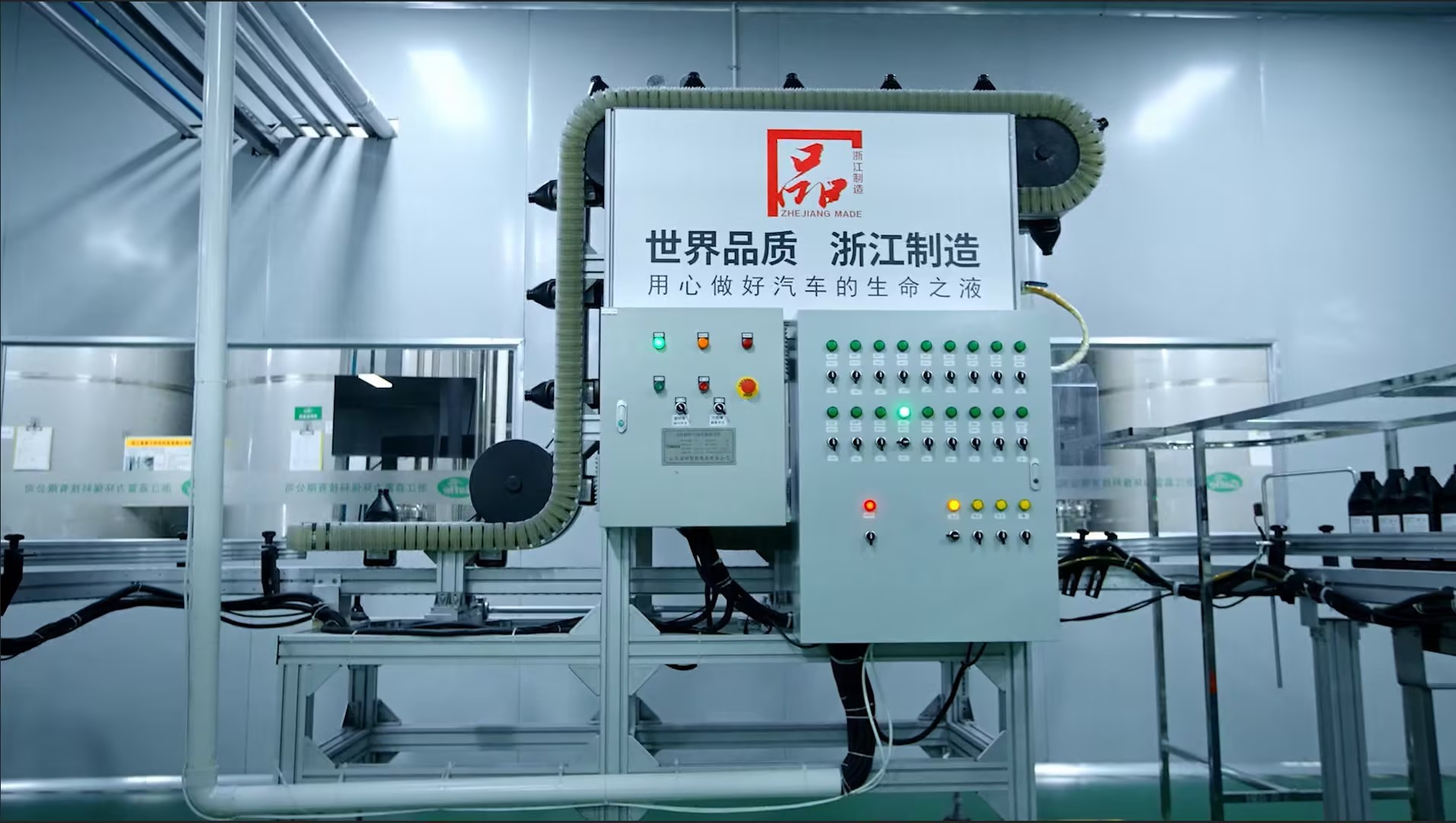
Advanced Manufacturing Technology
Modern production systems ensure product consistency.
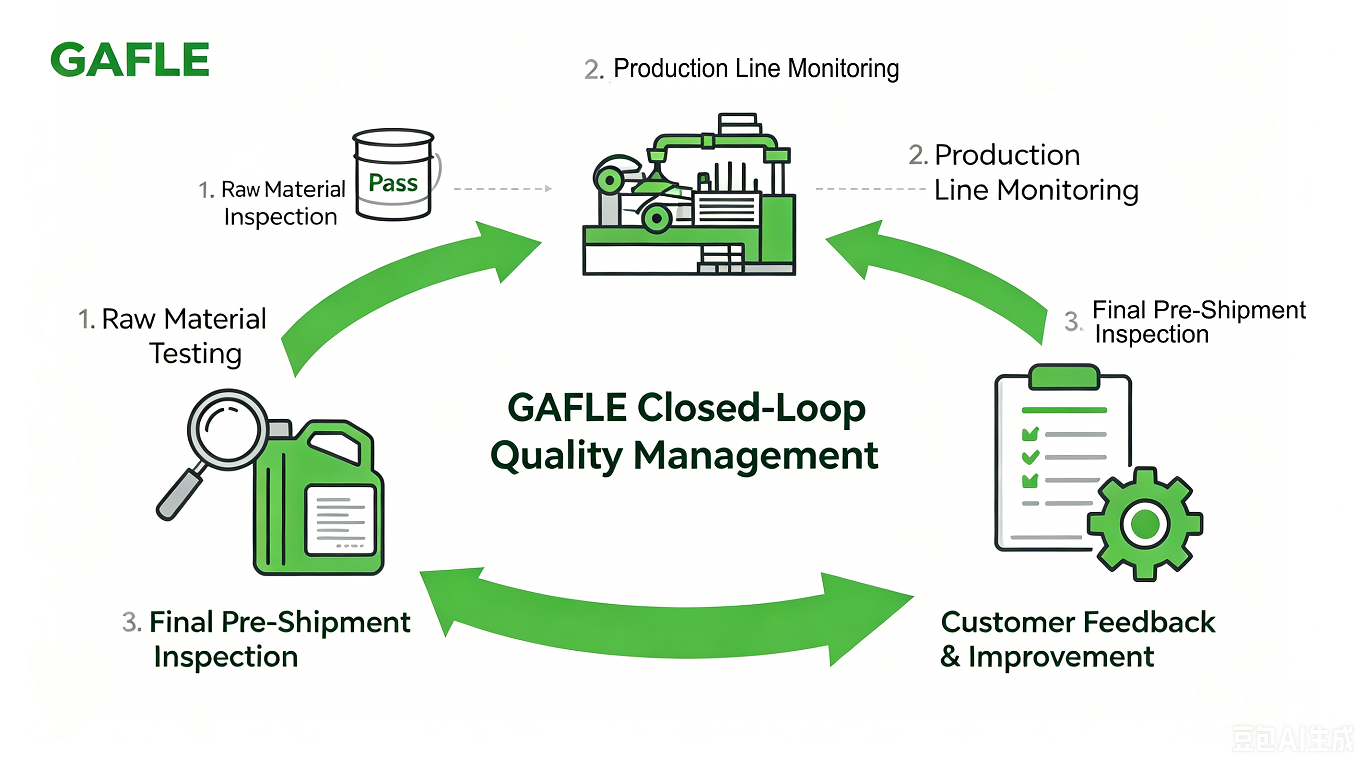
Strict Quality Control
Every batch undergoes comprehensive testing before shipment.
OEM & Private Label Solutions
We support global distributors, importers, and automotive brands.
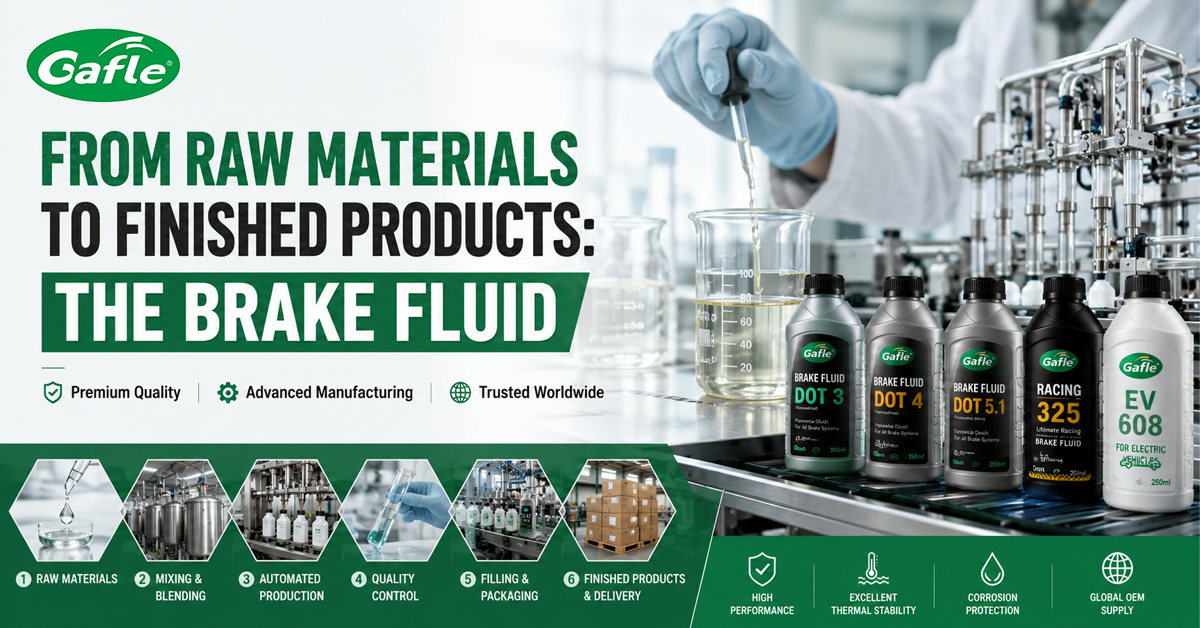
Complete Product Range
Including:
- DOT 3 Brake Fluid
- DOT 4 Brake Fluid
- DOT 5.1 Brake Fluid
- Racing Brake Fluid
- EV Brake Fluid Solutions
Global Export Experience
Reliable supply and technical support for customers worldwide.
Conclusion
If you've ever wondered "Why Is My Brake Fluid Dark?", the answer usually involves moisture absorption, heat exposure, oxidation, and normal wear within the braking system.
While some darkening is expected over time, excessively Dark Brake Fluid can indicate contamination and reduced performance. Monitoring Brake Fluid Color, recognizing the Signs of Bad Brake Fluid, and performing timely Brake Fluid Replacement are essential for maintaining vehicle safety.
At Gafle Brake Fluid Factory, we provide high-quality products and OEM solutions designed to help customers maintain reliable braking performance and long-term safety. As an experienced OEM Brake Fluid Manufacturer, we remain committed to delivering quality, consistency, and trusted performance to customers worldwide.