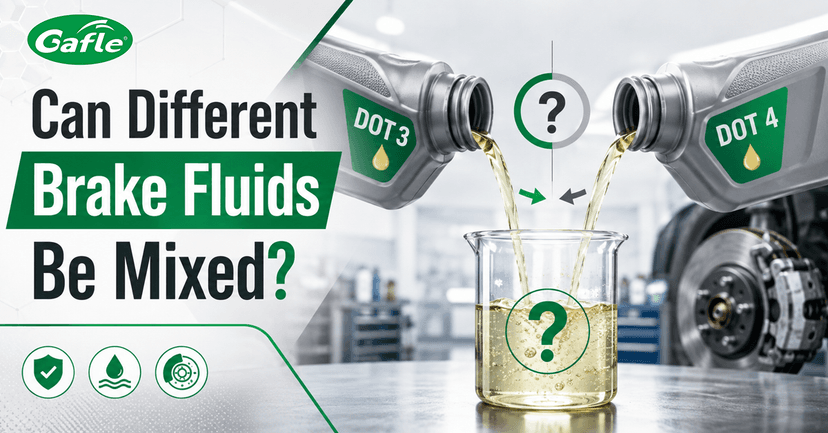
Can Different Brake Fluids Be Mixed? Understanding Brake Fluid Compatibility
Brake fluid is one of the most important fluids in a vehicle’s braking system. Although it may look similar between different brands and types, not all brake fluids are designed in the same way.
A common question from vehicle owners, repair professionals, and automotive businesses is:
“Can different brake fluids be mixed?”
The answer depends on several factors, including brake fluid type, chemical formulation, DOT classification, and vehicle requirements.
Choosing the correct brake fluid is essential for maintaining braking performance and protecting the entire brake system.
As a professional Brake Fluid Manufacturer, Gafle Brake Fluid Factory provides reliable brake fluid solutions for global automotive brands, importers, and distributors while helping customers understand product compatibility and performance requirements.
Why Brake Fluid Compatibility Matters
Brake fluid operates under extreme conditions inside a vehicle.
It must handle:
- High temperatures
- Hydraulic pressure
- Moisture exposure
- Long-term operation
Different brake fluids may have different:
- Chemical compositions
- Additive systems
- Performance characteristics
- Compatibility requirements
Mixing unsuitable brake fluids may affect:
- Braking performance
- Fluid stability
- Brake system protection
This is why selecting the correct brake fluid is more important than simply choosing a product based on price.
Understanding Different Types of Brake Fluid
Before discussing whether brake fluids can be mixed, it is important to understand the different types available.
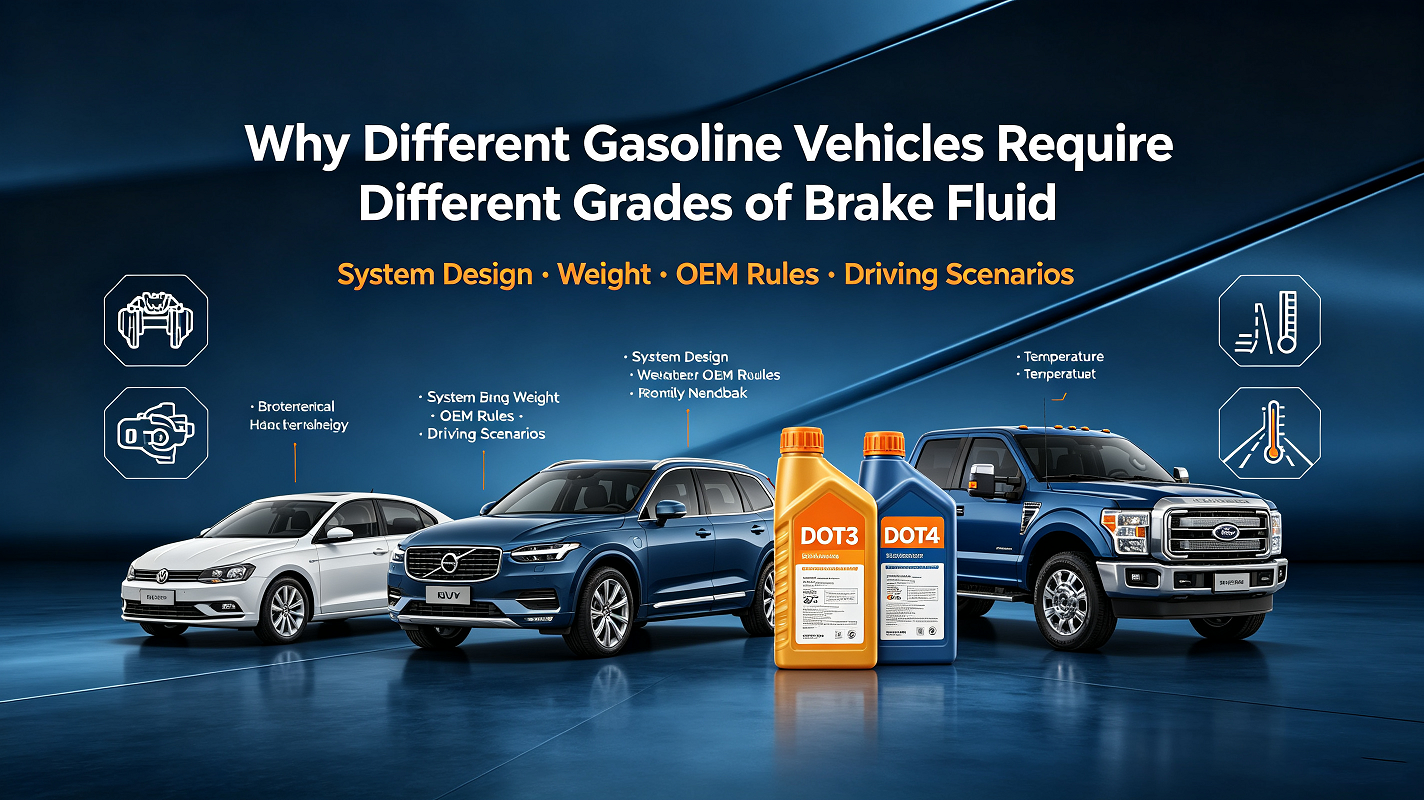
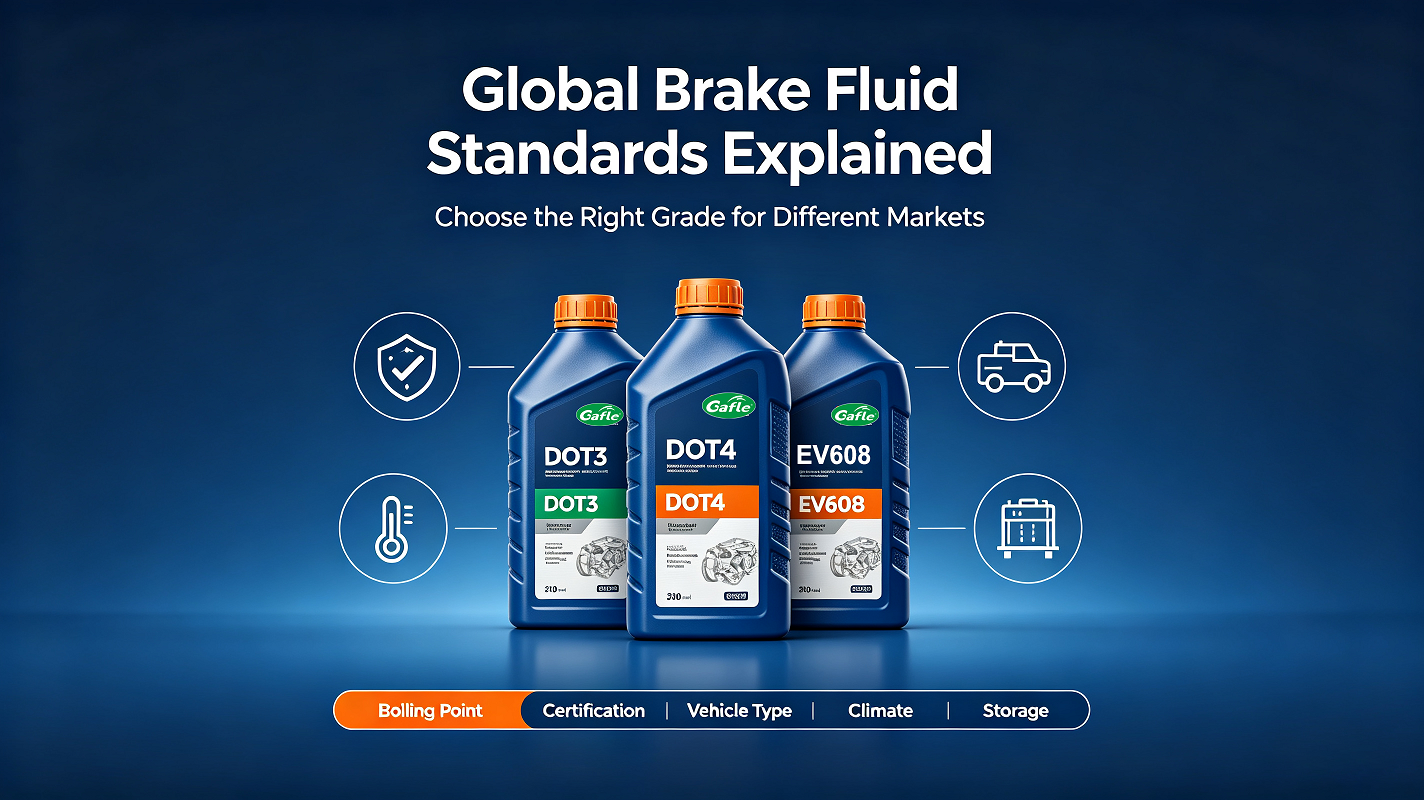
DOT 3 Brake Fluid
DOT 3 brake fluid is widely used in many standard vehicles.
Typical characteristics include:
- Glycol-based formulation
- Good general braking performance
- Suitable for many passenger vehicles
It is commonly used where standard braking requirements are needed.
DOT 4 Brake Fluid
DOT 4 brake fluid is one of the most commonly used specifications in modern vehicles.
Compared with DOT 3, DOT 4 generally provides:
- Higher boiling point performance
- Better high-temperature resistance
- Improved performance under demanding conditions
Many modern vehicles and performance applications require DOT 4 brake fluid.
DOT 5 Brake Fluid
DOT 5 brake fluid is different from DOT 3 and DOT 4.
It is:
- Silicone-based
- Designed for specific applications
DOT 5 should not be treated as interchangeable with glycol-based brake fluids.
DOT 5.1 Brake Fluid
DOT 5.1 is a high-performance brake fluid designed for demanding applications.
It provides:
- High temperature performance
- Advanced braking system compatibility
- Improved performance requirements
Can DOT 3 and DOT 4 Brake Fluid Be Mixed?
One of the most common questions is:
“Can you mix DOT 3 and DOT 4 brake fluid?”
DOT 3 and DOT 4 brake fluids are both generally glycol-based, but they are designed with different performance characteristics.
Before mixing, vehicle owners should consider:
- Vehicle manufacturer recommendations
- Brake system requirements
- Product specifications
The safest approach is always to use the brake fluid specification recommended for the vehicle.
For professional automotive businesses, selecting the correct specification helps ensure reliable product performance.
Can DOT 5 Brake Fluid Be Mixed with Other Brake Fluids?
DOT 5 brake fluid is different from DOT 3, DOT 4, and DOT 5.1.
Because of its silicone-based formulation, DOT 5 should not be mixed with glycol-based brake fluids.
Mixing incompatible brake fluids may lead to:
- Reduced performance
- Chemical incompatibility
- Potential brake system issues
Professional manufacturers always recommend confirming compatibility before changing fluid types.
What Happens If You Mix the Wrong Brake Fluids?
Using incompatible brake fluids may create several problems.
1. Changes in Performance
Different formulations may affect:
- Boiling point
- Viscosity
- Hydraulic performance
This may reduce the expected performance of the braking system.
2. Reduced System Protection
Brake fluid must work together with:
- Rubber seals
- Brake lines
- Hydraulic components
Incorrect fluid selection may affect material compatibility.
3. Lower Reliability
For vehicles operating under:
- High temperatures
- Heavy loads
- Frequent braking conditions
using the correct brake fluid is especially important.
How to Choose the Right Brake Fluid
Choosing the correct brake fluid requires considering several factors.
1. Follow Vehicle Requirements
Always check:
- Vehicle manufacturer recommendations
- Required DOT specification
- Brake system design
2. Consider Driving Conditions
Different vehicles may experience different conditions:
- Normal daily driving
- High-performance driving
- Commercial operation
The right brake fluid should match the application.
3. Choose a Reliable Brake Fluid Manufacturer
Product quality depends greatly on manufacturing technology.
A professional Brake Fluid Manufacturer should provide:
- Stable formulation
- Strict quality control
- Laboratory testing
- Consistent production
How Gafle Ensures Reliable Brake Fluid Compatibility
At Gafle Brake Fluid Factory, we understand that brake fluid quality depends on advanced technology and strict manufacturing control.
Our capabilities include:
✅ Professional Brake Fluid Manufacturing
✅ DOT 3 / DOT 4 / DOT 5.1 Brake Fluid Solutions
✅ Advanced Laboratory Testing
✅ Strict Quality Control System
✅ OEM & Private Label Manufacturing
✅ Global Export Experience
Through professional formulation development and testing procedures, Gafle provides reliable brake fluid products for different markets and applications.
Why Global Customers Choose Gafle Brake Fluid Factory
For automotive brands, importers, and distributors, choosing the right supplier is essential.
Gafle provides:
- Consistent product quality
- Professional technical support
- Flexible OEM solutions
- Reliable supply capability
Our goal is to help global customers select and develop brake fluid products that meet their market requirements.
Conclusion
So, can different brake fluids be mixed?
The answer depends on the brake fluid type, formulation, and vehicle requirements.
Understanding brake fluid compatibility helps prevent unnecessary risks and ensures better braking system performance.
For businesses looking for a reliable partner, choosing an experienced Brake Fluid Manufacturer is an important step.
With professional manufacturing experience, advanced testing capabilities, and strict quality management, Gafle Brake Fluid Factory continues to provide dependable brake fluid solutions for customers worldwide.
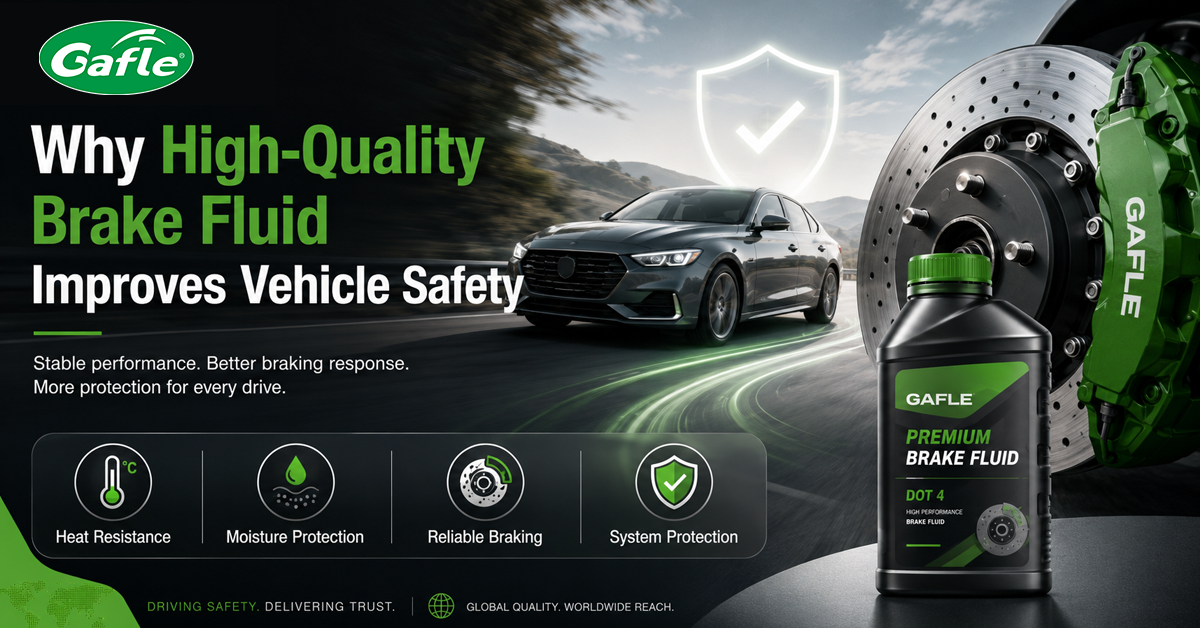
The right brake fluid choice creates better performance, stronger protection, and safer driving experiences.