
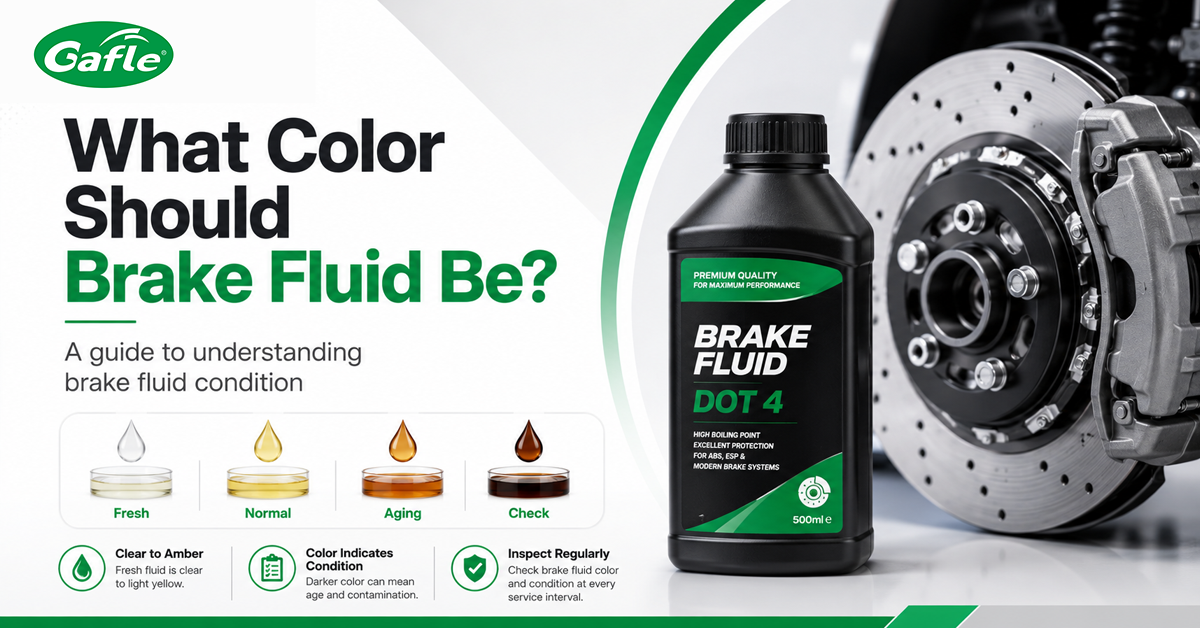
What Color Should Brake Fluid Be? A Guide to Understanding Brake Fluid Condition
Introduction: Why Brake Fluid Color Matters
Brake fluid is a critical component of every vehicle’s braking system. While many drivers know that brake fluid needs regular inspection and replacement, fewer people understand what brake fluid color can tell them about its condition.
A common question among vehicle owners and automotive professionals is:
What color should brake fluid be?
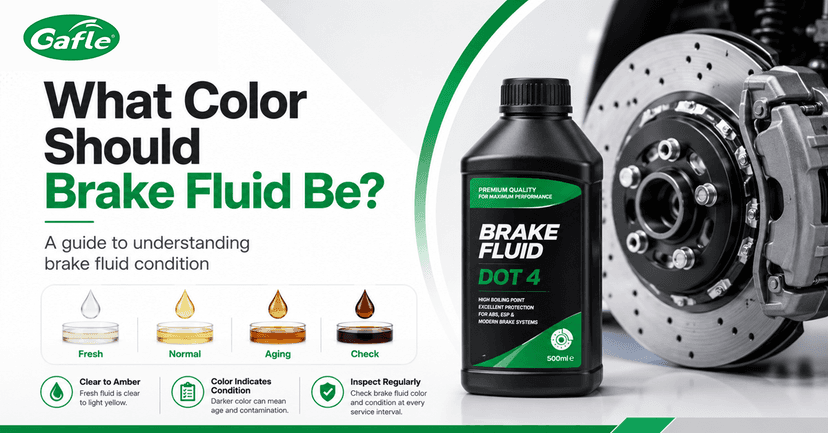
Fresh brake fluid is usually clear to light yellow or amber depending on the formulation. However, as brake fluid ages, absorbs moisture, and experiences temperature changes, its color may gradually become darker.
Understanding brake fluid color meaning helps drivers, repair shops, distributors, and automotive businesses better identify when brake fluid inspection or replacement may be needed.
As a professional brake fluid manufacturer, Gafle focuses on producing high-quality brake fluid solutions with stable performance and reliable quality for global customers.
1. What Color Should Brake Fluid Be?
The color of new brake fluid can vary slightly depending on its formulation and manufacturer, but common colors include:
- Clear
- Light yellow
- Amber
A clean and transparent appearance generally indicates that the brake fluid is relatively new or in good condition.
However, color alone cannot completely determine brake fluid quality. Professional evaluation should also consider:
- Moisture content
- Boiling point performance
- Chemical stability
- Corrosion protection
For this reason, professional workshops often combine visual inspection with brake fluid testing equipment.
2. Brake Fluid Color Meaning: What Different Colors Indicate
Understanding brake fluid color meaning can help identify possible changes in fluid condition.
Clear or Light Yellow Brake Fluid
This is usually the appearance of fresh brake fluid.
Characteristics may include:
- Good transparency
- Stable formulation
- Normal operating condition
Light Brown Brake Fluid
A slightly darker color may occur after a period of use.
Possible reasons include:
- Normal aging
- Moisture absorption
- Long-term exposure to heat
Dark Brown Brake Fluid
Dark-colored brake fluid may indicate that the fluid has experienced significant aging.
Possible causes include:
- Increased moisture content
- Thermal degradation
- Contamination
Very Dark or Black Brake Fluid
Very dark brake fluid should receive attention because it may indicate that the fluid has exceeded its recommended service period.
Professional inspection is recommended before determining replacement.
3. Why Does Brake Fluid Become Dark Over Time?
Many customers search for:
What does bad brake fluid look like?
One common sign is a noticeable color change.
Several factors can cause brake fluid to become darker:
1. Moisture Absorption
Most brake fluids are hygroscopic, meaning they naturally absorb moisture from the air.
Over time, increased moisture can affect:
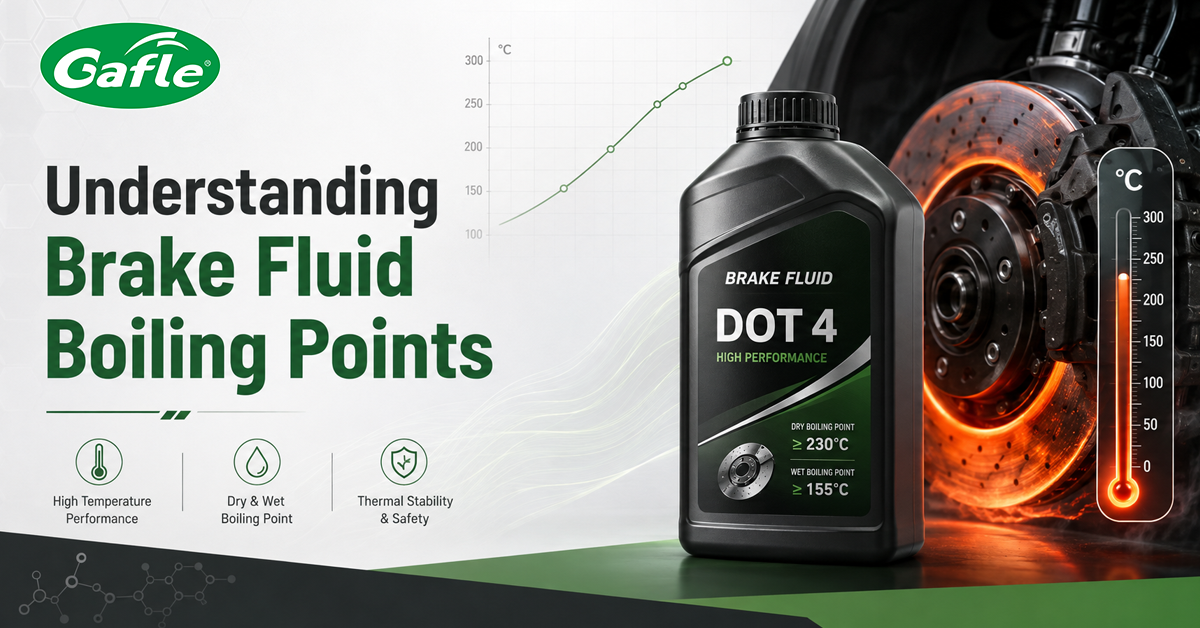
- Boiling point
- High-temperature performance
- Corrosion resistance
2. High Temperature Exposure
During braking, heat from the braking system transfers to the brake fluid.
Repeated exposure to high temperatures may gradually affect fluid characteristics.
3. Internal System Contamination
Small amounts of contaminants from the braking system may influence brake fluid appearance over time.
4. What Does Bad Brake Fluid Look Like?
Although color is an important visual indicator, it should not be the only factor used to judge brake fluid condition.
Possible signs of aging brake fluid include:
Darkened Appearance
The fluid becomes noticeably darker compared with new brake fluid.
Cloudy or Dirty Appearance
Changes in clarity may indicate contamination or moisture-related issues.
Increased Moisture Content
Brake fluid testers can measure water content and help determine whether replacement is needed.
Long Service Period
Brake fluid should generally be replaced according to vehicle maintenance recommendations.
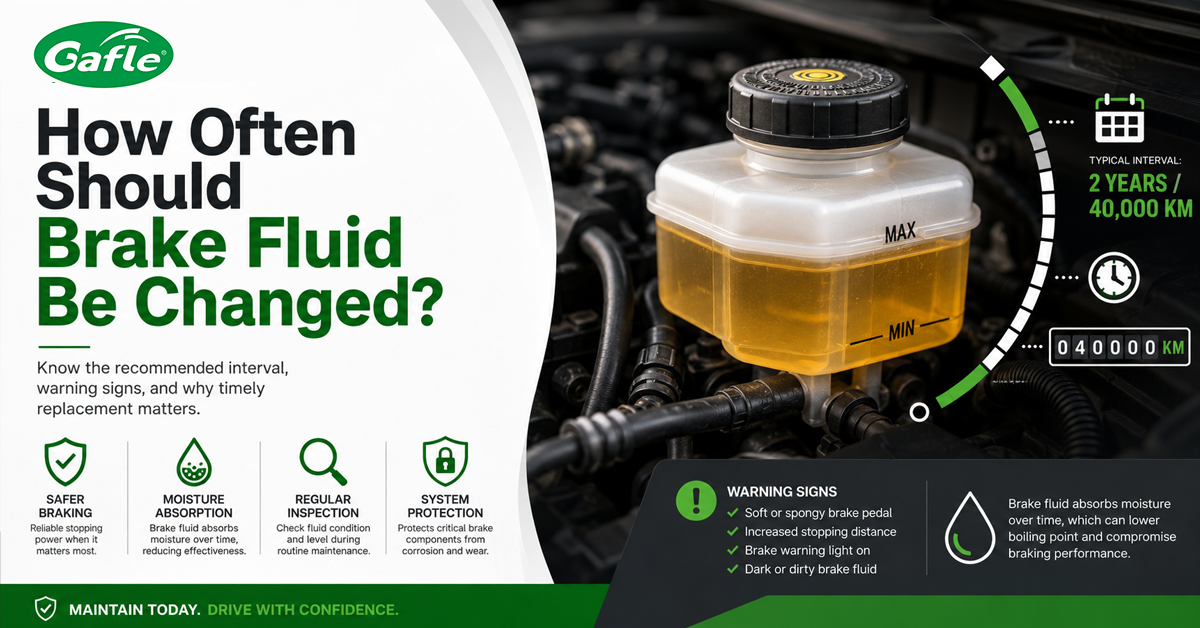
Many manufacturers recommend replacing brake fluid approximately every 2 years or 40,000 kilometers, whichever comes first.
5. How to Check Brake Fluid Condition?
For drivers and service professionals, checking brake fluid condition usually involves several steps.
Visual Inspection
Observe:
- Color
- Transparency
- Fluid level
Moisture Testing
Professional testing equipment can measure moisture content and provide a more accurate evaluation.
Maintenance History Review
Consider:
- Previous replacement date
- Vehicle mileage
- Driving conditions
Combining these methods provides a better understanding of brake fluid condition.
6. When Should Brake Fluid Be Changed?
Besides color changes, brake fluid replacement should follow a regular maintenance schedule.
A commonly recommended interval is:
Replace brake fluid every 2 years or 40,000 kilometers (whichever comes first).
Regular replacement helps maintain:
- Stable braking performance
- Better high-temperature resistance
- Reduced corrosion risk
- Longer brake system service life
For automotive distributors and repair businesses, providing reliable brake fluid products is essential for customer satisfaction.
7. Why Choosing a Reliable Brake Fluid Manufacturer Matters
Brake fluid quality begins with professional manufacturing.
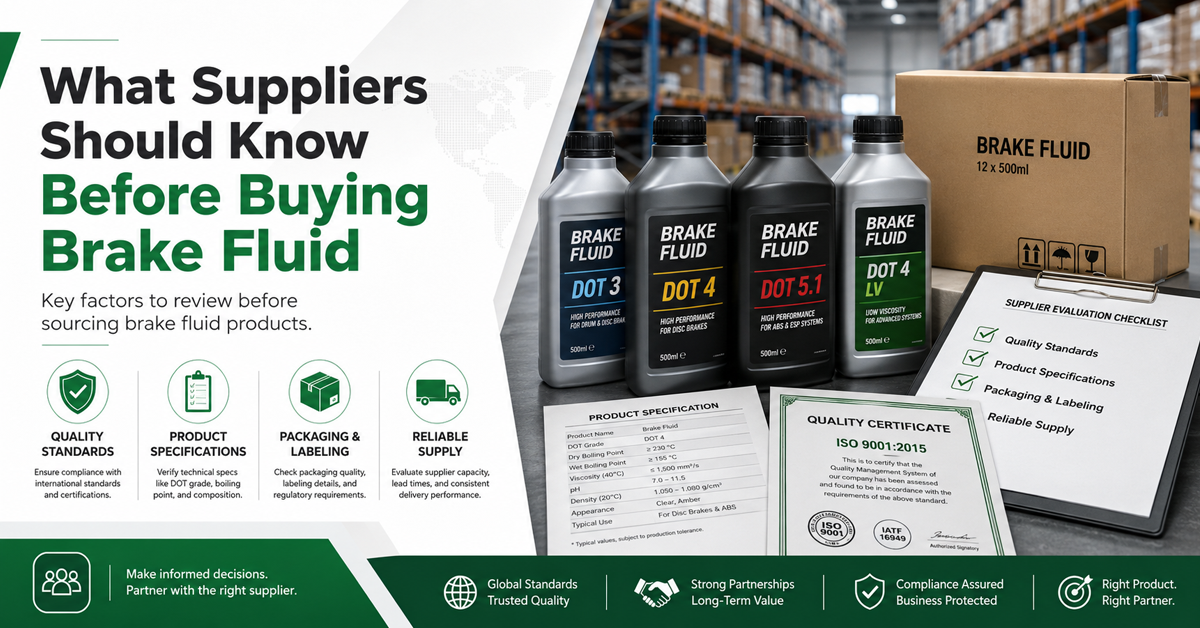
A trusted brake fluid manufacturer should provide:
- Strict raw material control
- Professional formulation technology
- Laboratory testing capability
- Stable production processes
- Consistent product quality
Brake fluid appearance, performance, and durability are all affected by manufacturing technology and quality management.
At Gafle, quality control is integrated throughout the entire production process, from raw material selection to finished product inspection.
8. How Gafle Provides Reliable Brake Fluid Solutions
As an experienced brake fluid factory, Gafle specializes in brake fluid manufacturing and supports global automotive customers with reliable products.
Gafle provides:
- Professional brake fluid production experience
- OEM and private label solutions
- Stable supply capability
- Quality testing systems
- Global export support
By focusing on brake fluid technology and quality management, Gafle helps international partners provide dependable automotive maintenance solutions.
Conclusion: Understanding Brake Fluid Color Helps Maintain Better Performance
So, what color should brake fluid be?
Fresh brake fluid is normally clear, light yellow, or amber. As it ages, the color may gradually become darker due to moisture absorption, heat exposure, and contamination.
However, color should only be used as an initial reference. Professional testing and regular replacement remain the best ways to maintain brake system reliability.
For businesses looking for a reliable brake fluid supplier, Gafle provides professional manufacturing capabilities and high-quality brake fluid solutions for customers worldwide.