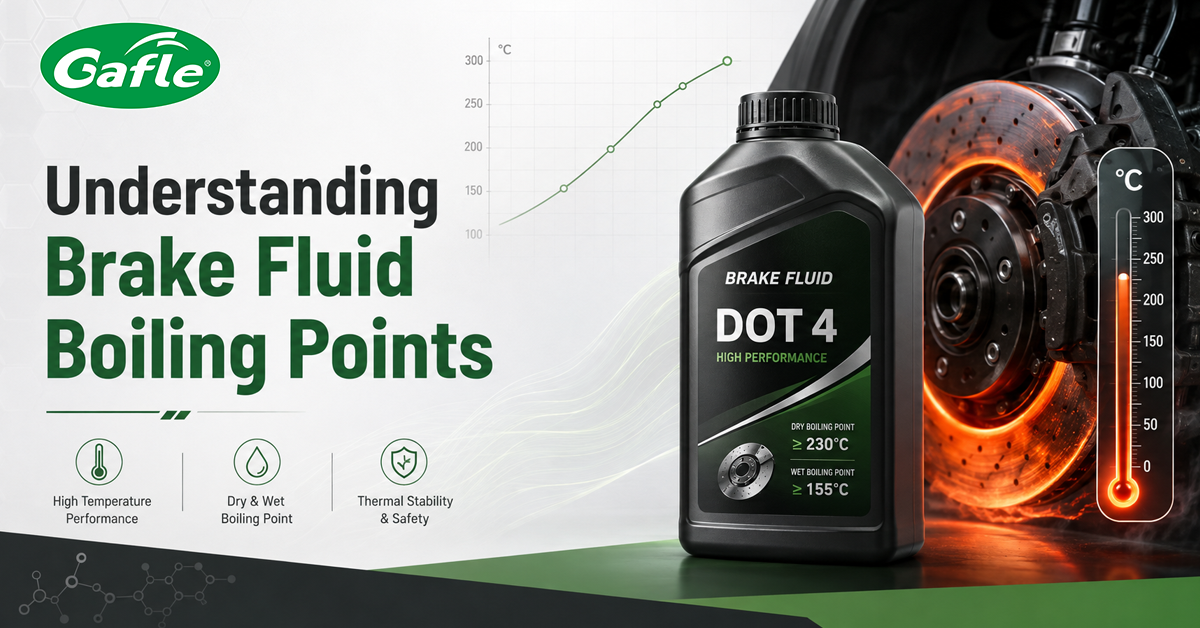
Understanding Brake Fluid Boiling Points: Why High Temperature Performance Matters
Introduction: Why Brake Fluid Boiling Point Is Important
Brake fluid plays a critical role in vehicle braking systems. When drivers apply the brakes, especially during high-speed driving, heavy loads, or frequent braking conditions, the temperature inside the braking system can rise significantly.
One of the most important performance indicators of brake fluid is its boiling point. A higher boiling point helps brake fluid maintain stable performance under extreme temperatures and reduces the risk of brake performance problems caused by overheating.
For vehicle manufacturers, distributors, and automotive aftermarket businesses, understanding brake fluid boiling point is essential when selecting reliable products.
As a professional brake fluid manufacturer, Gafle focuses on developing and producing brake fluids with stable high-temperature performance to meet the needs of global customers.
1. What Is Brake Fluid Boiling Point?
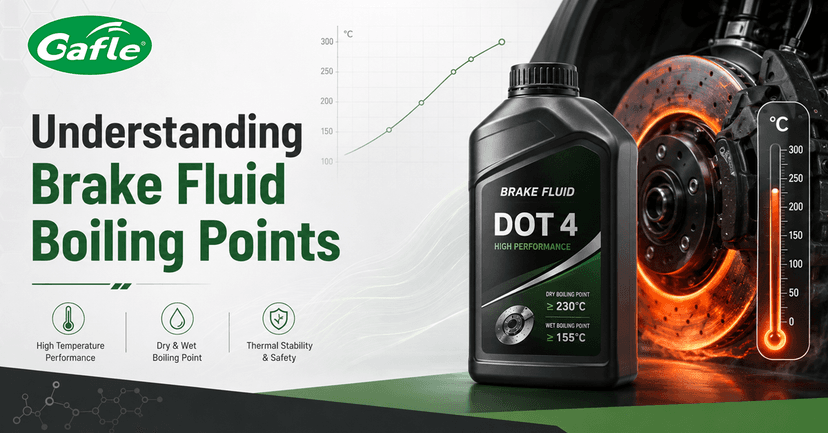
The brake fluid boiling point refers to the temperature at which brake fluid begins to vaporize.
During braking, heat generated from friction between brake pads and discs transfers to the brake fluid through the braking system. If the temperature becomes too high and the brake fluid reaches its boiling point, vapor bubbles may form inside the brake lines.
Because vapor is compressible while liquid is not, excessive vapor formation can affect braking response and consistency.
Therefore, brake fluid with suitable boiling point performance is essential for maintaining reliable braking under demanding conditions.
2. Dry Boiling Point vs Wet Boiling Point: What Is the Difference?
When evaluating brake fluid performance, two important indicators are commonly considered:
Dry Boiling Point
The dry boiling point refers to the boiling temperature of fresh brake fluid before it absorbs moisture.
It represents the initial high-temperature capability of the product.
A higher dry boiling point usually indicates stronger resistance to extreme heat when the brake fluid is new.
Wet Boiling Point
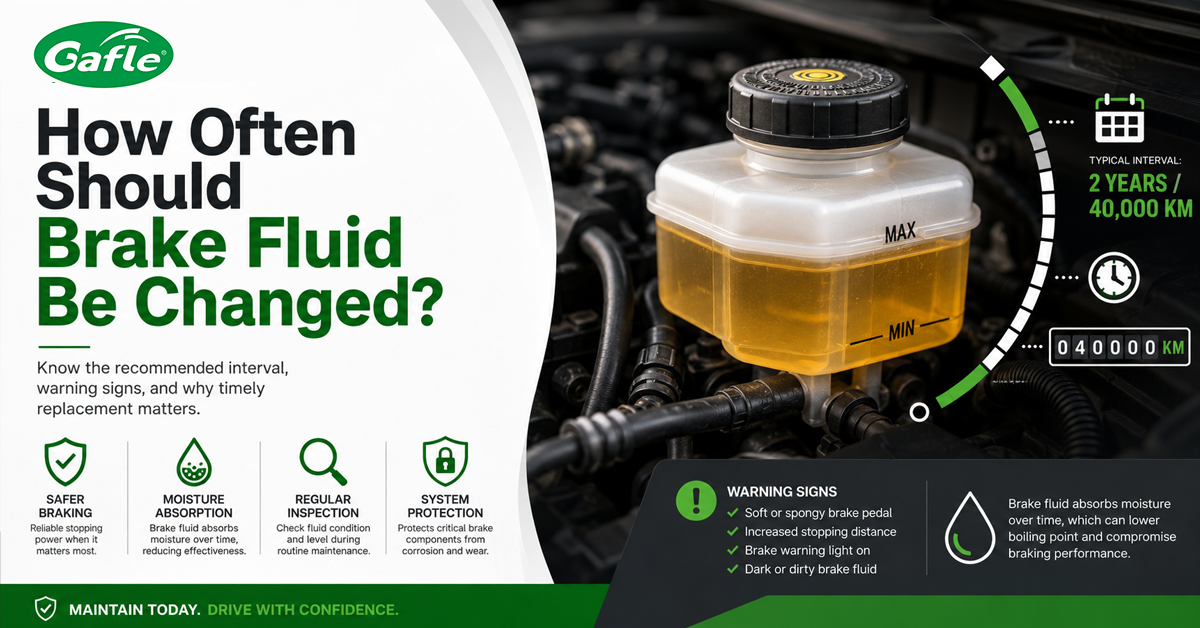
The wet boiling point refers to the boiling temperature after brake fluid has absorbed a certain amount of moisture.
Because most brake fluids are hygroscopic, they naturally absorb water from the environment over time. This can gradually reduce boiling point performance.
The wet boiling point provides a more realistic reference for long-term vehicle operation.
For professional suppliers, both dry and wet boiling points are important parameters when developing and testing brake fluid products.
3. Why High Temperature Brake Fluid Performance Matters
Modern vehicles often experience higher braking temperatures due to:
- Increased vehicle weight
- Higher driving speeds
- Frequent urban traffic braking
- Performance driving conditions
- Heavy-duty applications
A high-quality high temperature brake fluid should maintain stable characteristics under heat, including:
- Reliable viscosity performance
- Strong corrosion protection
- Good material compatibility
- Stable braking response
For global automotive businesses, choosing brake fluid with excellent temperature performance helps improve product reliability and customer confidence.
4. DOT 3 vs DOT 4 Brake Fluid: Understanding the Difference
One common question from automotive professionals is:
What is the difference between DOT 3 and DOT 4 brake fluid?
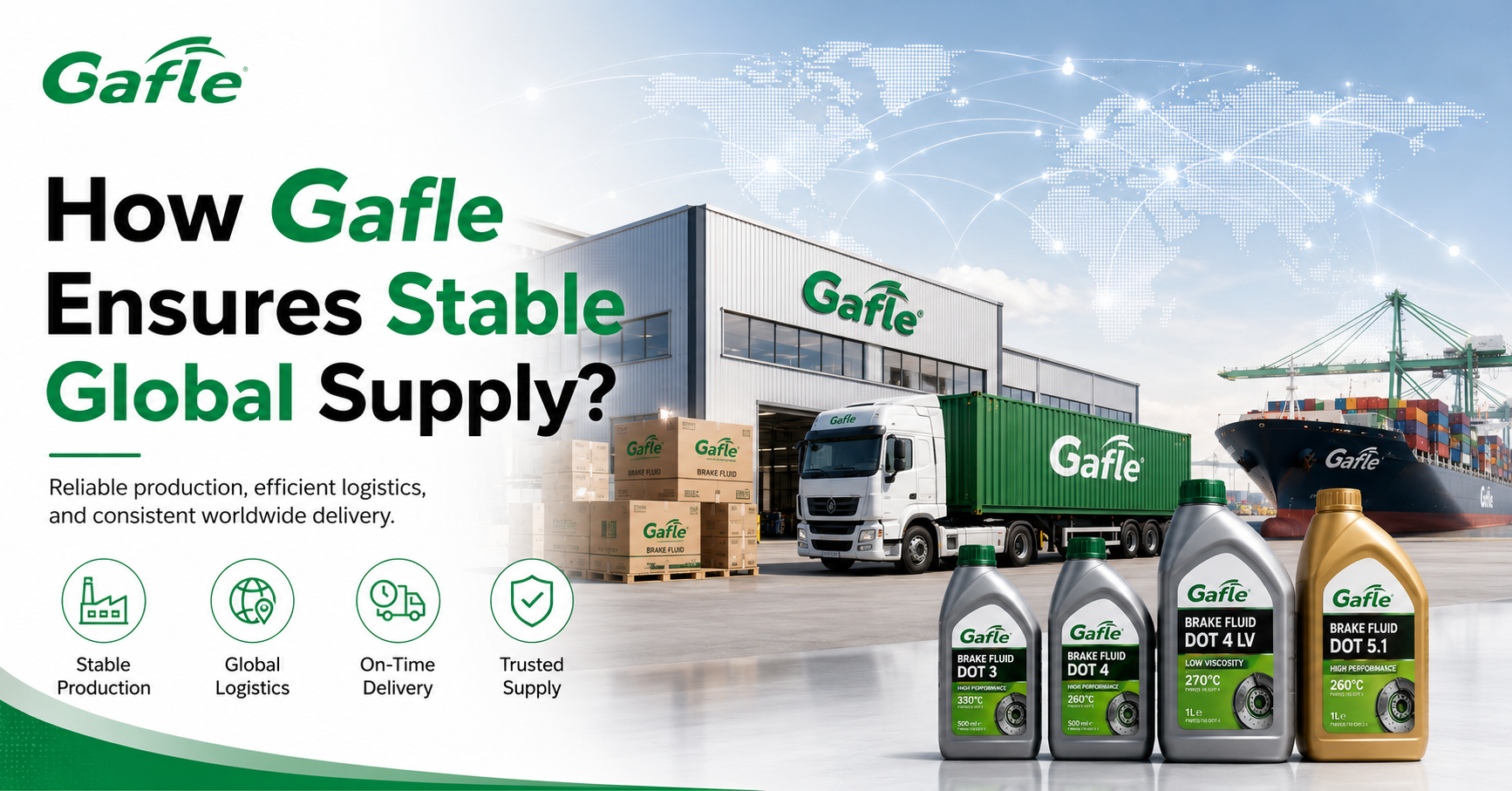
Both are widely used brake fluid specifications, but they have different performance characteristics.
DOT 3 Brake Fluid
DOT 3 brake fluid is commonly used in standard passenger vehicles and provides reliable braking performance for general applications.
DOT 4 Brake Fluid
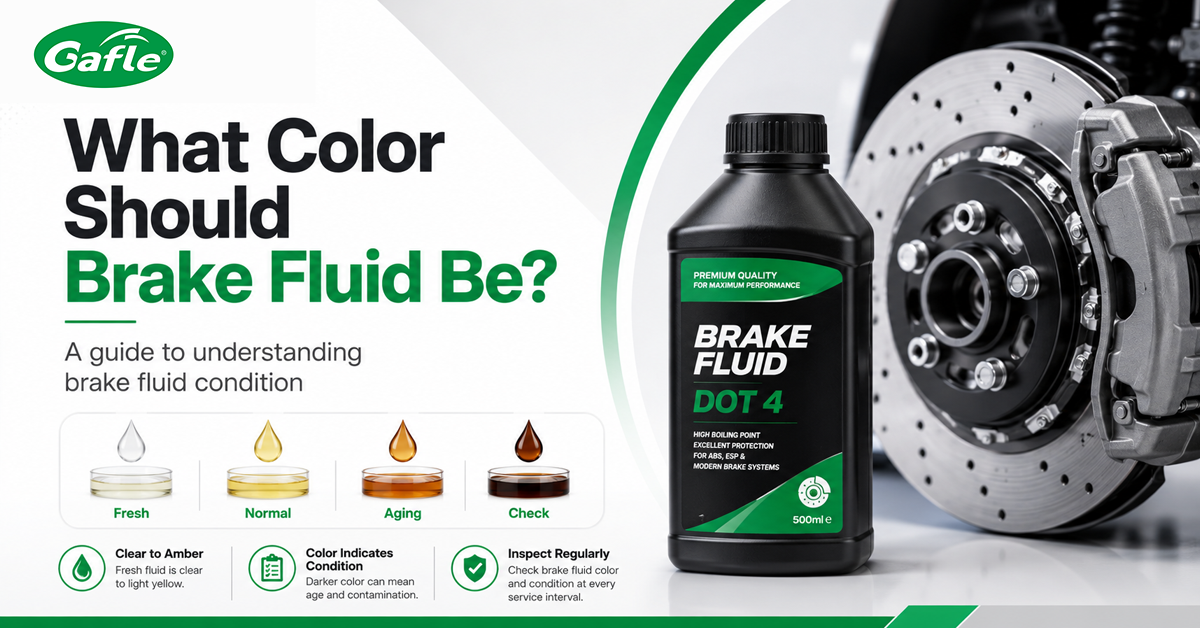
DOT 4 brake fluid typically offers a higher boiling point compared with DOT 3 and is widely used in modern vehicles requiring improved high-temperature performance.
For many automotive applications, DOT 4 brake fluid is preferred because of its stronger resistance to heat.
As an experienced DOT 4 brake fluid manufacturer, Gafle provides brake fluid solutions designed for different vehicle requirements and market needs.
5. Brake Fluid Performance Standards and Testing
A professional brake fluid manufacturer must control product performance through strict testing procedures.
Important brake fluid tests include:
- Dry boiling point testing
- Wet boiling point testing
- Viscosity testing
- Corrosion testing
- Chemical stability testing
- Rubber compatibility testing
These tests help ensure that brake fluid maintains consistent performance throughout its service life.
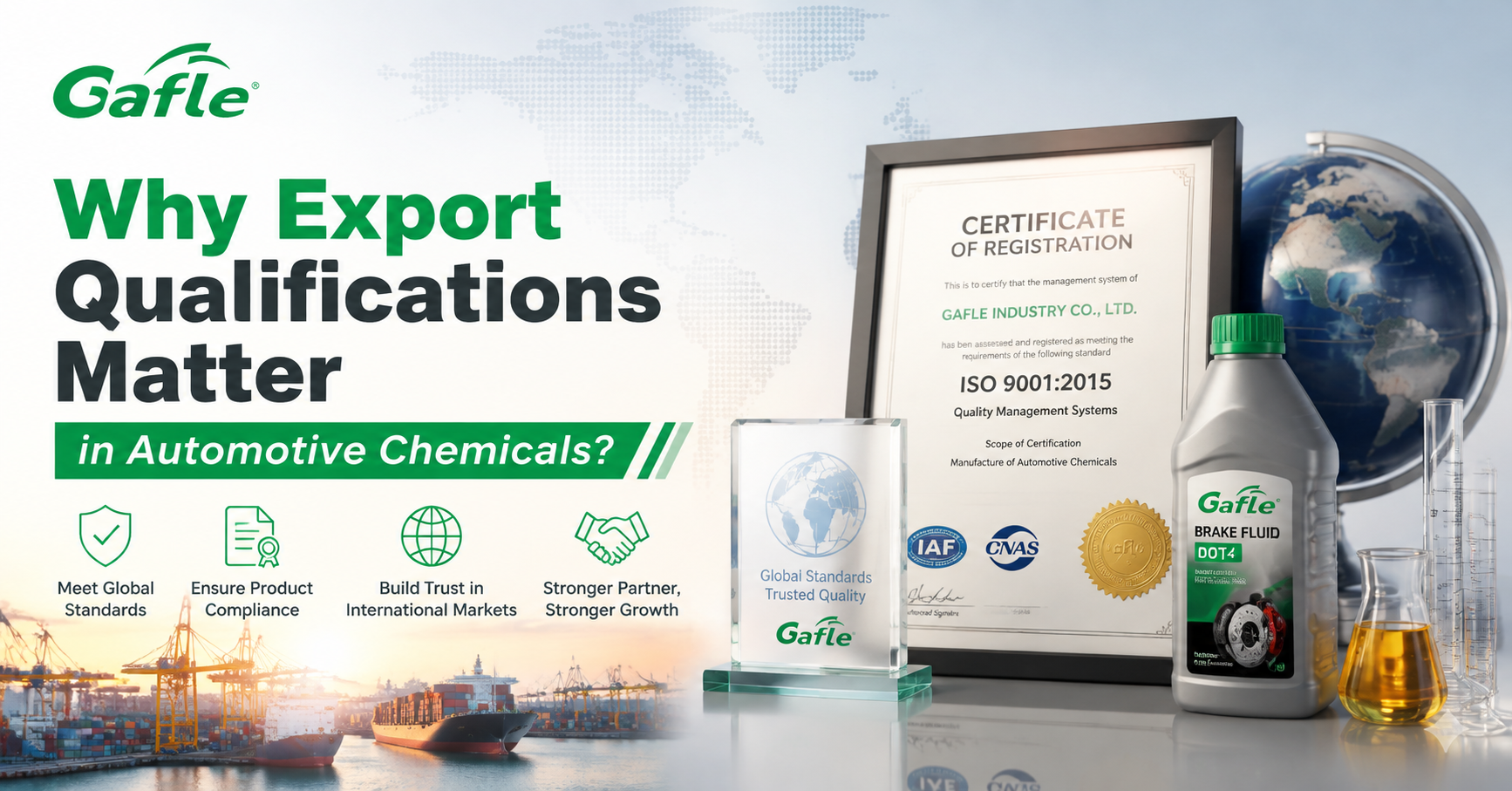
At Gafle, quality control is integrated into every stage of production, from raw material selection and formula development to final product inspection.
6. How Manufacturers Improve Brake Fluid Boiling Point Performance
Developing high-performance brake fluid requires professional formulation technology and manufacturing experience.
Key factors affecting boiling point performance include:
Raw Material Selection
High-quality raw materials help improve thermal stability and product consistency.
Formula Development
Professional formulation design balances boiling point, viscosity, corrosion resistance, and compatibility.
Manufacturing Control
Precise production processes help maintain stable performance between different batches.
With years of experience in brake fluid production, Gafle continuously improves manufacturing processes to provide reliable automotive fluid solutions.
7. Why Choose Gafle as Your Brake Fluid Partner?
For importers, distributors, and automotive brands, choosing the right brake fluid manufacturer is essential.
Gafle provides:
- Professional brake fluid manufacturing experience
- Stable product quality
- Strict laboratory testing
- OEM and private label solutions
- Global export support
By focusing on brake fluid technology and quality management, Gafle helps international partners provide reliable products to their customers.
Conclusion: Choosing Brake Fluid with the Right Boiling Point
Brake fluid boiling point is one of the most important factors affecting braking system performance.
Understanding the difference between dry boiling point, wet boiling point, DOT specifications, and high-temperature performance helps buyers make better product decisions.
For companies looking for a reliable brake fluid supplier, working with an experienced manufacturer ensures better quality control, stable supply, and long-term cooperation.
With professional manufacturing capabilities and global market experience, Gafle continues to provide high-quality brake fluid solutions for customers worldwide.