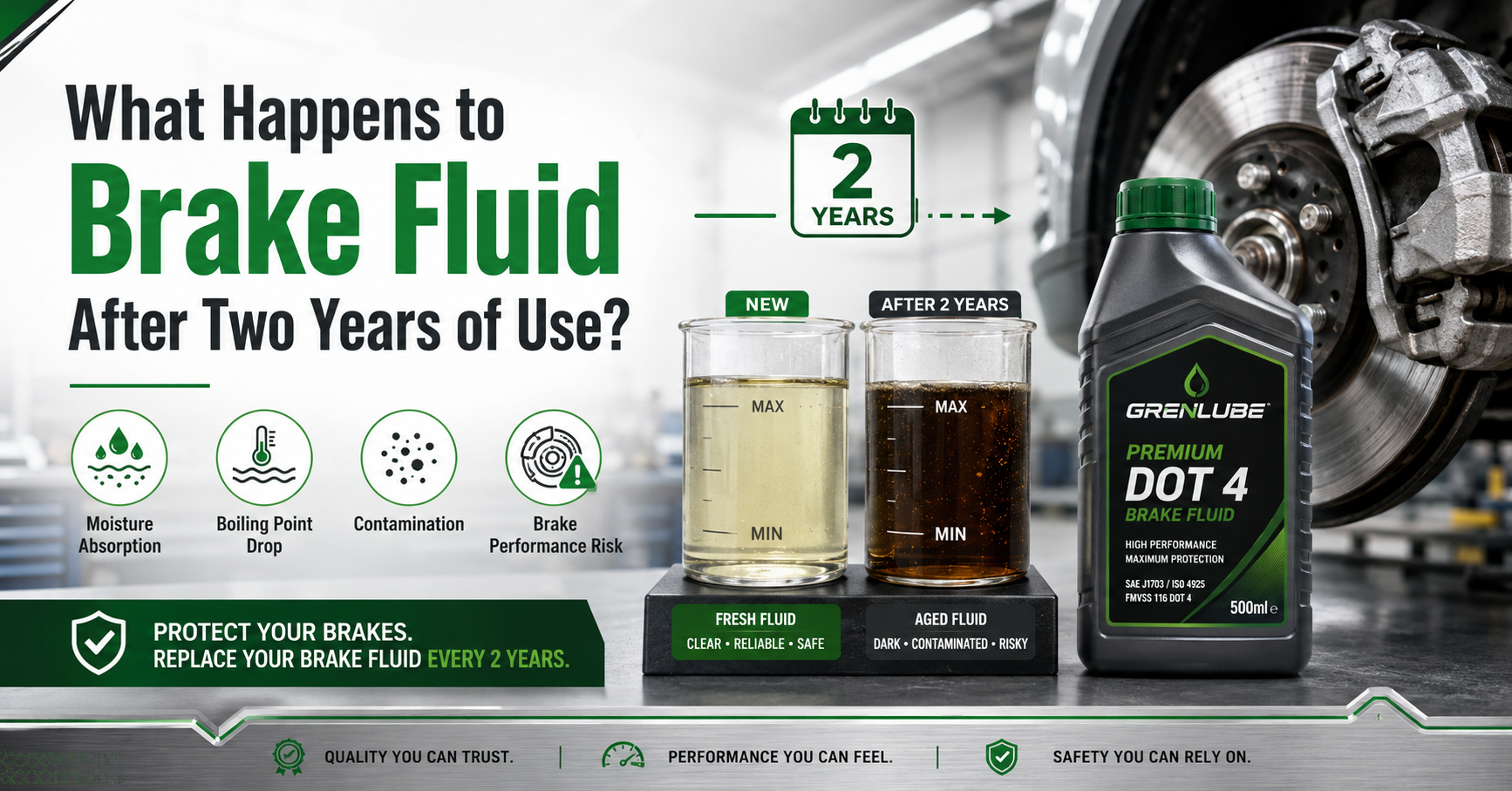
 What Happens to Brake Fluid After Two Years of Use?
Brake fluid is one of the most important fluids in a vehicle's braking system, yet it is often overlooked during routine maintenance. While engine oil is changed regularly, many drivers forget that brake fluid also has a recommended service interval. Over time, even high-quality brake fluid gradually changes due to normal use and environmental exposure.
So, what happens to brake fluid after two years of use? Does it really need to be replaced if the vehicle seems to brake normally?
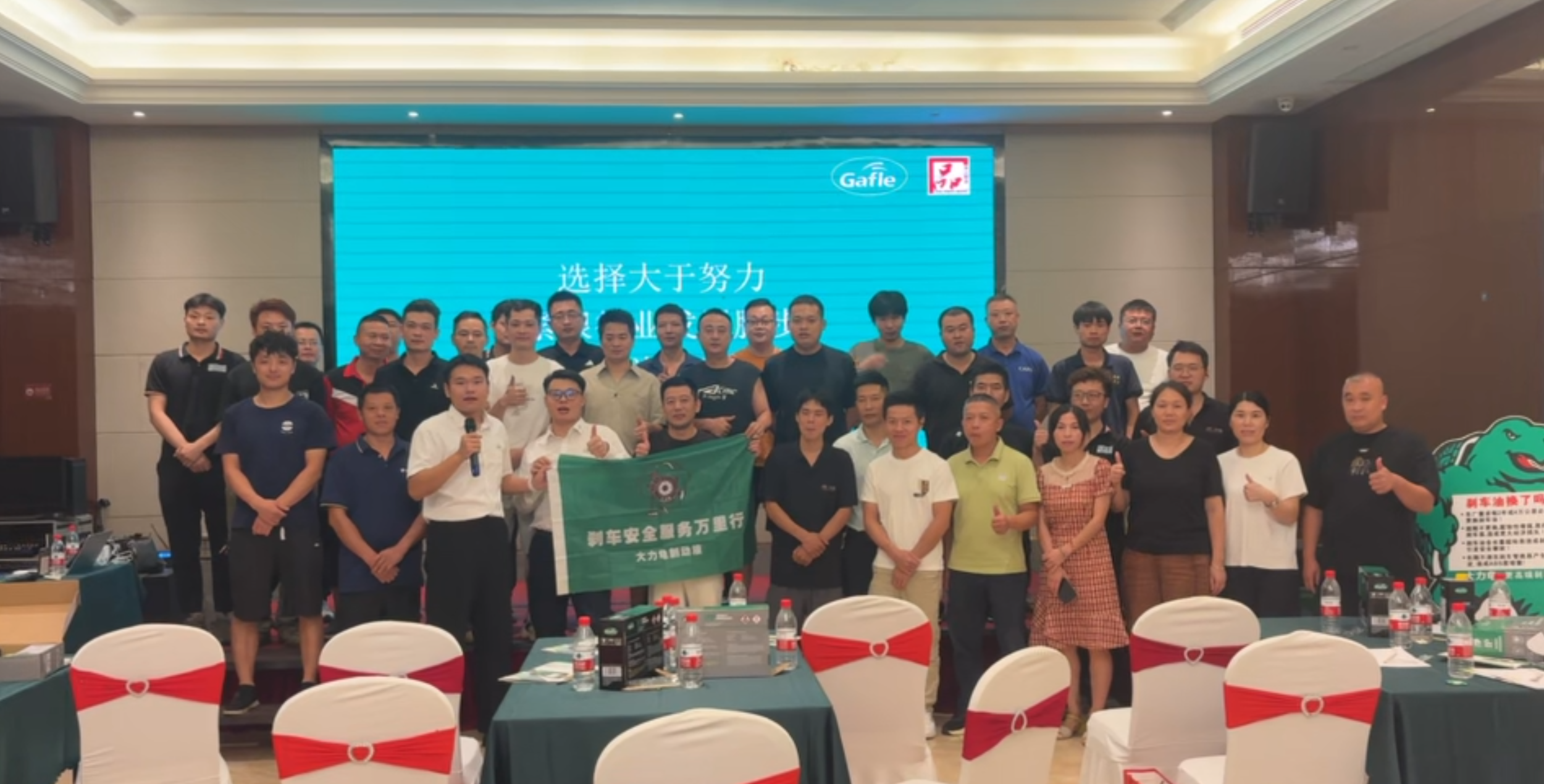
As a professional Brake Fluid Manufacturer, Gafle has over 20 years of experience producing high-quality brake fluids for global distributors, OEM brands, and automotive professionals. In this article, we'll explain what happens to brake fluid over time, why regular replacement is important, and how choosing a reliable manufacturer helps ensure long-term braking performance.
Why Does Brake Fluid Change Over Time?
Brake fluid is a hygroscopic hydraulic fluid, meaning it naturally absorbs small amounts of moisture from the surrounding environment over time.
Although the braking system is designed to be sealed, moisture can gradually enter through:
- Rubber brake hoses
- Reservoir vents
- Seals and fittings
- Routine maintenance procedures
As moisture content increases, the physical properties of the brake fluid begin to change.
This is why regular Brake Fluid Change is recommended—even if no obvious braking problems are present.
What Happens to Brake Fluid After Two Years?
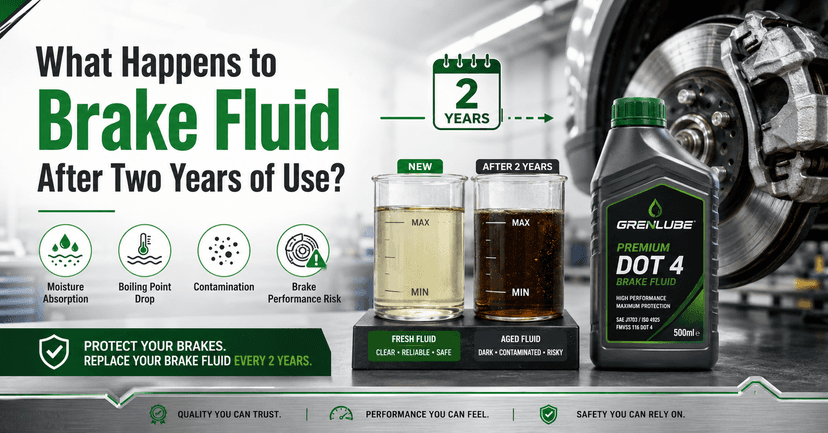
After approximately two years of normal use, brake fluid may experience several changes depending on driving conditions, climate, and vehicle maintenance.
1. Moisture Content Increases
One of the biggest changes is the gradual absorption of moisture.
Excess moisture can affect the fluid's ability to perform under demanding braking conditions.
The longer brake fluid remains in service, the greater the possibility of moisture contamination.
2. Boiling Point Gradually Decreases
Fresh brake fluid is formulated to perform under high temperatures generated during braking.
As moisture accumulates, its boiling point can gradually decrease.
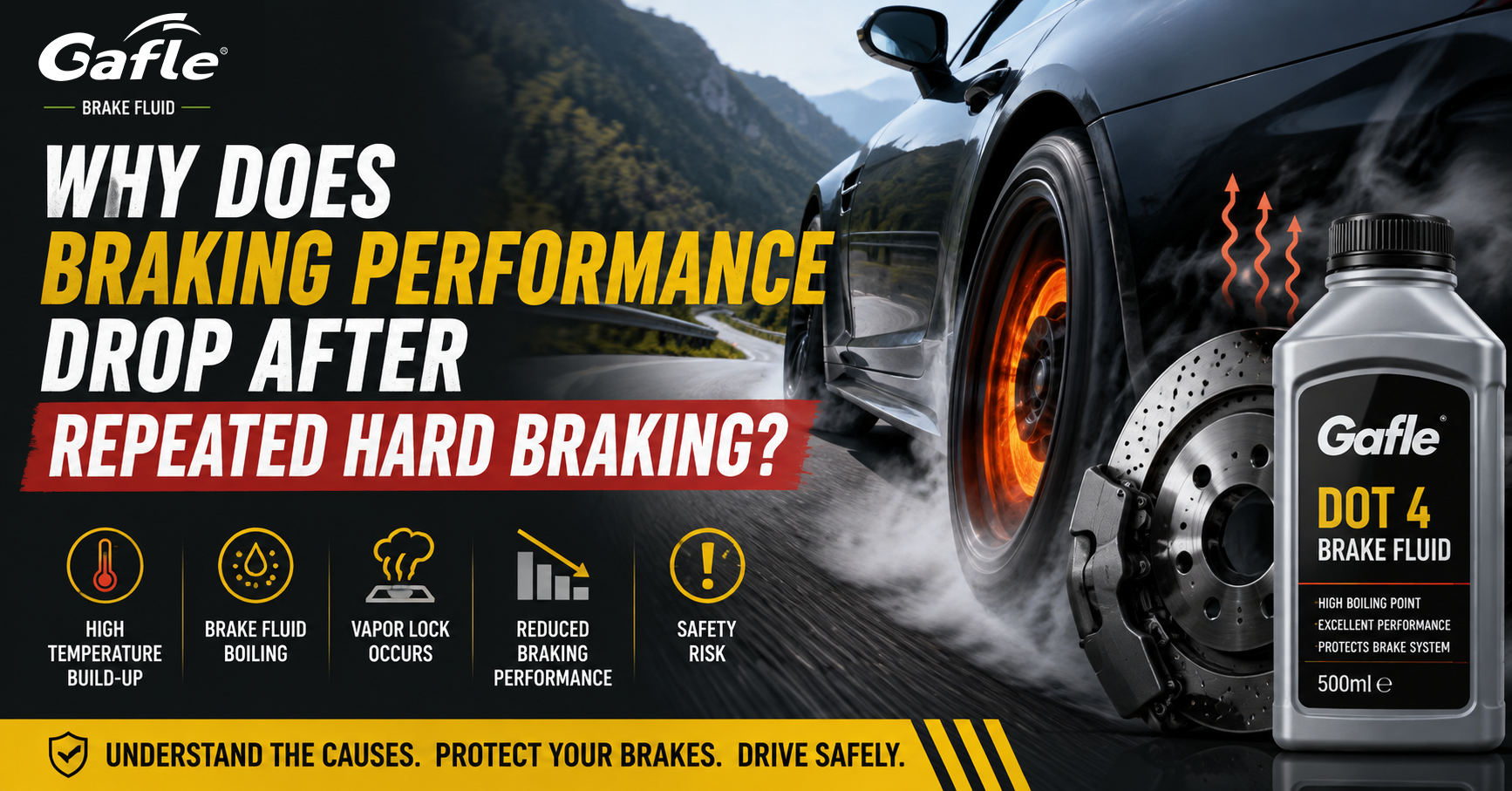
Under repeated or heavy braking, especially on mountain roads or in high-temperature environments, lower boiling points may reduce braking efficiency.
3. Internal Corrosion May Develop
Moisture inside the braking system can contribute to corrosion of internal metal components, including:
- Brake lines
- Master cylinder
- Brake calipers
- ABS hydraulic components
Over time, corrosion can increase maintenance requirements and shorten component service life.
4. Hydraulic Performance May Become Less Stable
Brake fluid transfers hydraulic pressure from the brake pedal to the braking system.
As the fluid ages, braking response may become less consistent, particularly under demanding driving conditions.
Maintaining fresh brake fluid helps preserve predictable braking performance.
5. Contaminants Can Accumulate
During normal vehicle operation, very small amounts of wear particles and contaminants may enter the brake fluid.
While modern braking systems are designed to minimize contamination, replacing old brake fluid helps maintain a cleaner hydraulic system.
Common Signs That Brake Fluid Needs Replacement
Many drivers ask how to recognize aging brake fluid.
Some common signs include:
- Brake fluid appears dark or cloudy
- Brake pedal feels softer than usual
- Reduced braking response
- Longer stopping distances
- Vehicle manufacturer's recommended replacement interval has been reached
Even if no visible symptoms are present, preventive maintenance remains the best approach.
How Often Should Brake Fluid Be Changed?
One of the most frequently asked questions is How Often to Change Brake Fluid.
Although replacement intervals vary by manufacturer, a commonly accepted maintenance recommendation is:
- Every 2 years, or
- Every 40,000 kilometers (25,000 miles)
Vehicles operating under demanding conditions—such as frequent mountain driving, commercial transportation, or heavy traffic—may benefit from more frequent inspections.
Always follow the maintenance recommendations provided by the vehicle manufacturer.
Why High-Quality Brake Fluid Matters
Not all brake fluids offer the same level of performance or manufacturing consistency.
High-quality brake fluid should provide:
Stable Hydraulic Performance
Reliable pressure transmission throughout the braking system.
High Boiling Point
Maintaining braking performance during demanding driving conditions.
Corrosion Protection
Helping protect internal braking system components.
Consistent Manufacturing Quality
Ensuring stable performance from one production batch to the next.
Choosing high-quality brake fluid helps improve braking reliability while reducing long-term maintenance costs.
The Importance of DOT 4 Brake Fluid
For many modern passenger vehicles, DOT 4 Brake Fluid is widely recommended because of its higher performance characteristics compared with DOT 3.
DOT 4 brake fluid is commonly used in:
- Passenger cars
- SUVs
- Pickup trucks
- Commercial vehicles
- Vehicles operating under higher braking temperatures
Always select the brake fluid specification recommended by the vehicle manufacturer.
How to Choose the Best Brake Fluid Manufacturer in China
Many importers and distributors searching for the Best Brake Fluid Manufacturer in China understand that product quality depends on more than the brake fluid specification alone.
A reliable manufacturer should offer:
- Extensive manufacturing experience
- Professional laboratory testing
- Stable product formulations
- Strict quality management
- OEM manufacturing capability
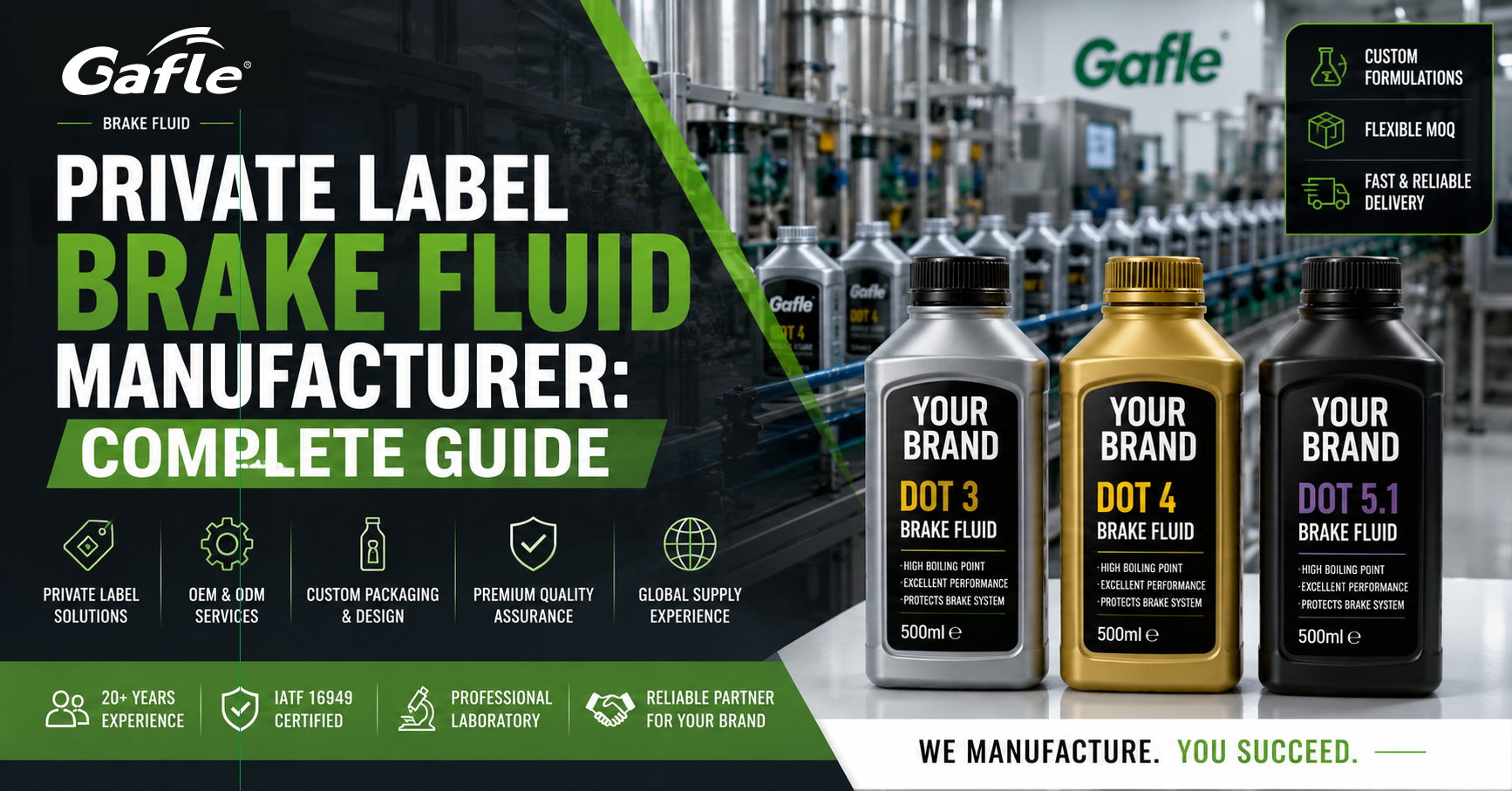
- Private label solutions
- Modern production facilities
- Stable production capacity
- Global export experience
- Long-term technical support
Choosing an experienced manufacturing partner helps reduce sourcing risks while improving customer satisfaction.
Why Global Customers Choose Gafle
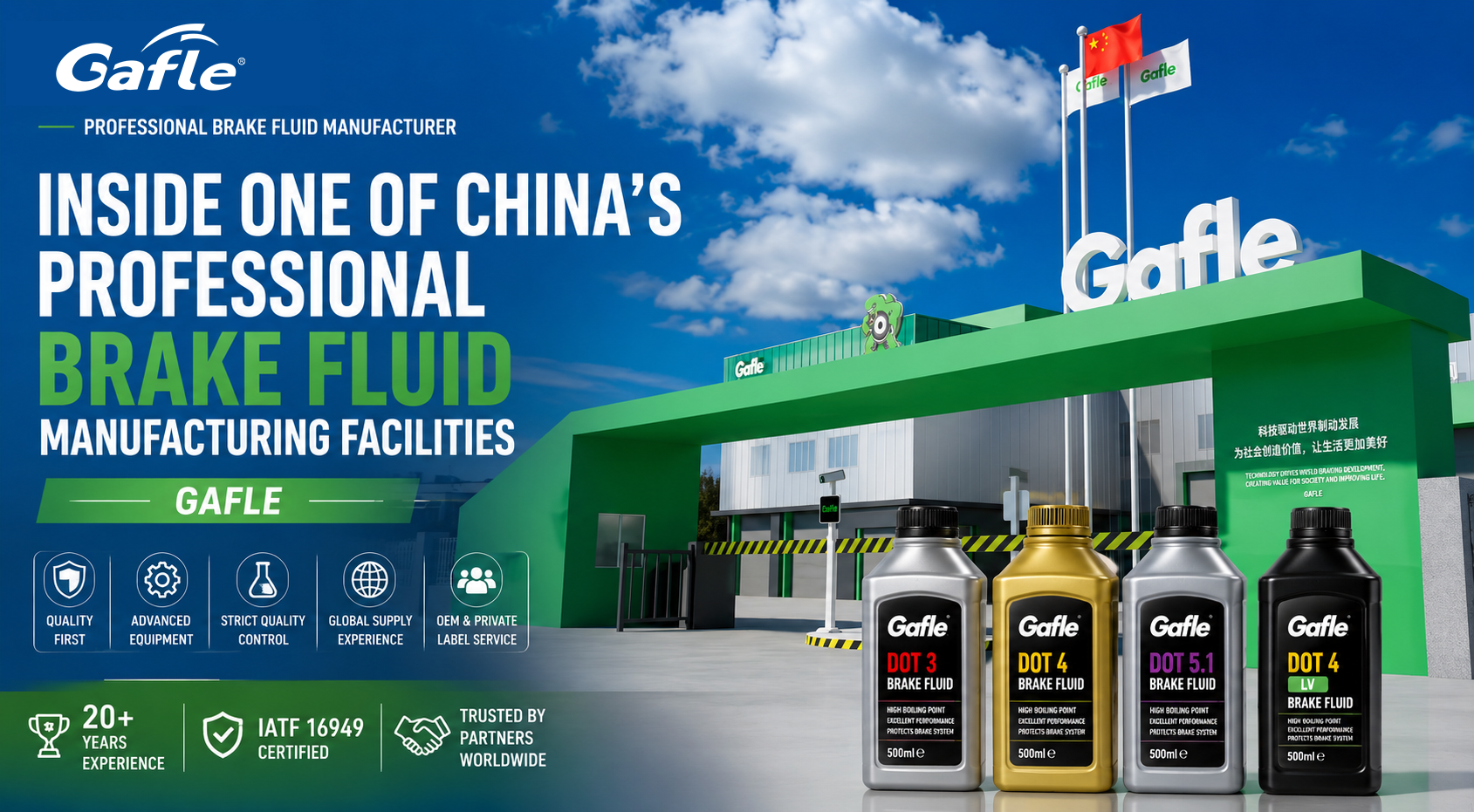
As a trusted Brake Fluid Manufacturer, Gafle supplies premium brake fluid solutions to customers around the world.
Our strengths include:
- 20+ Years of Dedicated Brake Fluid Manufacturing Experience
- DOT 3 and DOT 4 Brake Fluid Production
- Modern Manufacturing Facilities
- Professional Laboratory Testing
- Strict Quality Management
- IATF 16949 Quality Management System
- OEM Brake Fluid Manufacturing
- Private Label Solutions
- Customized Bottles, Labels, and Cartons
- Stable Production Capacity
- Global Export Experience
- Participation in Drafting China's National Brake Fluid Standards
Whether you're expanding your product line or building your own brand, Gafle provides dependable manufacturing solutions backed by professional expertise.
Frequently Asked Questions
What happens to brake fluid after two years?
Brake fluid gradually absorbs moisture over time, which can reduce its boiling point, affect hydraulic performance, and increase the possibility of internal corrosion if maintenance is neglected.
How often should brake fluid be changed?
Most vehicle manufacturers recommend replacing brake fluid approximately every 2 years or 40,000 kilometers (25,000 miles), depending on vehicle usage and operating conditions.
Can old brake fluid affect braking performance?
Yes. As brake fluid ages and absorbs moisture, braking performance may become less consistent, especially during repeated or high-temperature braking.
Is DOT 4 brake fluid better than DOT 3?
DOT 4 generally provides higher boiling point performance than DOT 3 and is widely specified for many modern vehicles. Always follow the manufacturer's recommendation.
How should buyers choose the Best Brake Fluid Manufacturer in China?
Buyers should evaluate manufacturing experience, laboratory testing, OEM capability, production consistency, quality management systems, export experience, and long-term partnership value instead of focusing only on price.
Conclusion
Brake fluid does not remain in its original condition forever. After approximately two years of use, it may gradually absorb moisture, experience reduced boiling point performance, and provide less effective protection for the braking system.
Regular Brake Fluid Change is a simple but essential maintenance practice that helps maintain braking performance, protect key hydraulic components, and improve long-term vehicle reliability.
For businesses searching for the Best Brake Fluid Manufacturer in China, choosing an experienced manufacturer with advanced production technology, strict quality management, professional laboratory testing, and dependable OEM services is equally important.
With more than 20 years of dedicated manufacturing experience, Gafle continues to provide premium brake fluid products, customized OEM solutions, and reliable manufacturing support for distributors, importers, and automotive brands worldwide.
At Gafle, we believe that replacing brake fluid at the right time—and choosing the right manufacturing partner—are both essential steps toward safer driving and long-term business success.