The latest news on Gafle.
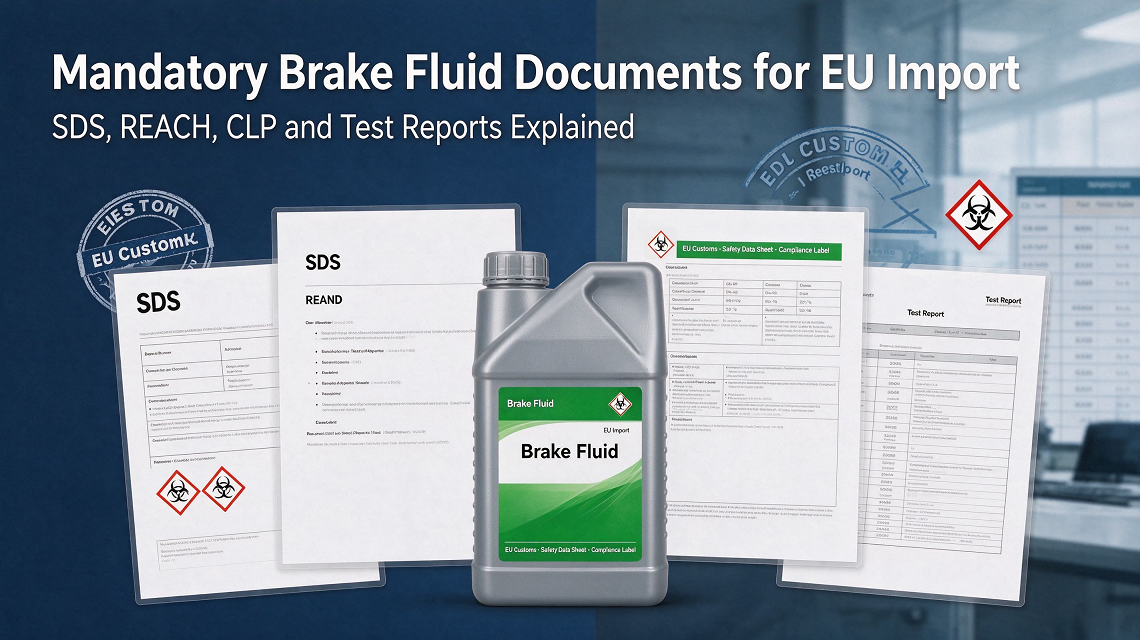
1. What Brake Fluid Documents Are Mandatory for EU Import 2. 1. The Chemical Compliance Dossier: REACH and SDS 3. 2. Hazard Communication: CLP and Poison Centre Notification 4. 3. Technical Performance and Conformity Records 5. Quick-Reference Matrix: Mandatory Import Filings 6. 4. Standard Commercial and Customs Paperwork 7. Common Pitfalls in Fluid Importation 8. Frequently Asked Questions 9. Next Steps for Procurement Teams
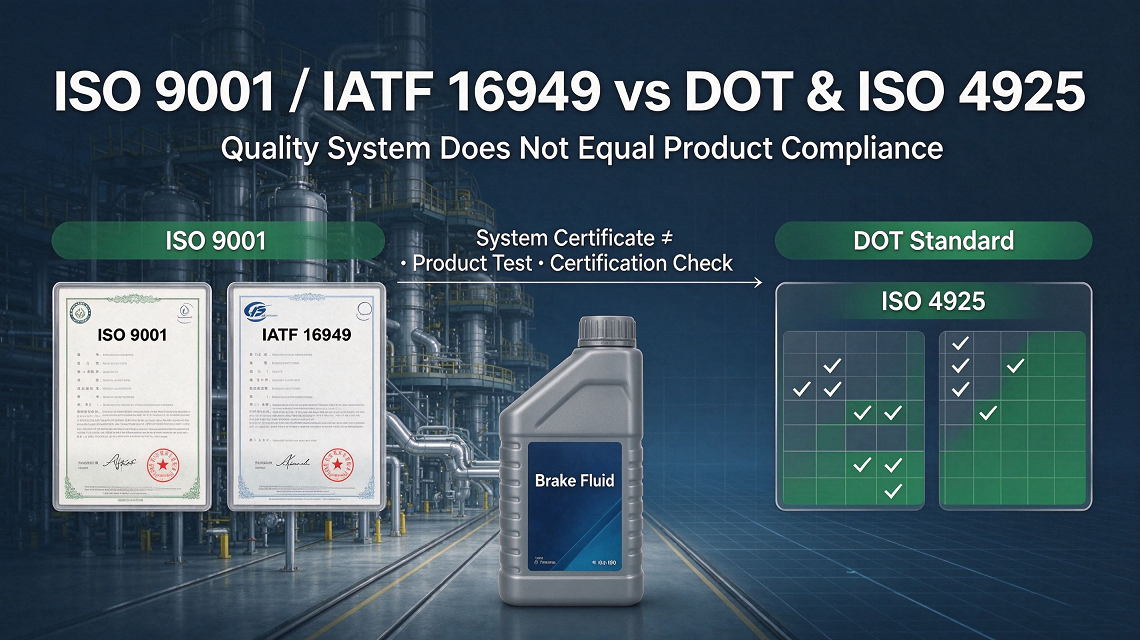
1. The Fundamental Distinction: Process vs. Performance 2. DOT and ISO 4925: Exacting Physical Benchmarks 3. Is ISO9001 Enough for DOT Brake Fluid? 4. What Sourcing Teams Must Actually Request 5. Common Procurement Traps 6. Actionable Takeaway for Buyers
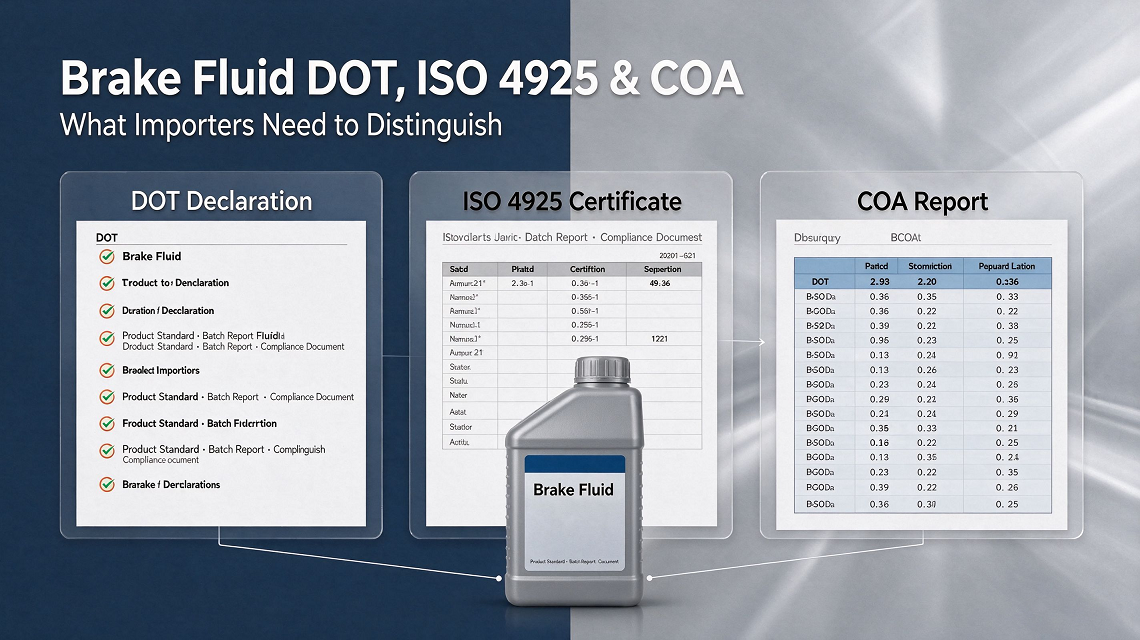
1. The DOT Declaration: Legal Market Entry and Regulatory Responsibility 2. The COA Report: Verification of the Physical Batch 3. Where ISO 4925 Fits into the Documentation Matrix 4. Comparative Reference: DOT Filing vs. COA vs. ISO Certificate 5. Structuring Brake Fluid Compliance Documents for Importers 6. Frequently Asked Questions 7. Auditing Your Brake Fluid Documentation
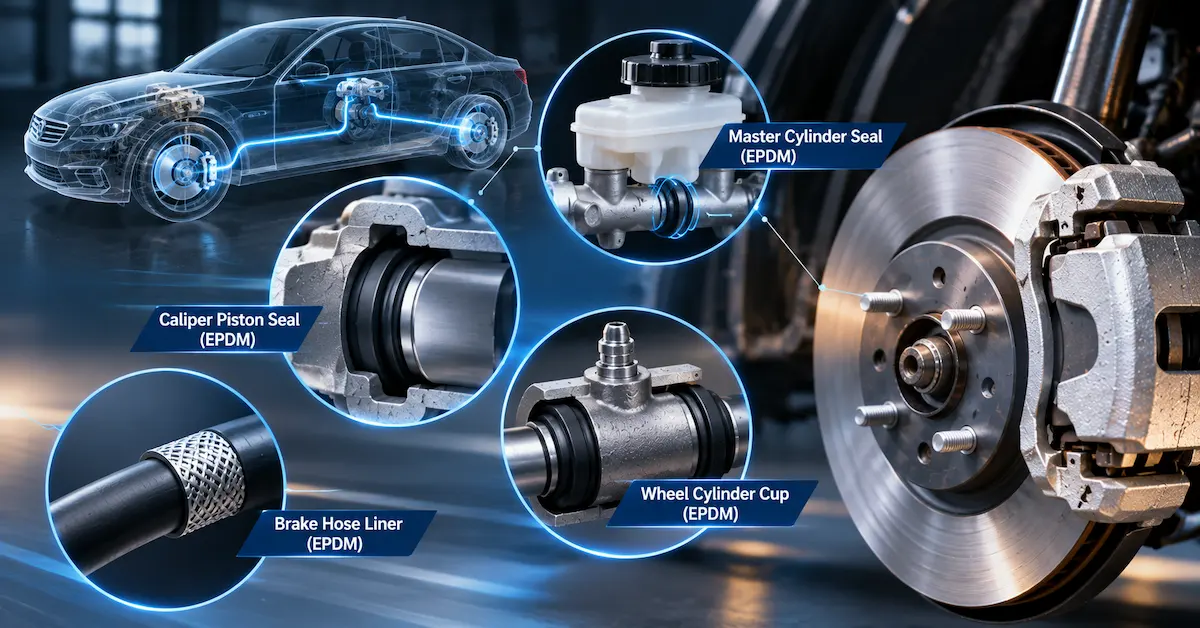
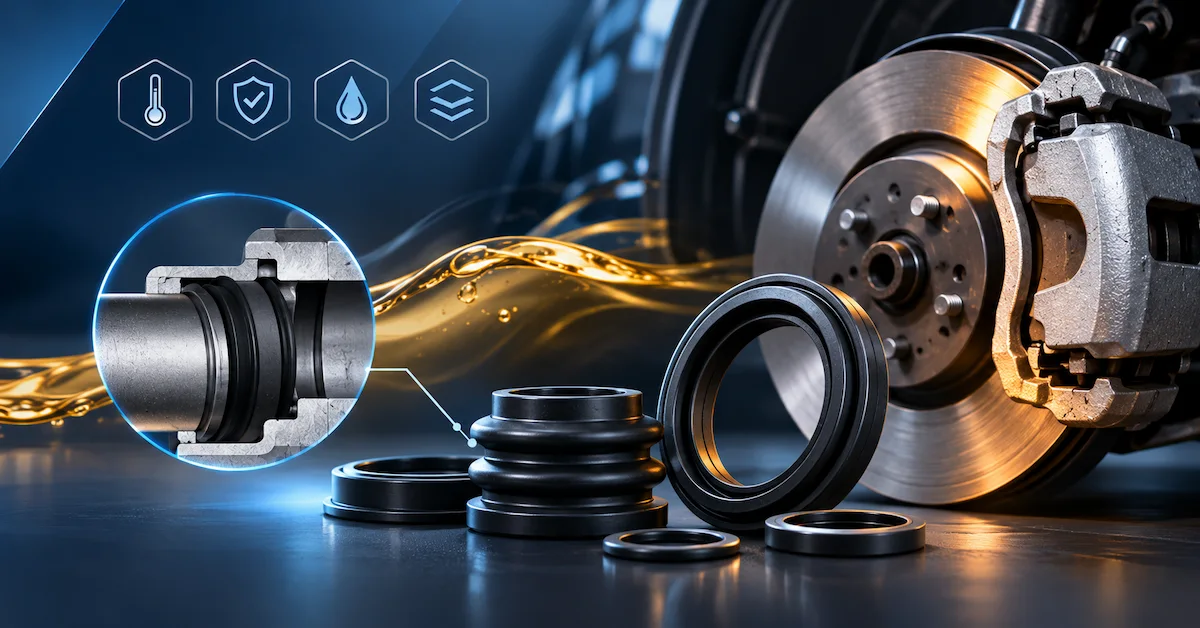
Brake fluid EPDM seals require more than basic rubber compatibility testing to ensure reliable hydraulic brake system performance. This guide helps OEM engineers, automotive fluid importers, and purchasing managers evaluate EPDM material properties, seal swelling, laboratory testing, and assembly-level validation while exploring GAFLE brake fluid sourcing solutions.
Brake fluid rubber compatibility is a critical purchasing requirement because an unsuitable fluid can change seal dimensions, hardness, and hydraulic performance. This guide explains EPDM and SBR seal behavior, FMVSS No. 116 testing, ISO 4925 requirements, and the technical evidence importers, automotive engineers, and private-label buyers should request before approving GAFLE brake fluid for bulk supply.
An ISO 9001 automotive chemical supplier should be assessed by how effectively its quality management system controls the products being purchased—not simply by the certificate displayed on its website. This guide helps automotive fluid importers, distributors, and private-label brands verify ISO 9001:2026 transition requirements, certificate scope, product-specific testing, batch traceability, packaging quality, and OEM manufacturing capabilities before establishing long-term supply relationships with GAFLE.
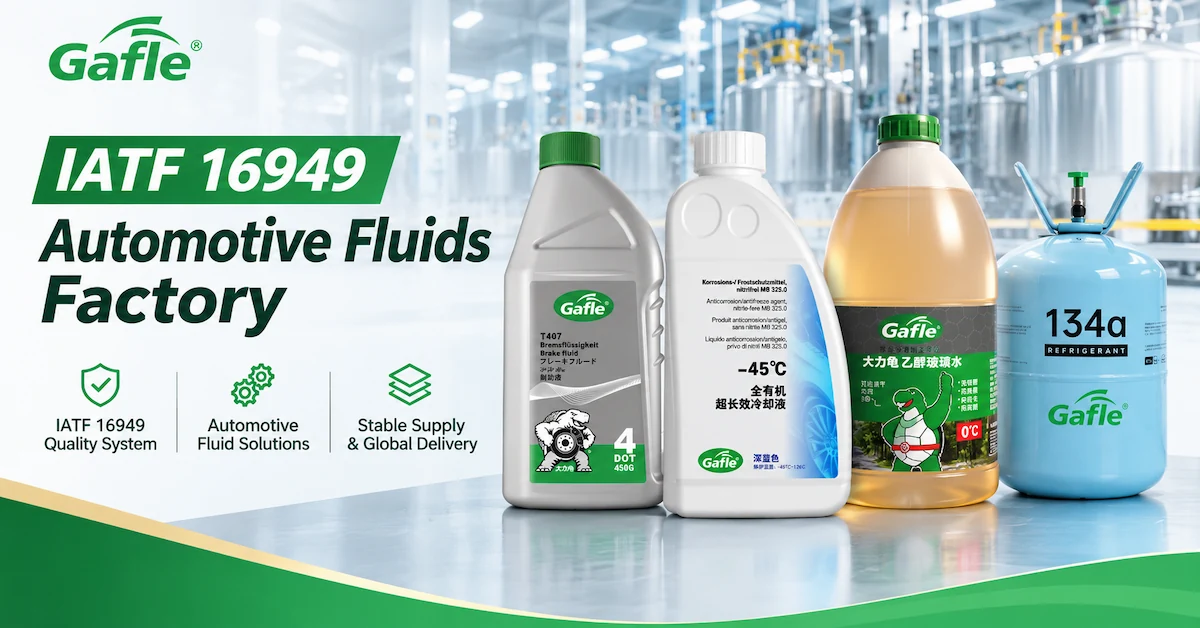
An IATF 16949 automotive fluids factory should be evaluated by what its certification actually covers, not simply by a certificate displayed on its website. This guide helps automotive-fluid importers, distributors and private-label brands verify factory quality systems, product-specific testing, batch traceability and OEM manufacturing capabilities across brake fluid, coolant, washer fluid and refrigerant products.
Choosing a brake fluid TDS supplier requires evidence that the technical data sheet matches the exact formulation, claimed standards, and product being purchased. This guide helps automotive fluid importers, distributors, and private-label brands verify DOT 3/4/5.1 performance data, distinguish TDS from SDS and batch COA documents, and build a reliable technical approval process before sourcing from GAFLE.
Home
Product
Contact
Inquiry