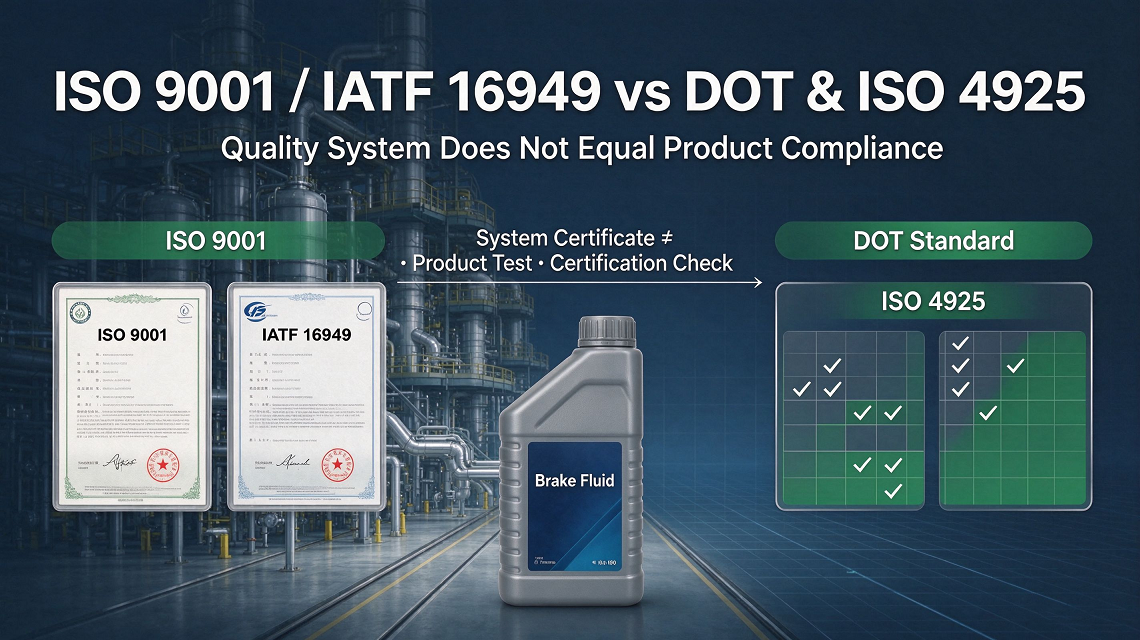
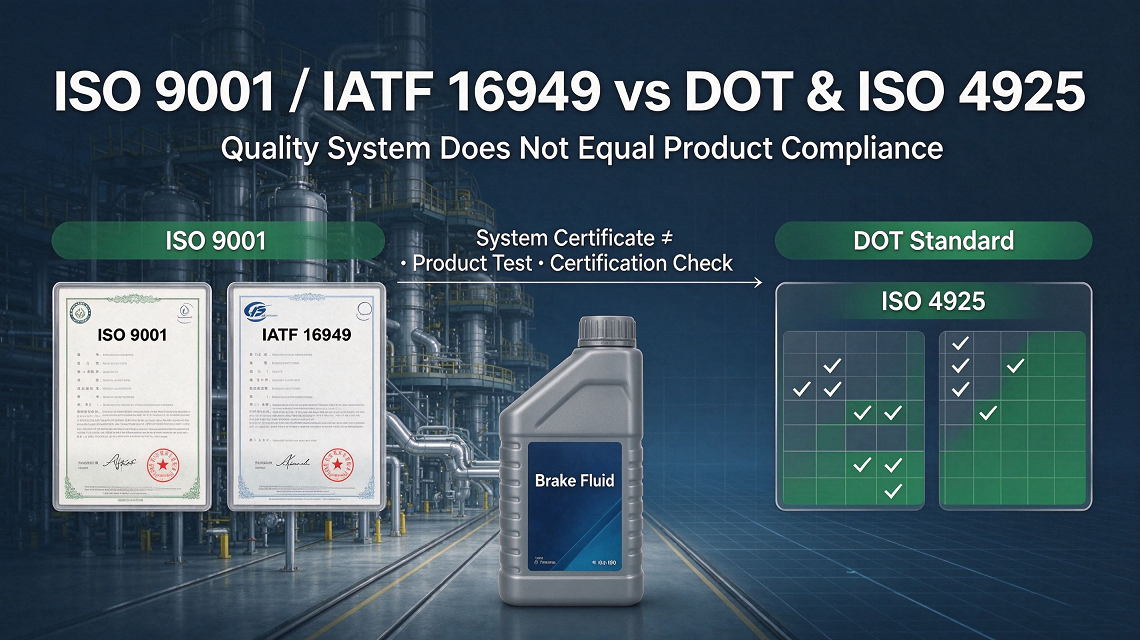
A recurring point of friction in automotive chemical procurement is whether an ISO 9001 or IATF 16949 mean brake fluid meets DOT and ISO 4925 standards. Sourcing agents routinely receive a corporate audit certificate from an overseas toll blender, file it under compliance, and assume the fluid shipped in drums or consumer bottles meets regulatory requirements. That assumption is not just technically incorrect; it exposes importers and private-label distributors to severe commercial liability.
The Fundamental Distinction: Process vs. Performance
To understand why this confusion persists, we have to look at what these credentials actually assess. A quality system certificate like ISO 9001 verifies that an organization documents its processes, manages customer complaints, maintains calibrated instrumentation, and enforces corrective actions. IATF 16949 builds on that baseline for the automotive tier-supplier ecosystem, adding rigorous mandates around risk management, defect prevention, and product safety.
Neither document, however, tests chemical properties. An auditor evaluating a blending plant under IATF 16949 confirms that the plant follows documented batching instructions and tracks lot numbers. The auditor does not test whether the polyglycol ether blend inside the packaging has an equilibrium reflux boiling point (ERBP) above 260°C or whether it degrades EPDM rubber seals under high temperatures. That is entirely outside the audit's scope.
DOT and ISO 4925: Exacting Physical Benchmarks
By contrast, US FMVSS No. 116 (DOT 3, DOT 4, DOT 5.1) and ISO 4925 (Class 3 through Class 7) are strict product performance standards. They govern how the brake fluid behaves inside an active hydraulic braking circuit. Compliance requires verifying specific physical and chemical thresholds, including:
- Dry and Wet ERBP: Ensuring boiling points remain safely above fluid vaporisation thresholds even after absorbing ambient moisture over time.
- Low-Temperature Kinematic Viscosity: Critical for modern ABS and ESP actuators, which mandate fluid flow limits at -40°C (such as the sub-750 mm²/s ceiling under ISO 4925 Class 6).
- Corrosion Resistance and Chemical Stability: Measuring how the fluid reacts with tinplate, steel, cast iron, aluminum, brass, and copper strips over prolonged heating cycles.
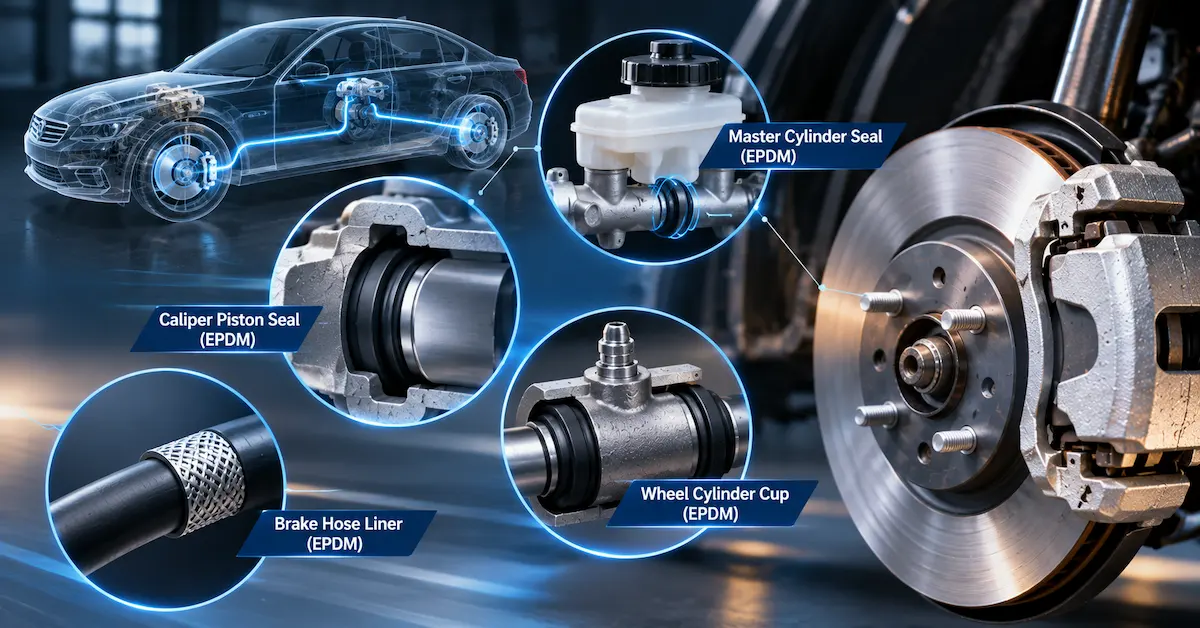
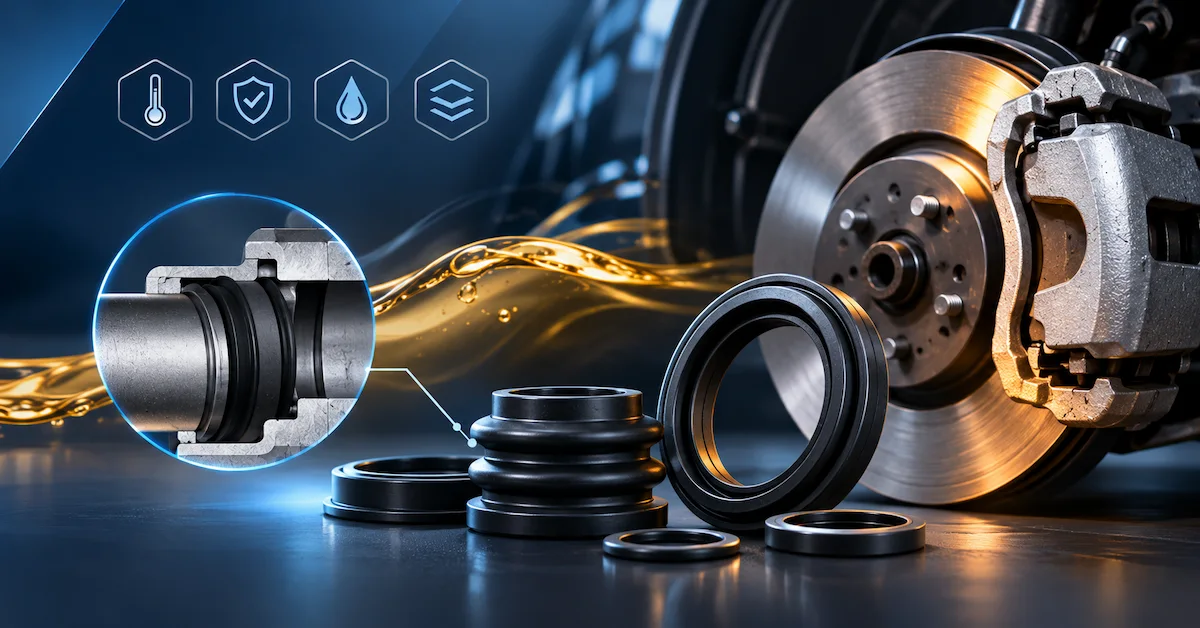
- Elastomer Compatibility: Monitoring volume swelling, hardness change, and disintegration of standard SBR and EPDM test cups.
A factory can hold an immaculate IATF 16949 registration and still produce a batch of hydraulic fluid that strips brake caliper seals or vapor locks under heavy descent braking if the corrosion inhibitor package was poorly formulated.
Is ISO9001 Enough for DOT Brake Fluid?
When buyers ask, is ISO9001 enough for DOT brake fluid, the short answer is no. ISO 9001 confirms managerial hygiene, not chemical safety. A standard certification of quality management is an administrative prerequisite for vetting suppliers, but it cannot stand in for product testing.
Consider a standard audit failure mode: a blending facility purchases raw triethylene glycol monomethyl ether from an unvetted distributor to shave raw material margins. The facility runs the batch through calibrated mixers, tracks the packaging lots correctly, and labels the containers according to their ISO-approved work instructions. On paper, the quality management system functioned. Yet the final product fails wet boiling point requirements under FMVSS 116 §571.116 because the raw material arrived with excessive moisture content. The ISO audit does not catch that failure; only physical batch qualification does.
What Sourcing Teams Must Actually Request
If an ISO or IATF document proves only that the blender has controlled procedures, how should quality engineers and procurement leads verify actual compliance? The verification stack requires three distinct layers:
1. The Management Baseline
Keep the ISO 9001 or IATF 16949 certificate on file. It proves the plant operates consistent quality assurance systems and has traceability protocols in place should an issue arise down the line.
2. The Type Approval / Third-Party Qualification
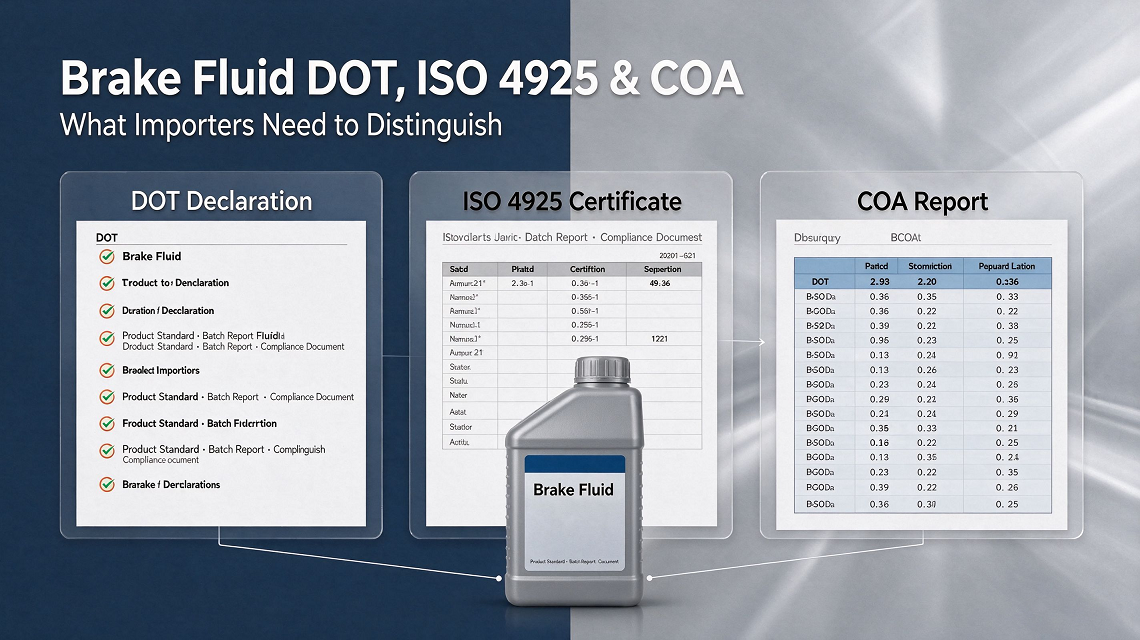
Require an independent lab test report (from institutions like AMRL, Dekra, or equivalent accredited testing bodies) showing complete formulation compliance against FMVSS 116 or ISO 4925. This multi-page report details the full battery of tests—stroking properties, oxidation resistance, water tolerance, and rubber compatibility—which typically take weeks to execute.
3. Batch-Specific Certificates of Analysis (COA)
Every single production lot shipped should come with a manufacturer COA that records actual measured metrics for that run, not theoretical spec sheets. At a minimum, this should list dry ERBP, wet ERBP, pH, water content (Karl Fischer titration), and kinematic viscosity at both -40°C and 100°C.
Common Procurement Traps
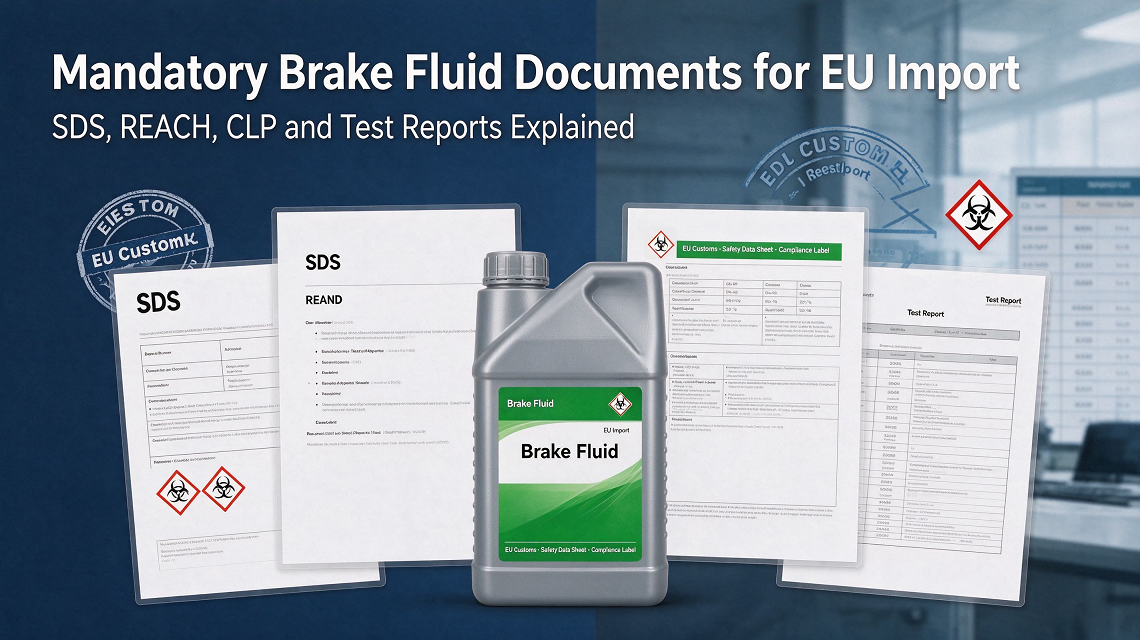
One frequent mistake is accepting a supplier's marketing brochure stamped with "Meets DOT 4 / ISO 4925" alongside an attached ISO certificate. Legally and practically, a declaration of conformity written by the supplier is not independent verification.
Another overlooked detail involves packaging stability. Brake fluid is intensely hygroscopic. Even if a batch meets ISO 4925 Class 6 at the blend tank outlet, poor barrier properties in the chosen metal cans or HDPE bottles will allow moisture permeation during maritime transit. While an IATF 16949 audit evaluates packaging operations, it does not validate package shelf-life moisture ingress rates. That duty falls on your own quality assurance sampling upon customs clearance.
Actionable Takeaway for Buyers
Treat your supplier's quality system certificate as their license to quote, not their proof of product performance. Before releasing purchase orders for private label or bulk hydraulic fluids, request the most recent full-spectrum test report for the specific formulation being ordered, and confirm that their in-house laboratory actively measures wet boiling points on every blending run rather than calculating them on a spreadsheet.
Welcome to contact GAFLE for more information & cooperation!
peter
ZHEJIANG GAFLE AUTO CHEMICL CO.,LTD
Tel:86-579-8222 1665
Fax:86-579-8246 4690
Cel/Wechart:86-13335993986
E-mail:peter@gafle.net
Web:www.gafle.net