Choosing an Automotive Chemicals Manufacturer Is Really a Risk Decision
An Automotive Chemicals Manufacturer is not just a vendor name on a spec sheet. For engineering teams, procurement managers, and product developers, the wrong choice can turn a routine sourcing item into a quality, warranty, or logistics problem. That is especially true for fluids and functional chemicals where small variations in formulation, packaging, contamination control, or documentation can affect performance downstream.
If you are evaluating a new source, the real question is not simply who can supply product. It is who can supply the right product consistently, with the documentation, process discipline, and export readiness your business actually needs. That is where the conversation around an automotive chemical supplier becomes practical rather than promotional.
What Buyers Usually Need to Decide
Most buying teams are trying to answer three questions at once: will the chemistry perform as required, can the supplier support the volumes and regions involved, and is the business relationship stable enough to reduce interruption risk? For a brake fluid manufacturer or brake fluid supplier, that means the stakes are higher than a basic commodity purchase. The product has to fit a specific use case, and the supplier has to show it understands OEM expectations, packaging discipline, and market-specific compliance pressure.
In other words, sourcing is not just about price. It is about whether the supplier can help protect product integrity through production, storage, shipping, and customer use. That matters even more for export programs, where paperwork mistakes or unclear qualifications can slow customs clearance or create questions from buyers abroad.
Key Takeaways Buyers Should Keep in View
Before comparing suppliers line by line, it helps to separate the must-haves from the nice-to-haves. A credible automotive chemical supplier should be able to speak clearly about formulation control, batch consistency, packaging options, labeling, and traceability. If you are sourcing brake fluids specifically, you also want a supplier that can discuss application fit in plain language rather than hiding behind broad claims.
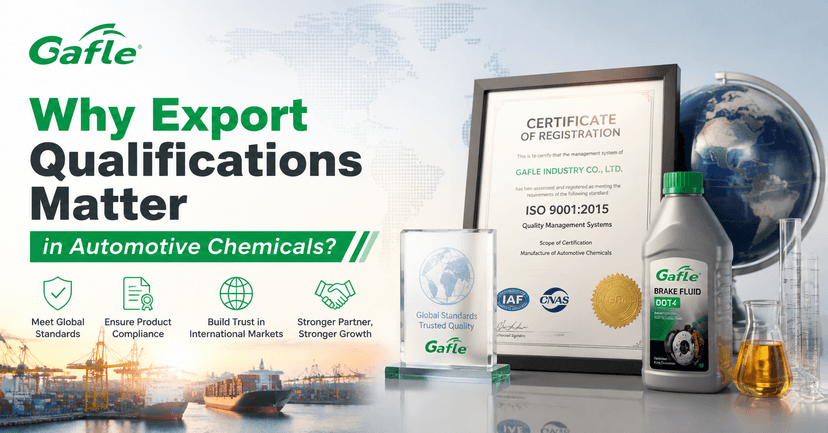
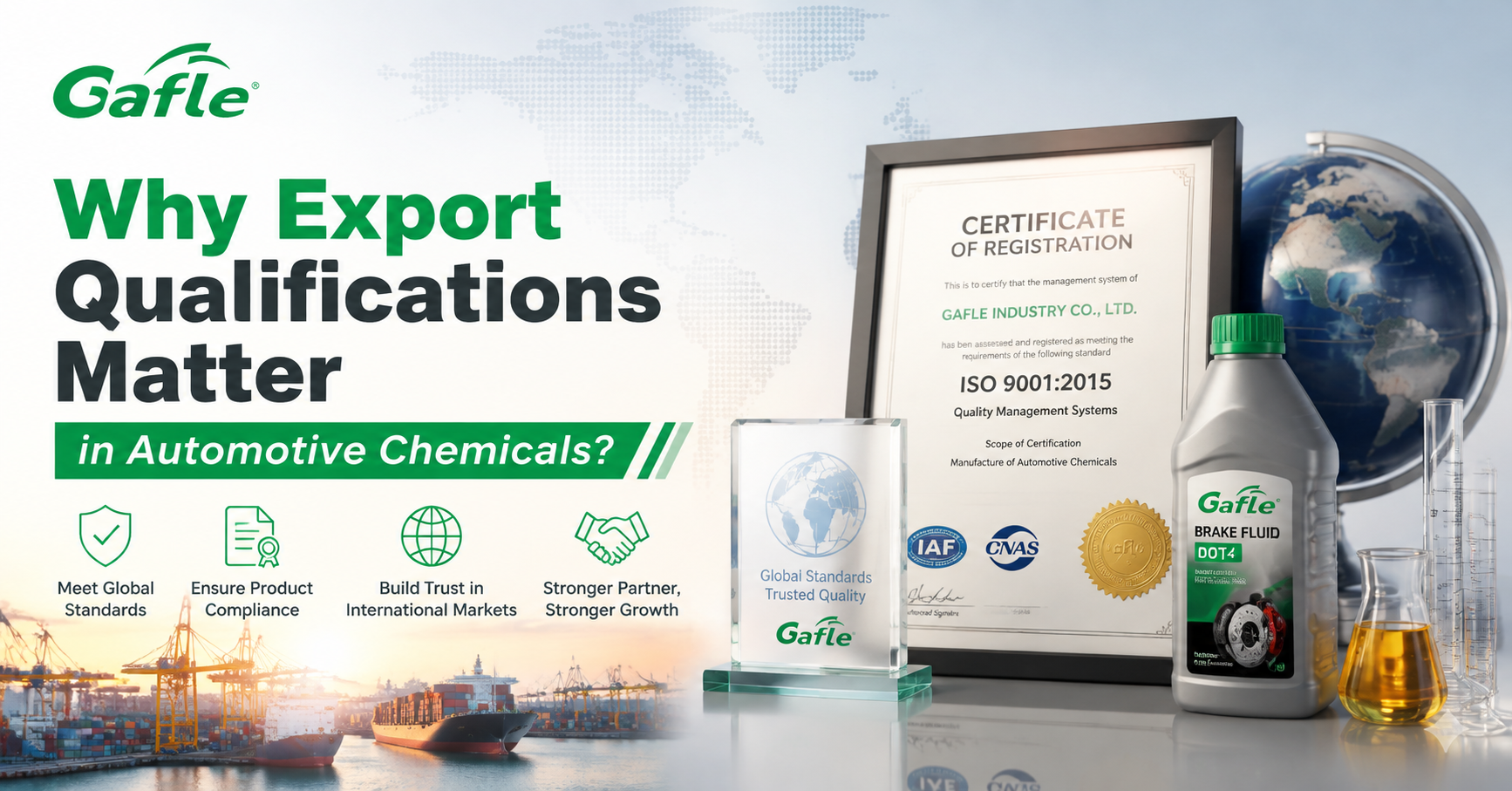
For export-oriented purchases, the question becomes sharper: why export qualifications matter in automotive chemicals? Because international trade is not only a shipping exercise. It is a documentation exercise, a compliance exercise, and sometimes a liability exercise. A brake fluid exporter that is organized on these points saves buyers from avoidable delays. A disorganized one creates noise in the supply chain, and that noise is expensive.
What to Look for in a Brake Fluid Manufacturer
Process discipline matters more than marketing language
Brake fluid is a functional product. Buyers should ask how the manufacturer manages raw material control, mixing, filling, and sealing. Clean handling matters. So does consistency from batch to batch. If the supplier cannot explain those basics, that is a warning sign, even if the sales presentation sounds polished.
Documentation should be useful, not decorative
Technical data sheets, safety information, and export documents should support the transaction, not complicate it. If your internal team has to chase missing paperwork every time, the supplier is adding overhead. Automotive chemical certifications, where applicable, should be current, understandable, and aligned with the markets being served. Buyers should be cautious here: a certificate alone does not prove operational discipline, but weak documentation often points to a deeper process gap.
Packaging and logistics deserve more attention than they get
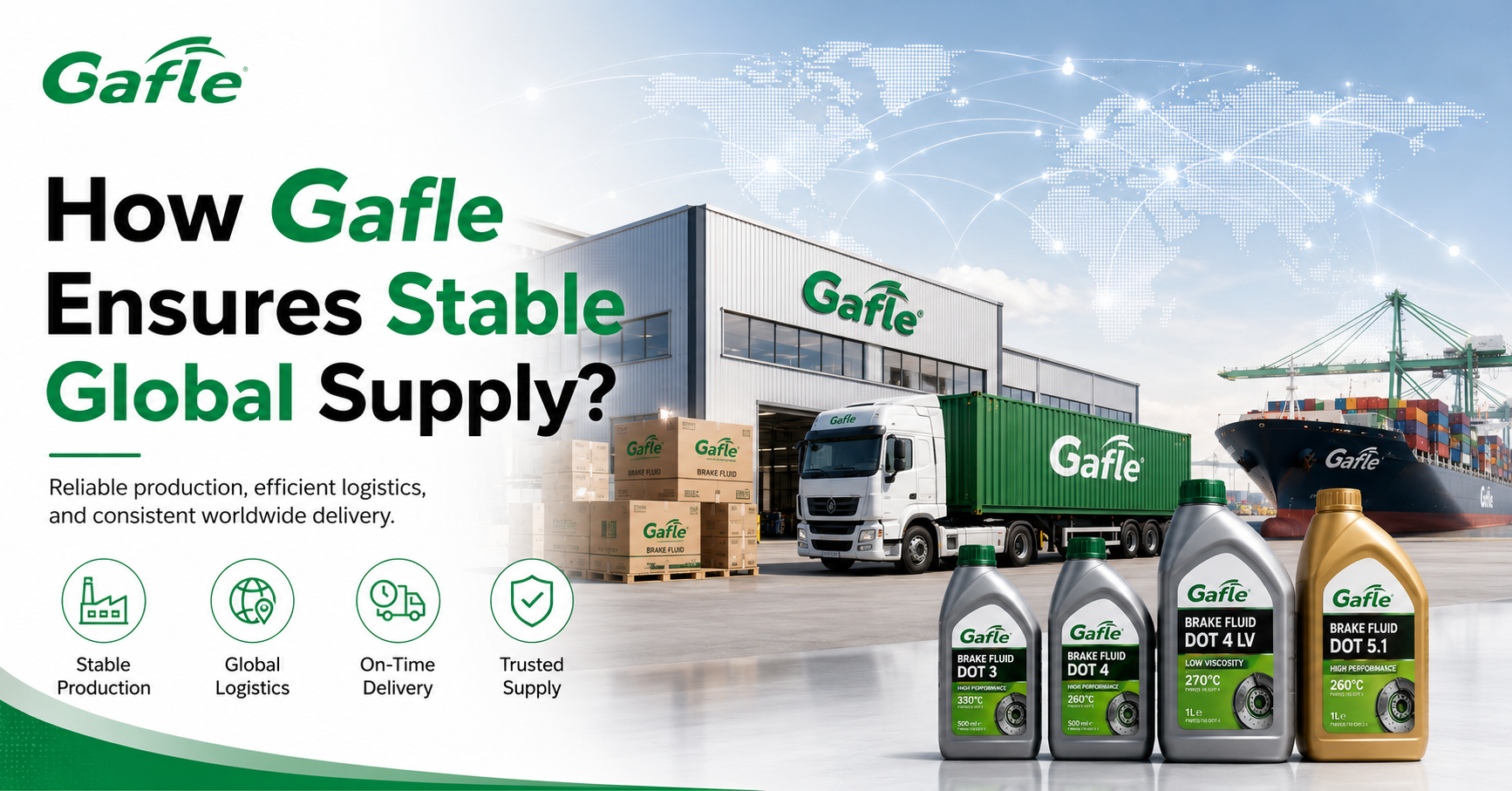
Many sourcing failures happen after the formula is approved. Containers, closures, labeling, pallet stability, and moisture protection all matter. A brake fluid supplier that understands transport realities can prevent avoidable damage and customer complaints. This is especially important when products move across borders or through multiple warehouses.
OEM Expectations Are Not the Same as General Market Supply
An OEM Brake Fluid Manufacturer is usually held to a different standard than a supplier serving only spot-buy or aftermarket demand. OEM programs tend to be less forgiving about variation, documentation gaps, and process drift. Even when the technical differences seem small on paper, the business implications are not small at all. A product that works “well enough” in one channel may still be the wrong fit for a regulated or specification-driven customer.
That is why buyers should press for clear answers on application fit, formulation stability, and the supplier’s experience with technically demanding accounts. If the supplier cannot separate general market language from OEM discipline, proceed carefully.
Common Mistakes in Supplier Selection
One common mistake is choosing the lowest quote before confirming whether the supplier can support the full commercial package. Another is assuming all automotive chemical manufacturers operate with similar controls. They do not. Capabilities vary widely, and the difference often shows up only after the first shipment or the first customer complaint.
A second mistake is treating export support as an afterthought. If a supplier is also a brake fluid exporter, that can be an advantage, but only if the export side is genuinely organized. Ask for the practical details, not just the promise.
Practical Buyer Advice
Start with the end use, then work backward. Identify the performance and documentation requirements first, then assess whether the supplier can meet them consistently. Ask for recent packaging formats, batch traceability practices, and the documents your internal team needs to approve a purchase. If possible, involve both engineering and procurement early; each group will spot different risks.
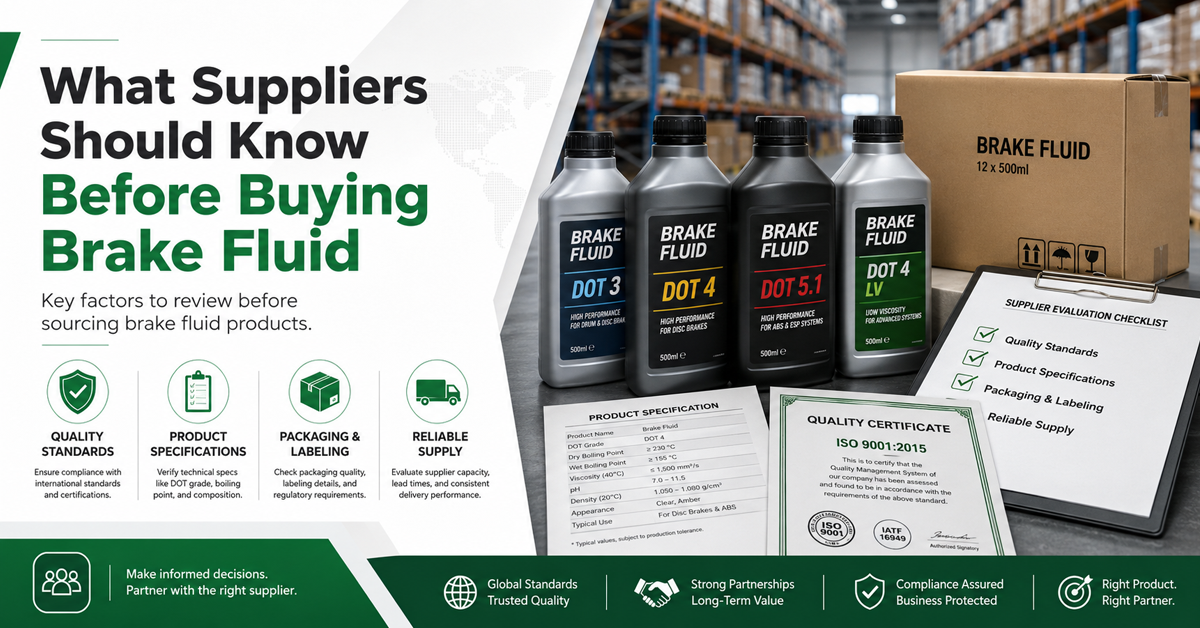
For buyers comparing multiple vendors, a short supplier scorecard usually works better than an open-ended discussion. Score technical fit, response quality, packaging reliability, export readiness, and ease of communication. That tends to expose weak suppliers quickly. It also prevents the team from being swayed by a single attractive feature that does not matter much in real use.
FAQ: What Buyers Ask Before Switching Suppliers
Is a lower-priced supplier always the better choice? Not when quality variation, paperwork gaps, or logistics issues can erase the savings.
Should export capability be a separate requirement? If your business ships internationally, yes. It affects speed, compliance, and customer confidence.
Do certifications solve the whole problem? No. They help, but they do not replace process control or responsive service.
What a Better Sourcing Decision Looks Like
The best outcome is not just a product purchase. It is a supply relationship that reduces internal friction and supports your own customer promise. Whether you are evaluating an automotive chemical supplier, a brake fluid manufacturer, or a brake fluid exporter, the same principle applies: choose the partner that makes your operations easier to trust.
If you are building a supplier shortlist, start by asking for technical documentation, packaging details, export support information, and a plain explanation of how the product is made and controlled. That simple step will tell you more than a polished brochure ever will.