The latest news on Gafle.
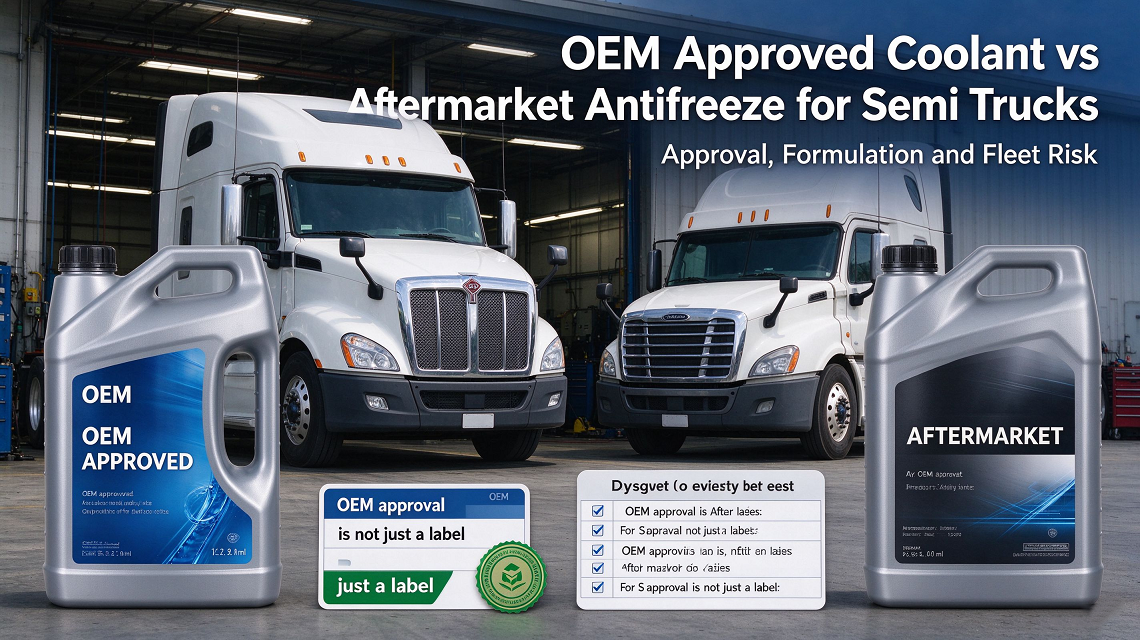
1. The Mechanical Reality: Why Commercial Diesels Demand Specialized Fluid 2. The Real Difference Between OEM and Aftermarket Coolant 3. Evaluating the Real Risks to Fleet Operations 4. Procurement Checklist: Partnering with a Heavy Duty Coolant Supplier 5. Frequently Asked Questions 6. Next Steps for Fleet Maintenance Teams
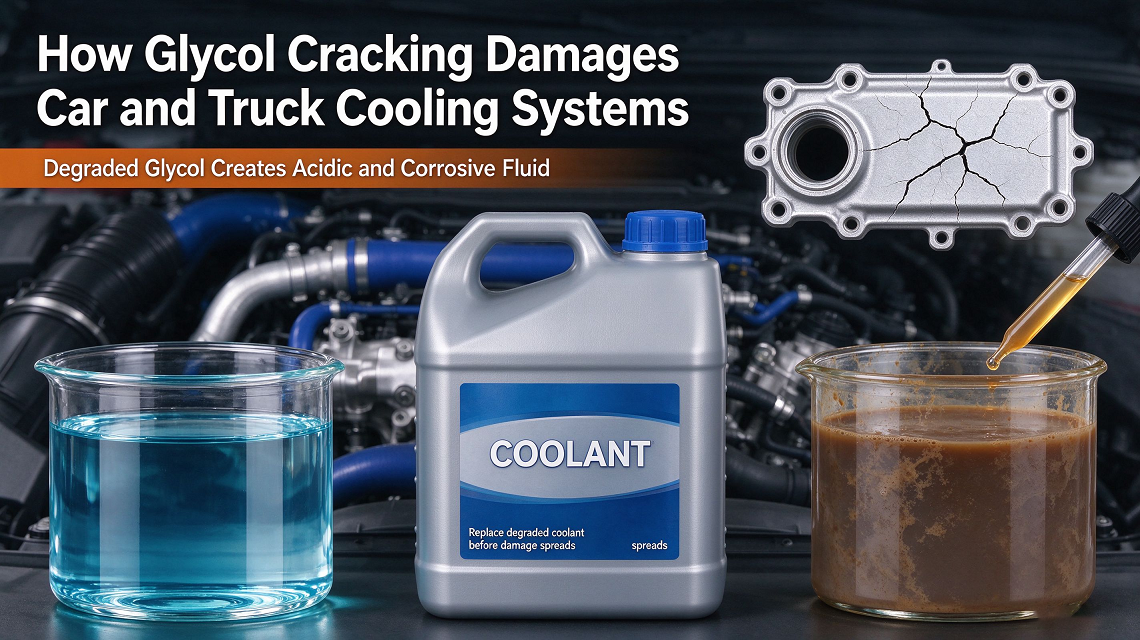
1. The Mechanics of Thermal Breakdown in Heavy-Duty Engine Circuits 2. Recognizing the Signs of Glycol Cracking in Truck Engine Platforms 3. Evaluating a Factory Coolant Formula Against Glycol Cracking 4. Practical Fleet and Sourcing Guidelines
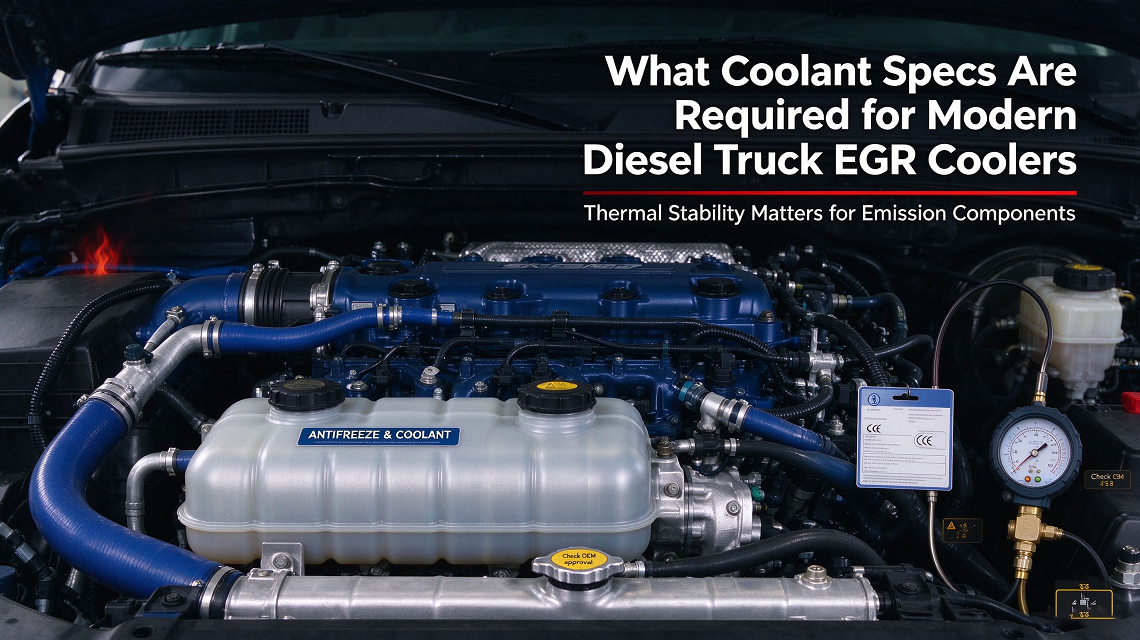
1. Why Coolant Chemistry Dictates EGR Cooler Lifespans 2. The Real Chemistry: OAT, NOAT, and Hybrid Formulations 3. Comparative Engineering Parameters 4. Mechanism of Failure: Localized Boiling and Thermal Fatigue 5. Key Selection Criteria for Specifiers and Maintenance Leads 6. Practical Buyer Advice and Field Cautions 7. Frequently Asked Questions
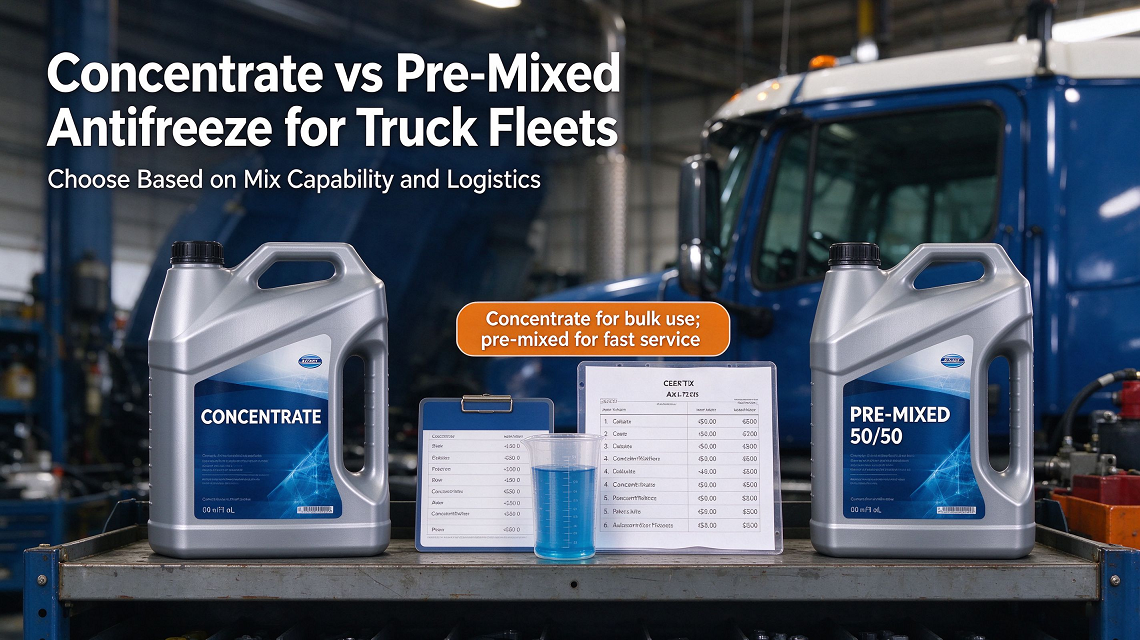
1. Logistics vs. Chemistry: The Real Dilemma on the Shop Floor 2. Evaluating Total Cost of Ownership Beyond Freight Bills 3. Operational Fit: Match Formulation to Fleet Infrastructure 4. Frequently Asked Questions 5. Recommended Sourcing Next Steps
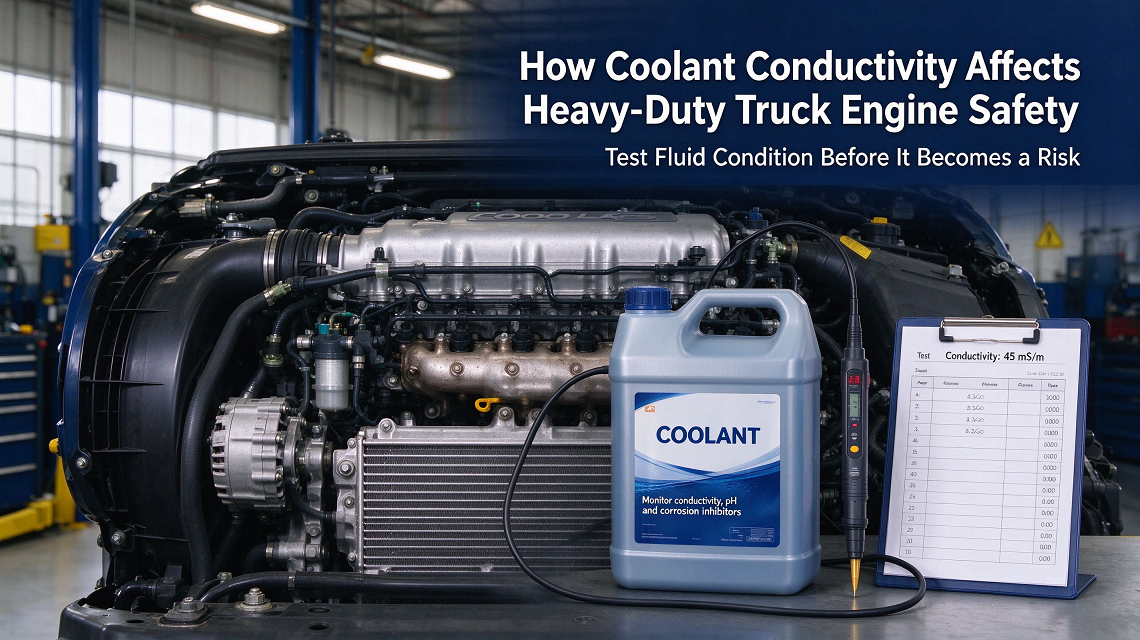
1. Diagnostic Blind Spots in Commercial Diesel Cooling Circuits 2. Electrochemical Hazards in High-Stress Diesel Circuits 3. Aligning Shop Practice with a Supplier Coolant Conductivity Standard 4. Measurement Protocol: Portable Meters vs. Stray Voltage Checks 5. Operational Strategies for Fleet Supervisors 6. Frequently Asked Questions 7. Developing an Inspection Protocol for Your Fleet
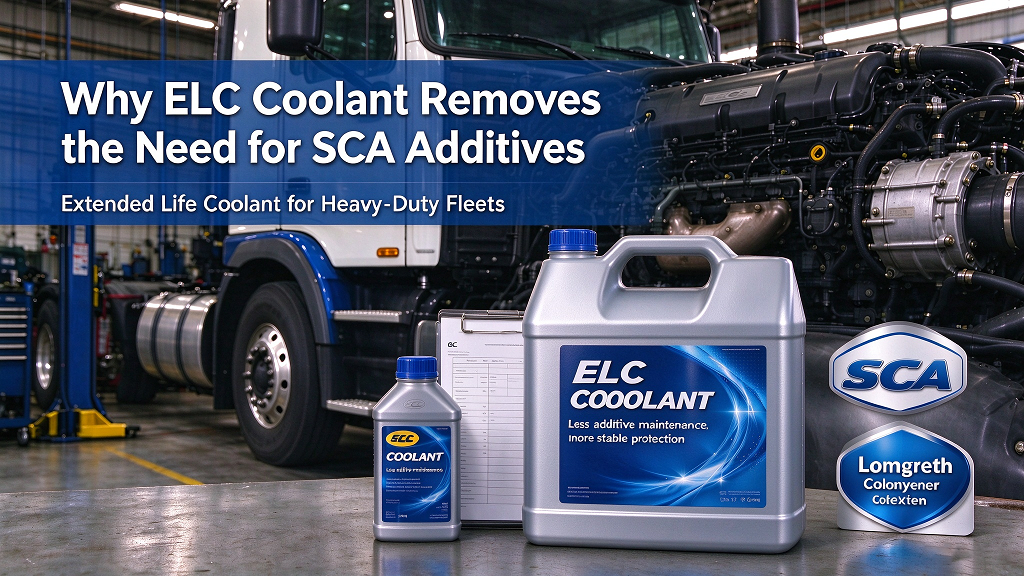
1. Why Traditional Systems Relied on Supplemental Additives 2. Carboxylate Chemistry: How Modern OAT Eliminates Routine Dosing 3. Fleet Protocols and Operational Governance 4. Comparison: Legacy Regimes vs. Extended Life Systems 5. Field Pitfalls: Where Maintenance Bays Stumble 6. Frequently Asked Questions 7. Implementing a Clear Yard Standard
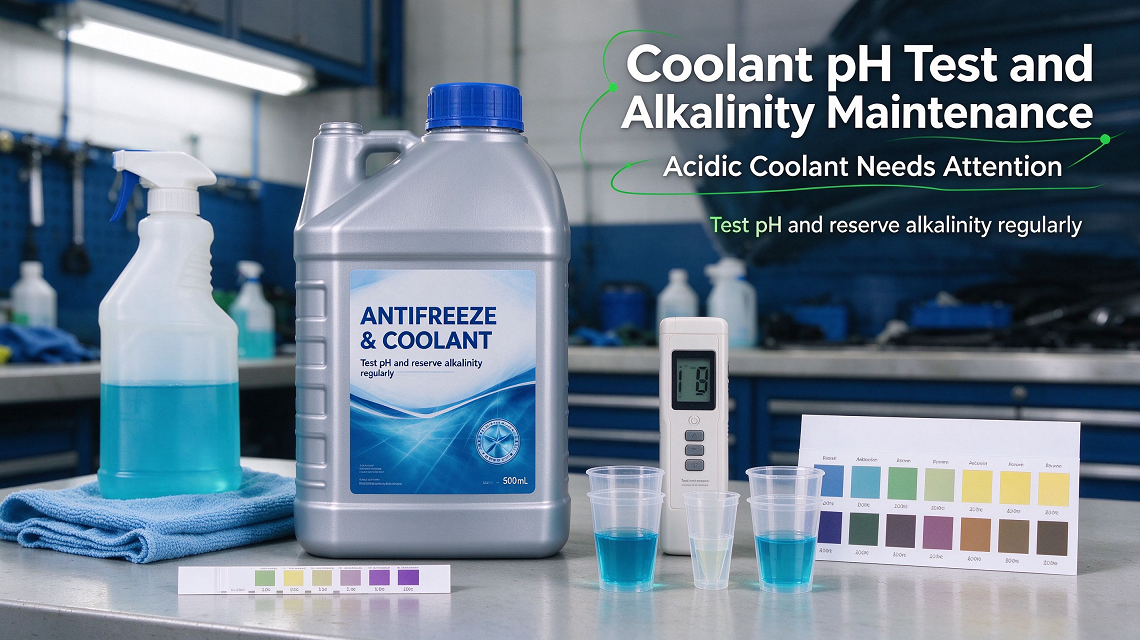
1. Why Coolant Chemistry Drifts Toward Acidity 2. Equipment Options: Test Strips vs. Digital Meters 3. Step-by-Step: How to Test Coolant pH at Home 4. Understanding the Readings: The Ideal Coolant pH Range 5. What Happens When Coolant Alkalinity Drops 6. Practical Maintenance Advice and Pitfalls 7. Frequently Asked Questions
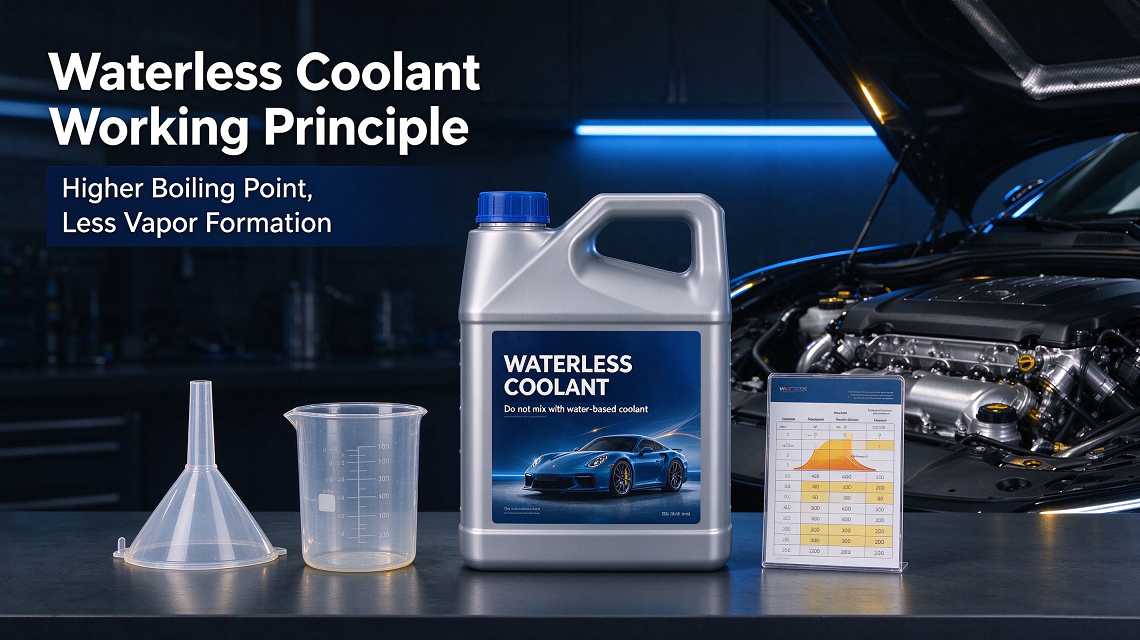
1. Rethinking Engine Thermodynamics: The Mechanics of Non-Aqueous Cooling 2. The Phase Change Problem in Aqueous Systems 3. How Non-Aqueous Coolant Actually Operates 4. The Thermodynamic Reality: Specific Heat vs. Liquid-Phase Stability 5. Waterless Coolant vs Traditional Antifreeze: Operational Distinctions 6. Installation Pitfalls: The Zero-Moisture Requirement 7. Is Waterless Coolant Suitable for Everyday Cars? 8. Frequently Asked Questions 9. Summary Considerations for Fleet and Build Specifications
Home
Product
Contact
Inquiry