Why the brake fluid packing method matters more than many buyers expect
The brake fluid packing method is not just a branding choice. For distributors, workshops, and private-label buyers, it affects shelf life, handling, leak risk, warehouse efficiency, and how confidently a customer can store or dispense the product. Brake fluid is a functional automotive chemical, but it is also a sensitive one: it needs protection from contamination and moisture, and it must arrive in a package that can survive transport without compromising the contents.
That is why packaging decisions deserve the same attention as the fluid itself. A container that looks fine on the shelf can still be a poor fit if it is awkward to stack, hard to pour, or not suited to the target sales channel. And if you are sourcing for retail, OEM supply, or workshop use, the right format can make the difference between a smooth product launch and a lot of small, annoying problems later.
What this packaging series appears to offer
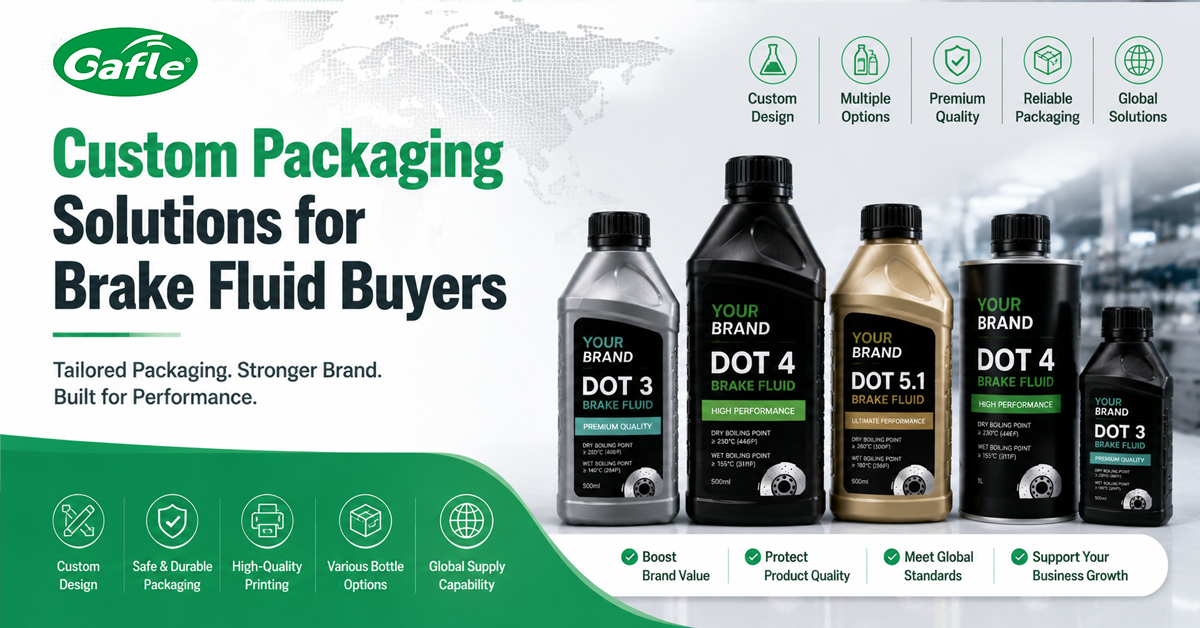
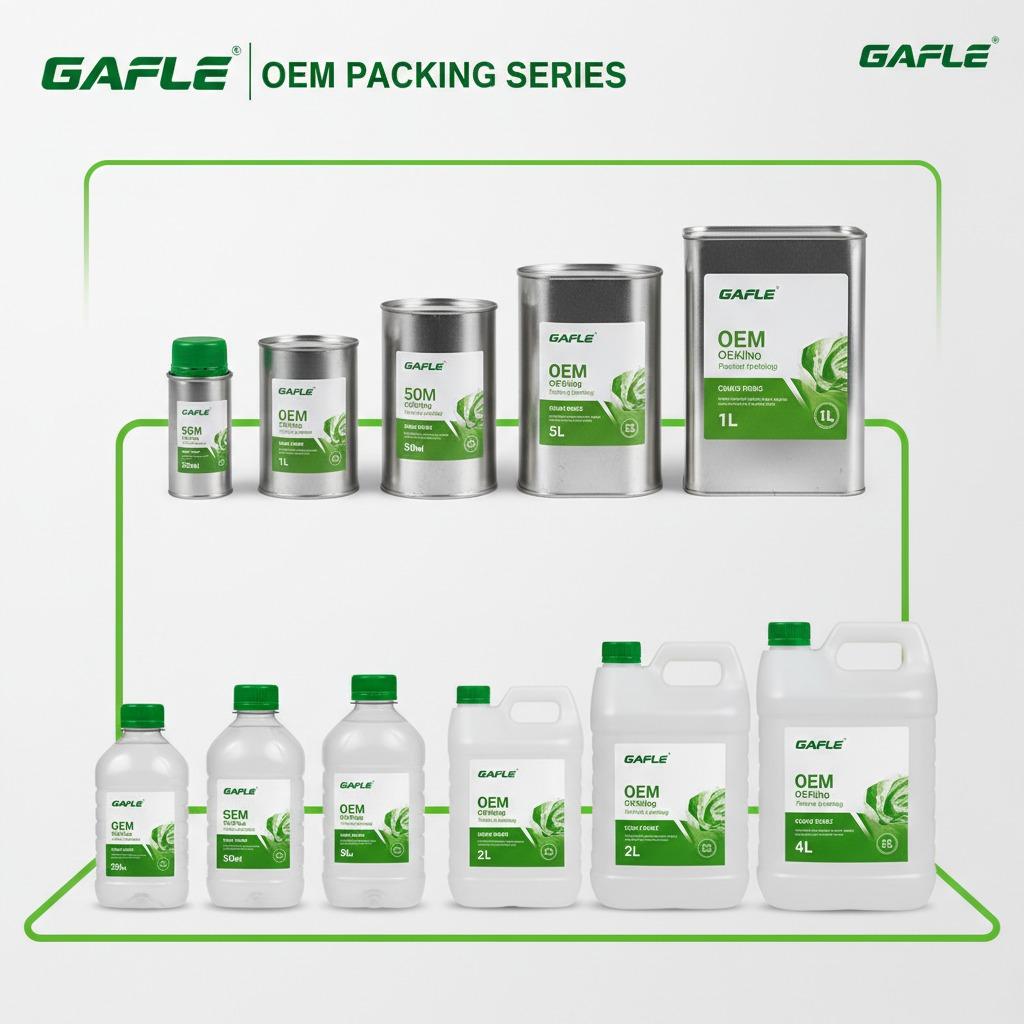
The product information points to a high boiling point brake fluid in an OEM packing series, with a mix of metal cans and plastic bottles/jerrycans. The visible formats include small bottles for service top-ups, larger containers for workshop use, and metal tins or rectangular cans for retail and standardized supply. That spread is useful because brake fluid rarely sells in only one channel. A parts counter wants small, easy-to-display packs. A repair shop wants practical mid-size containers. A distributor may prefer larger formats that reduce handling per liter.
There is a small but important practical detail here: packaging variety is not just about volume. It is also about how a buyer stores the product, how often it is opened, and whether the pack can be sealed back up cleanly after partial use. In brake fluid, that matters a great deal because protection against contamination is part of the value proposition.
Quick reference: choosing between common pack formats
Metal cans
Metal cans usually signal a more rigid, protective container and can work well for branded retail presentation. They also tend to feel more “industrial,” which some buyers prefer for automotive chemicals. On the downside, they may be less convenient for repeated opening and closing if the pack is intended for workshop use.
Plastic bottles and jerrycans
Plastic packs are often easier to handle, lighter to ship, and more flexible across package sizes. For service channels, that convenience can matter as much as appearance. The visible use of green caps and white/clear containers also suggests a packaging style aimed at straightforward identification and cleaner shelf presentation.
Small bottles vs. larger packs
Small bottles are useful for top-ups and emergency retail purchases. Larger jerrycans or 5L-style packs fit higher-volume maintenance work and distribution. If a buyer only looks at unit price, they can miss the operational cost: a workshop that opens too many small packs will spend more time handling inventory than using it.
Brake fluid protection: what good packaging should do
Brake fluid protection is mostly about keeping the product sealed, clean, and easy to identify. The package should help reduce exposure to moisture and accidental contamination during storage and use. That is especially relevant for fluids used in brake systems, where the wrong container can create avoidable waste or service issues.
The packaging shown uses printed labels, leaf graphics, and series branding. From a buyer’s perspective, this does two jobs at once: it supports retail visibility and helps private-label or OEM-oriented distribution look more organized. That said, buyers should still verify the actual closure system, liner quality, and pack integrity before placing a volume order. Packaging appearance and packaging performance are not always the same thing.
Where brake fluid packing capacity becomes a sourcing decision
Brake fluid packing capacity is not a minor specification. It affects merchandising, transport efficiency, and even how customers perceive the product line. A broad range of capacities can support different sales channels without forcing one format to do every job. The listed formats suggest a layered offer: small consumer bottles, mid-size retail containers, and larger workshop or bulk packs.
For sourcing teams, the question is usually not “Which size is best?” but “Which size matches the channel, the customer behavior, and the rest of the product line?” If the answer changes by region or account type, then a mixed pack strategy is often the safer option.
How DOT brake fluid fits into the packaging conversation
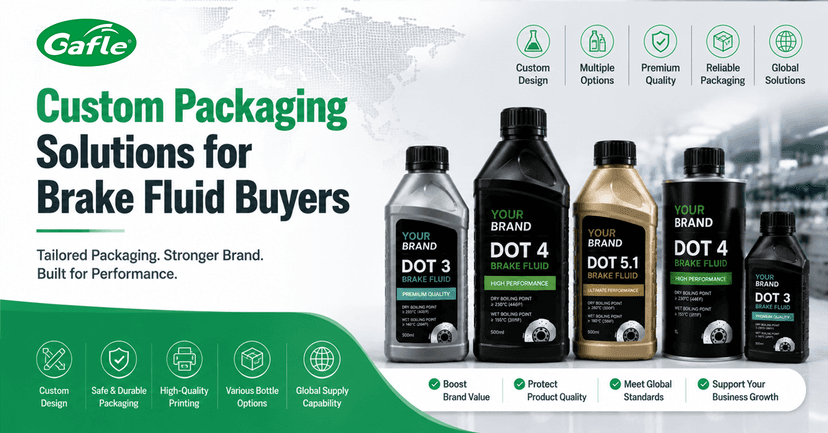
Buyers often search for DOT brake fluid because it is the shorthand they use when comparing braking products. But from a packaging standpoint, the label category matters almost as much as the chemistry. The package must communicate the product identity clearly, especially where multiple brake fluid grades may sit in the same distribution network. The supplied information does not confirm a specific DOT class, so that detail should be checked directly rather than assumed from the packaging style alone.
For purchasing managers, this is the point where label compliance, artwork control, and fill consistency need to line up. A package can look ready for market and still be incomplete if the specification text, usage notes, or grade designation is not confirmed.
Common mistakes buyers make
One mistake is choosing a pack only for shelf appeal. Another is assuming a larger container is always cheaper in real terms. For brake fluid, bigger packs can reduce unit handling, but they also require more discipline in storage and turnover. A partially used container left open too long is not doing anyone any favors.
Another frequent miss is ignoring channel fit. Retail packaging and workshop packaging serve different habits. The best brake fluid packing method is the one that matches how the product will actually move through the market, not how it looks in a catalog photo.
Practical buyer advice before placing an order
Ask for the confirmed fill volumes, closure type, carton configuration, and outer-case packing before you approve artwork. If you are buying for private label or OEM supply, make sure the package size, material, and print layout align with your distribution plan. It is also worth confirming whether the same series can be produced in different sizes without changing the look of the brand block too much. That can save a lot of downstream confusion.
And one practical caution: do not rely on the container alone to judge product suitability. The supplied information indicates a high boiling point brake fluid, but exact specification, compatibility, and standards should be verified separately.
What to ask the supplier next
If you are evaluating this packaging series, ask for the following: confirmed package sizes, bottle or can materials, closure details, label artwork options, and whether the line is intended for retail, OEM, or mixed-channel supply. That is usually enough to decide whether the brake fluid packing method fits your market or needs adjustment.
If you want, the next step is to compare the available pack sizes against your sales channels and order a packaging mockup or sample set before committing to full production.