
Why Hot Weather Makes Your Brake Fluid Fail Early: Thermal Breakdown & Corrosion Risks
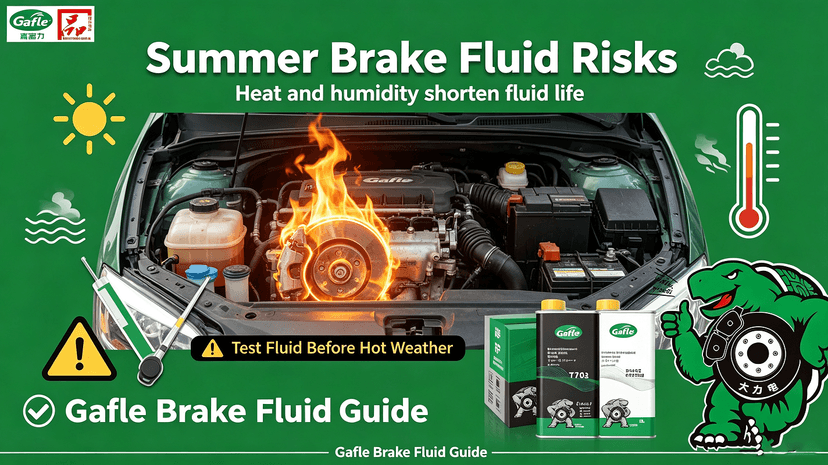
Drivers living in tropical, desert, or coastal high-humidity regions face accelerated brake fluid degradation compared to those in cool temperate zones. Sustained high ambient heat does not just raise brake caliper operating temperatures—it also speeds up two irreversible chemical failures inside glycol brake fluid: faster moisture absorption and premature depletion of anti-corrosion, anti-boiling additives. This article explores how hot climates shorten brake fluid service life, unique summer braking hazards, and adjusted maintenance schedules for warm-weather vehicle owners.
1. Heat Speeds Up Hygroscopic Moisture Absorption
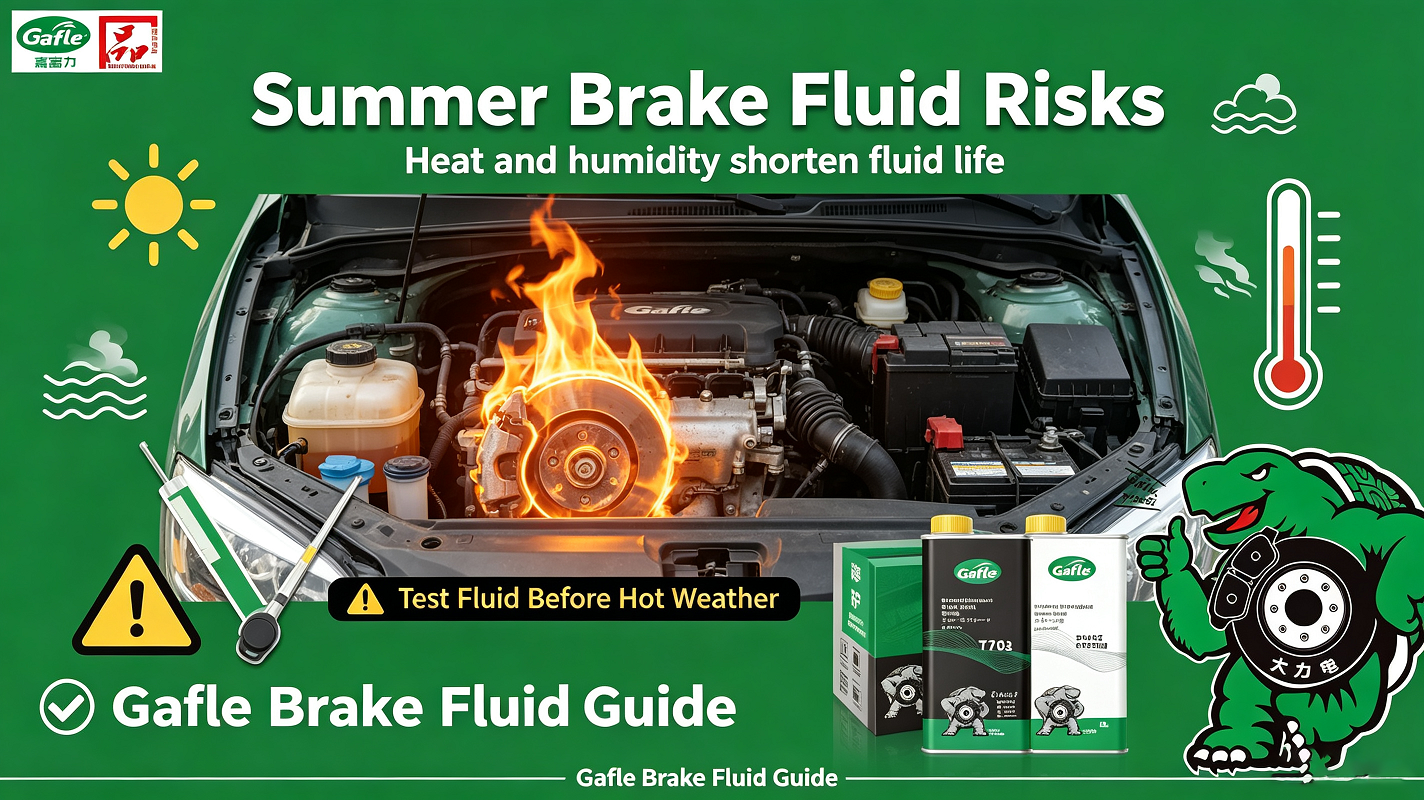
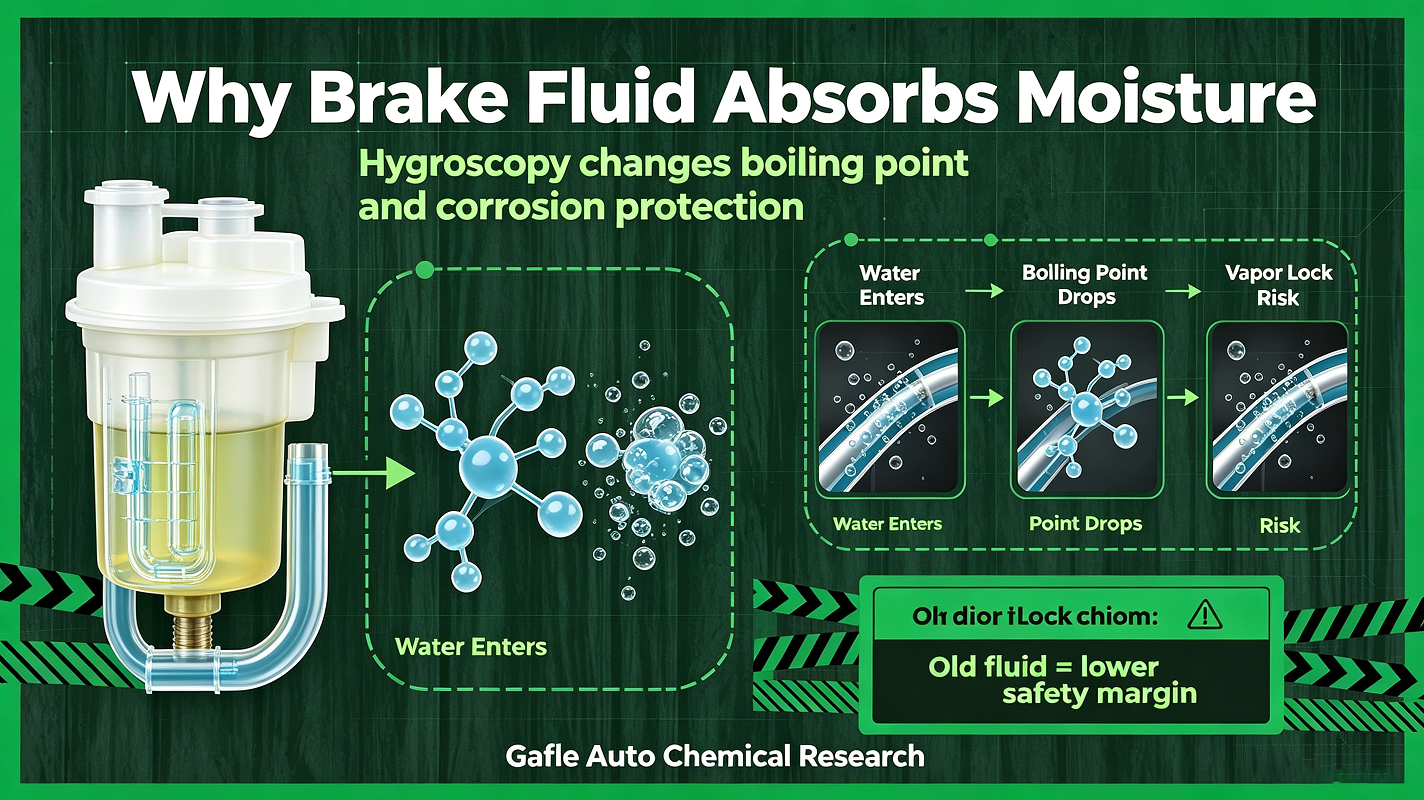
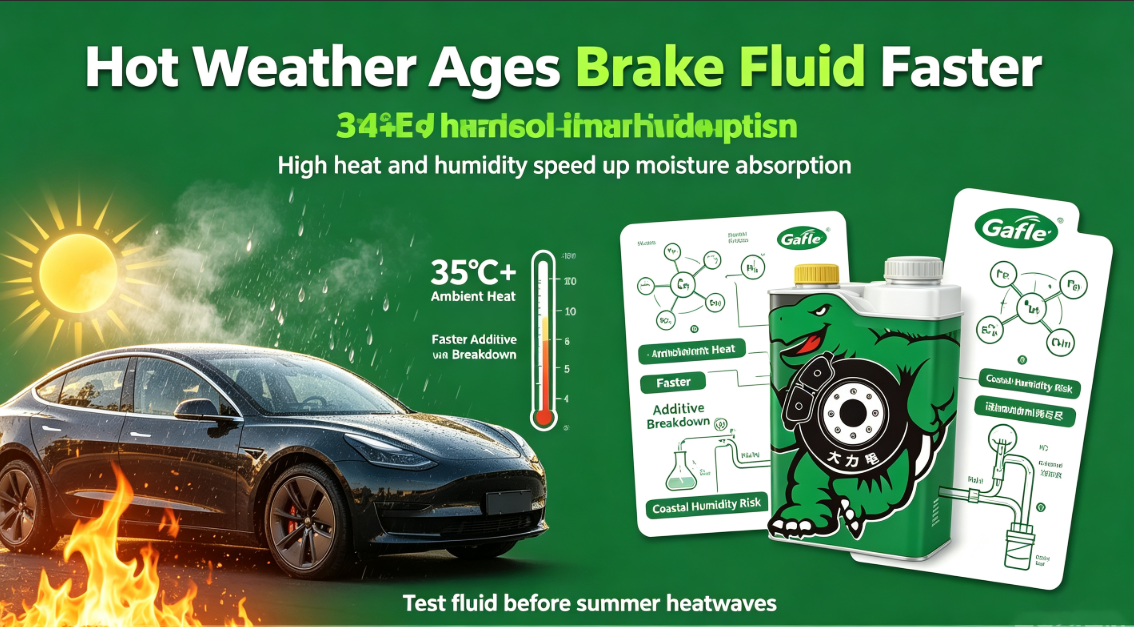
Glycol brake fluid’s moisture absorption rate rises proportionally with surrounding temperature. When vehicles sit parked under direct sunlight in 38°C heat, internal engine bay temperatures climb above 60°C, creating a greenhouse effect inside the brake fluid reservoir.
Warm air holds far more water vapor than cool air, so humid summer weather drastically increases the volume of moisture seeping past reservoir cap seals into the fluid. A vehicle in a tropical coastal city can accumulate dangerous water content in brake fluid in as little as 12 months—half the standard 2-year replacement cycle recommended for mild climates.
2. High Temperatures Destroy Protective Additive Packages
Every bottle of qualified DOT brake fluid contains a complex blend of heat-resistant additives designed to preserve boiling point and prevent metal corrosion. Sustained exposure to engine bay high heat breaks down these organic acid and silicate additives at a rapid rate:
- Anti-boiling vapor suppression additives degrade, removing the fluid’s buffer against bubble formation during hard braking;
- Anti-corrosion stabilizers lose efficacy, letting water-contaminated fluid eat away aluminum calipers, iron master cylinders and copper brake lines.
In cool climates, these additives last a full 24 months; under constant summer heat, they can fully deplete within 14–18 months.
3. Unique Summer Brake Failure Scenarios Caused By Degraded Fluid
3.1 Stop-Start Urban Traffic In Heatwaves
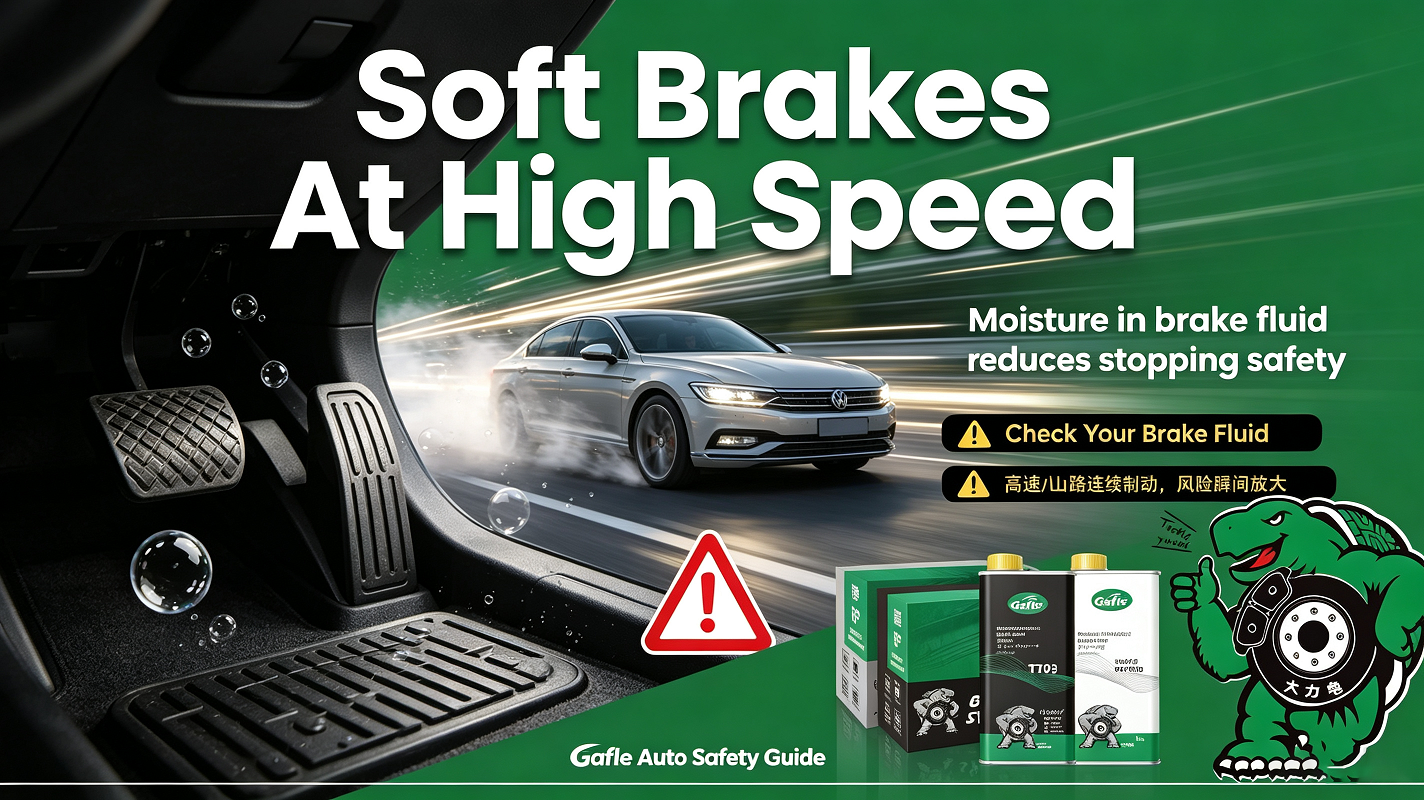
Constant low-speed braking in congested summer city traffic creates repeated heat spikes in brake calipers. Degraded, moisture-rich fluid boils quickly during frequent short stops, creating a consistent soft brake pedal feel during daily commutes.
3.2 Fully Loaded Summer Road Trips
Family vacations with heavy passenger and cargo weight increase brake load every time you slow or stop. Extra vehicle mass amplifies friction heat, pushing worn brake fluid past its boiling point far sooner than empty vehicle driving.
3.3 Overnight Humidity In Coastal Regions
Even when parked overnight, coastal sea fog and humid air continuously feed moisture into brake fluid reservoirs. The cycle of hot daytime heat and damp nighttime air creates a perfect environment for rapid fluid contamination year-round.
4. Adjusted Maintenance Schedule For Hot Climate Drivers
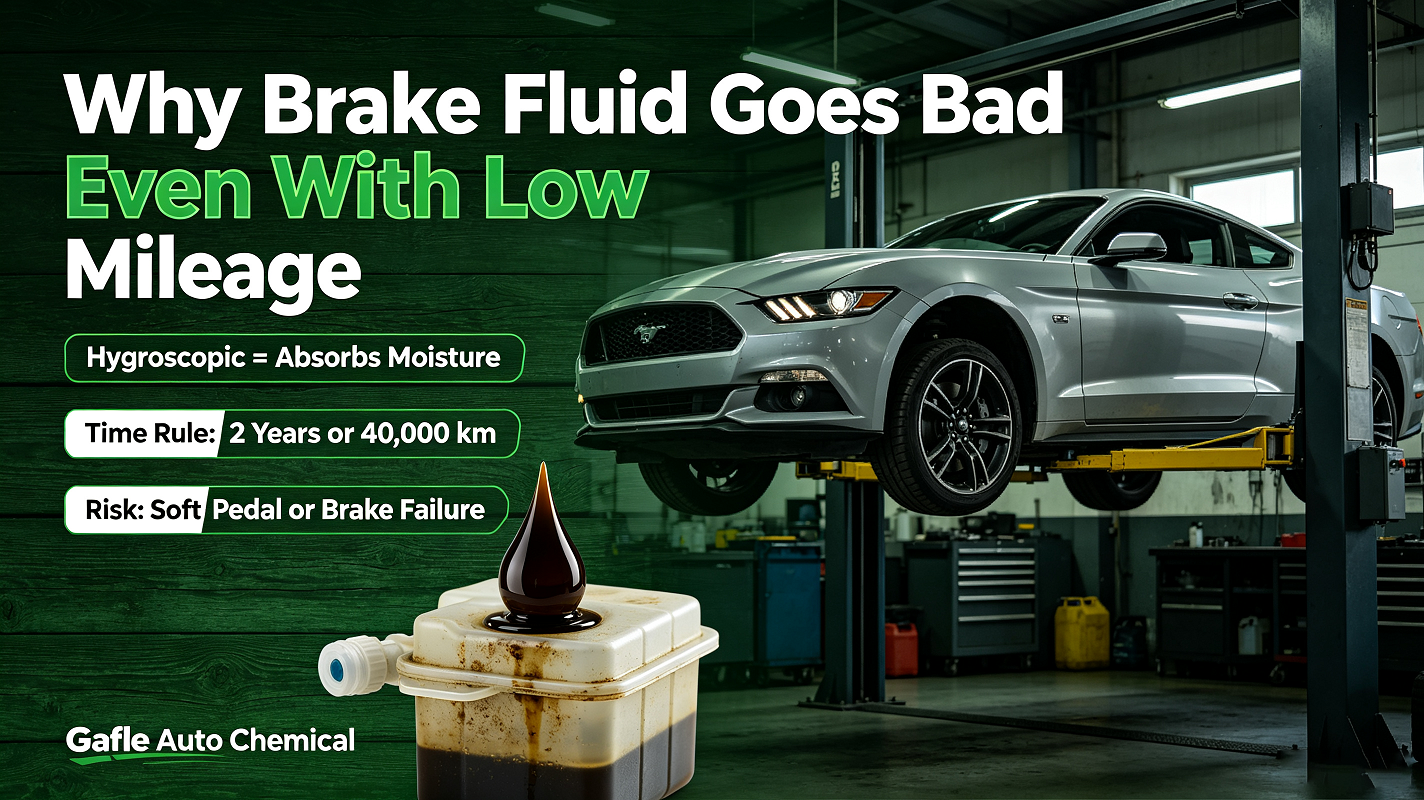
Standard OEM 2-year brake fluid replacement intervals apply to mild, low-humidity regions. For tropical, desert, or coastal hot zones, shorten the service cycle to 12–18 months to counteract accelerated heat and moisture damage.
Additional summer maintenance steps:
- Inspect brake fluid color and clarity before heatwave seasons; dark, murky fluid requires immediate full flushing;
- Store vehicles in covered garages whenever possible to reduce sun exposure and engine bay heat buildup;
- Select high-performance DOT4 brake fluid formulated with extra heat-stable additives for year-round warm weather use.
Closing Summary
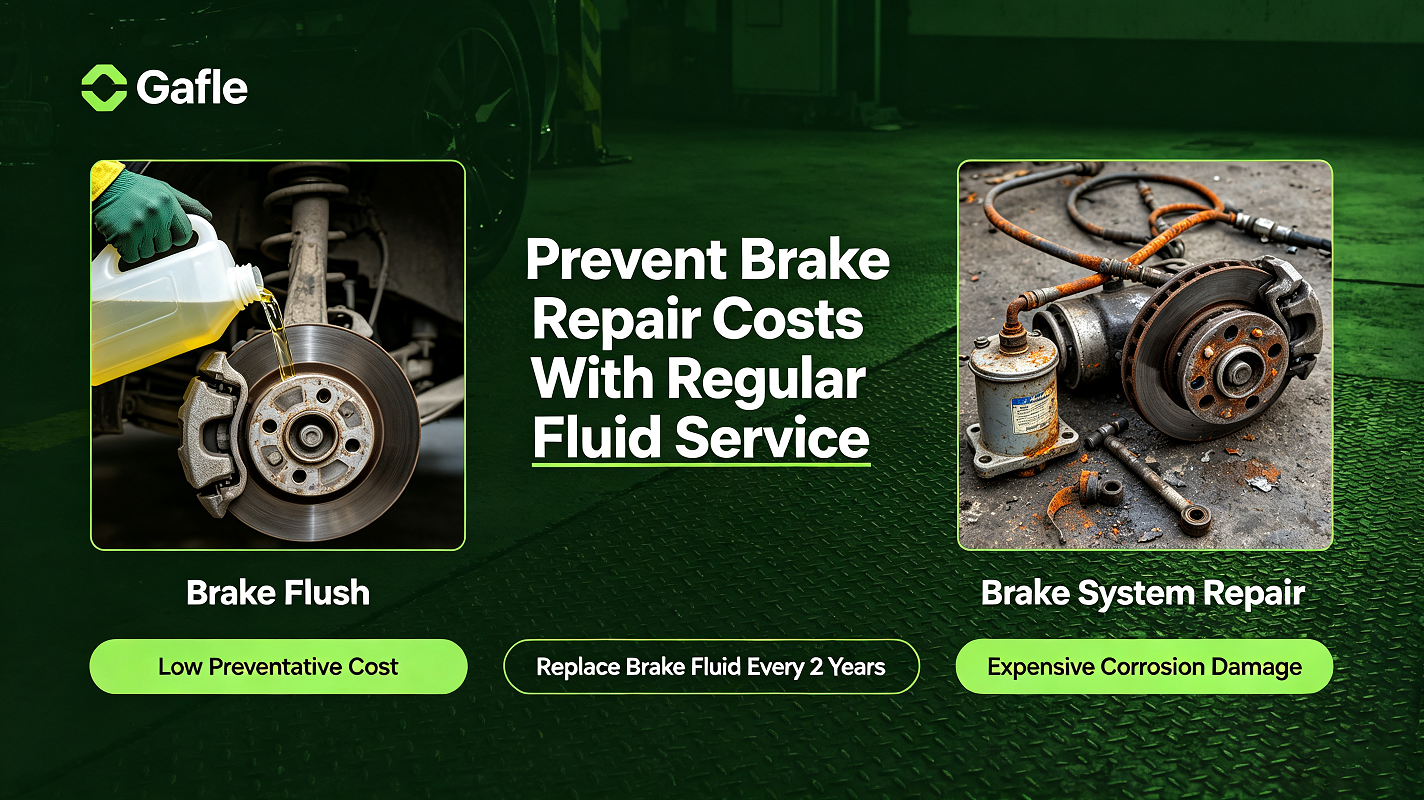
Hot summer weather drastically accelerates brake fluid moisture absorption and additive breakdown, cutting safe service life nearly in half for tropical and coastal drivers. Waiting the full 2-year standard replacement cycle in warm climates exposes you to vapor lock, soft brakes and expensive corroded brake component repairs. Adjust your maintenance timeline and inspect brake fluid pre-heatwave to eliminate seasonal braking safety risks.
Welcome to contact GAFLE for more information & cooperation!
peter
ZHEJIANG GAFLE AUTO CHEMICL CO.,LTD
Tel:86-579-8222 1665
Fax:86-579-8246 4690
Cel/Wechart:86-13335993986
E-mail:peter@gafle.net
Web:www.gafle.net
peter
ZHEJIANG GAFLE AUTO CHEMICL CO.,LTD
Tel:86-579-8222 1665
Fax:86-579-8246 4690
Cel/Wechart:86-13335993986
E-mail:peter@gafle.net
Web:www.gafle.net