
How Long Does Brake Fluid Last in a Car? A Complete Guide to Brake Fluid Lifespan
Introduction: Understanding Brake Fluid Service Life
Brake fluid is one of the most important fluids in a vehicle because it transfers hydraulic pressure from the brake pedal to the braking system. Although many drivers regularly maintain engine oil, tires, and filters, brake fluid is often overlooked.
A common question from vehicle owners is:
“How long does brake fluid last in a car?”
The answer depends on multiple factors, including:
- Brake fluid quality
- Driving conditions
- Climate environment
- Vehicle usage
- Maintenance habits
Over time, brake fluid can gradually lose performance due to moisture absorption, chemical aging, and contamination.
For automotive brands, importers, and distributors, selecting a reliable Brake Fluid Manufacturer is also important because product quality directly affects vehicle safety.
As an experienced Brake Fluid Manufacturer, Gafle Brake Fluid Factory focuses on producing high-quality brake fluid solutions through advanced manufacturing technology, strict quality control, and professional laboratory testing.
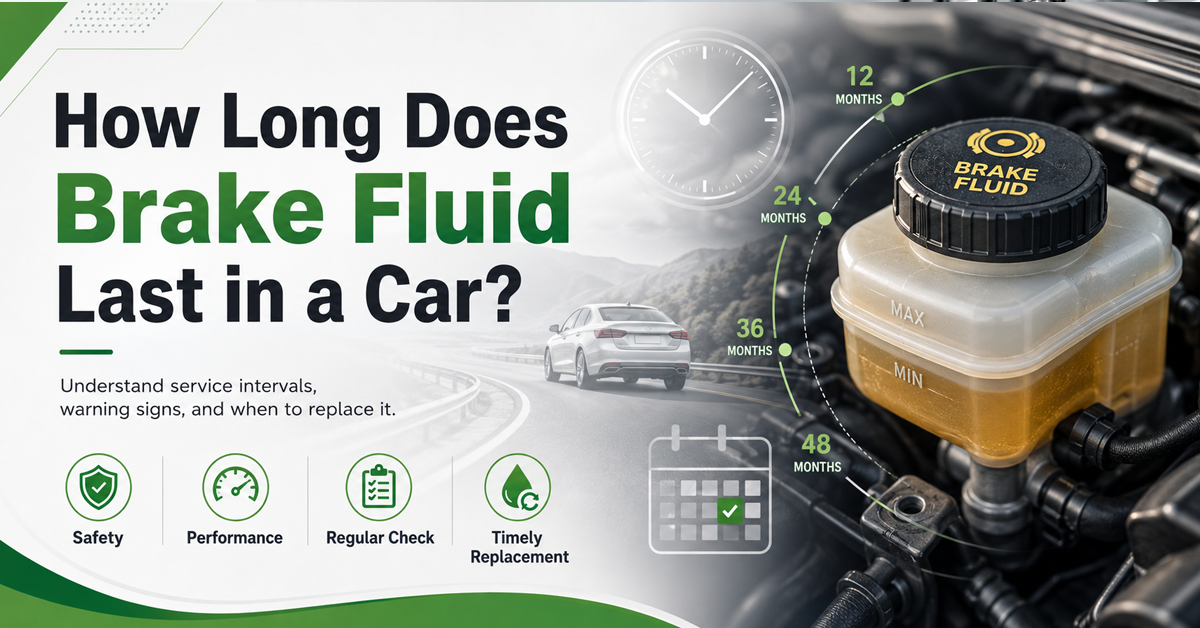
How Long Does Brake Fluid Last in a Car?
Unlike engine oil, brake fluid does not have a simple mileage-based replacement rule that applies to every vehicle.
The service life of brake fluid depends on:
- Vehicle design
- Brake system requirements
- Driving conditions
- Product formulation
- Environmental exposure
High-quality brake fluid can maintain stable performance for longer because of:
- Better chemical stability
- Improved thermal resistance
- Stronger corrosion protection
However, even premium brake fluid requires regular inspection and proper maintenance.
Why Does Brake Fluid Need to Be Changed?
Many people ask:
“Does brake fluid expire?”
The answer is yes. Brake fluid can gradually deteriorate during storage and vehicle operation.
The main reasons include:
1. Moisture Absorption
One of the biggest factors affecting brake fluid life is moisture.
Over time, brake fluid may absorb water from the environment.
Moisture contamination can influence:
- Boiling point performance
- High-temperature stability
- Brake system protection
This is why regular brake fluid checks are important.
2. Chemical Aging
Brake fluid operates under:
- High temperatures
- Pressure changes
- Long-term chemical exposure
Over time, its original properties may change.
Aging brake fluid may experience:
- Reduced performance stability
- Lower protection ability
- Increased contamination risk
3. Driving Conditions
Different driving environments affect brake fluid lifespan.
Vehicles used in:
- Heavy traffic areas
- Mountain roads
- Hot climates
- Commercial applications
may require more frequent brake fluid inspection.
What Factors Affect Brake Fluid Lifespan?
Brake Fluid Quality
Not all brake fluids provide the same level of performance.
High-quality brake fluid offers:
Better Thermal Stability
Helping maintain performance under high temperatures.
Improved Corrosion Protection
Helping protect:
- Brake lines
- Master cylinders
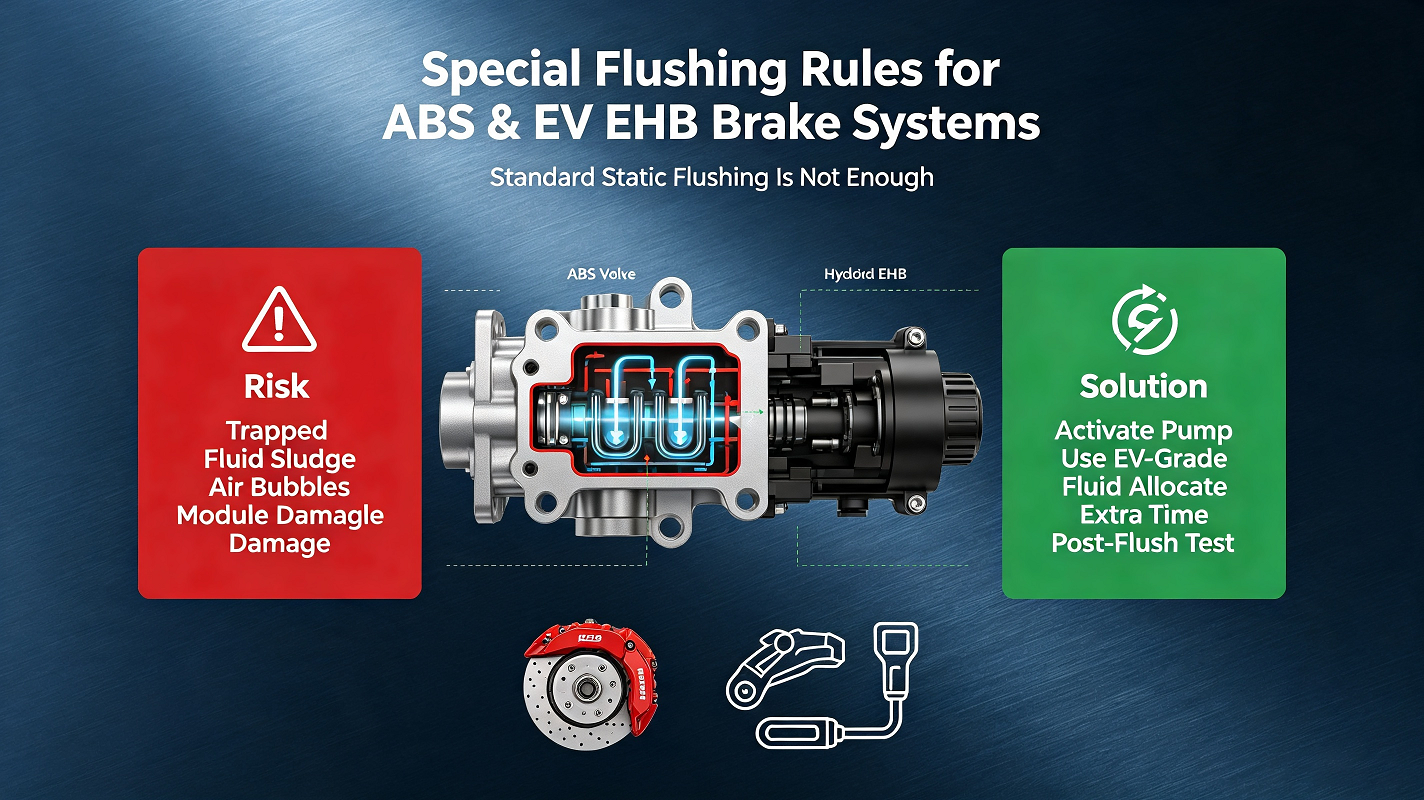
- ABS components
Strong Chemical Stability
Helping maintain:
- Consistent performance
- Longer service reliability
This is why choosing a professional High Quality Brake Fluid Manufacturer is important for automotive businesses.
Signs of Bad Brake Fluid
Understanding the warning signs of old brake fluid helps prevent potential safety problems.
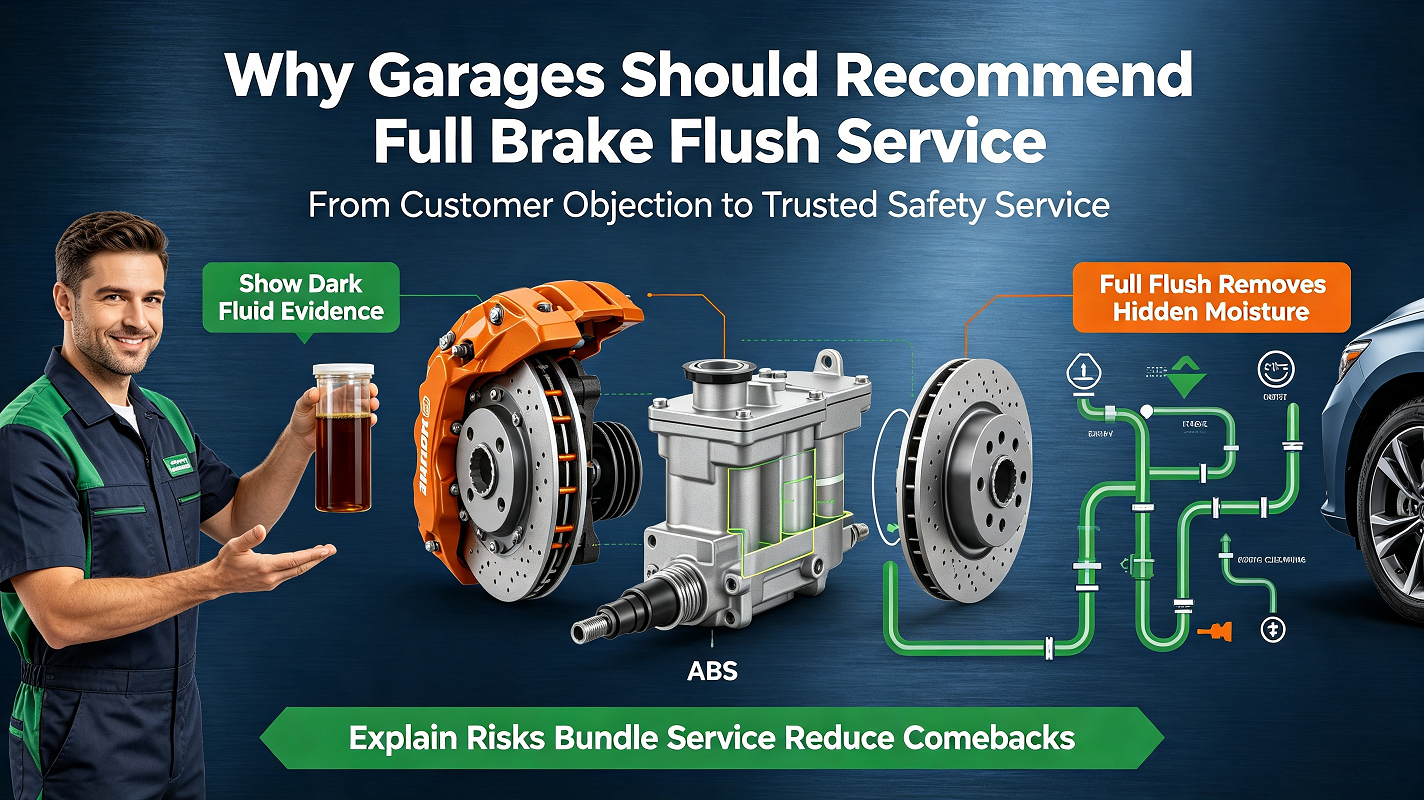
1. Dark or Discolored Brake Fluid
Fresh brake fluid is usually clear or light amber depending on the formulation.
If brake fluid becomes:
- Dark
- Cloudy
- Dirty-looking
it may indicate aging or contamination.
2. Reduced Brake Performance
Old brake fluid may affect braking performance.
Possible signs include:
- Changes in brake pedal feeling
- Reduced braking consistency
- Slower brake response
When these symptoms appear, the braking system should be inspected.
3. Regular Maintenance Reminder
Even when no obvious problems appear, brake fluid should still be checked regularly.
Preventive maintenance helps:
- Maintain braking reliability
- Protect brake components
- Reduce unexpected repairs
How Often Should Brake Fluid Be Changed?
The exact Brake Fluid Change Interval depends on:
- Vehicle manufacturer recommendations
- Brake fluid specification
- Driving environment
- Product condition
Many professional technicians recommend checking brake fluid regularly and replacing it when performance decreases or maintenance requirements are reached.
What Happens If Brake Fluid Is Not Replaced?
Old brake fluid may create several challenges for vehicle performance.
Reduced High-Temperature Performance
Brake fluid must handle heat generated during braking.
Aged fluid may have reduced thermal performance.
Increased Corrosion Risk
Brake fluid helps protect internal components.
Poor-quality or aged fluid may affect:
- Hydraulic components
- Metal parts
- Brake system durability
Reduced System Reliability
A properly maintained brake system requires:
- Correct brake fluid specification
- Regular inspection
- Reliable product quality
How Quality Brake Fluid Helps Extend Brake System Life
High-quality brake fluid is designed to provide long-term protection.
Important performance features include:
Thermal Resistance
Helps maintain stable operation during demanding driving conditions.
Material Compatibility
Ensures compatibility with:
- Rubber seals
- Metal components
- Hydraulic systems
Corrosion Protection
Helps improve the durability of brake system components.
How Gafle Produces Reliable Long-Life Brake Fluid
At Gafle Brake Fluid Factory, we understand that product reliability starts from professional manufacturing.
Our quality process includes:
Raw Material Inspection
Before production:
- Materials are carefully evaluated
- Specifications are verified
- Quality requirements are confirmed
Advanced Manufacturing Control
During production:
- Formula accuracy is monitored
- Production parameters are controlled
- Batch consistency is maintained
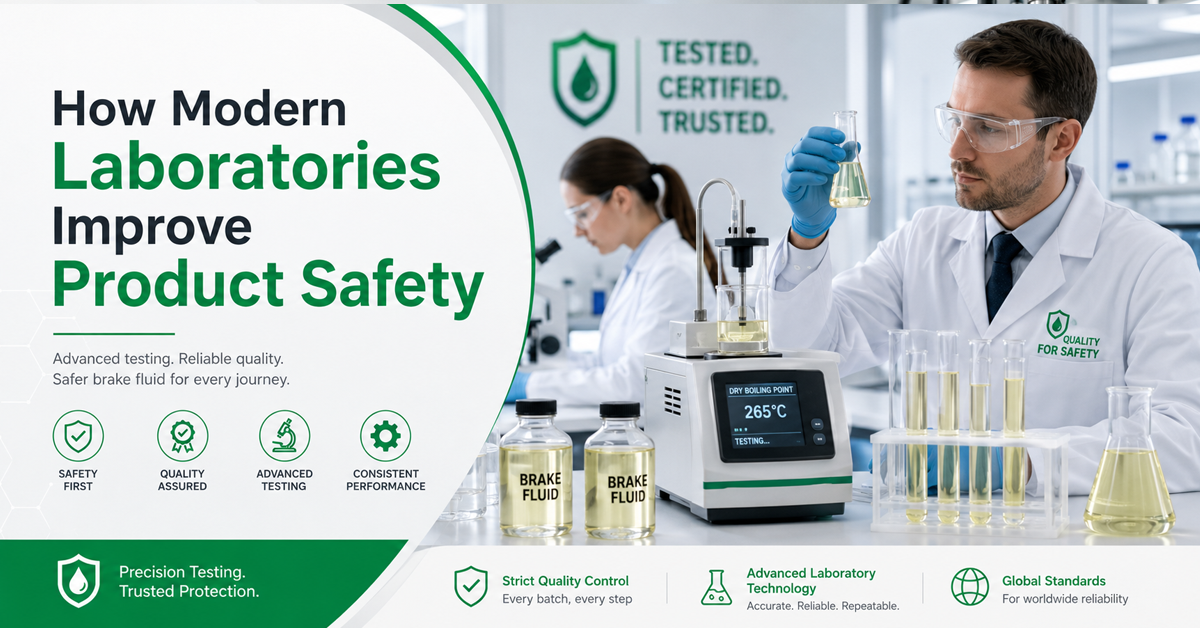
Laboratory Performance Testing
Gafle conducts professional testing, including:
Boiling Point Testing
Evaluating:
- High-temperature performance
- Thermal stability
Viscosity Testing
Checking:
- Fluid flow performance
- Temperature adaptability
Corrosion Resistance Testing
Ensuring:
- Better protection of brake system components
Why Choose Gafle as Your Brake Fluid Supplier?
For global automotive brands, importers, and distributors, choosing the right supplier is essential.
Gafle provides:
✅ Professional Brake Fluid Manufacturing Experience
✅ High Quality Brake Fluid Solutions
✅ Advanced Laboratory Testing
✅ Strict Quality Control System
✅ OEM & Private Label Manufacturing
✅ Global Export Experience
Through advanced technology and professional manufacturing systems, Gafle supports customers worldwide with reliable brake fluid solutions.
Conclusion: Choosing Reliable Brake Fluid Matters
So, how long does brake fluid last in a car?
The answer depends on:
- Brake fluid quality
- Vehicle usage
- Driving conditions
- Maintenance practices
Regular inspection and proper replacement help maintain:
- Safe braking performance
- Brake system protection
- Long-term vehicle reliability
For businesses looking for a trusted partner, choosing an experienced Brake Fluid Manufacturer is a key step.
With professional manufacturing experience and strict quality management, Gafle Brake Fluid Factory continues to provide reliable brake fluid products for global automotive markets.
Gafle — Building safer braking systems through better brake fluid technology.